The Beautiful Era: Why Belle Époque Jewelry Still Resonates Today
During the Belle Époque, diamonds seemed to float in delicate platinum garlands, creating some of the most elegant jewels ever made. Explore why this luminous era continues to influence jewelers today.
Published: March 5, 2026
Written by: Meredith Lepore
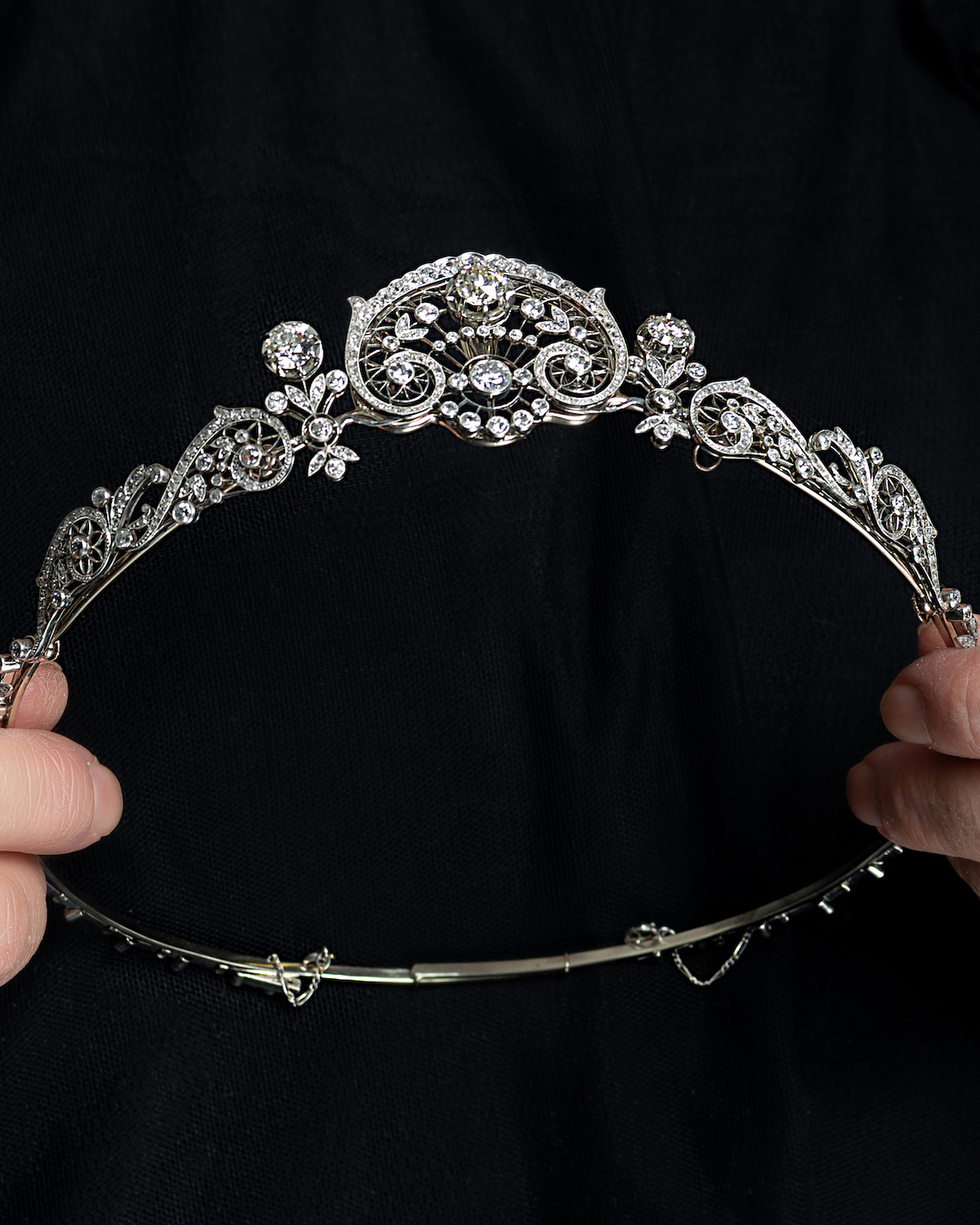
They don’t call it the “beautiful era” for nothing. The Belle Époque was a transformative period in diamond jewelry history and marked a major turning point in how natural diamonds were designed and worn. Advances in platinum technology gave jewelers the strength and flexibility to create lighter, openwork settings that allowed natural diamonds to take center stage. The shift moved jewelry away from the heavier gold forms of the Victorian era toward delicate frameworks that emphasized movement, light, and the brilliance of the stones themselves.
At the same time, expanding diamond supplies from newly discovered deposits in South Africa made diamonds more available to jewelers than ever before. This influx of stones allowed designers to fully embrace the diamond-heavy garland style that would come to define Belle Époque jewelry.
This approach fundamentally changed the visual language of fine jewelry. Instead of metal dominating the design, platinum structures receded into the background, allowing natural diamonds to appear almost suspended within intricate openwork designs.
“Victorian jewelry can feel quite heavy and solid, almost like a physical object. In contrast, Belle Époque jewelry seems to float, focusing less on the metal and more on the beauty of light. Diamonds are arranged like delicate garlands, platinum takes a backseat, and pearls soften the overall shine into a lovely harmony of white shades,” Zuleika Gerrish, jewelry historian and owner of Parkin and Gerrish, tells Only Natural Diamonds.
The era’s innovations not only transformed jewelry design but also cemented the role of natural diamonds as the centerpiece of high jewelry.
Meet the Experts

Justin Daughters is the Director of Berganza, a UK-based antique and vintage jewelry dealer renowned for sourcing and presenting rare, museum-quality pieces. With a deep expertise in historic jewels, Daughters oversees a collection distinguished by exceptional provenance and authenticity.

Zuleika Gerrish is an antique, vintage, and fine jewelry expert as well as a gemmologist and co-founder of Parkin and Gerrish with her husband, Oliver. Alongside running Parkin & Gerrish, she lectures on historic jewelry, sharing her expertise with new audiences.

Jelena Kulic is a fashion, jewelry, and accessory designer who made her international debut at Paris Fashion Week in October 2025. Her work is inspired by Baroque and Renaissance art, as well as the romantic opulence of the 18th and 19th centuries.
Ahead, discover how Belle Époque jewelry came to fruition and why these luminous creations remain in high demand among collectors and designers today.
What is Belle Époque Jewelry?
The period spanning 1870 to 1914 was known in England as the Edwardian era, but in France it earned a more romantic name: La Belle Époque, meaning the “beautiful era.” In jewelry, it marked the height of the guirlande, or garland, style, when designers filled their creations with airy motifs inspired by nature and 18th-century ornament. Lacy ribbons, bows, wreaths, and floral swags appeared in delicate arrangements that felt both nostalgic and newly modern. These designs first flourished in Paris before spreading across Europe and eventually the world, according to Gerrish.
The Origins of Belle Époque Jewelry Design
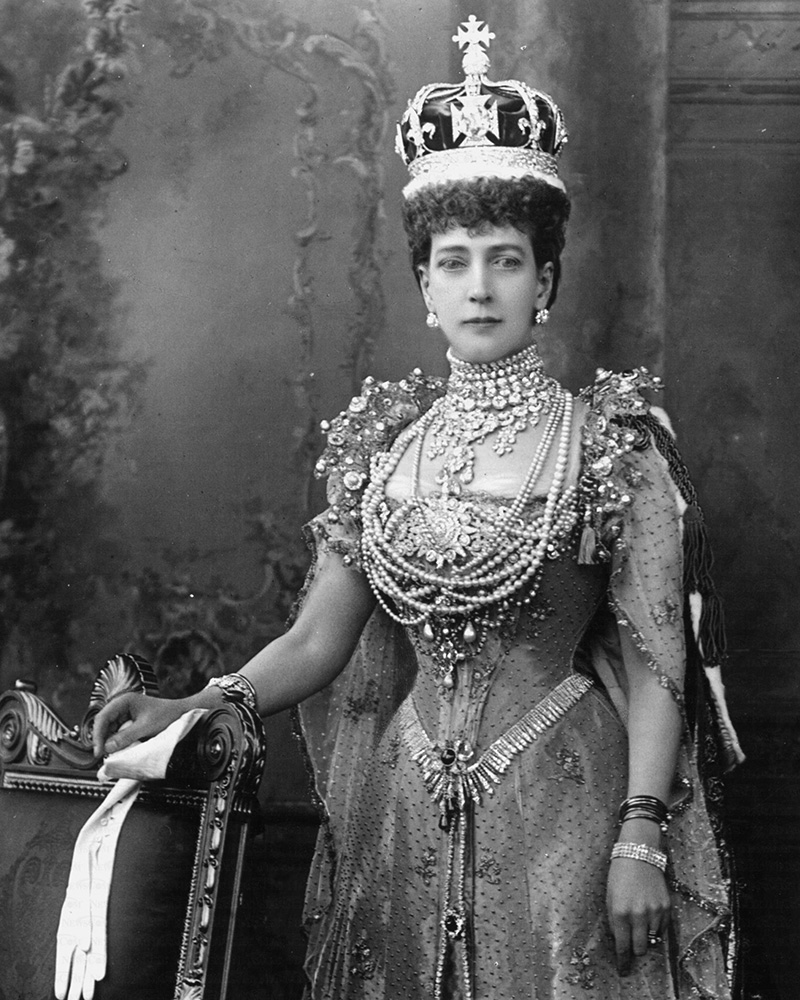
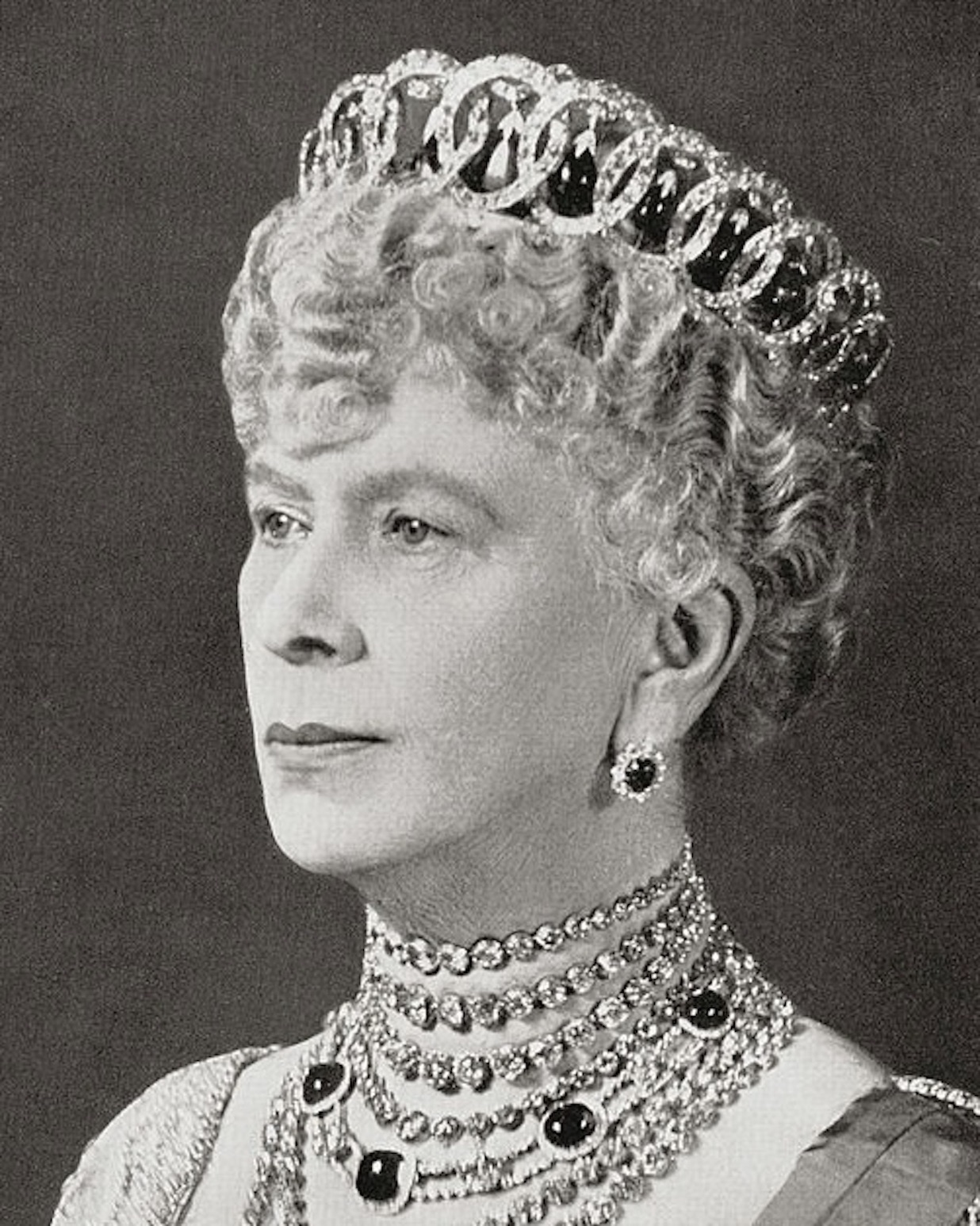
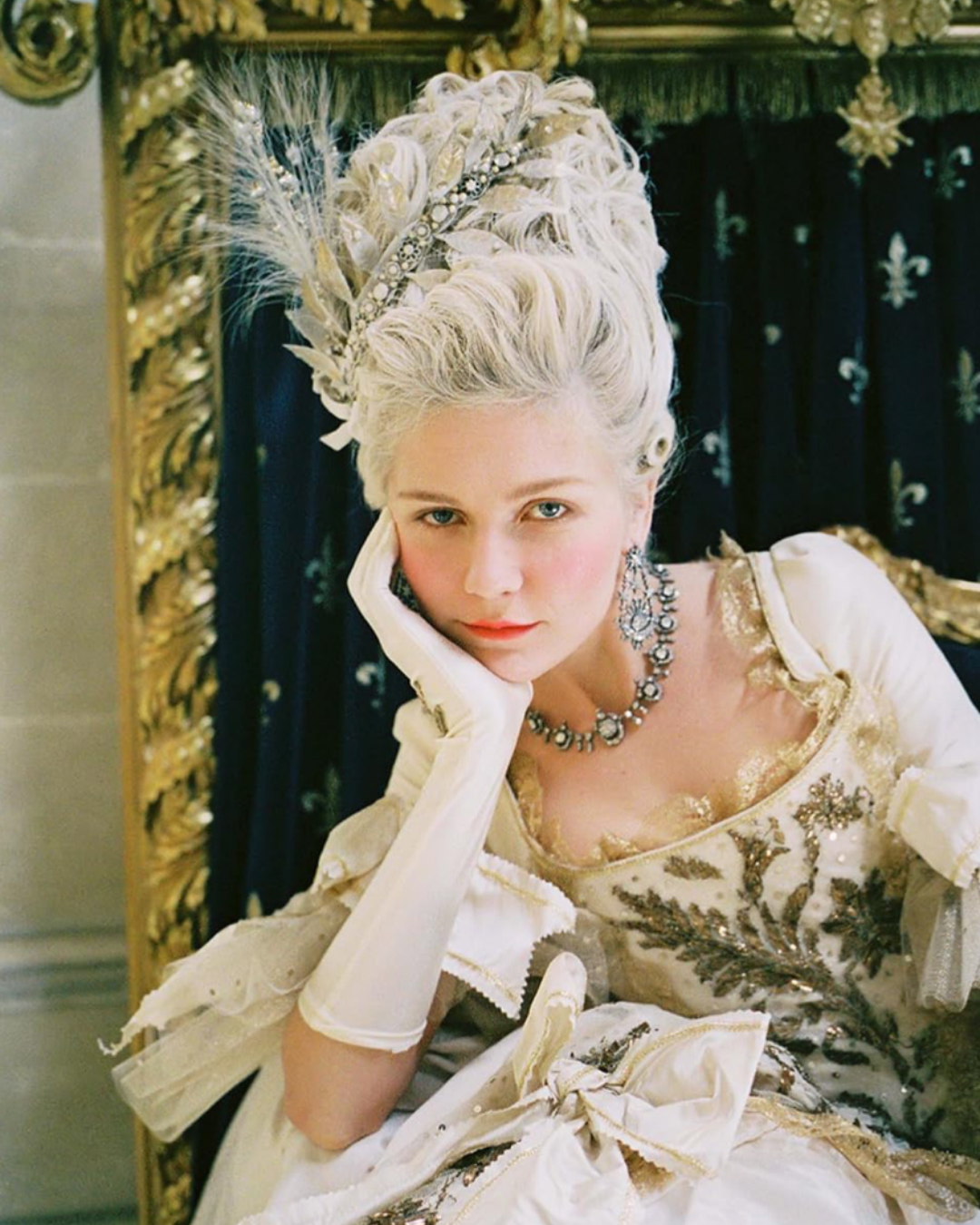
Justin Daughters, Managing Director of Berganza, explains that Belle Époque jewelry was shaped by a renewed fascination with the French courts of Louis XV and Louis XVI. Designers revived Rococo and Neoclassical motifs—bows, laurel wreaths, tassels, and lace-like details—to evoke aristocratic elegance. “This nostalgia gave the jewelry a sense of continuity with past courtly styles, even as society modernised rapidly,” he says.
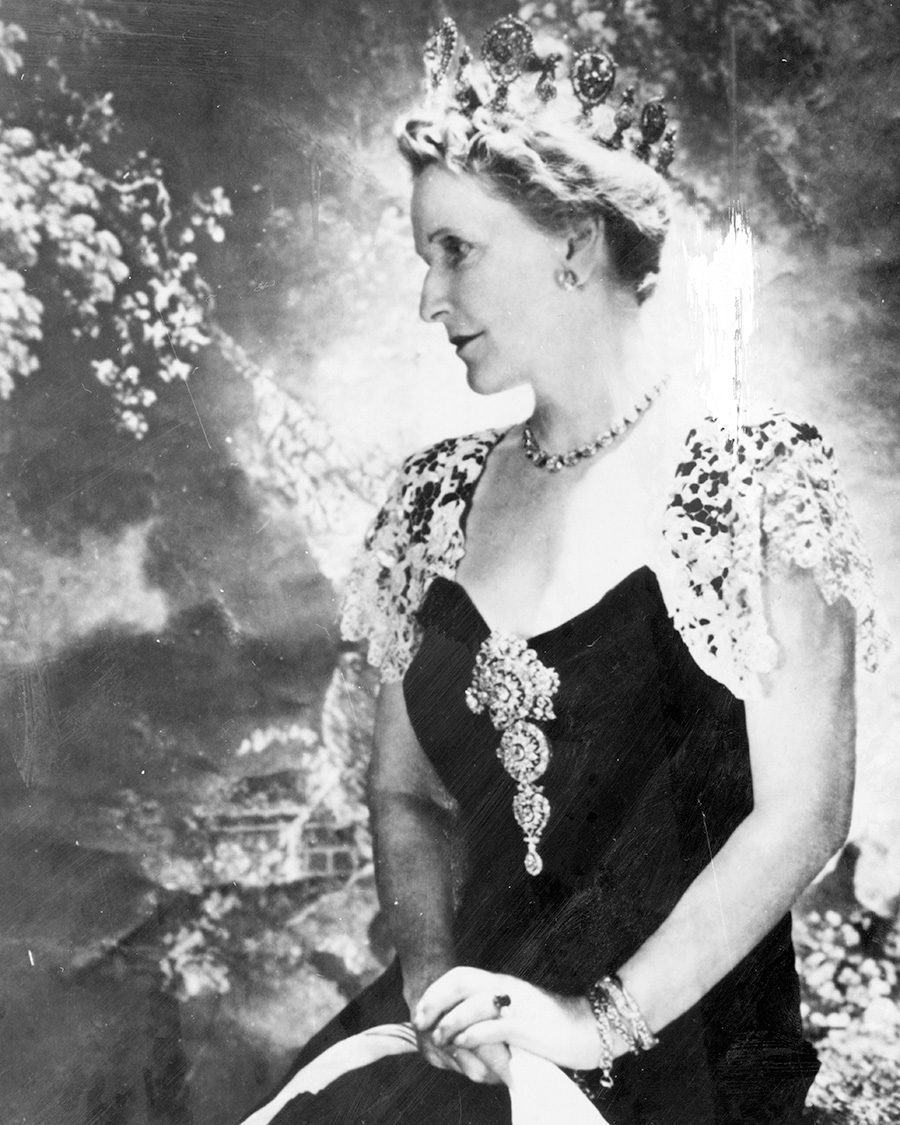
Royal tastemakers also helped define the era’s look. Gerrish notes that figures like Edward VII, Queen Alexandra, and later Queen Mary played an important role in popularizing the style. Alexandra, in particular, made ropes and strands of pearls fashionable, turning the luminous white-on-white pairing of pearls and diamonds into a marker of sophistication and social standing. Women of the period often changed outfits several times a day, she explains, which meant their jewelry needed to adapt accordingly. “Tiaras could be dismantled into necklaces, brooches, or hair ornaments, and stomacher brooches were not infrequently woven directly into elaborate coiffures.”
Defining Characteristics of Belle Époque Jewelry

Lightness is perhaps the most defining characteristic of Belle Époque jewelry. In contrast to the heavier, more solid forms of the Victorian period, these jewels appear almost weightless. Gerrish describes how the designs prioritize light over metal, with platinum structures receding into the background so diamonds and pearls can take center stage.
Despite their delicate construction, the overall effect was far from restrained. Women layered jewels with confidence, stacking rivière necklaces and draping multiple ropes of pearls. Alexandra herself helped popularize this abundant style, transforming white-on-white diamond and pearl combinations into a fashionable statement. “Even though the design was intricate and delicate, the overall display was boldly elegant,” Gerrish adds.

Designer Jelena Kulic similarly points to the open, luminous quality that distinguishes Belle Époque jewels. “There is more openwork, negative space, and overall brighter look (enabled by platinum and diamond-heavy palettes),” she explains, noting that late Victorian pieces often feel heavier and more materially present by comparison. Belle Époque designs lean into symmetry, garlands, ribbons, bows, and delicate festooning with a distinctly neoclassical French sensibility that reads as refined and radiant rather than somber.
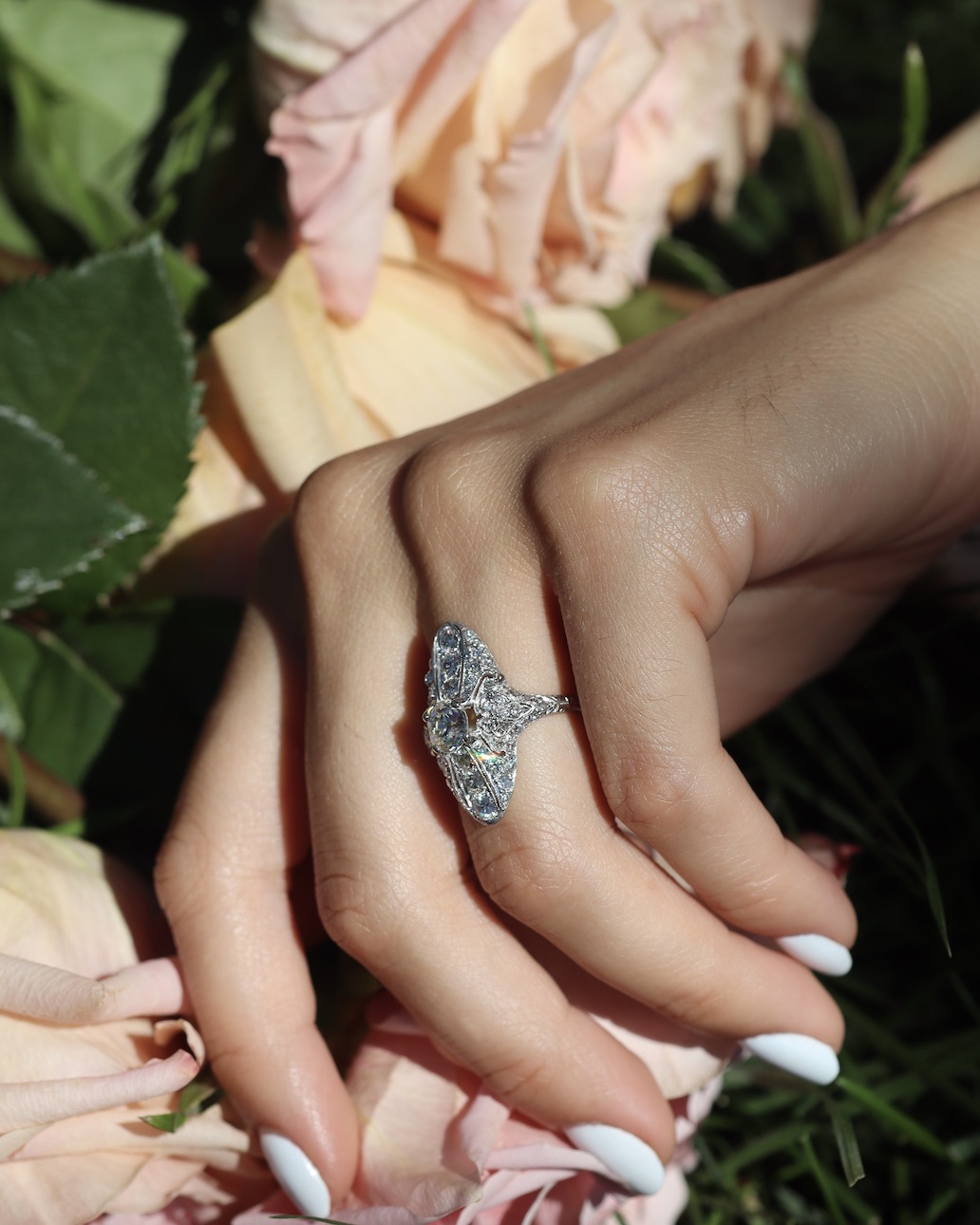
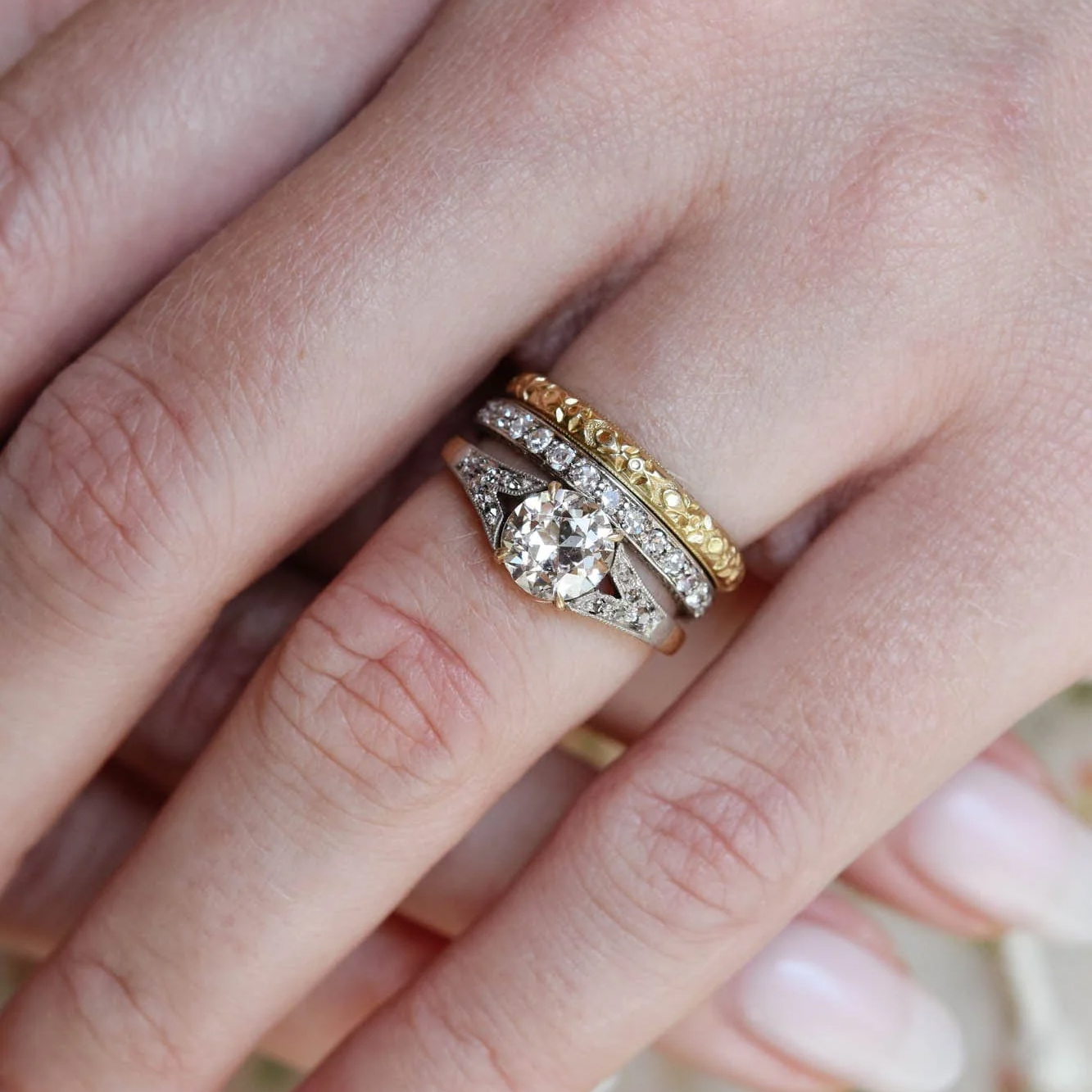
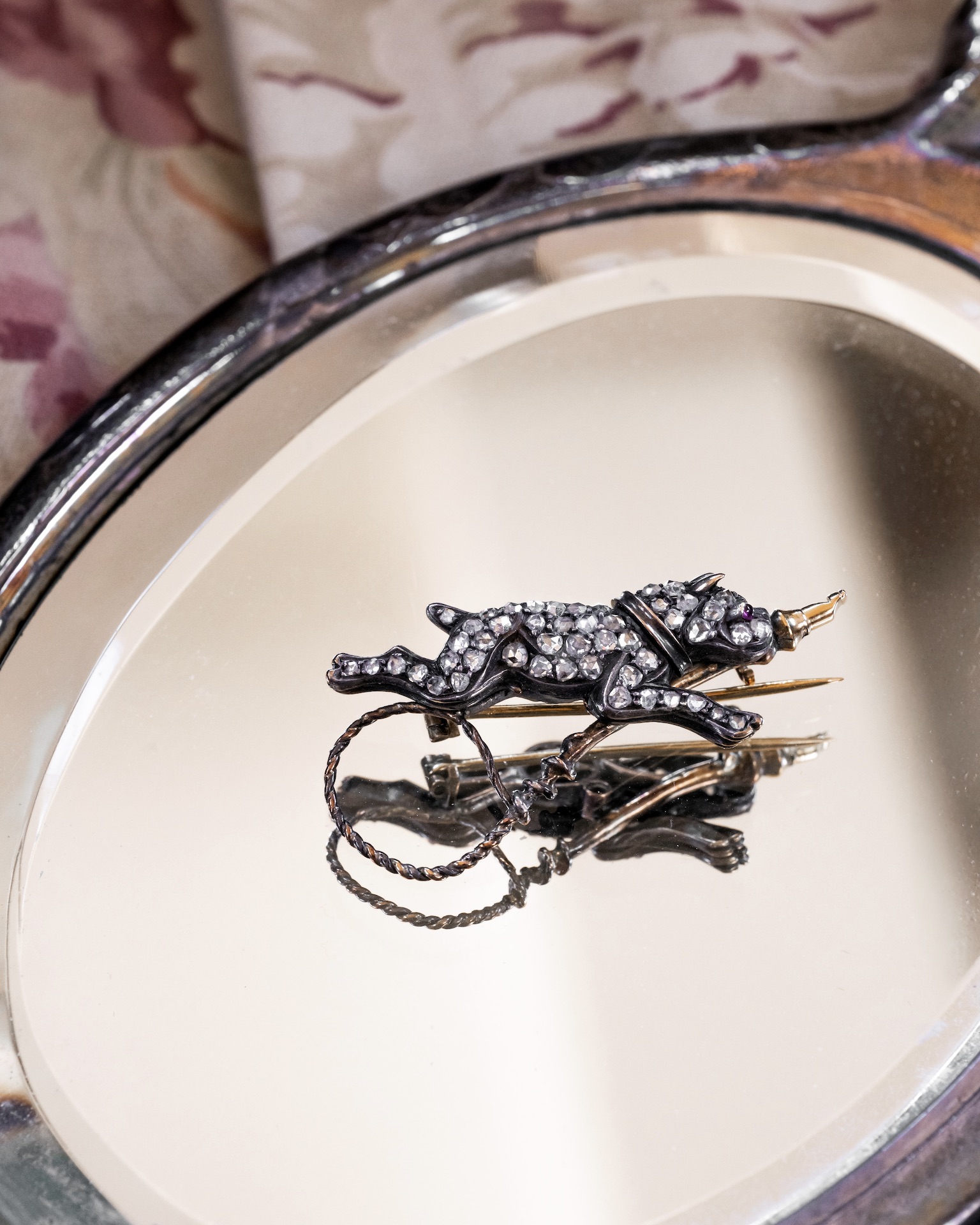
According to Daughters, three technical elements often signal a true Belle Époque jewel: the use of platinum, the presence of fine millegrain detailing, and the knife-edge setting, where the metal is so thin it becomes nearly invisible from the front. True to the era’s emphasis on craftsmanship, he notes, the back of the piece should be just as beautifully finished as the front.
Common Jewelry Styles of the Belle Époque
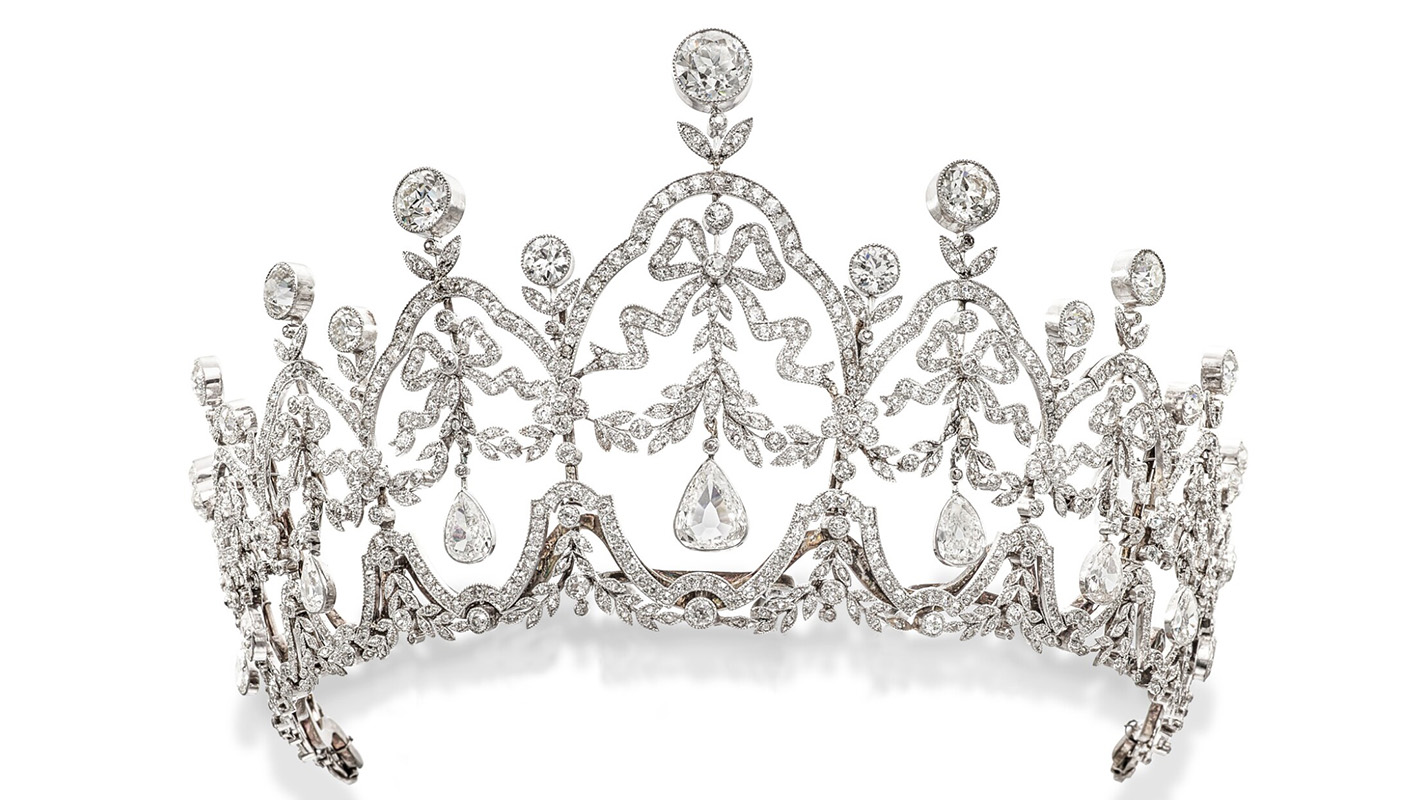
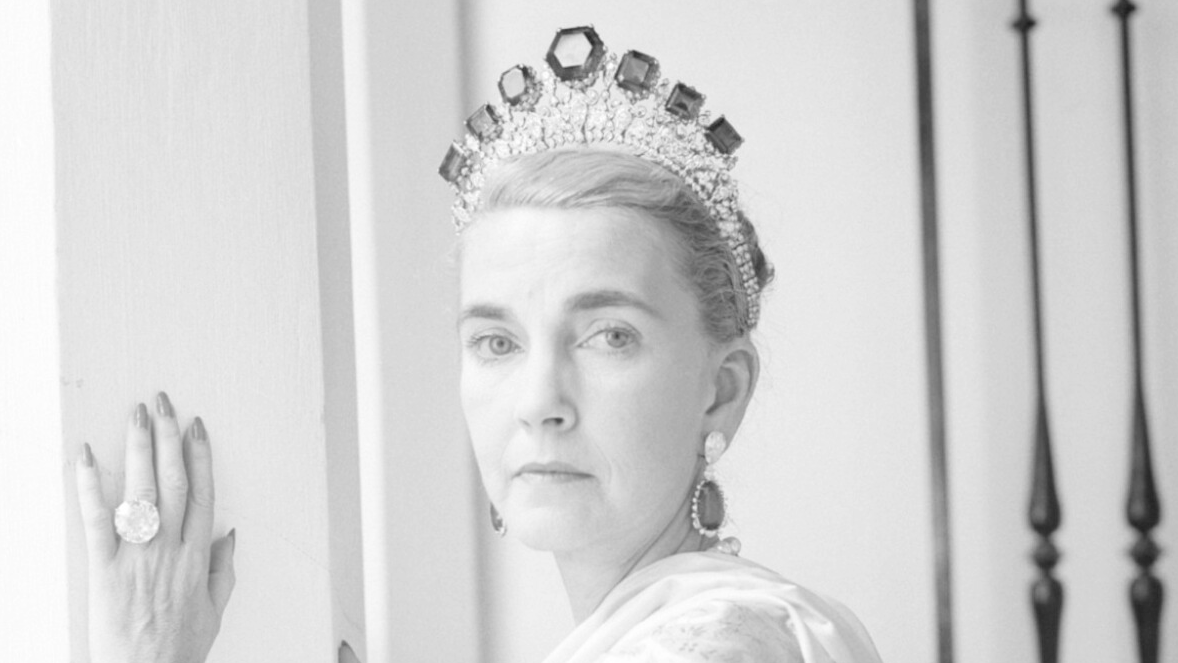
Many of the most recognizable Belle Époque designs appeared in the era’s signature jewelry forms. Garland-style tiaras were among the most coveted pieces, featuring delicate diamond swags, bows, and laurel motifs that seemed to float against the hair. Necklaces often took the form of rivière strands, set with graduated natural diamonds, or long, flexible sautoirs that could be layered or wrapped elegantly around the neck.
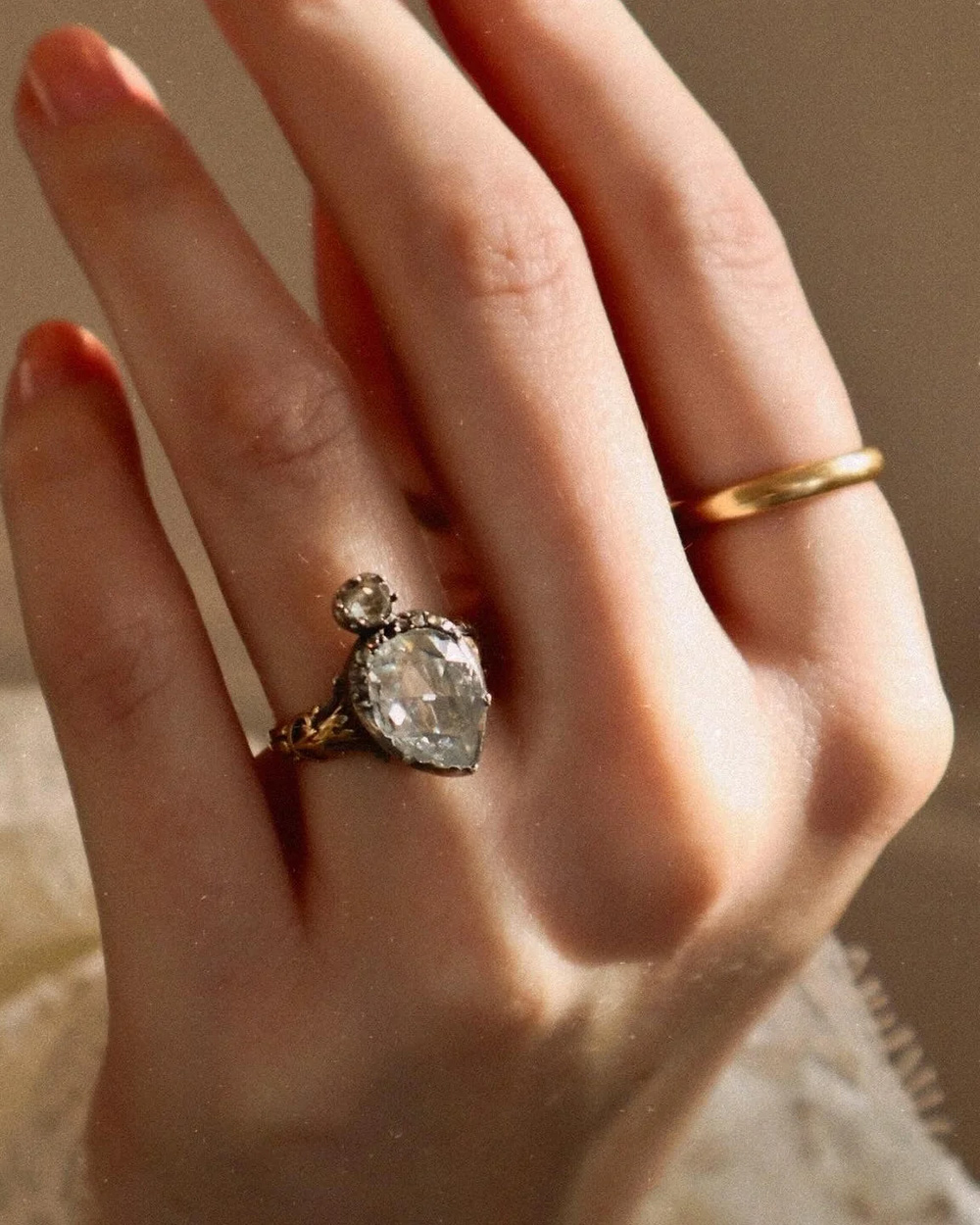
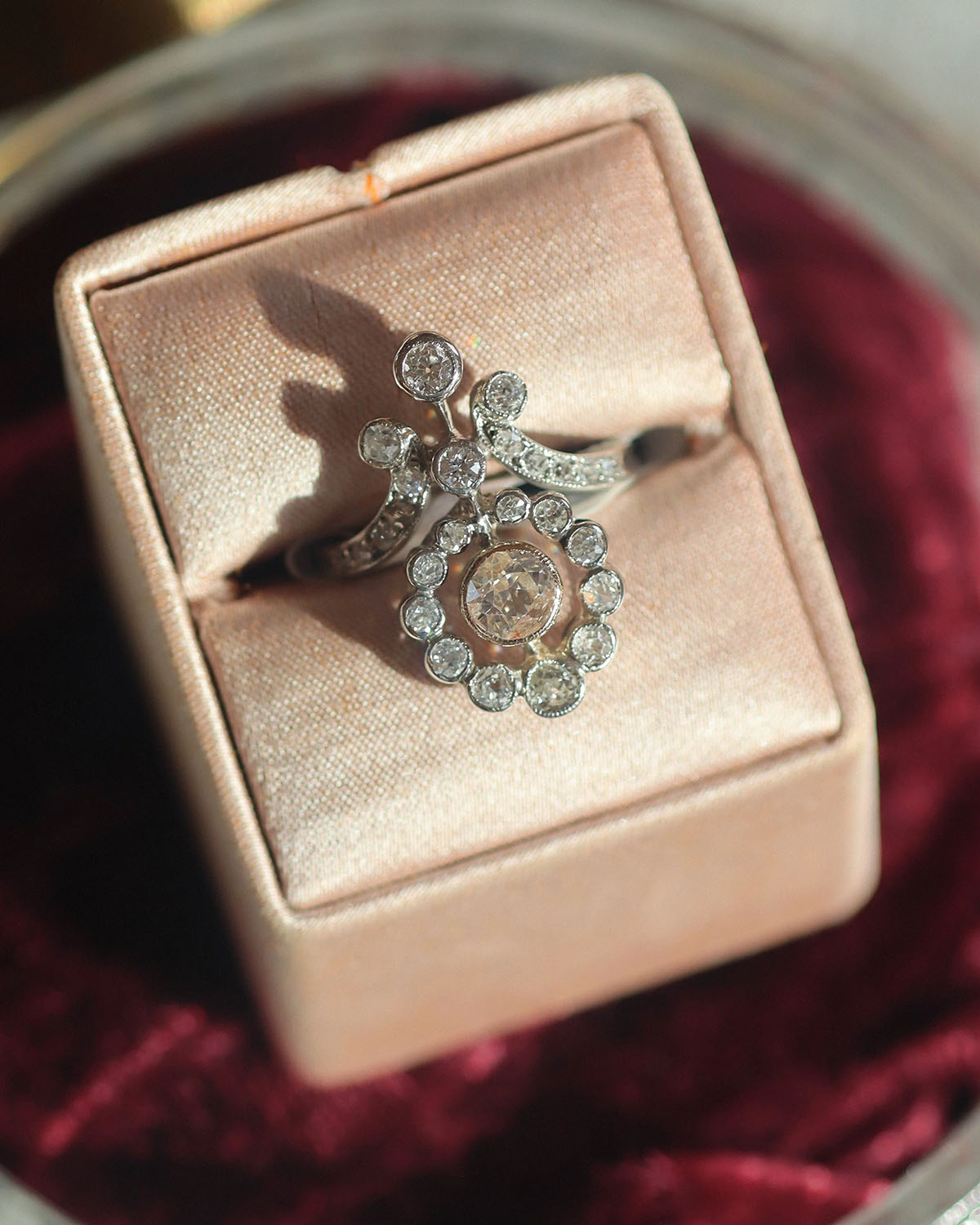
Earrings frequently featured trembling pendeloques, articulated diamond drops designed to shimmer with movement under candlelight. Rings of the period tended to showcase Old European-cut natural diamonds in refined platinum settings, often accented with smaller diamonds or delicate millegrain borders. Together, these pieces created a cohesive aesthetic where natural diamonds and platinum worked in harmony to produce the light, lace-like elegance that defined Belle Époque jewelry.
How Platinum Transformed Belle Époque Jewelry
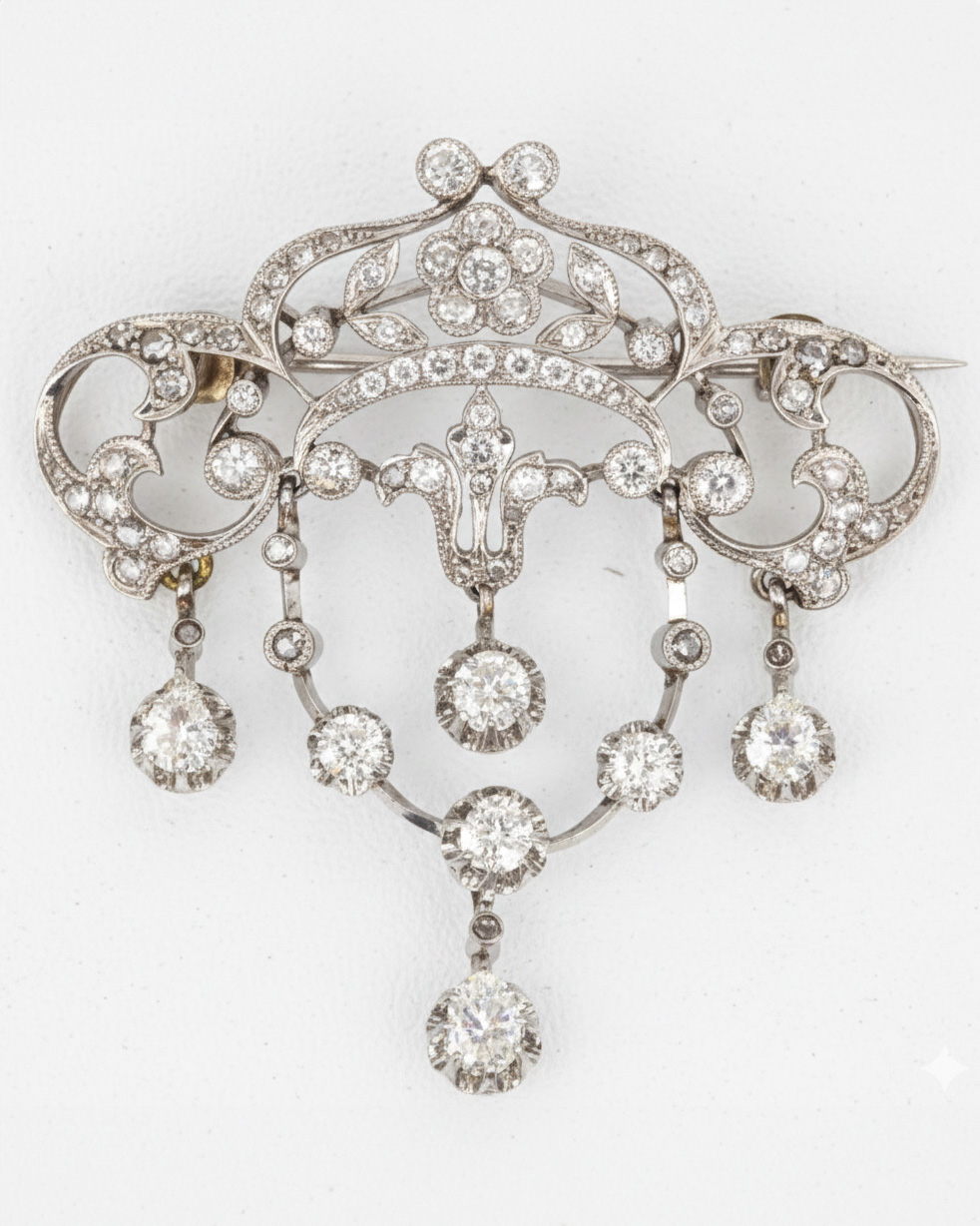
What truly set Belle Époque jewelry apart was the introduction of platinum. Stronger and more flexible than gold, the metal allowed jewelers to create lighter, more intricate settings that enhanced the brilliance of diamonds while using far less visible metal.
“The discovery of how to melt and work platinum at high temperatures was a technical breakthrough, but it was used in the service of an artistic refinement that has never been surpassed,” Daughters says. “It was the moment where the artisan’s skill perfectly met the metal’s potential.”
For centuries, European jewelry had been dominated by gold and silver, but platinum changed the possibilities of design entirely. Gerrish explains that its remarkable tensile strength allowed jewelers to draw the metal into extremely fine wires and shape delicate settings without compromising durability. “This remarkable strength enabled jewelers to use less metal,” she says. “Prongs almost disappear, wires become delicate, and frameworks appear almost skeletal, yet remain sturdy. What seems like lace is actually a testament to precise engineering.”
Kulic echoes this point, noting that platinum’s strength made thin prongs, delicate borders, and intricate openwork possible while still securely holding diamonds in place.
This technical innovation helped define the look of Belle Époque jewelry. Platinum made it possible to create the era’s signature lace-like garlands, bows, and swags, designs that appeared airy and fragile but were in fact structurally sophisticated. Gold would have easily deformed at such fine levels of craftsmanship, while silver would darken over time. Platinum offered a stable, luminous white metal that resisted tarnish and maintained its shape.

Industrial precision brought back a sense of nostalgic elegance. What looks fragile is actually the result of modern engineering at its finest.
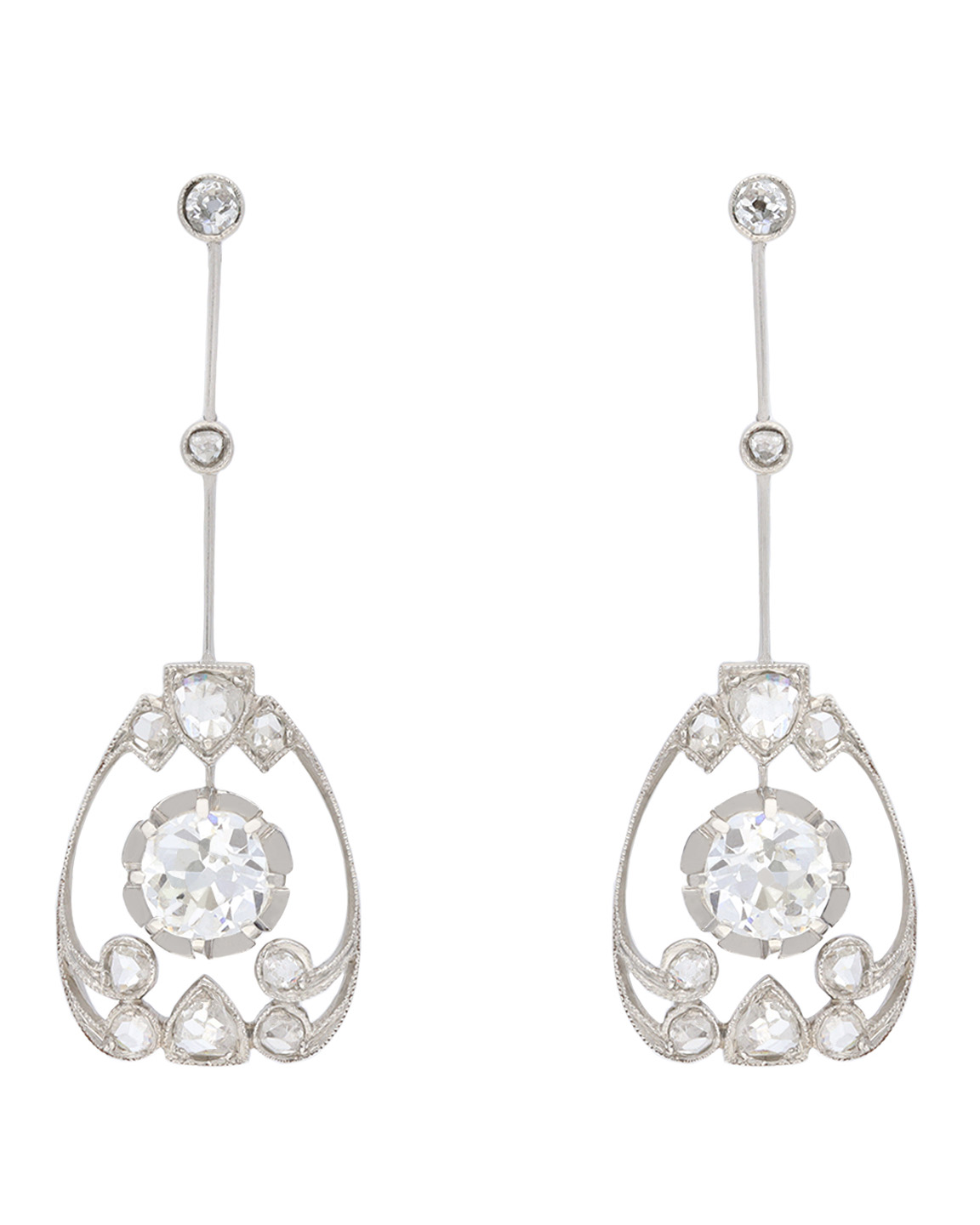
“Visually, this showcased the period’s elegant hierarchy of materials, diamonds and pearls displayed beautifully in white-on-white settings,” Gerrish explains. “But on a technical level, it truly marked a revolution. Openwork tiaras, articulated rivière necklaces, and trembling pendeloques all depend on the remarkable strength of platinum.”
She points to one of the era’s great paradoxes: cutting-edge metallurgy was used to recreate the delicate aesthetic of aristocratic 18th-century jewelry. “Industrial precision brought back a sense of nostalgic elegance. What looks fragile is actually the result of modern engineering at its finest.”
Daughters adds that another hallmark of the period is the use of millegrain, the tiny beaded detailing along the edges of the metal. “It softened the edges of the platinum, adding a texture that mimicked fine embroidery,” he says. “Combined with knife-edge wires, these techniques allowed for the creation of the iconic garland style.”
Diamond Cuts in Belle Époque Jewelry
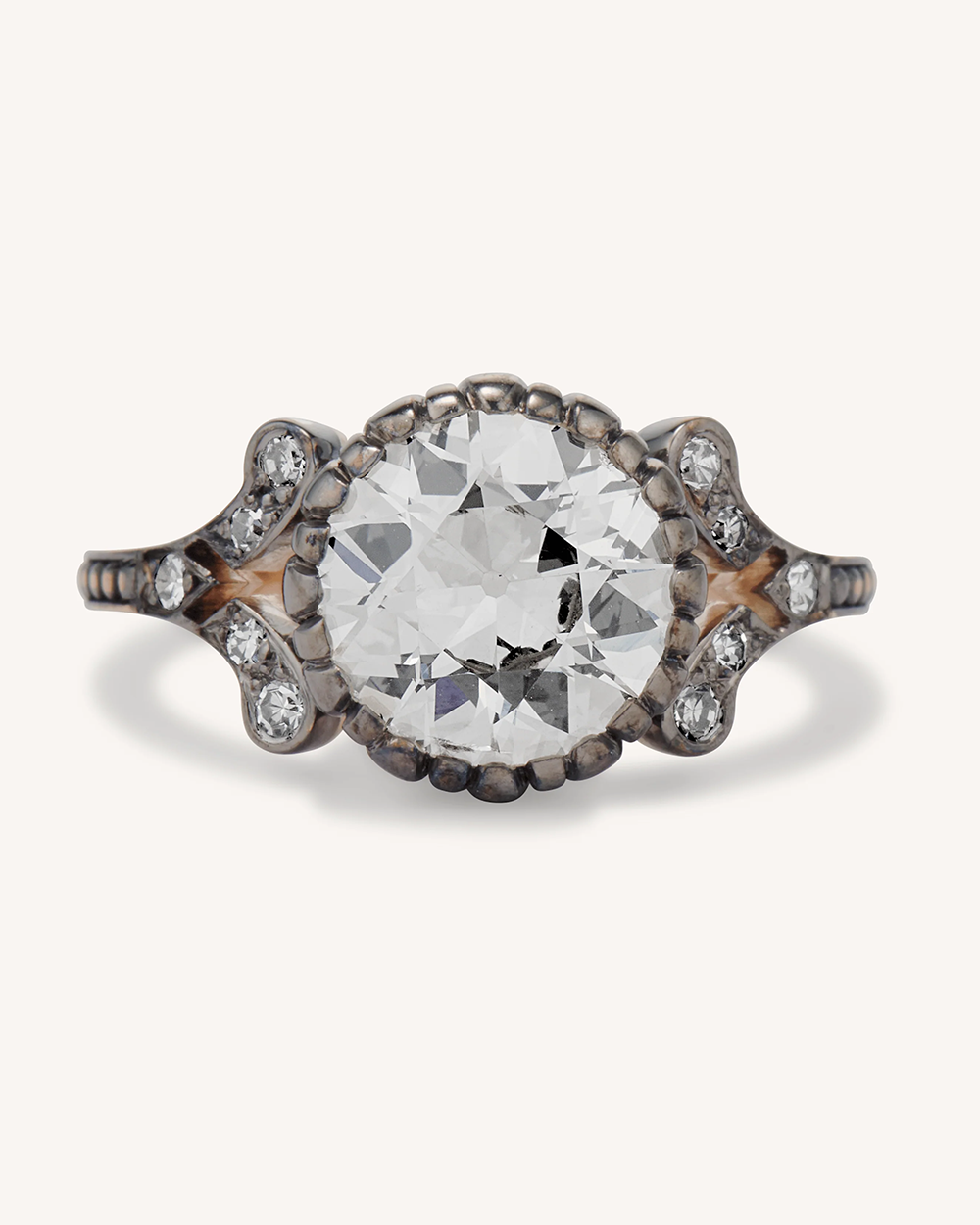
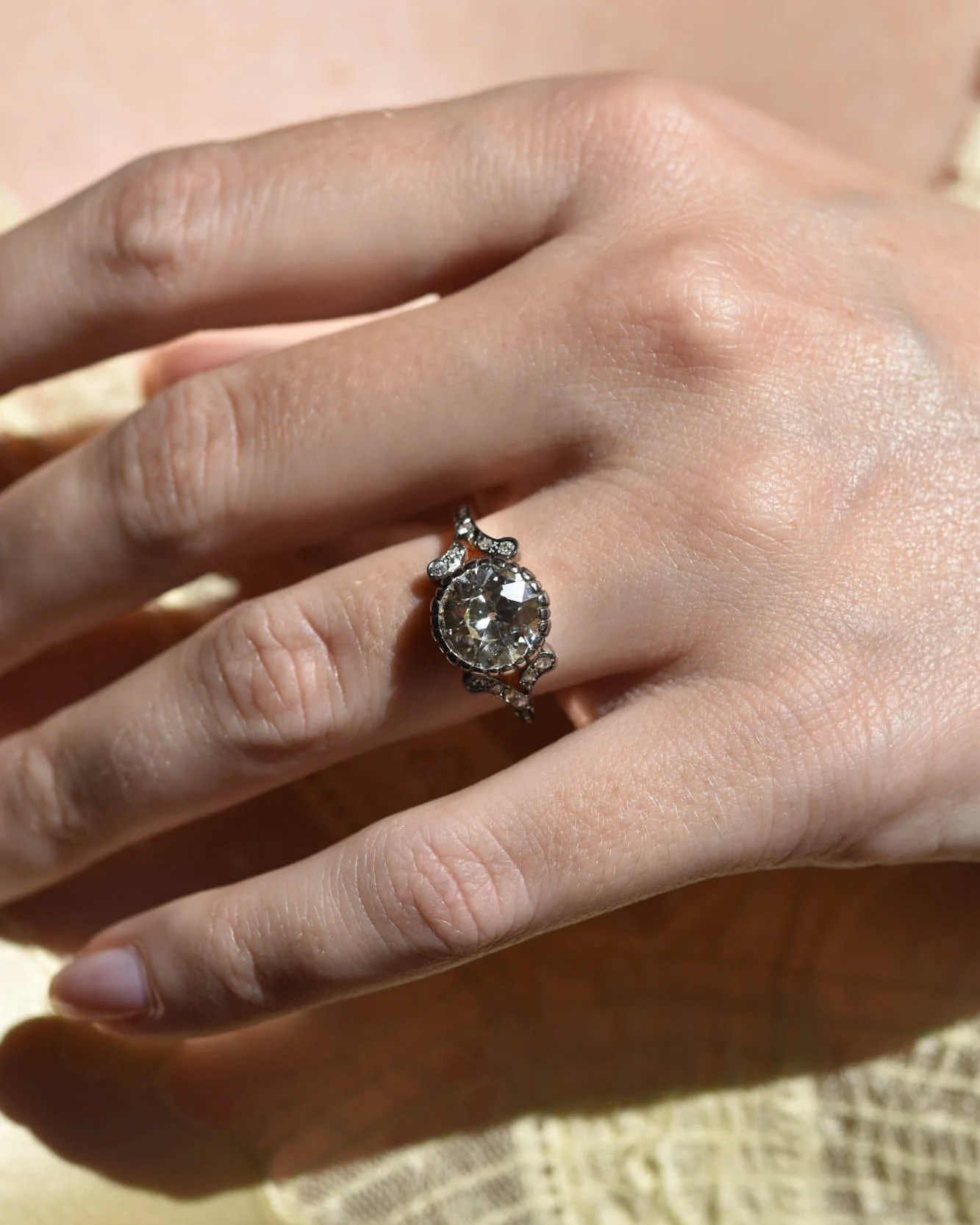
The Old European-cut was the defining diamond style of the Belle Époque. Its high crown, small table, and rounded outline produced a soft, luminous brilliance that complemented the delicate, lace-like metalwork of the period. Daughters explains that this cut was central to the Belle Époque aesthetic. “Its high crown, small table and round shape maximised brilliance in smaller stones, complementing the intricate, delicate designs typical of the period. These cuts allowed jewelers to achieve a sparkle and light dispersion that harmonised beautifully with the filigree and platinum frameworks.”
Lighting conditions of the era also shaped how these antique diamonds were cut and worn. Gerrish notes that many Belle Époque jewels were created during the transition from gaslight to early electric lighting, environments where softer flashes of light were especially flattering. Old European-cut diamonds, with their higher crowns and broader flashes, tend to glow rather than splinter into sharp sparks. Their brilliance appears warm and atmospheric, perfectly suited to evening salons and candlelit interiors. “Their design naturally includes movement: with articulated links, delicate trembling pendeloques, and flexible sautoirs,” she explains.
Kulic adds that Old European cuts contribute to the era’s distinctive visual softness. Instead of the sharp “pin-fire” scintillation associated with later brilliant cuts, these stones produce broader, slower flashes of light. “In Belle Époque jewels, that glow works beautifully with lace-like metalwork, giving a candlelit shimmer that feels continuous across a motif,” she says.
The American Heiress Influence on Belle Époque Jewelry
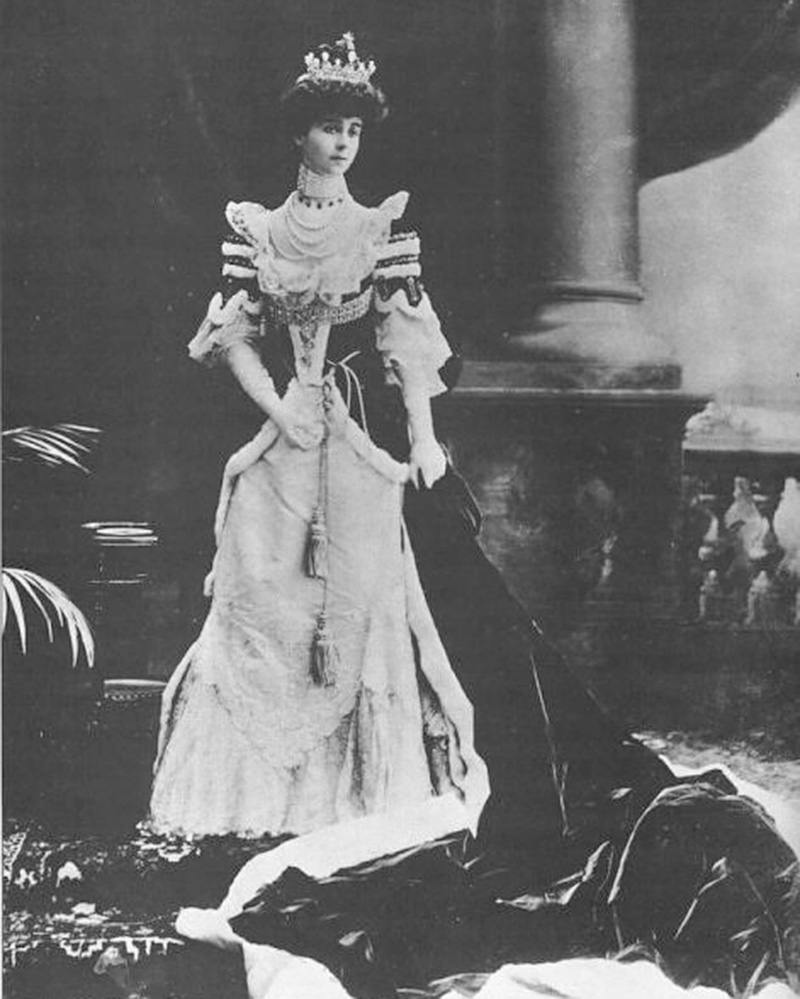
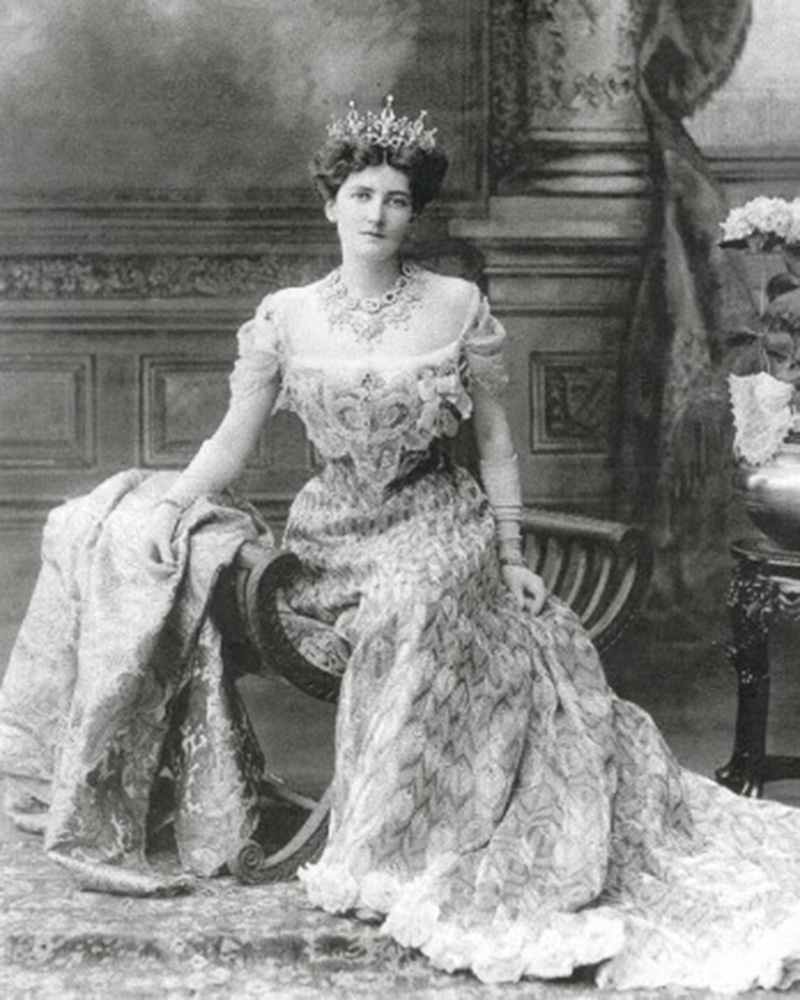
The Belle Époque was not only a moment of artistic innovation in jewelry, it was also shaped by powerful social forces. As immense fortunes were built during the late 19th century, particularly during America’s Gilded Age, newly wealthy industrial families, including the Astors and Vanderbilts, entered elite society and sought jewels that reflected their rising status.
Daughters says the clientele for high jewelry expanded dramatically during this period. “By the Belle Époque, the clientele expanded to include the ‘nouveaux riches’, the industrial titans and the ‘American Heiresses’ who brought a new scale and boldness to the market.”
For these new fortunes, jewelry served as more than an adornment. Gerrish explains that Belle Époque pieces often acted as visual shorthand for legitimacy and lineage within elite European society. “A garland tiara didn’t just sparkle; it conveyed a sense of lineage. It signified inheritance, even if it was newly created,” she says. “The style itself matched the material possibilities of the era.”
American heiresses played a particularly influential role in spreading the style across international society. Gerrish points to figures like Consuelo Vanderbilt, who became the Duchess of Marlborough in 1895, and Mary Leiter, later Lady Curzon, who married into historic European aristocratic families and brought their jewels into those circles. Others, such as Gertrude Vanderbilt Whitney, moved easily between American wealth and Parisian high society, commissioning pieces directly from leading French maisons.
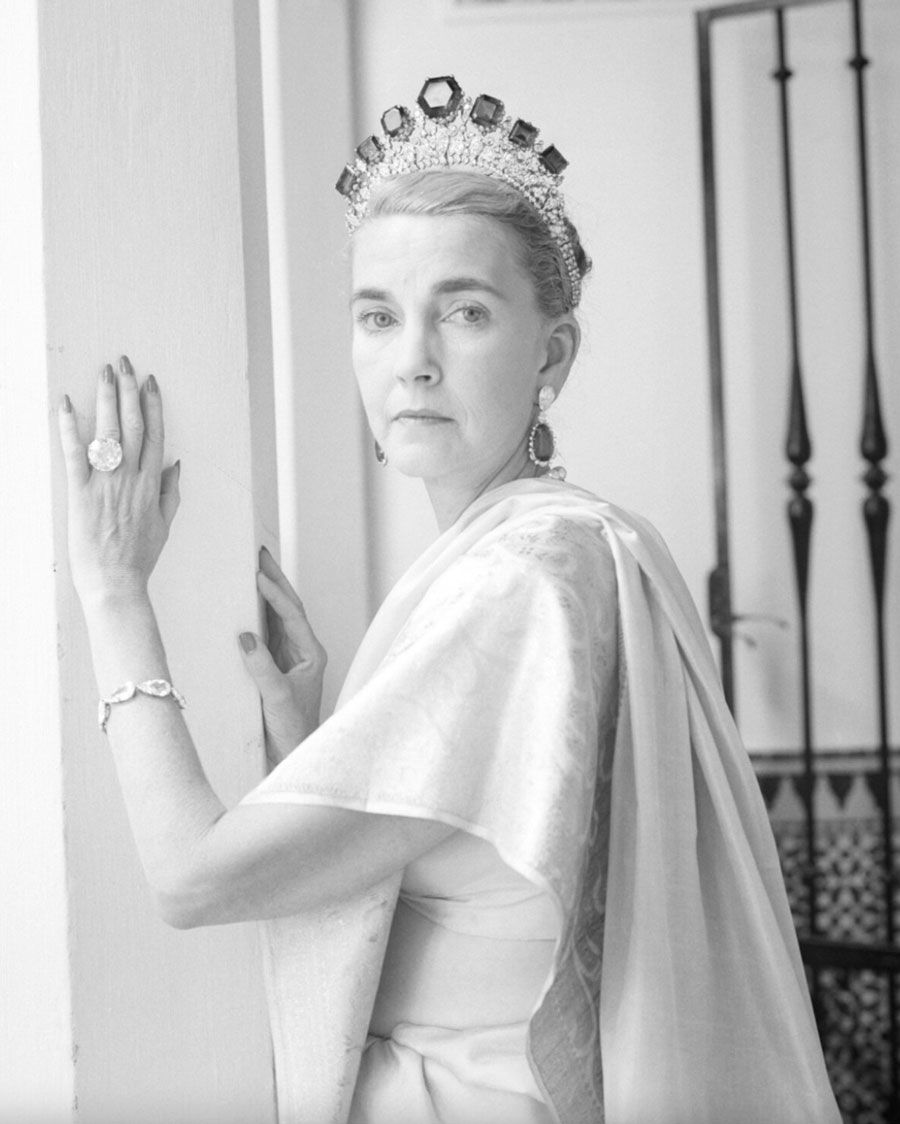
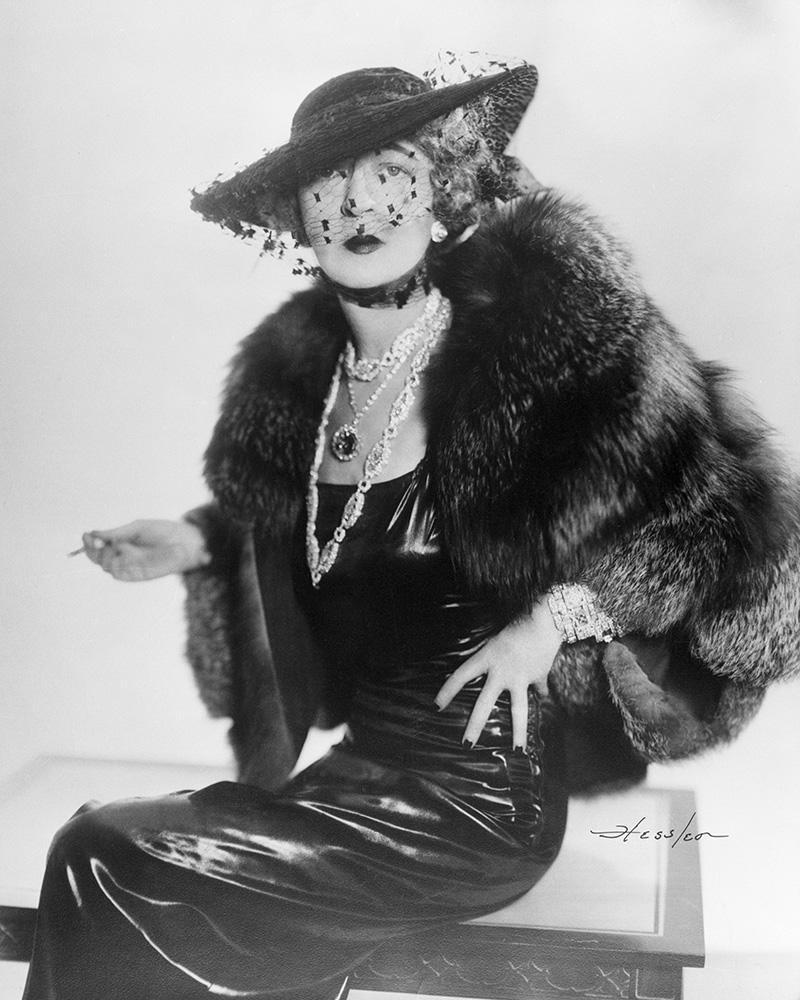
Later American collectors such as Barbara Hutton, Marjorie Merriweather Post, and Evalyn Walsh McLean would continue this tradition, assembling some of the most important jewelry collections of the 20th century.
“These women weren’t just purchasing jewels; they were seeking a mark of legitimacy,” Gerrish says. “In European aristocratic life, especially at court, there’s a lot of emphasis on visual language. Tiaras weren’t just accessories; they were a required part of coronations, presentations, and major state events. Corsage ornaments, rivière necklaces, and full parures became essential symbols of status. For an American bride stepping into this world, it was important to have jewels that could stand confidently alongside treasured, inherited pieces.”
How Cartier and Chaumet Defined Belle Époque Jewelry
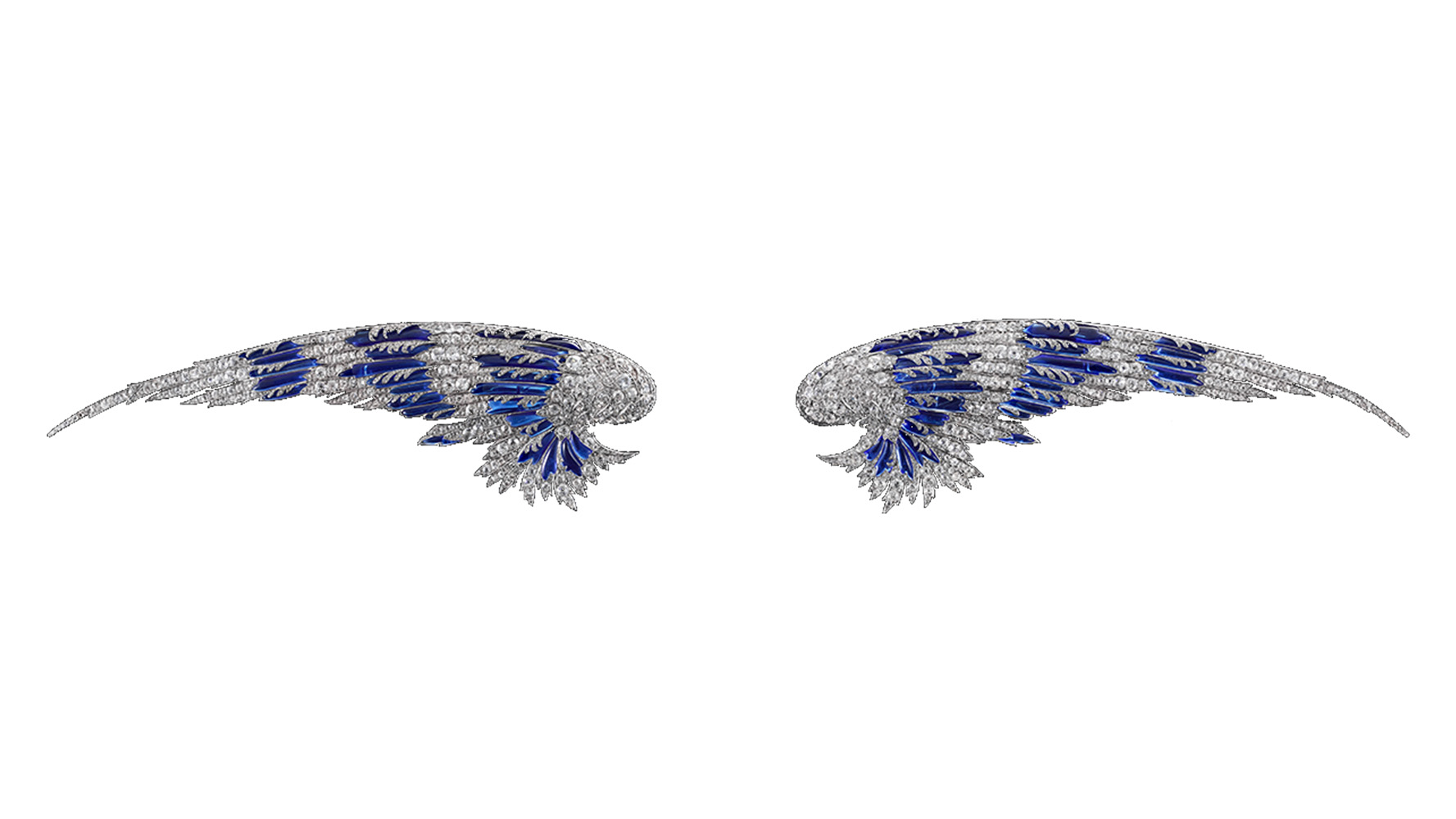
The great jewelry houses of Paris played just as important a role in shaping the Belle Époque as the wealthy patrons who commissioned their jewels. Designers at maisons like Cartier and Chaumet refined the era’s signature garland style, translating aristocratic 18th-century motifs into modern platinum and diamond masterpieces.
One striking example is Gertrude Vanderbilt Whitney’s 1910 commission from Chaumet, a platinum, diamond, and enamel wing tiara that Gerrish describes as a quintessential Belle Époque creation. For American heiresses navigating European aristocratic circles, such jewels carried powerful social meaning. “For an American heiress mingling in European aristocratic circles, such a piece was more than just jewelry; it was a vivid display of refined taste,” Gerrish says. “By selecting a Parisian house and a design influenced by French garland elegance, Whitney connected herself with the established sophistication of Europe.”
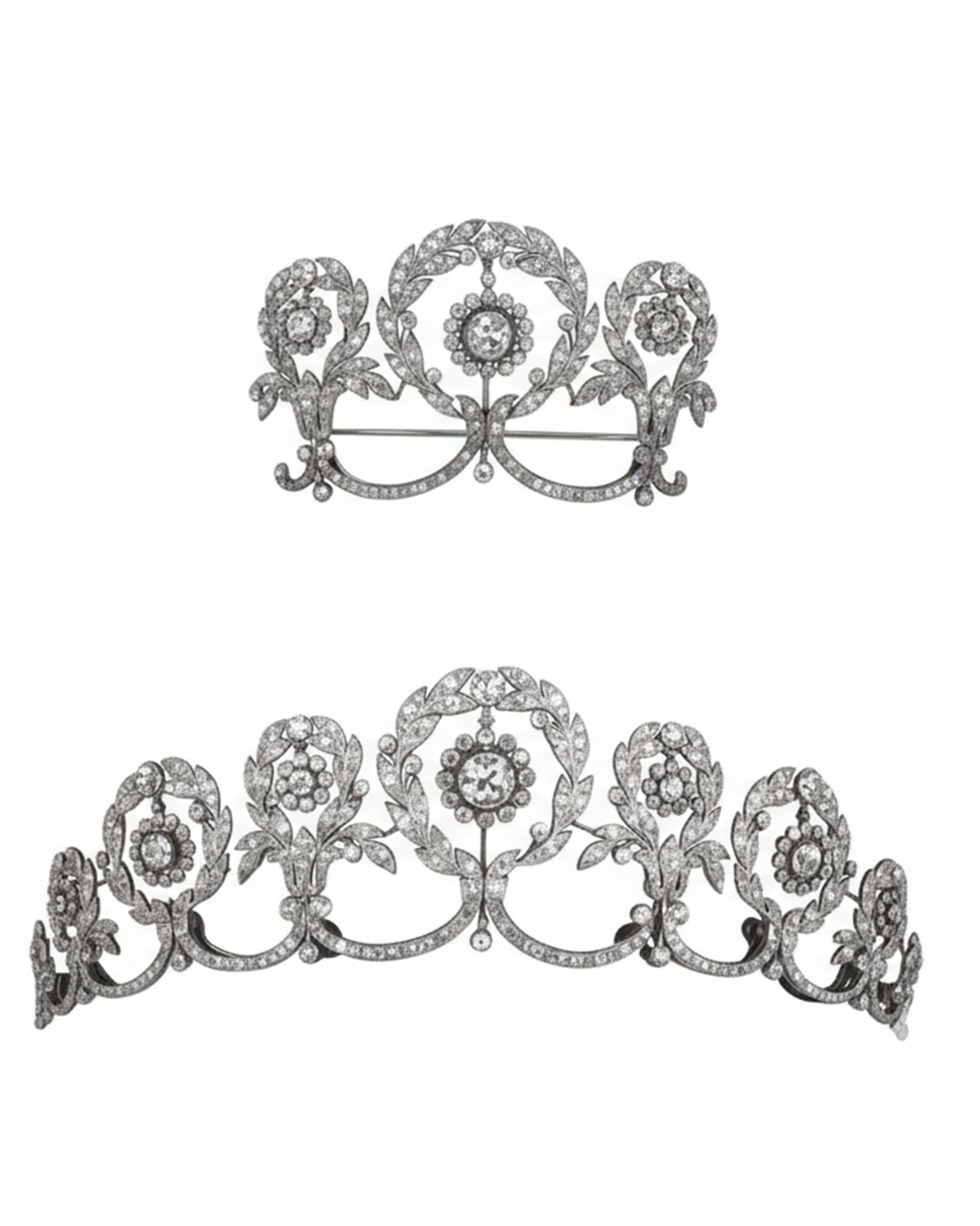
A similar dynamic can be seen in the 1908 Cartier garland tiara created for Ada Ismay, the wealthy British shipping heiress and wife of J. Bruce Ismay, chairman of the White Star Line. The design reflects Cartier’s mastery of platinum craftsmanship, with delicate diamond latticework inspired by 18th-century French ornament. “Cartier’s meticulous craftsmanship in platinum and the delicate diamond lattice design drew inspiration from eighteenth-century French motifs, yet it was created using some of the most advanced techniques of the time,” Gerrish explains. “For families just starting to make their mark, these tiaras offered something truly special: the appearance of inherited tradition combined with modern artistry.”
During this period, jewelry carried enormous social significance, and the leading maisons understood how to meet that demand. Under the leadership of Louis Cartier, the house recognized the growing appetite for tiaras and court jewels among newly wealthy international clients. Gerrish notes that historical records show a remarkable surge in tiara commissions around major coronations and court events, often from families whose fortunes were newly established, even if their titles were not.
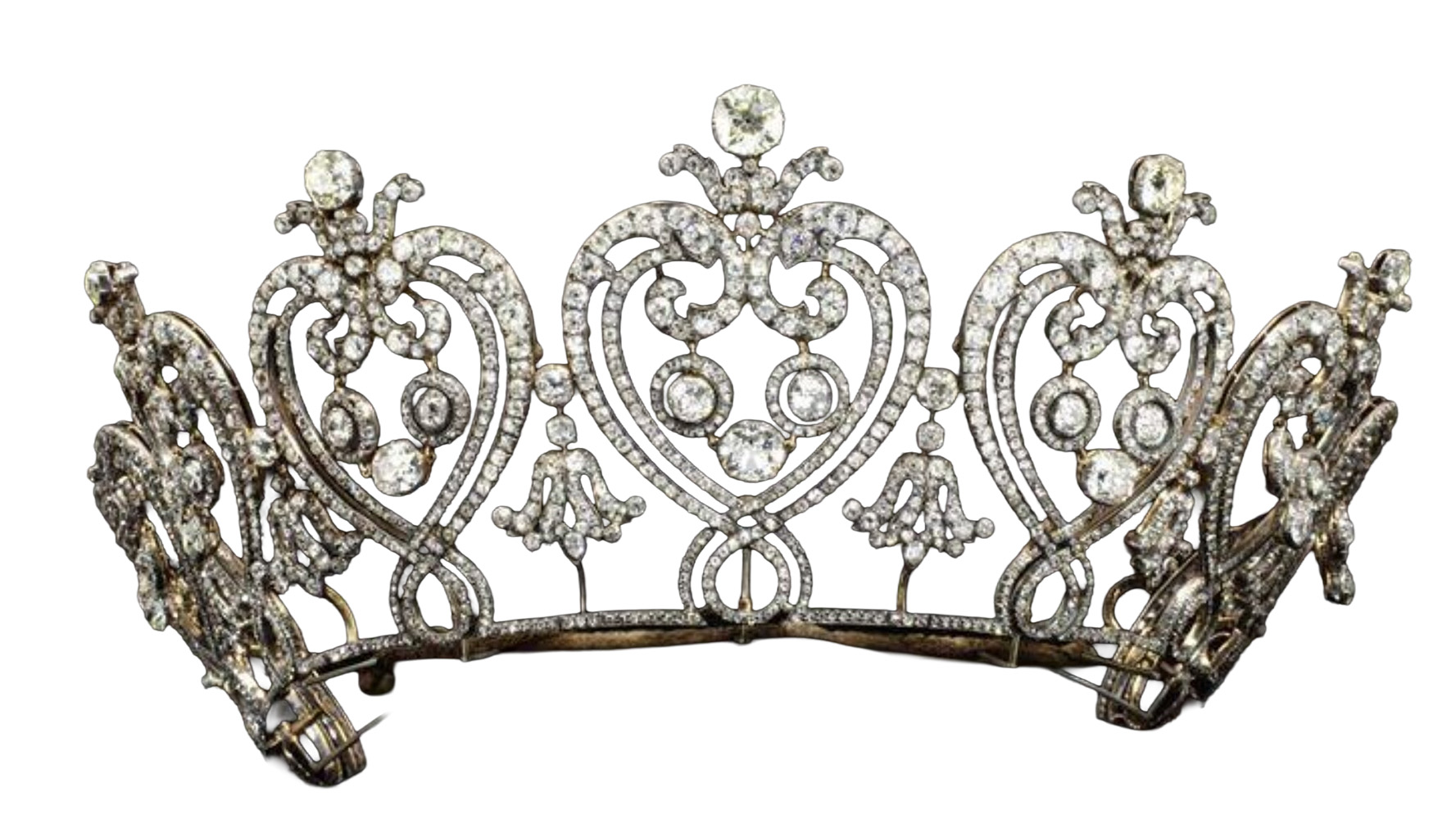
“Chaumet carried the weight of court tradition, while Cartier brought a fresh, international flair to jewelry design,” Gerrish says. “It was Cartier who perfected the Garland Style featuring elegant platinum frameworks drawn into bows, swags, laurel wreaths, and ribbon motifs inspired by eighteenth-century France.” She adds that the house focused on precision and restraint: delicate platinum structures, bead-set pavé diamonds, and lace-like settings that appeared almost weightless while remaining structurally exact.
As Cartier expanded internationally, opening branches in London in 1902 and New York in 1909, the maison helped bring Parisian elegance to the Anglo-American elite. In doing so, it cemented the Belle Époque aesthetic as the defining language of high jewelry for a new global clientele
The End of the Belle Époque and the Lasting Legacy of Its Jewelry
The outbreak of World War I brought an abrupt end to the Belle Époque. The glittering social world that had fueled the era’s extravagant jewels suddenly gave way to a far more restrained reality, where philanthropy and wartime support often took precedence over elaborate tiara collections.
Materials also played a role in the shift. Platinum, prized for its strength and flexibility, was redirected for military use during the war, limiting its availability for jewelry. At the same time, aesthetic tastes began to evolve. The delicate garlands and lace-like forms of Belle Époque jewels gradually gave way to the bold geometry and streamlined modernism that would define the Art Deco movement.
Yet while the style itself faded, the era’s innovations left a lasting imprint on the world of natural diamonds. Advances in platinum craftsmanship allowed diamonds to be set with unprecedented lightness, while Old European-cut stones revealed a softer, more atmospheric brilliance suited to the candlelit salons and ballrooms of the time. These developments helped establish natural diamonds as the centerpiece of high jewelry design.
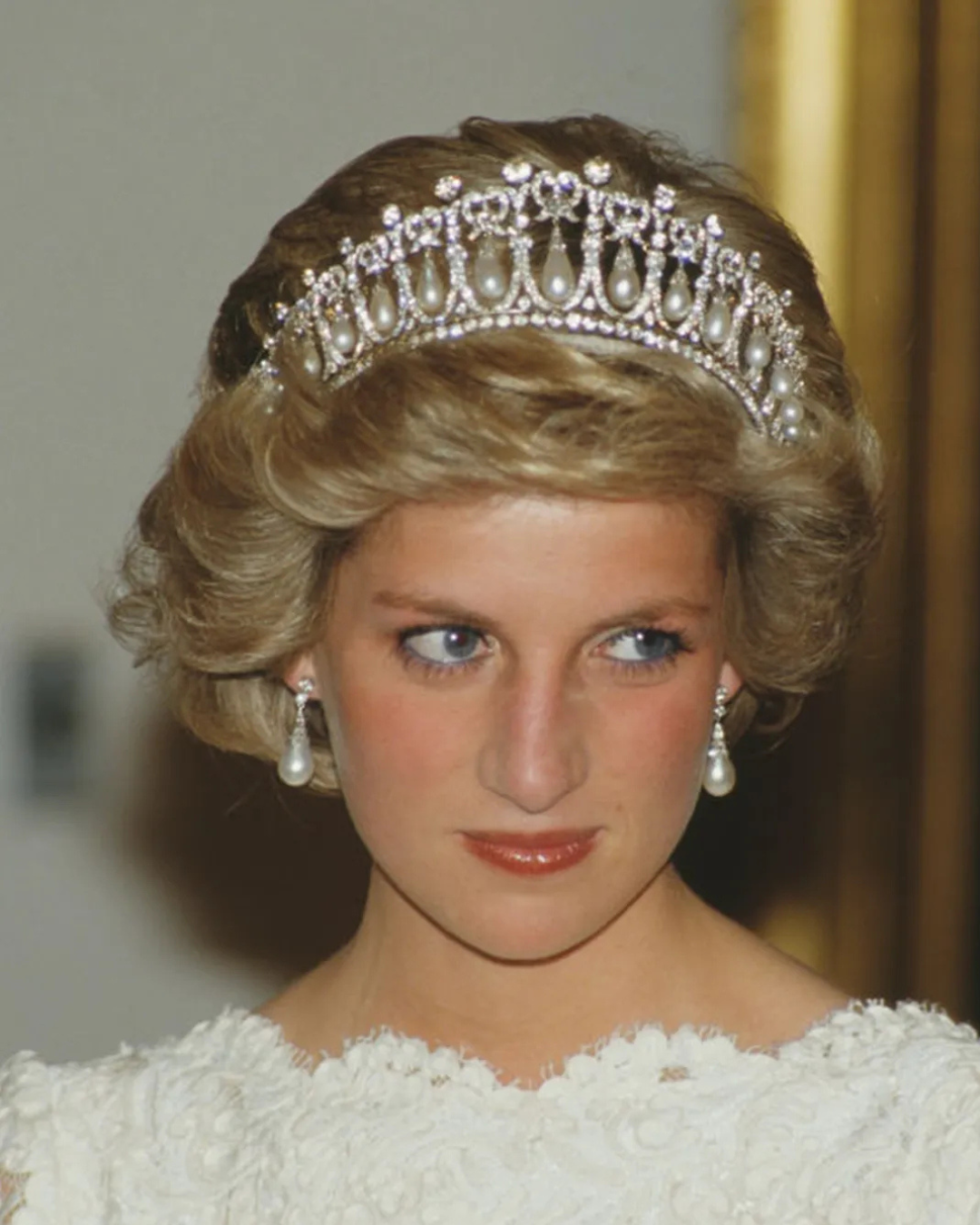
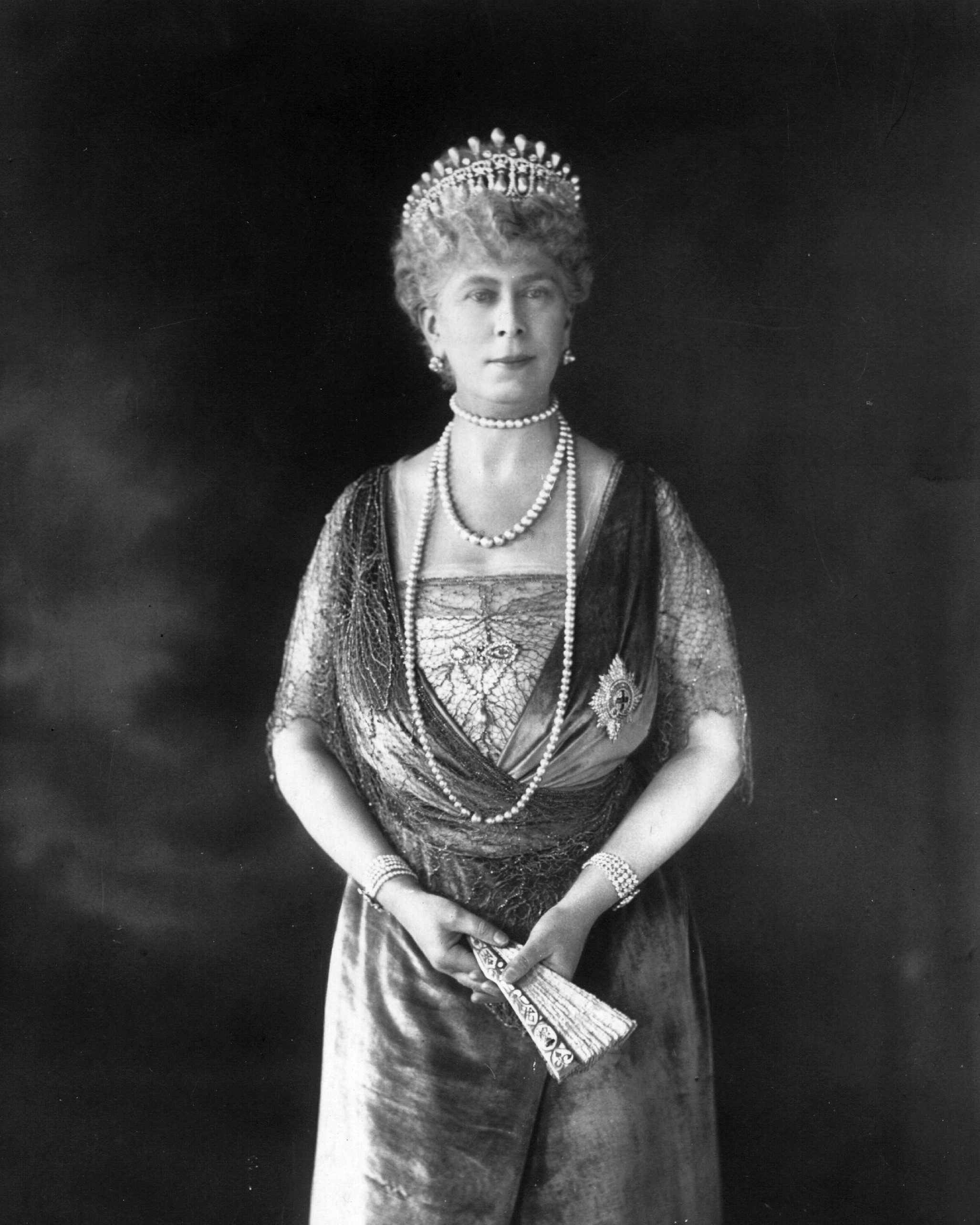
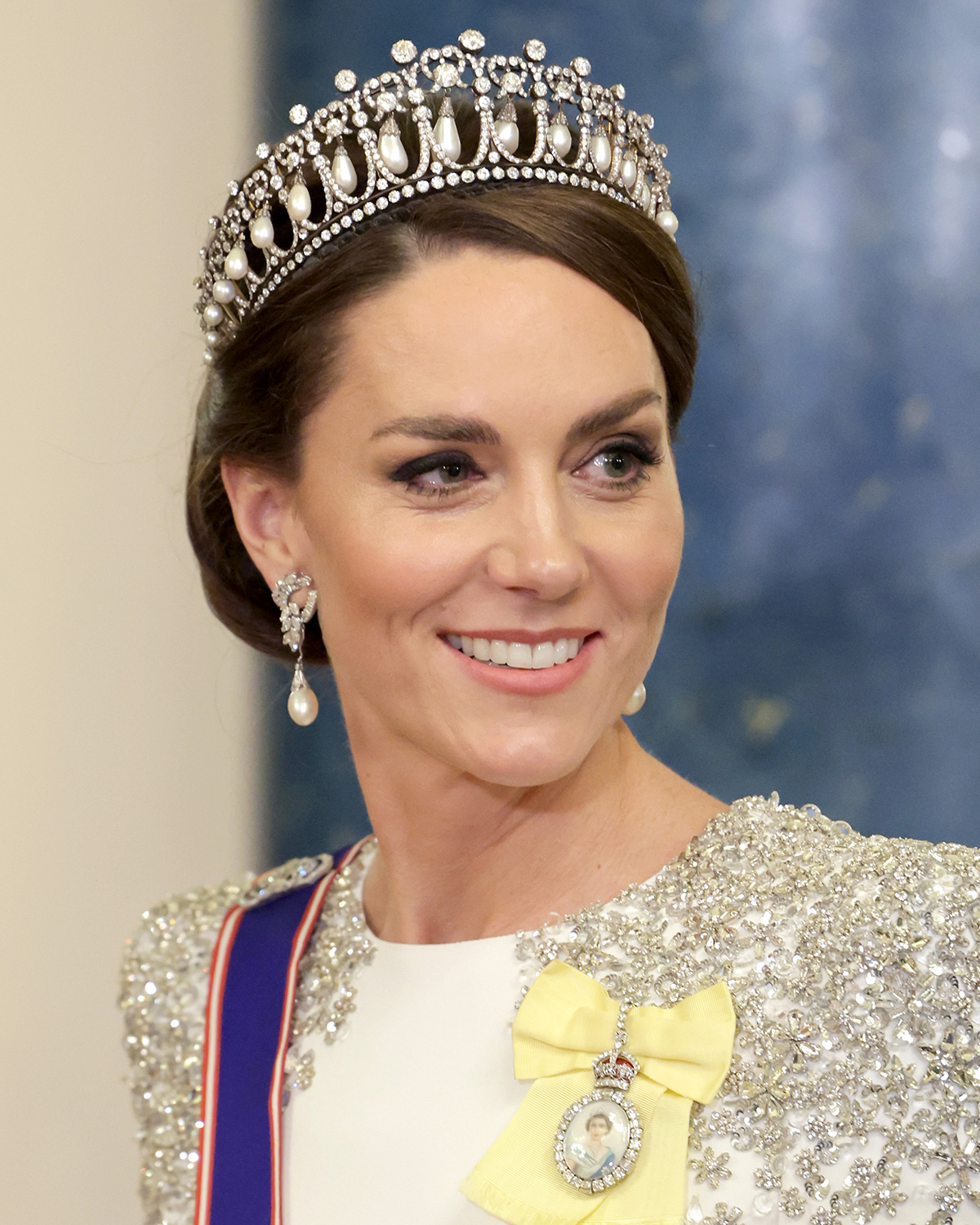
The legacy of the Belle Époque is also preserved within royal collections. The Cambridge Lover’s Knot Tiara, commissioned by Queen Mary in 1913 and later worn by Princess Diana and Catherine, Princess of Wales, embodies the Belle Époque’s signature elegance with its diamond arches and swinging pearls. More than a century later, jewels like this demonstrate how the delicate artistry of the Belle Époque continues to shape the visual language of royal and high jewelry alike.
The Belle Époque may have ended with the war, but its influence endures. The era proved that with the right combination of craftsmanship and technology, natural diamonds could be set with extraordinary lightness and precision—an aesthetic that continues to inspire fine jewelry designers today.