
Read More
The Beau Sancy: The Diamond That Impacted Nearly Every Royal Dynasty in Europe
Discovered in India, worn at a French coronation, pawned to fund a royal restoration, seized in a Prussian palace, and hidden in a bricked-up crypt to survive World War II, the Beau Sancy Diamond has lived more lives than maybe any stone in history.

A model holds the Beau Sancy diamond during a Sotheby’s auction press preview on May 10, 2012, in Geneva. (Getty Images)
There is a particular kind of diamond story that goes beyond beauty and even beyond rarity, one where the stone itself becomes a thread running through the fabric of history, connecting monarchs, wars, exile, and revolution across centuries. The Beau Sancy Diamond has exactly that kind of story.
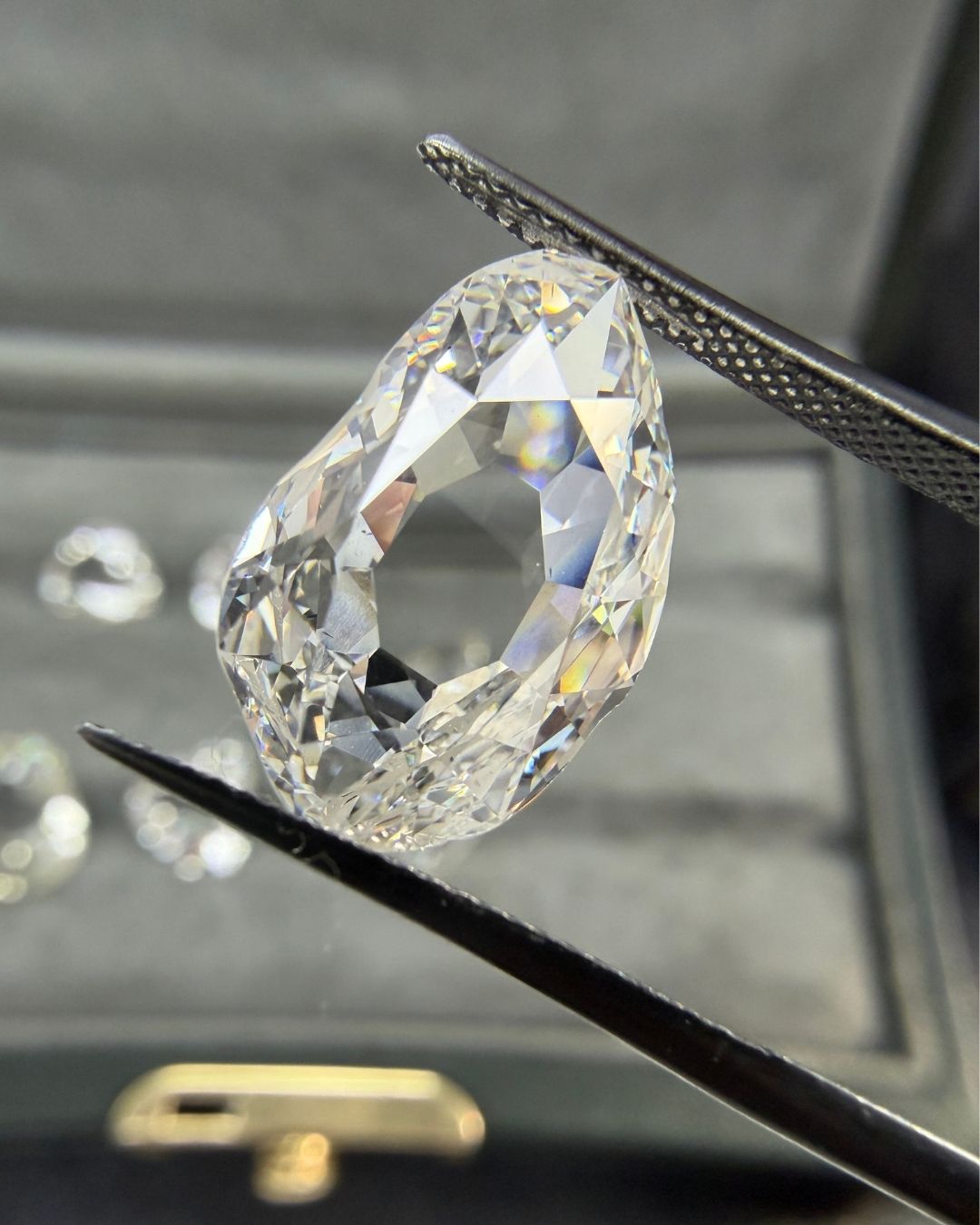
At 34.98 carats, cut in a modified pear double rose-cut shape, and mined in the legendary Golconda region of India, the Beau Sancy is not the largest or most famous diamond in the world. But few stones have touched as many royal hands, survived as many political upheavals, or carried as much accumulated meaning as this quietly extraordinary gem.
Meet the Expert

- Grant Mobley is the Jewelry & Watch Editor of Only Natural Diamonds.
- He is a GIA Diamonds Graduate.
- He has over 17 years of jewelry industry experience, starting with growing up in his family’s retail jewelry stores.
Two Diamonds, One Name: The Sancy Diamond and The Beau Sancy Diamond
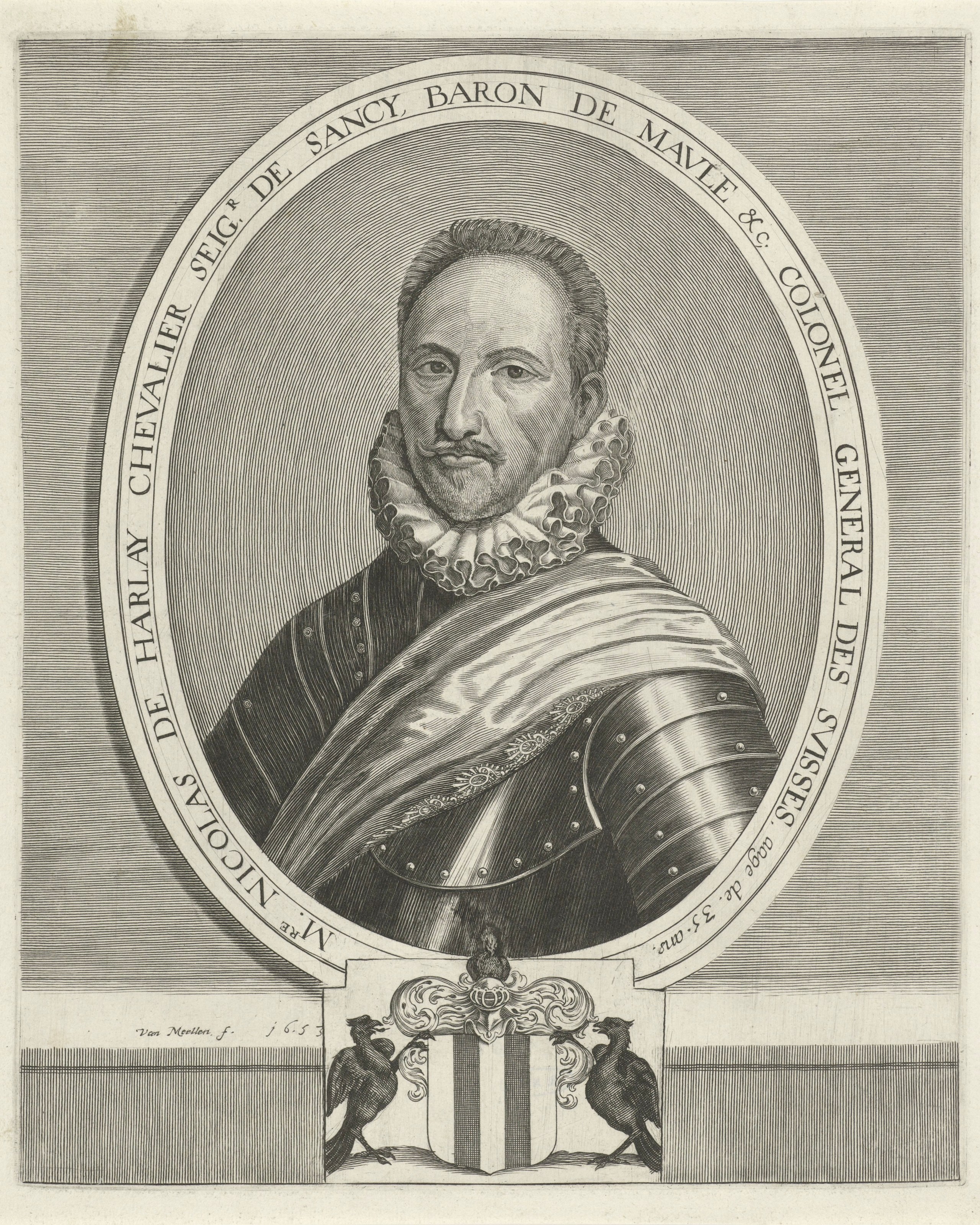
To understand the Beau Sancy, you first need to understand its sibling and the man who gave both diamonds their names. Nicolas de Harlay, seigneur de Sancy, was a French diplomat who most likely acquired two remarkable Indian diamonds while stationed in Constantinople in the late 16th century. When de Sancy faced financial difficulties attempting to raise an army for King Henry III of France, he put his jewels up for sale around 1589.
Both diamonds took his name from that transaction. The larger weighs approximately 55 carats; the smaller, approximately 35. History remembers them as the Sancy and the Beau Sancy, with the latter sometimes called the Little Sancy to distinguish the two siblings. That sale set off a chain of events that would send the two diamonds in completely different directions for the next four centuries.
The Beau Sancy Diamond in Marie de’ Medici’s Coronation Crown
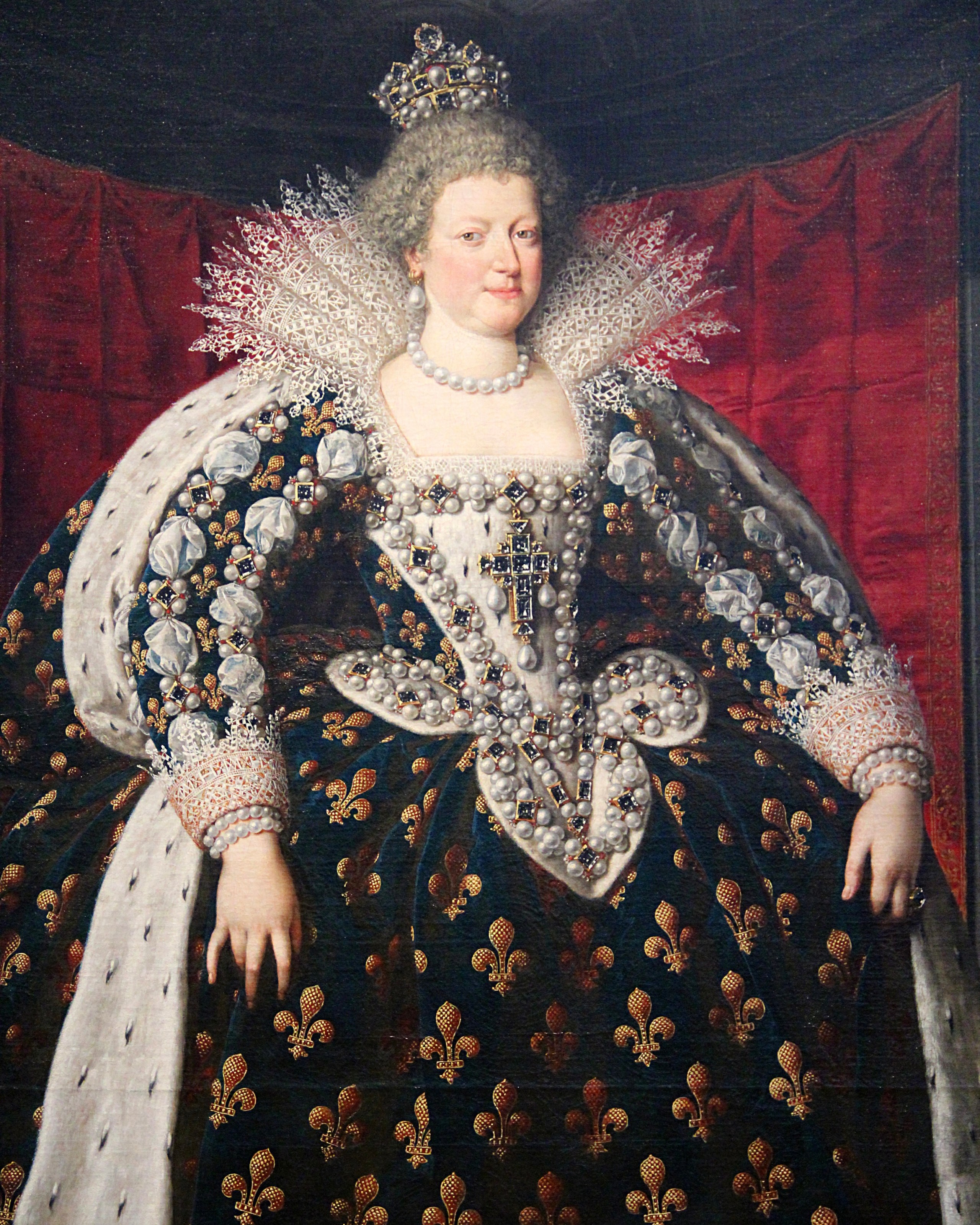
When de Sancy’s collection came to market, one of the most eager prospective buyers was Marie de’ Medici. At the time, the richest heiress in Europe and, from 1600, the wife of Henri IV, was considered the greatest king ever to rule France. Marie had inherited more than a fortune from her father, Francesco I, Grand Duke of Tuscany. She inherited his love for natural diamonds.
According to history, Francesco taught her that the beautiful colors of the ruby, emerald, and sapphire cannot carry across a crowded room, but a natural diamond can. By absorbing light and reflecting it with intensity and brilliance, a diamond draws the distant eye toward its wearer with an immediacy that no other stone can match. It commands attention. It signals rank. It creates awe. For a queen, that was not a luxury but a political tool.
Marie set her sights on the larger Sancy diamond, then the biggest diamond ever to reach the European market. She lost the bidding war to King James VI of Scotland, who used the stone in creating the Mirror of Great Britain. Undeterred, Marie immediately set about acquiring the Beau Sancy, which Henry IV officially gifted to her in 1604.
She put it to work immediately. For her coronation in 1610, Marie set the Beau Sancy at the very top of a crown of pearls and diamonds as the supreme symbol of her monarchy.
The Beau Sancy’s cut made it the perfect choice. Polished toward the end of the 16th century using the newly developed rose-cut technique, which covered the entire surface of the stone with triangular facets, the diamond broke incoming light into the colors of the rainbow. This was genuinely new. No other gemstone, before or since, has produced that particular transformation of light in quite the same way.
The Beau Sancy Diamond Survived Exile, Death, and a Change of Hands
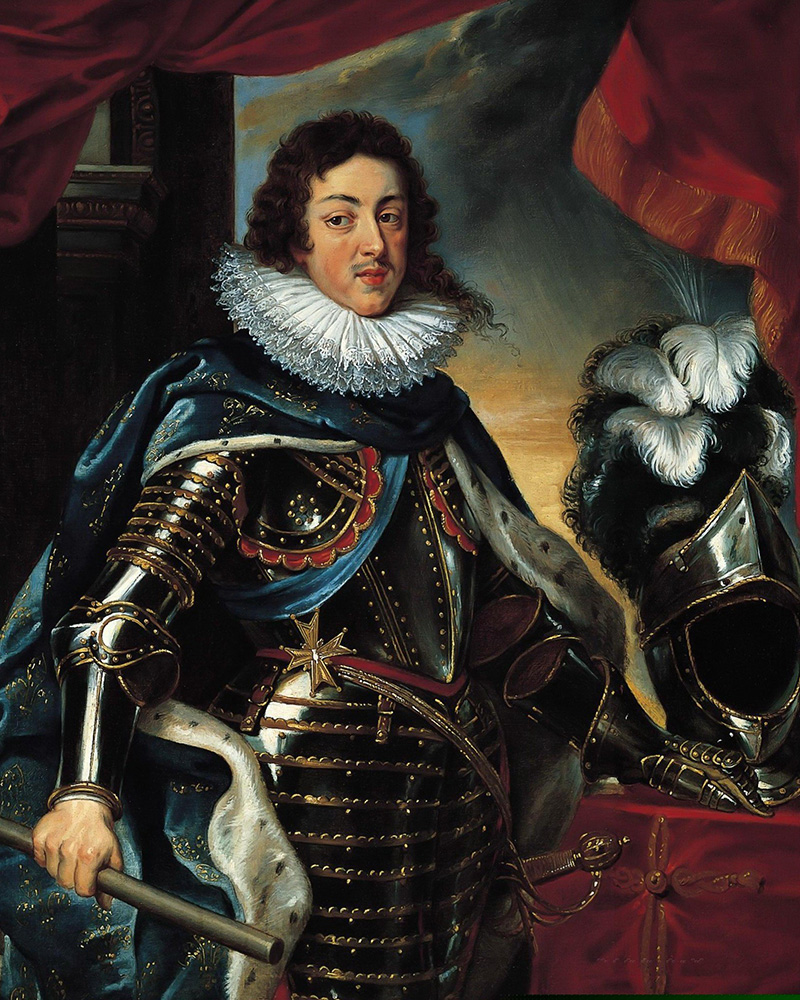
Henry IV’s assassination came shortly after Marie’s coronation, and Marie became regent for her nine-year-old son, the future Louis XIII. The regency proved turbulent. Louis eventually exiled his mother in 1617, citing her political meddling and mismanagement. Marie fled France entirely in 1630 and spent her final years in exile in Cologne, where she died in 1642 with debts mounting around her.
She held onto the Beau Sancy diamond through all of it. But the stone could not survive her death. Her estate sold it to cover funeral expenses and outstanding debts. The buyer was Frederick Henry, Prince of Orange, who acquired it as a gift for his new daughter-in-law, the ten-year-old Mary, Princess Royal, daughter of Charles I of England.
The Beau Sancy Diamond, the House of Orange, and the English Crown
The Beau Sancy remained with the House of Orange for the next several decades, but Mary had her own crisis to navigate. In 1659, she pawned the diamond to raise funds for her brother Charles II in his quest to reclaim the English throne for the House of Stuart. The gamble paid off, and the Restoration succeeded, and Mary joined her brother in London. She died there in 1661 without redeeming the Beau Sancy or recovering her other jewelry.
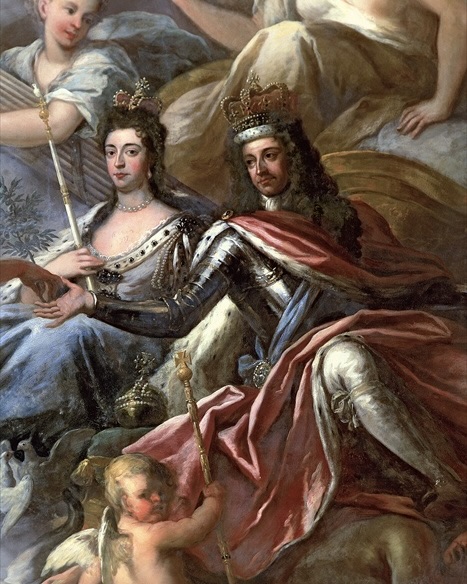
Her mother, Amalia of Solms-Braunfels, found a solution to recover the pawned jewels. By arranging for her grandson, William III, to marry Mary, daughter of King James II, and by engineering the pair’s coronation as joint monarchs of England in the Glorious Revolution of 1688, Amalia brought the Beau Sancy back into the fold.
For the duration of William and Mary’s reign, the diamond sat among the Crown Jewels of the United Kingdom. When William died in 1702 without an heir, the stone passed back to the House of Orange.
The Beau Sancy Diamond as Prussia’s Crown Jewel

Frederick I of Prussia wasted no time claiming the Beau Sancy. Having elevated himself to King in Prussia just a year earlier in 1701, Frederick understood that a storied diamond of this pedigree could anchor an entirely new royal collection. He placed the Beau Sancy at the center of a new Prussian crown.
The stone passed in 1713 to his son, the soldier-king Frederick William I, and then in 1740 to Frederick the Great, who gave the diamond to his wife Elisabeth Christine. She had the Beau Sancy reset in the Rococo style as a bouquet jewel. The diamond remained with Prussia’s ruling House of Hohenzollern for the next 179 years, surviving Napoleon‘s 1806 invasion of Berlin and witnessing the transformation of the Prussian kings into German emperors.

The last empress to wear the Beau Sancy was Augusta Victoria, wife of Kaiser Wilhelm II. When Wilhelm abdicated at the end of the First World War in 1918 and went into exile in the Netherlands, the diamond stayed behind in Berlin. Allied troops found the diamond at the end of the Second World War, bricked up in a crypt where the Hohenzollern estate had hidden it for safekeeping, and returned it to the family.
The Beau Sancy Diamond Auction and Record Sale at Sotheby’s
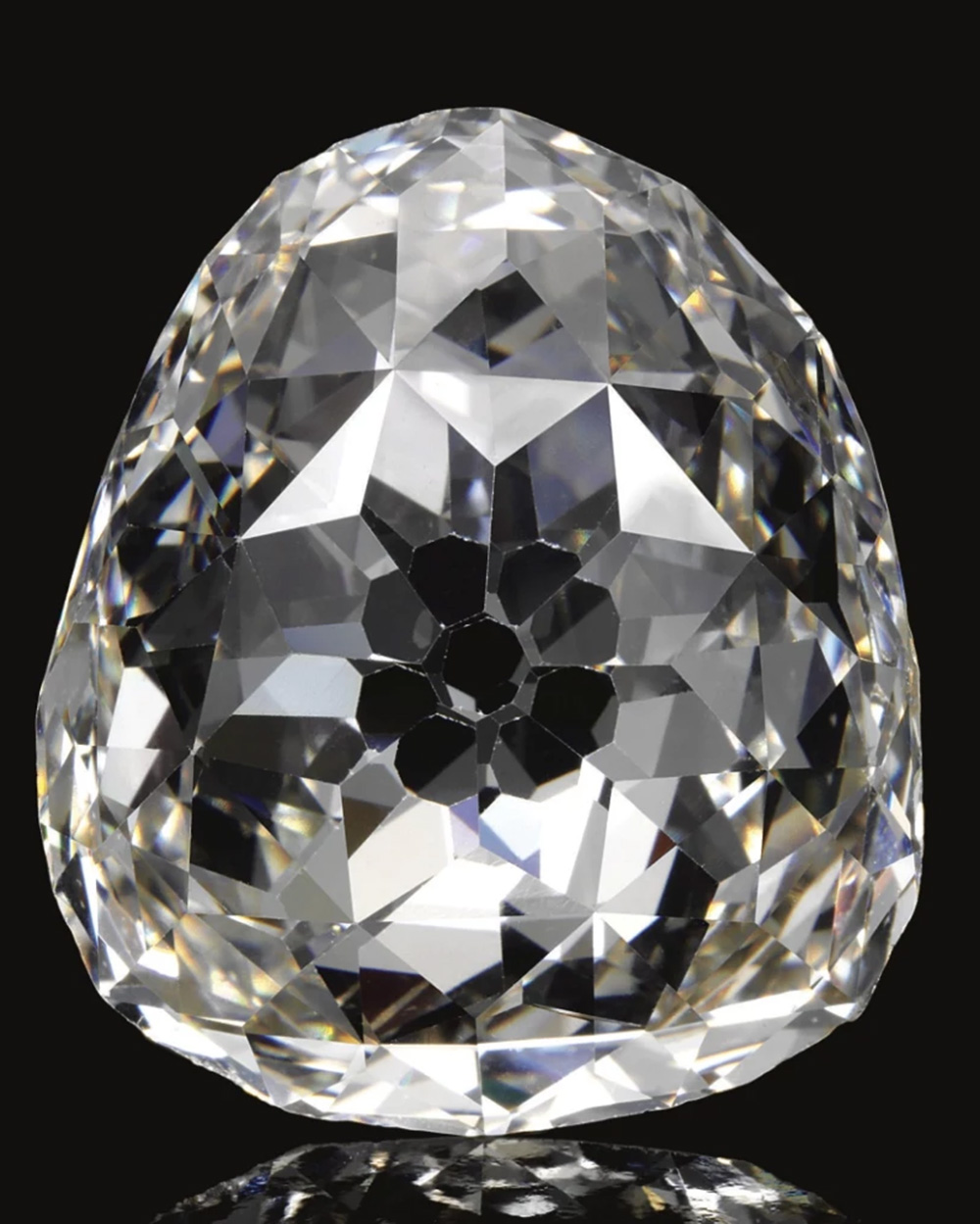
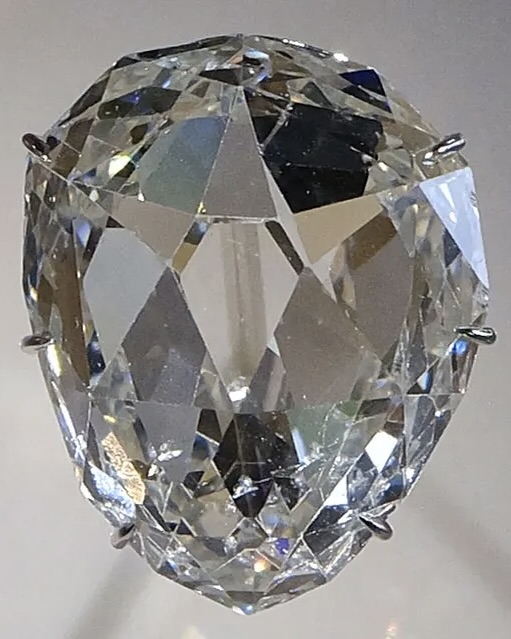
In 1972, something remarkable happened. For a single exhibition in Helsinki, the Beau Sancy and the Sancy diamond appeared together in public for the first time since Nicolas de Sancy sold them separately in 1589. The two siblings had spent 370 years apart, circling the royal courts of Europe in parallel. Both touched by French monarchs, both surviving revolutions, both outlasting the dynasties that had prized them most. For one brief moment in a Finnish exhibition hall, they shared the same display case again.
The reunion, unfortunately, didn’t last very long. In 2012, Georg Friedrich, Prince of Prussia, gave the Beau Sancy to Sotheby’s for auction. The pre-sale estimate sat at $2 to $4 million. Five bidders spent eight minutes fighting for the stone before an anonymous buyer claimed it for $9.7 million, equivalent to roughly $13.6 million today.
Where Is the Beau Sancy Diamond Today?
Wherever the Beau Sancy is now, in a private collection known only to a few, it carries with it the coronation of a French queen, the financing of an English restoration, the ambitions of a Prussian king, and four centuries of European history set into 34.98 carats of Golconda diamond. That is not a bad résumé for a diamond that started in the mines of India and somehow never stopped moving.



Get the Newsletter
Sign up for the latest diamond news, delivered directly to your inbox.


