< Historic Diamonds / Famous Diamonds
Inside Barbara Hutton’s Legendary Diamond Collection
From Romanov emeralds to record-breaking diamonds, explore the extraordinary jewels that defined Barbara Hutton’s glamorous—and complicated—life.
Published: November 21, 2025
Written by: Meredith Lepore
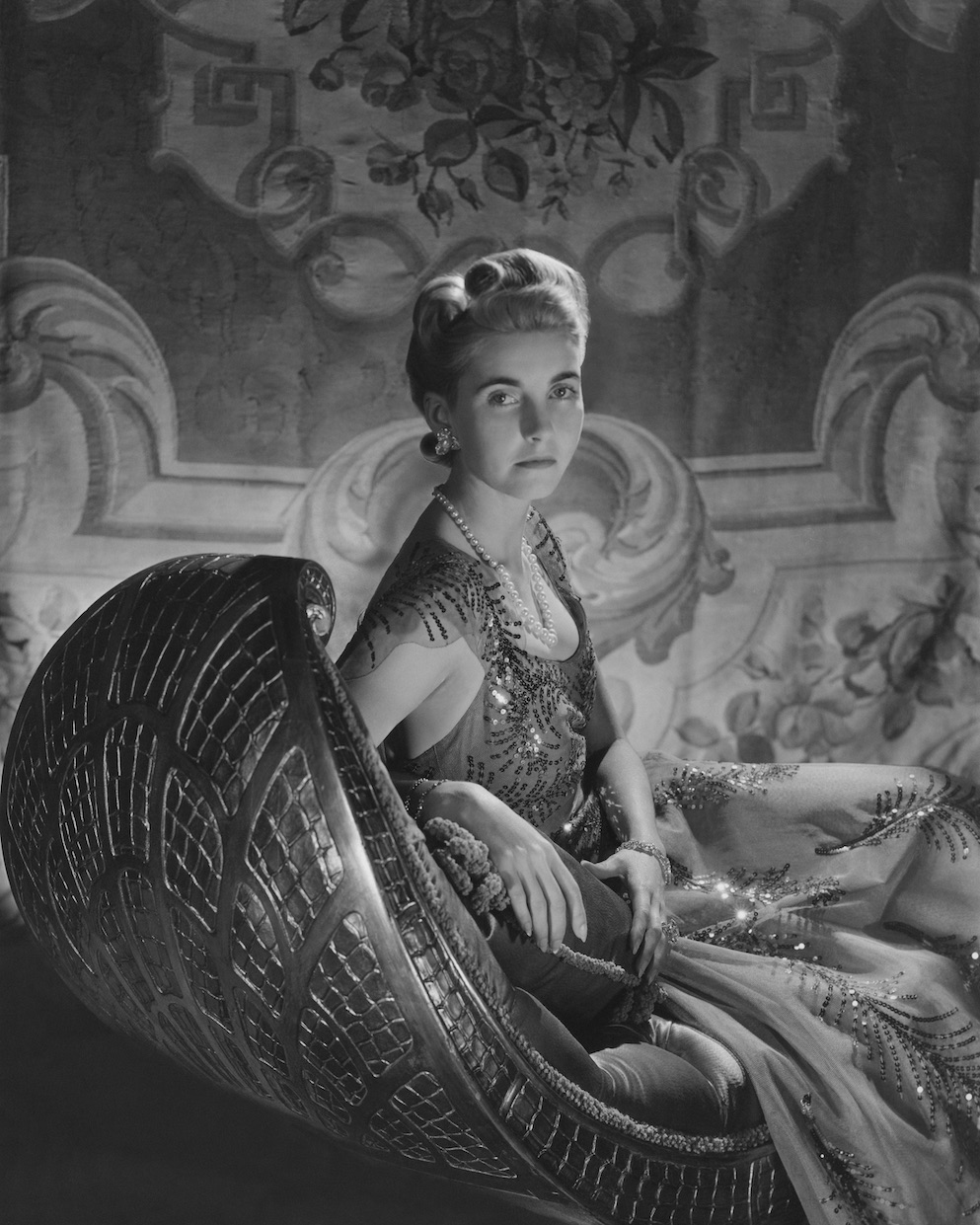
Though the press famously dubbed Barbara Hutton the “Poor Little Rich Girl” — an heiress to the vast Woolworth fortune whose life was shadowed by early loss, seven marriages, and the tragic death of her only son — one part of her story was anything but tragic: her extraordinary jewelry collection. Barbara Hutton’s taste, ambition, and collaborations with houses like Cartier and Van Cleef & Arpels resulted in some of the most remarkable natural diamond commissions of the 20th century.
Her collection wasn’t simply large; it helped define modern high-jewelry aesthetics and remains one of the most valuable assortments ever assembled.
As Bill Rau, third-generation owner of M.S. Rau and an authority on antique jewelry, notes: “Barbara Hutton assembled one of the most significant jewelry collections of the 20th century… the market shows the pieces she collected were before her time.”
Ahead, a look at Barbara Hutton’s iconic jewels, their historical and cultural significance, and the remarkable — and often misunderstood — life behind them.
Meet the Experts

Bill Rau is the third-generation owner of M.S. Rau, the largest fine jewelry, antiques, and art gallery in North America, headquartered in New Orleans. A leading expert in rare jewels, he has spent more than four decades sourcing historic pieces for top collectors worldwide.

Irina Aran is the founder and designer of Facets Fine Jewelry, a jewelry boutique and design studio based in Brooklyn, New York.
From Heiress to Tastemaker: The Birth of Hutton’s Iconic Style
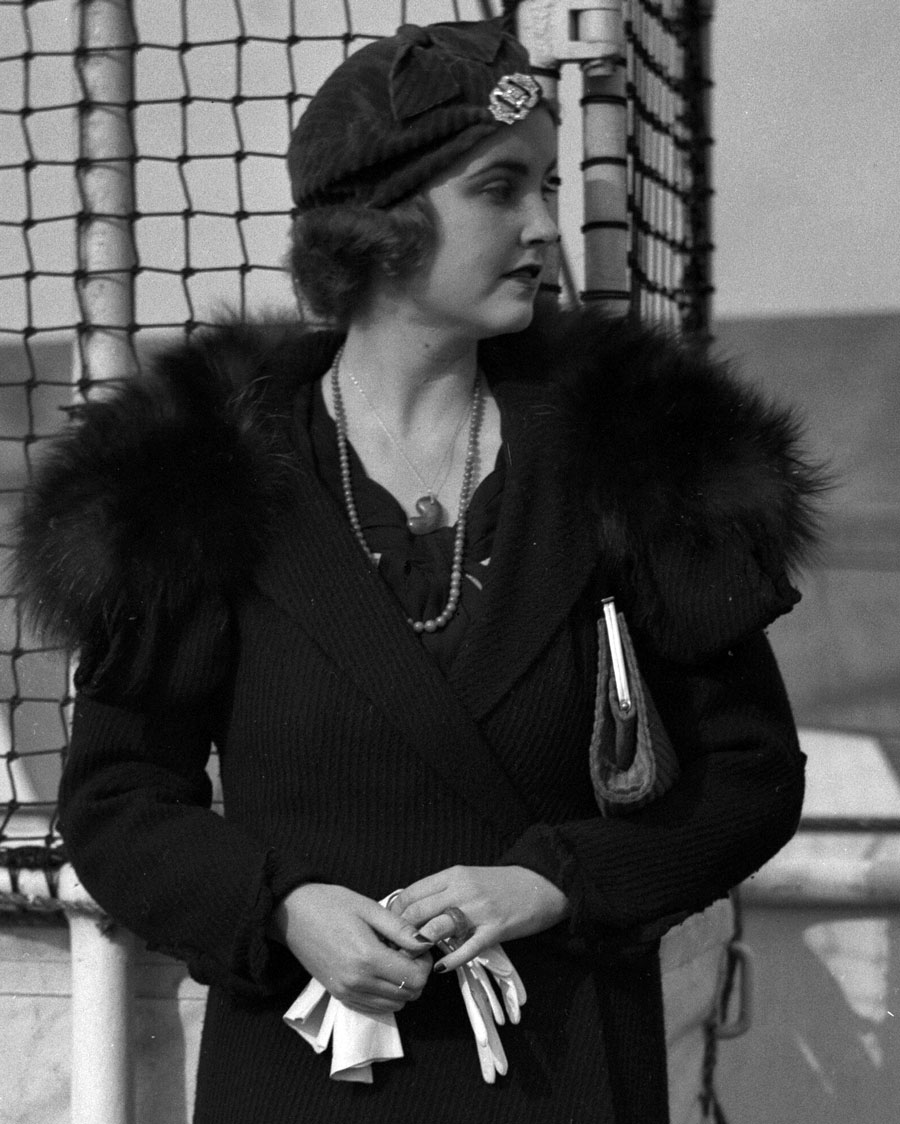
Before Barbara Hutton became the “Poor Little Rich Girl,” which the media lazily bequeathed to fellow socialite Gloria Vanderbilt years later, she was given the accurate moniker of “Million Dollar Baby”. In 1912, she became the first and only child of Edna Woolworth, the daughter of Frank W. Woolworth, the retail magnate, and Franklyn Laws Hutton (1877–1940), a co-founder of E. F. Hutton & Company.
With a net worth of $42 million by her 21st birthday (close to $2 billion today), Barbara Hutton was already building the foundation for an ever-so grand jewelry collection and was often criticized by the press for her lavish spending habits. Her wealth gave her access to almost anything, but it was her early immersion in European aristocratic circles that truly shaped her taste. Those experiences sparked a passion for acquiring historic jewels with royal provenance, as well as commissioning bespoke works from the era’s most important maisons, most notably Van Cleef & Arpels.
How Barbara Hutton Shaped Her Own Jewelry Destiny
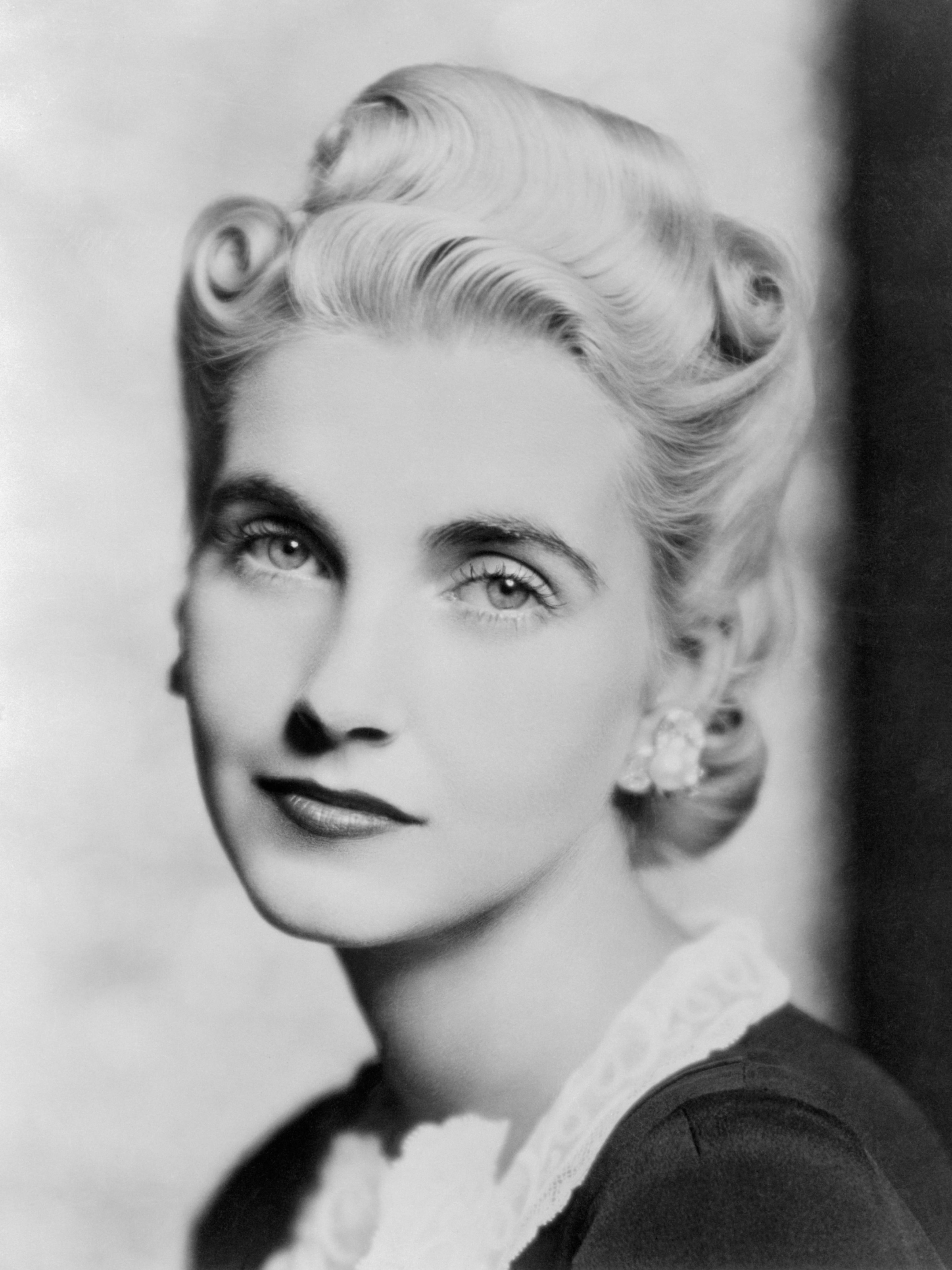
Though she married seven times—her husbands ranging from the “fake” Prince Alexis Mdivani to actor Cary Grant (their union dubbed “Cash and Cary”) to the genuinely titled Prince Igor Troubetzkoy—Hutton alone deserves credit for the depth and brilliance of her diamond collection.
Rau notes that Barbara Hutton was far from a passive collector: She directed, customized, and shaped her commissions, working closely with Cartier and Van Cleef & Arpels to bring her visions to life. This hands-on approach resulted in pieces that not only reflected her personality but also pushed the boundaries of engineering and design.
Hutton’s taste was not shy. From the start, she gravitated toward dramatic proportions, rare stones, globally inspired motifs, and pieces with storied pasts. Her taste quickly evolved into a signature aesthetic defined by striking proportions, exotic influences, and a devotion to craftsmanship at the highest level.
“I’ve always considered Barbara Hutton’s collection one of the most remarkable in 20th-century jewelry history. The scale, craftsmanship, and ambition of her jewels were avant-garde for their time,” says Irina Aran, founder and designer of Facets Fine Jewelry. She noted that Hutton’s collection mirrored the evolution of high jewelry from the 1930s through the 1960s—bridging the strong geometry of Art Deco with the later ethereal, floating diamond techniques perfected by maisons like Van Cleef.
Hutton’s aesthetic wasn’t just bold — it was deeply intentional, blending personal expression with an appreciation for history. “Hutton viewed jewelry as a form of personal style that showed people who she was, yet she was equally drawn to treasures with historical and enduring value. Many works were wearable masterpieces, but their craftsmanship and provenance ensured they would outlast their moment as fashion objects. As a result, her collection today is regarded as a permanent contribution to jewelry history,” Rau says.
Barbara Hutton’s Diamond Masterpieces
Hutton’s diamond commissions in particular showcased her appetite for innovation, employing cutting-edge materials, airy platinum work, invisible settings, and ambitious scale that was far in advance of contemporary trends.
Barbara Hutton’s Pasha of Egypt Diamond Ring

Believed to have once belonged to an Egyptian pasha (a high-ranking official), the Pasha of Egypt Diamond was originally an approximately 40-carat octagonal step-cut stone and is considered one of the most important diamonds associated with Egypt’s royal collection. Its exact origins are still debated — it may have come from Brazil or India — but what is universally agreed upon is that it was an exceptional, colorless diamond of remarkable purity.
The diamond survived the fall of the Ottoman and Egyptian empires and later passed through European jewelers and collectors. By the 1940s, it was acquired by Barbara Hutton, with many accounts suggesting she obtained it through King Farouk of Egypt, though the precise details of the transaction remain unverified.
Though formidable in its original form, Hutton didn’t care for the octagonal shape and wanted to imprint her own aesthetic on the jewel. She had the stone recut into a roughly 36-carat round brilliant, transforming its silhouette and giving it a more modern, high-sparkle presence.
Hutton was frequently photographed wearing the ring — most notably by Cecil Beaton — and while the piece was dramatic on its own, it became truly unforgettable when paired with the next jewel in her collection.
Barbara Hutton’s Vladimir Emerald Tiara
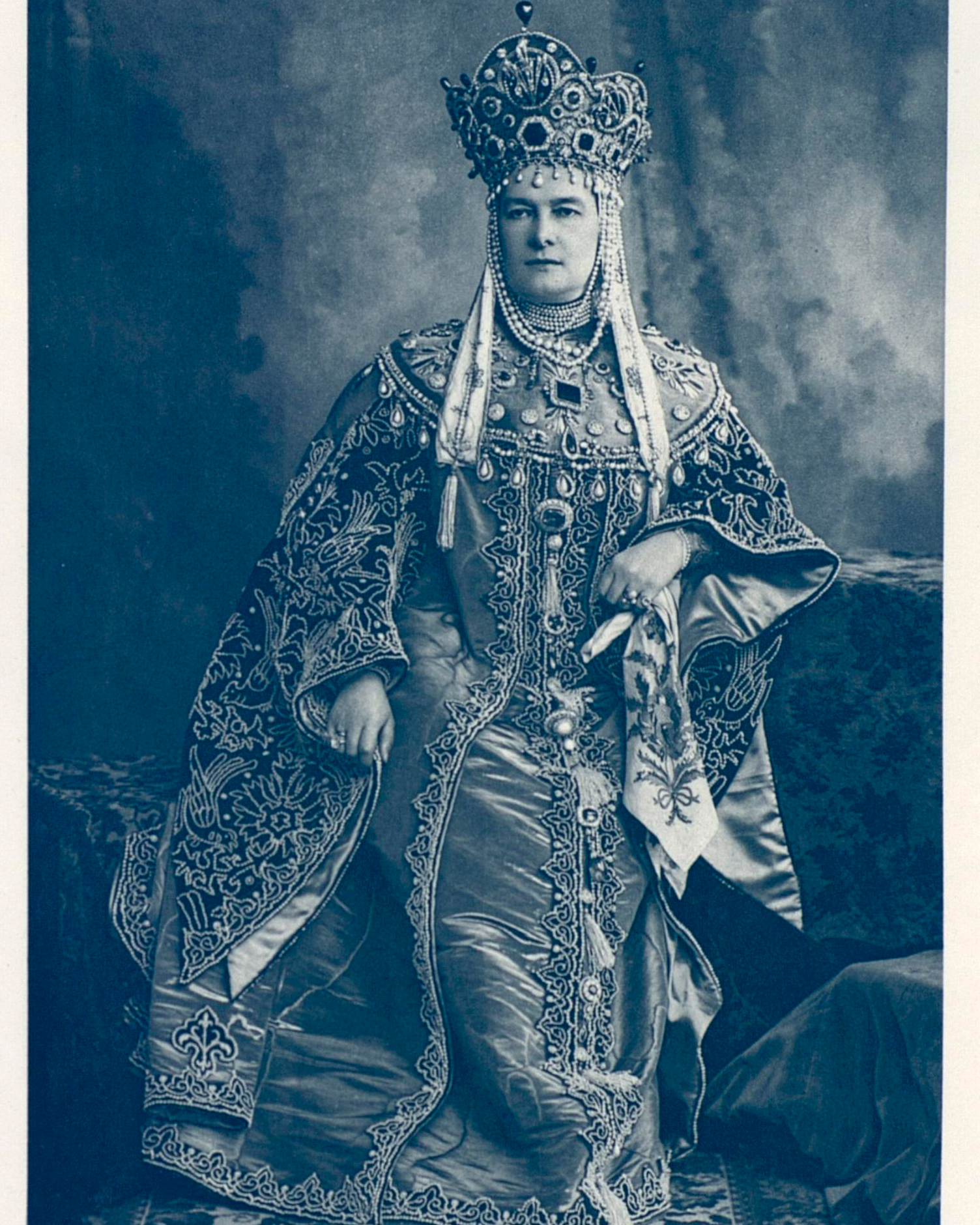
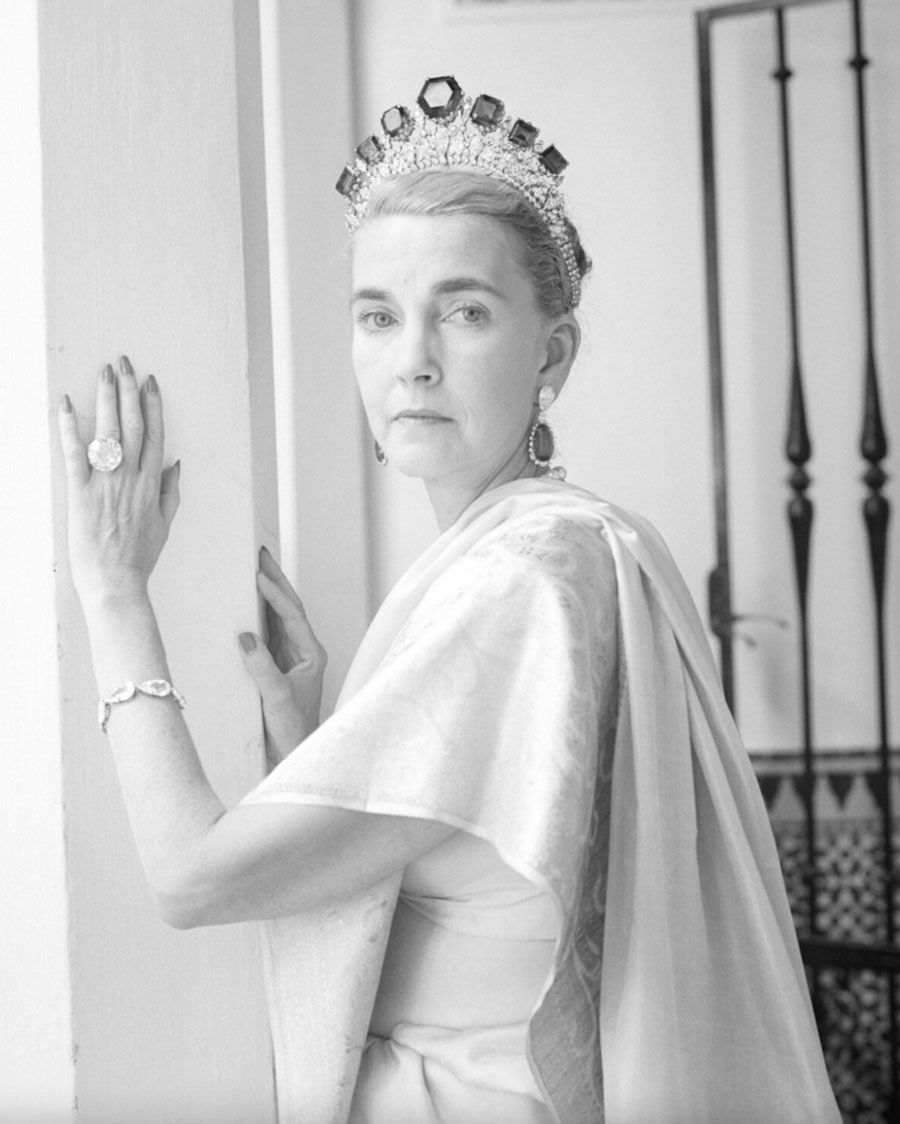
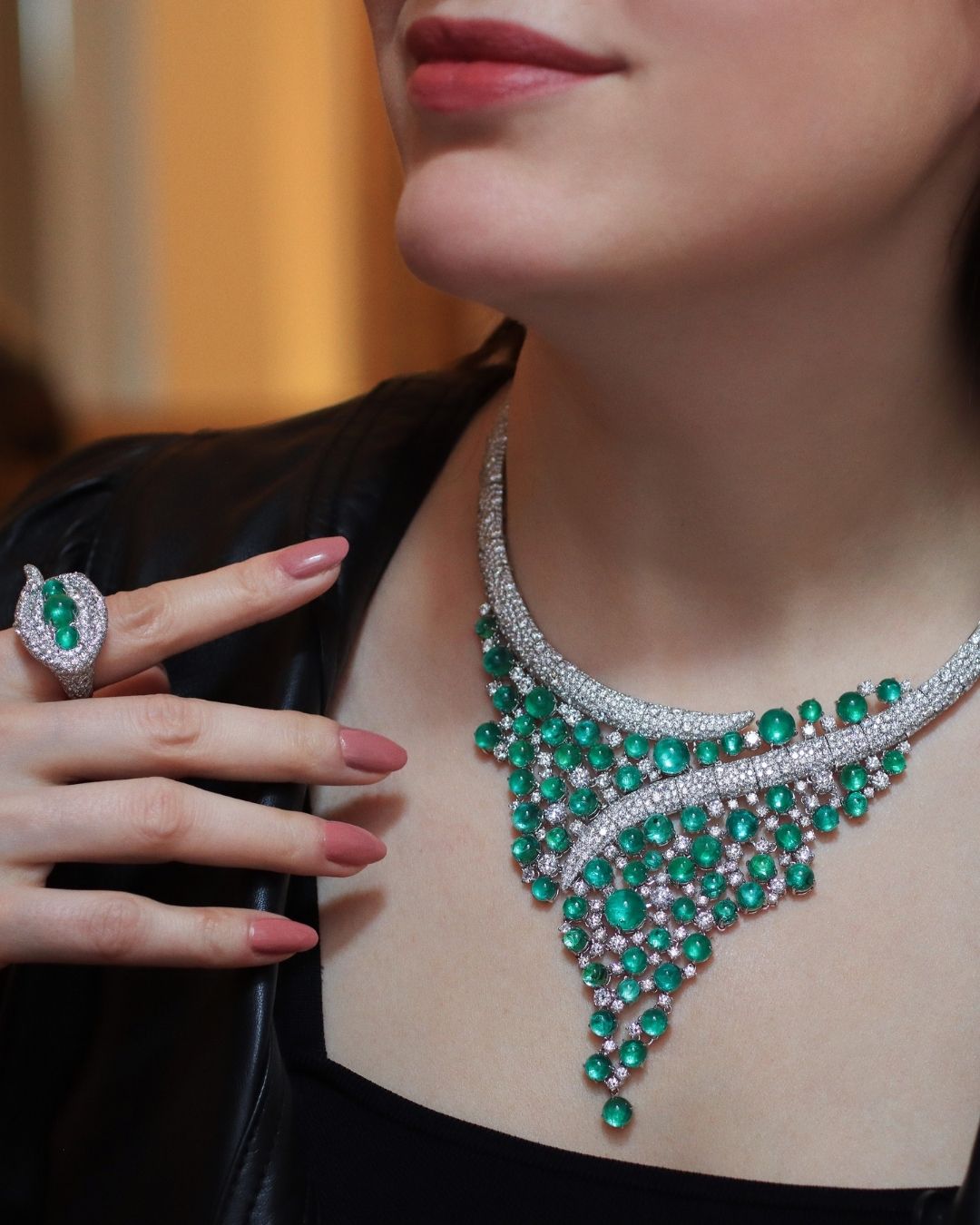
Are you even an heiress if you don’t have a tiara? Hutton’s most storied example began with a suite of emeralds that once belonged to Grand Duchess Maria Pavlovna of Russia (wife of Grand Duke Vladimir Alexandrovich). The stones were part of an emerald necklace given to the Grand Duchess as a wedding gift from Emperor Alexander II. After her death in 1920, they passed to her son, Grand Duke Boris Vladimirovich, who sold them to Cartier.
Cartier remounted the emeralds in a new necklace for Edith Rockefeller McCormick; after her death in 1932, her heirs sold the jewels back to Cartier. In 1936, Barbara Hutton acquired the emeralds from the maison and first wore them as a ring, necklace, and earrings.
In 1947, she commissioned Cartier designer Lucien Lachassagne to transform the stones into an Indian-style emerald and diamond tiara in a yellow-gold setting that could also be worn as a necklace. Photographs from the period show Hutton wearing the piece in Tangier and London, the Romanov emeralds rising in a dramatic fringe above her forehead.
“It shows all of the hallmarks of Hutton’s collecting: exceptional stones, bold scale, and impeccable craftsmanship. Its elegant arrangement of large emeralds and diamonds reflects Cartier’s mastery, yet it is still very ‘custom.’ The tiara remains a historically significant jewel because it perfectly captures her taste in a nutshell,” Rau says.
The story doesn’t end there. In the mid-1960s, Hutton sold the emeralds to Van Cleef & Arpels, reportedly to help fund one of her divorces. The house dismantled the tiara and sold the emeralds individually; some accounts suggest that a number of the stones were later incorporated into Elizabeth Taylor’s famous Bulgari emerald suite, though that connection has been debated by jewelry historians.
Barbara Hutton’s Van Cleef & Arpels “Ludo” Bracelet
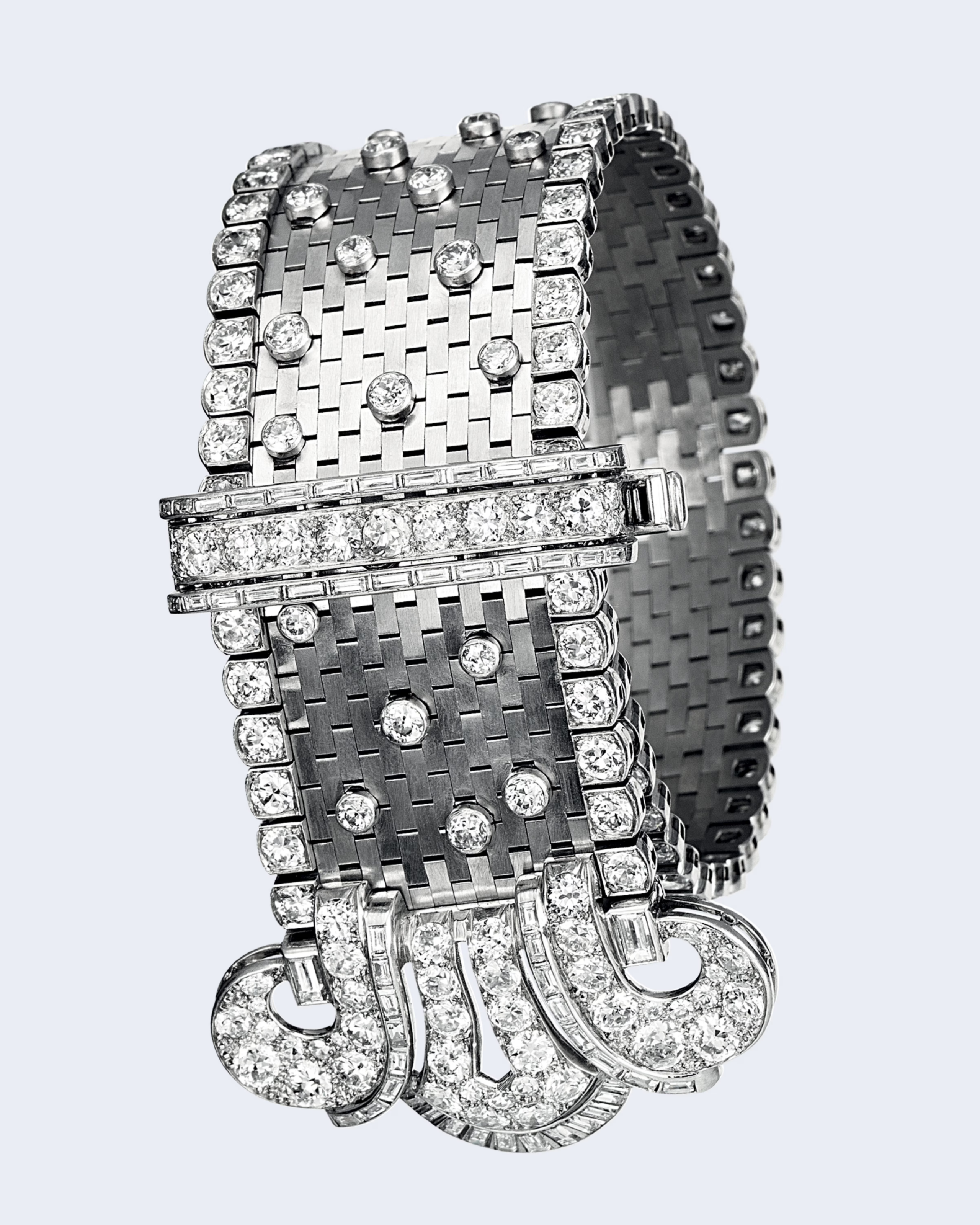

Hutton had a strong relationship with Van Cleef & Arpels throughout her life. Working in collaboration with the maison, she produced extraordinary pieces that reflected her bold tastes and their technical mastery. Among them was the platinum and diamond Ludo bracelet, one of VCA’s most iconic designs. Introduced in 1934, the Ludo was inspired by the links and closures of a man’s belt, its flexible, brickwork-like construction giving it a silky, serpentine movement on the wrist. The style quickly became a favorite among the era’s fashion-forward women, and Hutton’s diamond-set version exemplified the height of 1930s glamour.
Rau noted that Hutton’s commissions often used then–brand-new and highly sophisticated techniques—from Cartier’s airy platinum settings to Van Cleef & Arpels’ pioneering invisible mounts and Eastern-influenced designs.
Barbara Hutton’s Van Cleef & Arpels “Winged Fairy” Clip

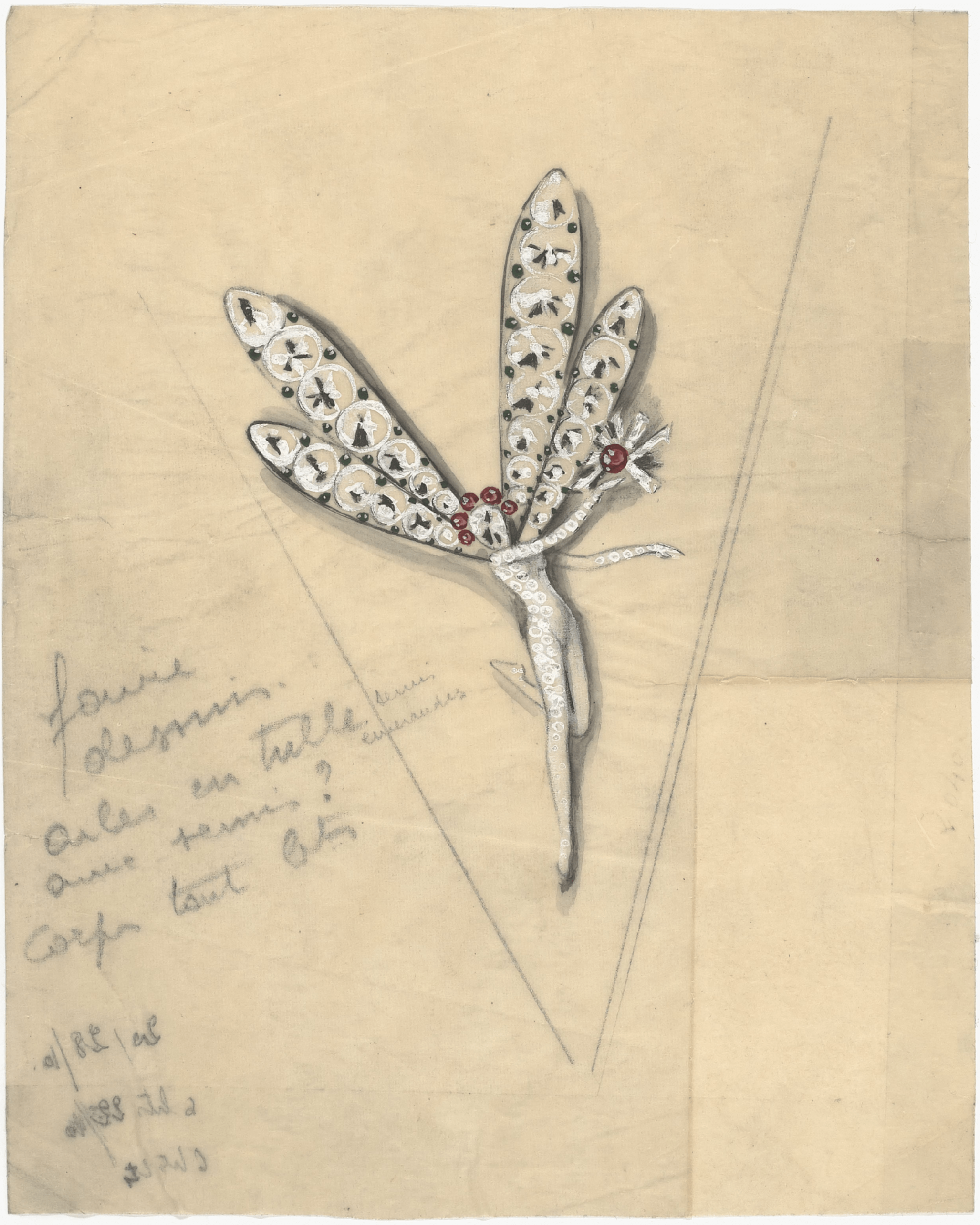
For one of her more whimsical pieces, Hutton purchased a “Winged Fairy” clip, part of the series Van Cleef & Arpels began producing in the late 1930s. Fashioned in platinum and adorned with rubies, emeralds, and diamonds, these romantic figurines featured delicate wings and full skirts that symbolized optimism during the turbulent 1940s. Their wings were set with such brilliantly cut diamonds that they appeared to shimmer in motion.
Barbara Hutton’s Cartier Marie Antoinette Pearls with Old Mine-cut Diamond Cluster Clasp
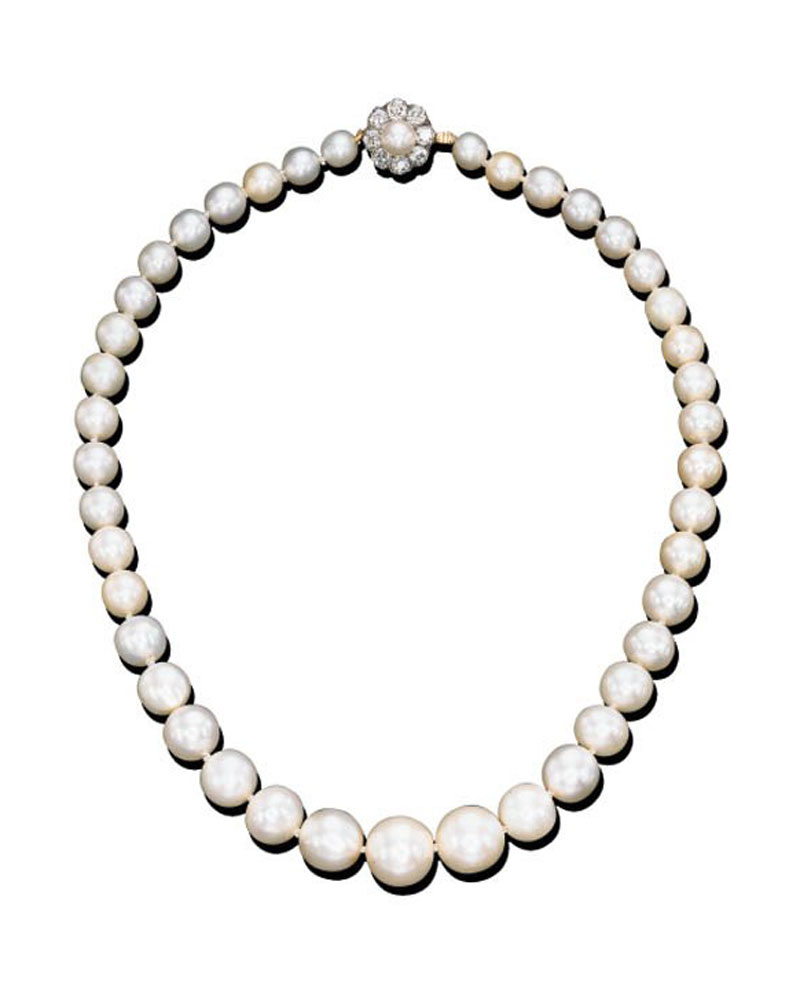
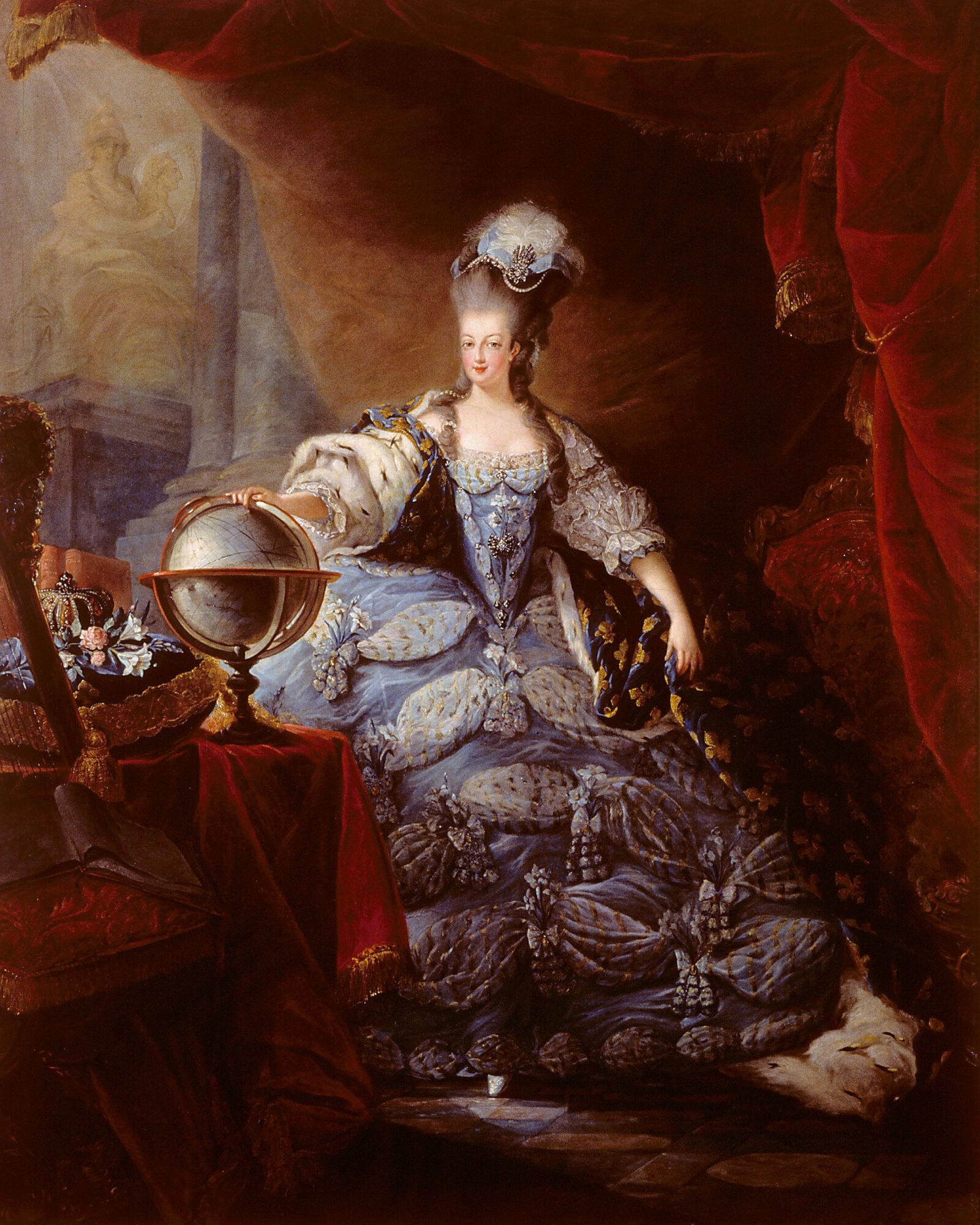
Though the pearls take center stage in this piece, its significance lies in the fact that it was one of Hutton’s earliest major jewels. Her father purchased it from Cartier in 1933 as a wedding gift for her marriage to Prince Alexis Mdivani—at the eye-watering price of roughly US $1 million. The necklace, often referred to as the “Marie Antoinette Pearl Necklace,” features 44 graduated natural pearls (approximately 8.7–16.3 mm) and boasts a provenance tied to Queen Marie Antoinette herself.
Hutton, who spent little time in the United States after coming of age, lived primarily between Paris, London, and her Venetian-style palazzo in Monaco. Her admiration for Marie Antoinette extended beyond jewelry: at her grand home in London’s Regent’s Park, she even acquired a Savonnerie carpet that once belonged to the ill-fated queen.
Barbara Hutton’s Hutton-Mdivani Jadeite Necklace
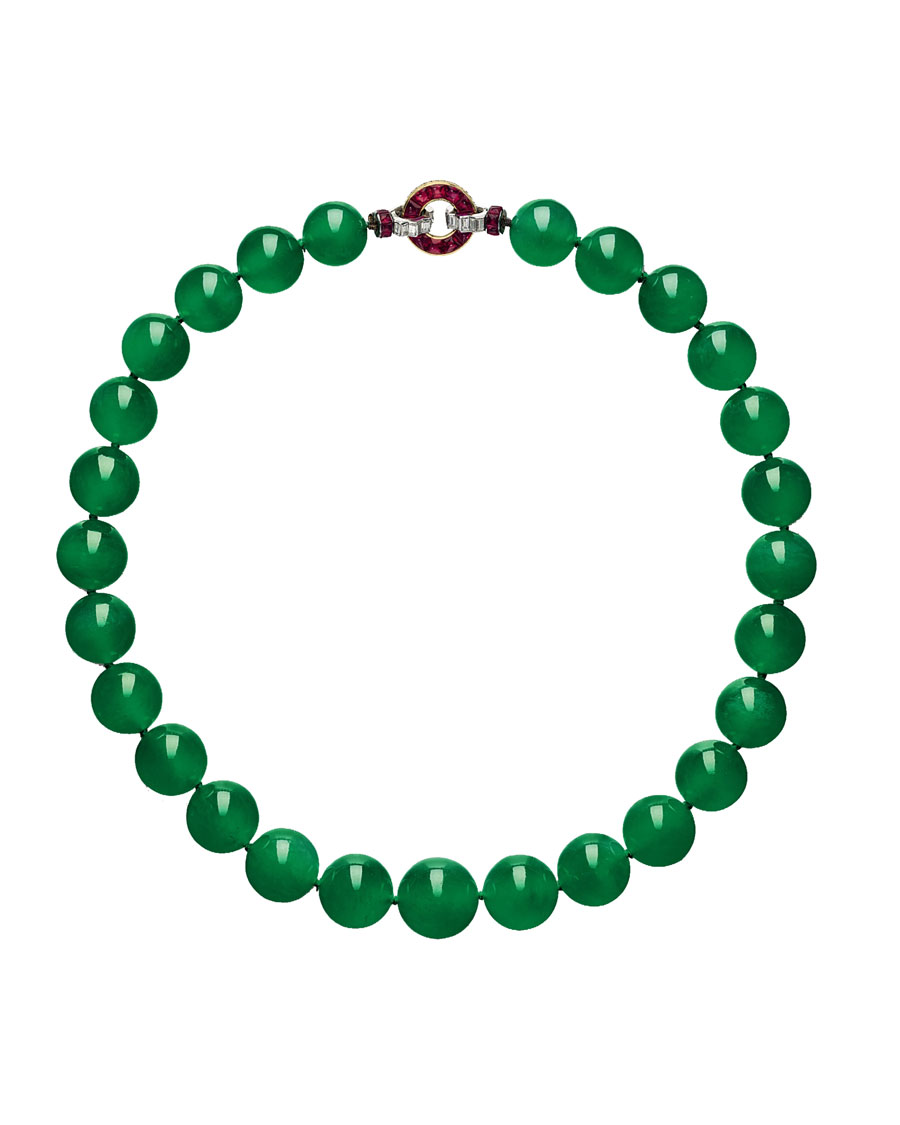
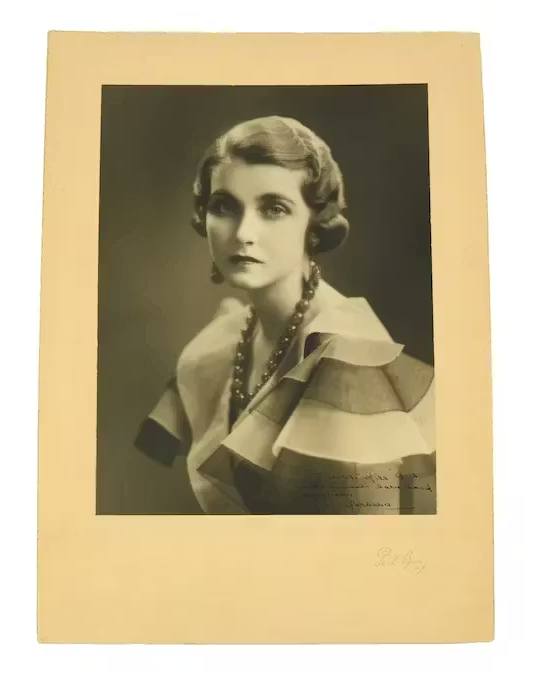
Another wedding gift, perhaps reflecting optimism for the marriage, was a jadeite bead necklace given to Barbara Hutton by her father in 1933. The strand originally included a navette-cut diamond clasp crafted by Cartier. In the following year, Hutton commissioned Cartier to redesign the clasp: the new version, made in warm yellow gold and set with calibre-cut rubies and baguette-cut diamonds, reflected her developing preference for bolder, more colorful accents.
Other Notable Jewels in Barbara Hutton’s Collection
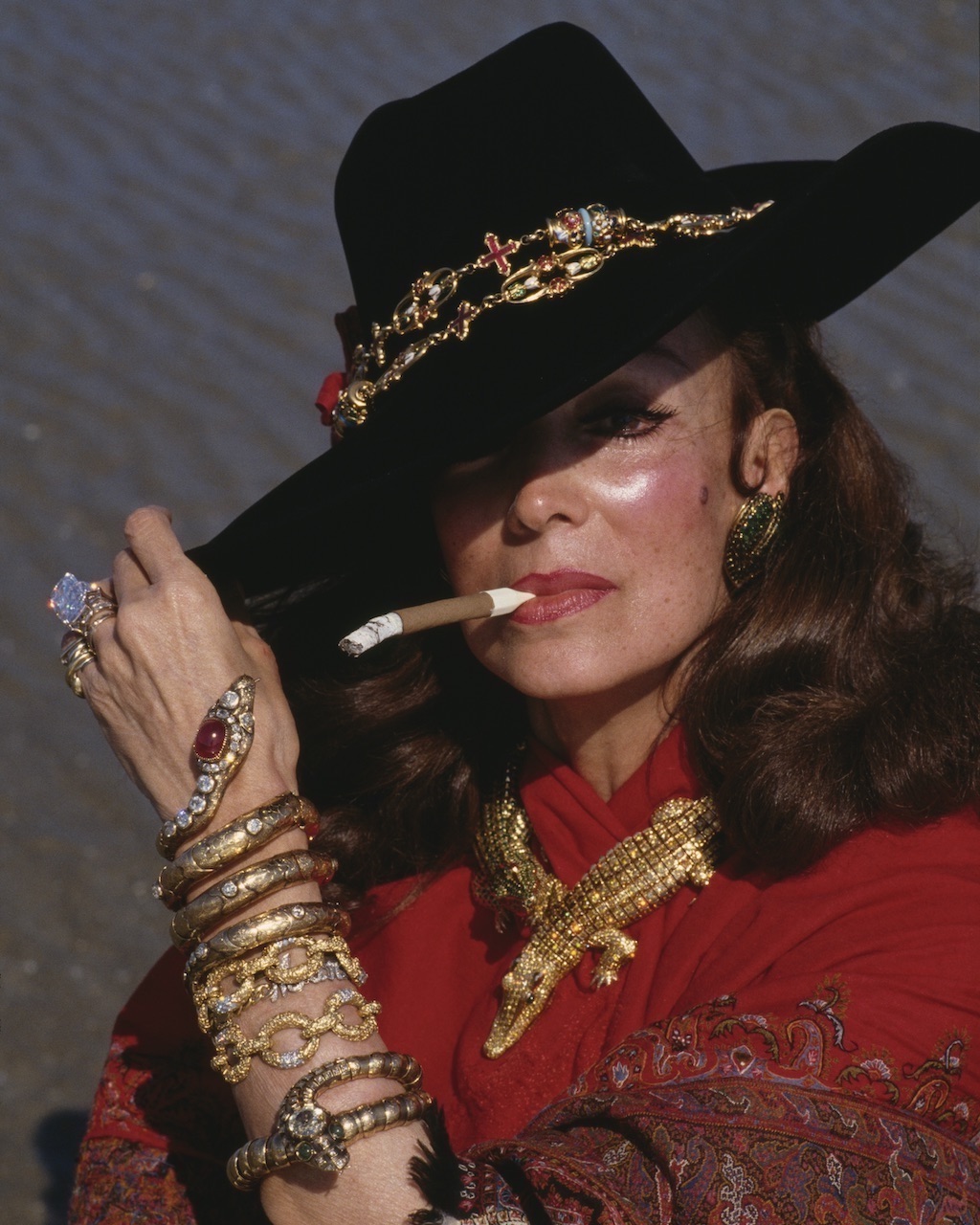
Beyond her most storied commissions, Hutton amassed an extraordinary assortment of jewels that demonstrated both the breadth of her taste and the scale of her collecting. Her vaults held everything from shimmering diamond bracelets to transformable ruby-and-diamond tiaras that could be worn as necklaces, along with sculptural brooches and dramatic gemstone pieces. She had a particular fondness for Cartier’s animal motifs, most famously a draping Tiger brooch with matching ear clips in yellow diamonds and onyx—striking, graphic jewels that became part of her personal iconography.
Her collection also reflected her deep appreciation for colored gemstones: rare jadeite treasures acquired through Cartier, richly saturated sapphires and rubies, and an array of whimsical creations from Van Cleef & Arpels, including their legendary menagerie of birds, fairies, and fantasy creatures. Even her “everyday” pieces were exceptional—sumptuous pearl strands, boldly scaled cocktail rings, and diamond necklaces with royal or aristocratic provenance.
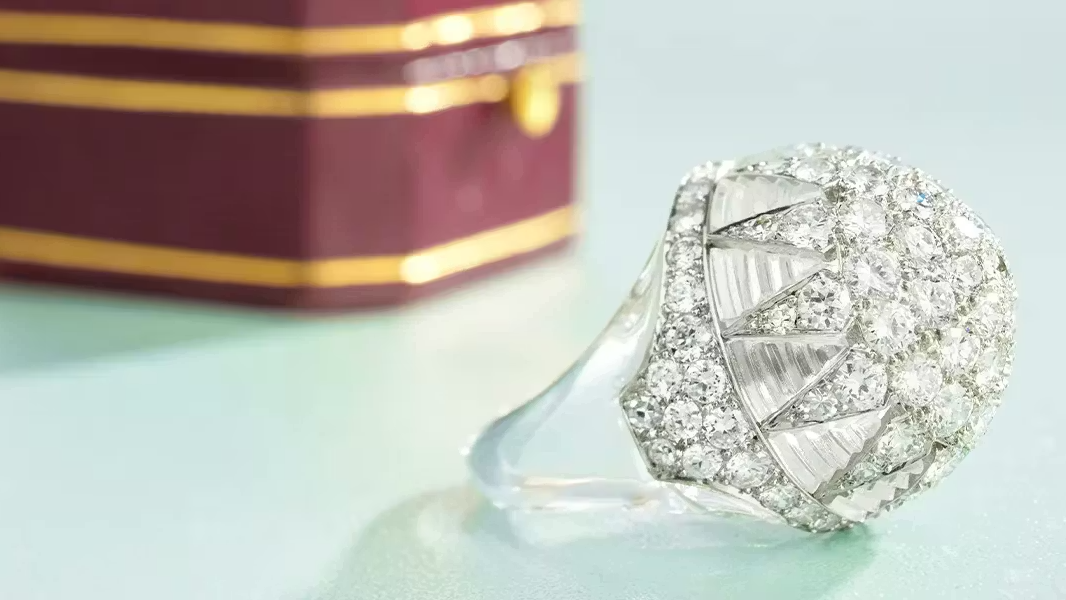
Hutton was also famous for her generosity with her jewels. She routinely gifted pieces to relatives, friends, and even employees. One of the most touching examples was her relationship with her physiotherapist, Karin Gustafson, whom she affectionately called “Miss Gus.” In early 1935, while staying in Egypt near the Pyramids, Hutton presented Miss Gus with a stunning ring from Cartier. The piece was crafted from a single rock-crystal central element and crowned with a star-shaped platinum mount set with white diamonds in transitional and single cuts. In a letter she wrote from Egypt, Hutton explained her impulse to give so freely: “I have so much and cannot wear it all, and I like you, Miss Gus.”
Why Barbara Hutton’s Jewels Still Stand Apart Today
The value of Hutton’s jewels has been propelled not only by their extraordinary provenance but by the simple fact that stones of comparable quality and scale no longer exist. Many of her one-of-a-kind masterpieces—most famously the Hutton-Mdivani Jadeite Necklace and the pearls attributed to Marie Antoinette—have achieved record-breaking results at auction, underscoring just how singular her collection truly was.
But their rarity alone isn’t what made her treasure trove so significant. “Hutton viewed jewelry as a form of personal style that showed people who she was, yet she was equally drawn to treasures with historical and enduring value. Many works were wearable masterpieces, but their craftsmanship and provenance ensured they would outlast their moment as fashion objects. As a result, her collection today is regarded as a permanent contribution to jewelry history,” Rau says.