White Sapphire vs Diamond: Here’s What Really Sets Them Apart
Experts explain why white sapphires and diamonds couldn’t be more different.
White Sapphire vs Diamond
Not all colorless gemstones are created equal. When it comes to the comparison of white sapphire vs diamond, white sapphires are often touted as an alternative to natural diamonds. In reality, they are distinctly different stones with different origins.
It is important to note that the vast majority of white sapphires on the market today are lab-grown diamond simulants. While they mimic the appearance of a clear stone, they are mass-produced in controlled environments rather than formed in nature. This distinction matters because a stone’s origin often dictates its value.
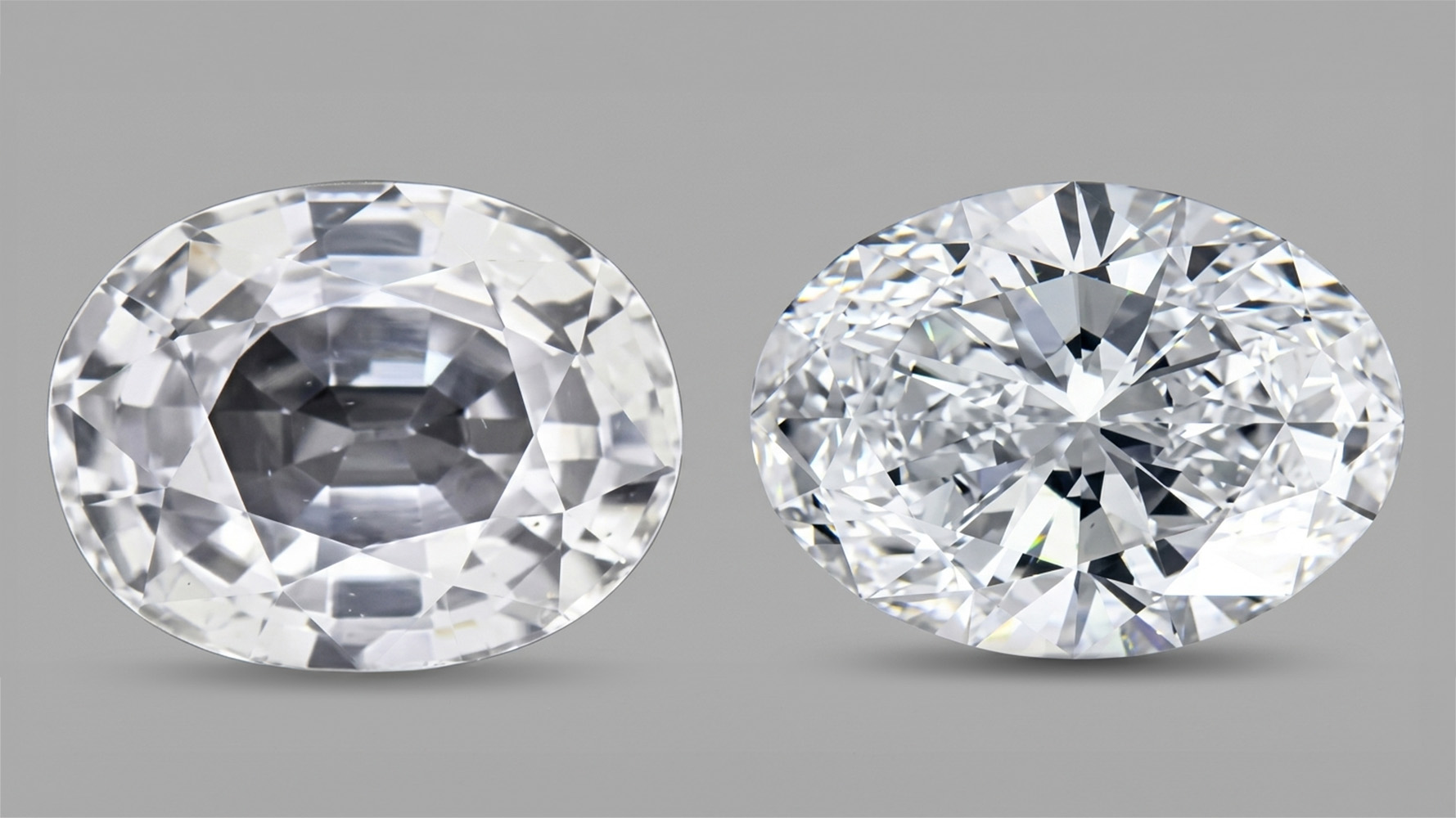
The biggest physical difference between the two? How they handle light.
“Diamonds have this very crisp, bright return; there’s a sharpness and contrast to the sparkle. White sapphires feel much softer in comparison, almost a bit glassy, and they don’t have that same ‘life’ to them,” notes Guillaume Stapylton-Smith, fine jeweler and founder at Stapylton-Smith.
Diving into these nuances can help you make choices that reflect your style, values, and priorities. Whether you gravitate toward an antique piece for its old-world charm or a sleek, modern design that speaks to your love of minimalism, the stone itself can completely change the soul of a piece.
Meet the Experts
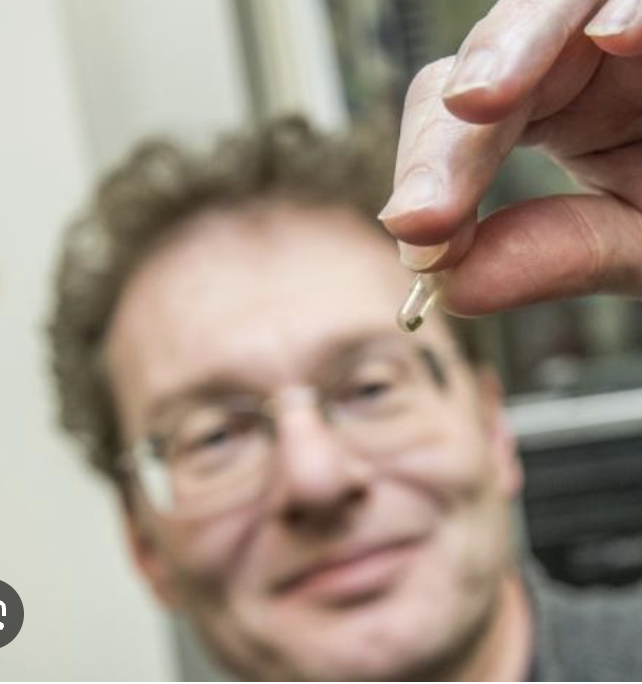
Oliver Tschauner is a crystallographer and geoscience professor at the University of Nevada in Las Vegas. Dr. Tschauner’s research interests are in mineral physics and planetary science.

Guillaume Stapylton-Smith is a London-based jeweler, trained at the Haute École de Joaillerie in Paris and Gem-A in London. His work spans both antique jewelry and bespoke pieces, with a focus on ethically sourced diamonds and gemstones. Passionate about art and antique jewels, he travels the world to source unique and rare pieces.
Ahead, discover the key differences when evaluating white sapphire vs diamond so you can choose your next piece of jewelry with confidence.
White Sapphire vs Diamond: Key Differences

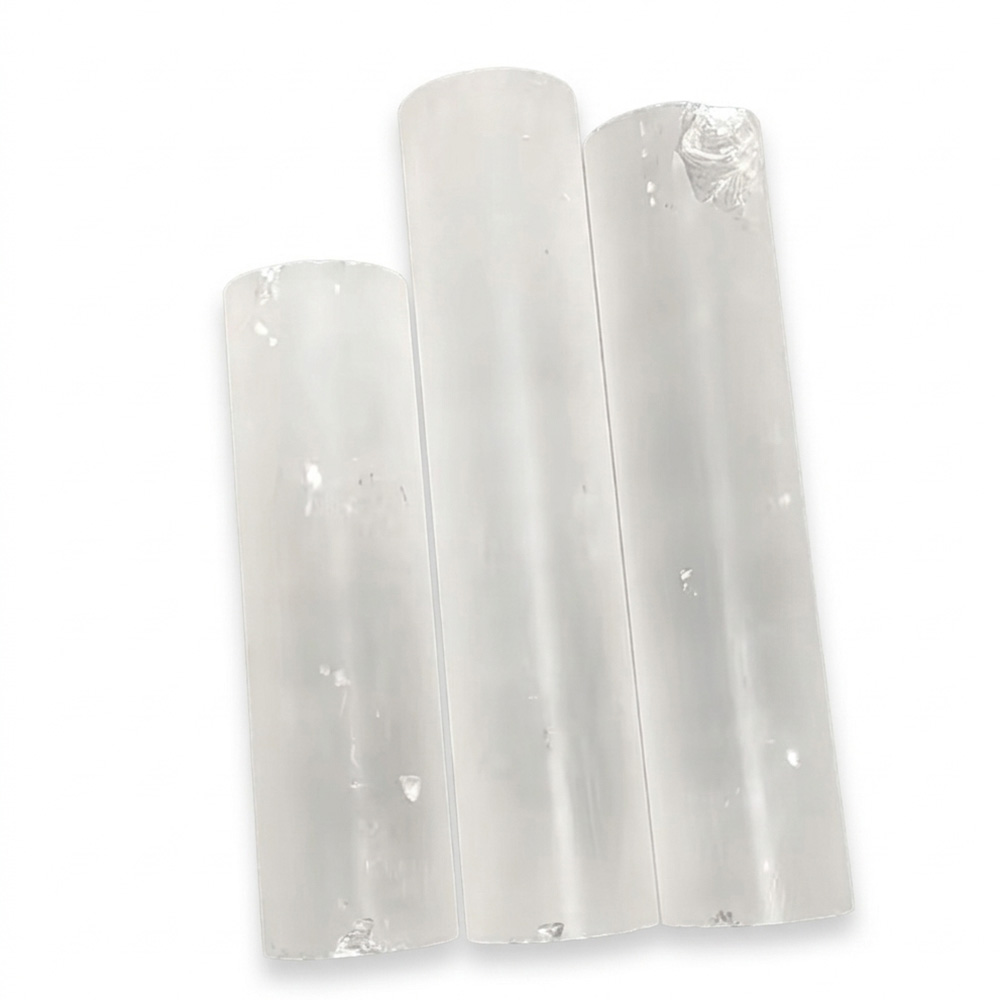
 Naturally Made
Natural diamonds form over billions of years deep within the Earth under extreme heat and pressure.
 Factory Made
The majority of lab grown white sapphires are produced in factories in China, Russia and the United States.
 Finite Supply
Natural diamonds are rare and limited in supply, with only a certain amount available on Earth.
Mass-Produced
Lab grown white sapphires are mass-produced in controlled environments, much like fast fashion.
 3 Billion Years Old
Natural diamonds are ancient, typically 1-3 billion years old, making them some of the oldest substances on Earth.
Made in Hours to Days
Lab grown white sapphires are produced in factories in just hours to days (depending on the method used) and can be made in unlimited quantities.
 The Hardest Substance on Earth
Diamonds are the hardest natural material on Earth (10 on the Mohs scale), extremely resistant to scratching.
 Less Durable
White sapphire ranks 9 on the Mohs scale, making it less durable than diamonds and more prone to chipping and scratching.
 Classic White Sparkle
Diamonds exhibit exceptional brilliance and fire with a unique combination of white light reflection and colorful dispersion.
Milky Sparkle
White sapphires have a softer, more muted appearance due to how they interact with light.
 Benefits Country of Origins
Diamond mining provides economic support and employment in diamond-producing regions around the world.
Emotionally Significant
Diamonds are the ultimate symbol of love and commitment, cherished for centuries as timeless representations of enduring relationships, milestones, and meaningful memories.
At first glance, they might seem similar, but a closer look immediately reveals the disparities between a lab-grown white sapphire and a natural diamond.
What Is a White Sapphire?
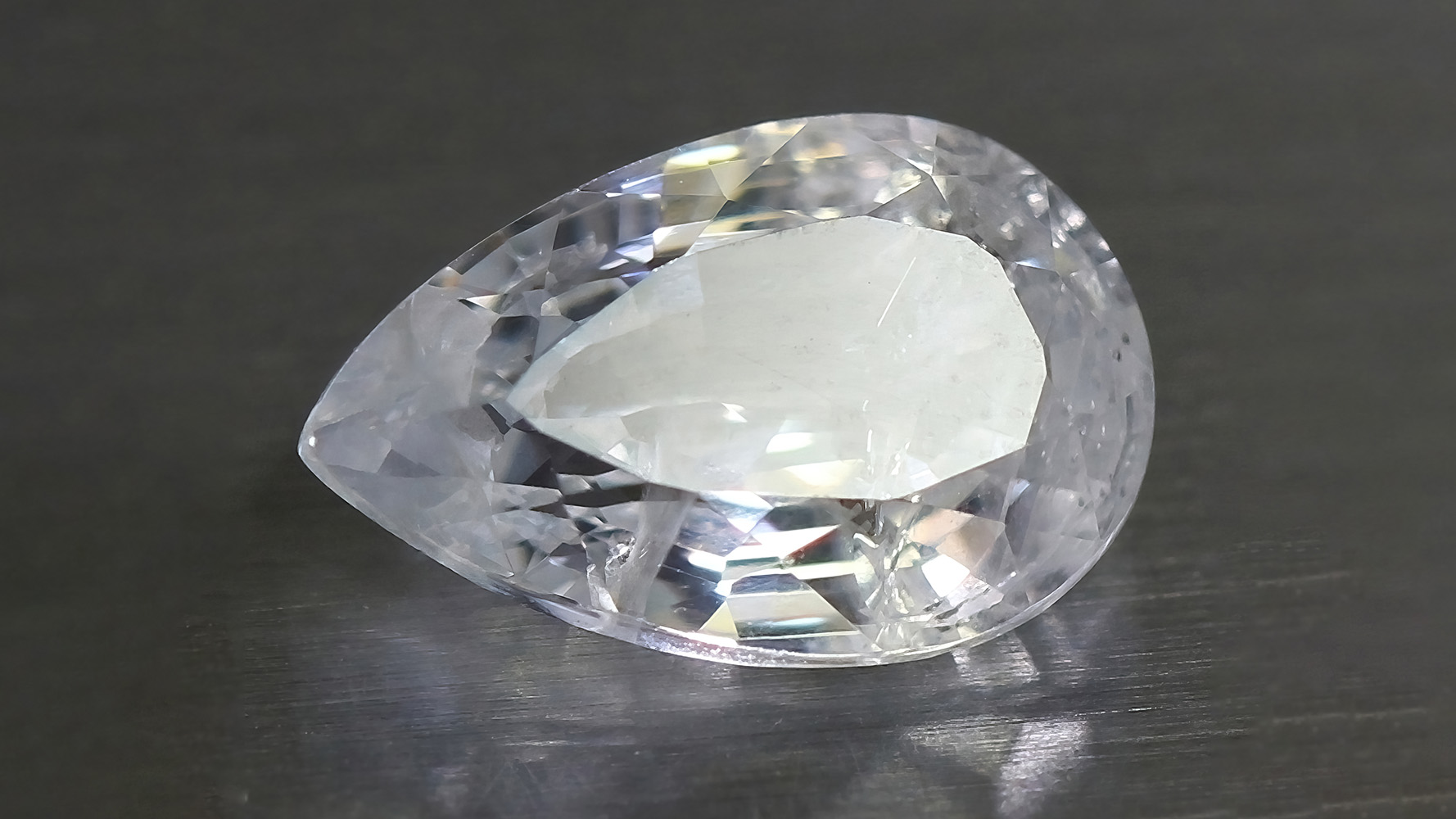
A white sapphire is a colorless variety of corundum. While they do exist in nature, they are exceptionally rare in a truly “white” state. Consequently, almost all white sapphires used in jewelry today are lab-grown diamond simulants. Because they are factory-made, they lack the unique inclusions and “birthmarks” that give a natural diamond its character. They also interact with light differently, producing a softer, less brilliant sparkle that looks muted and milky.
What Is a Natural Diamond?
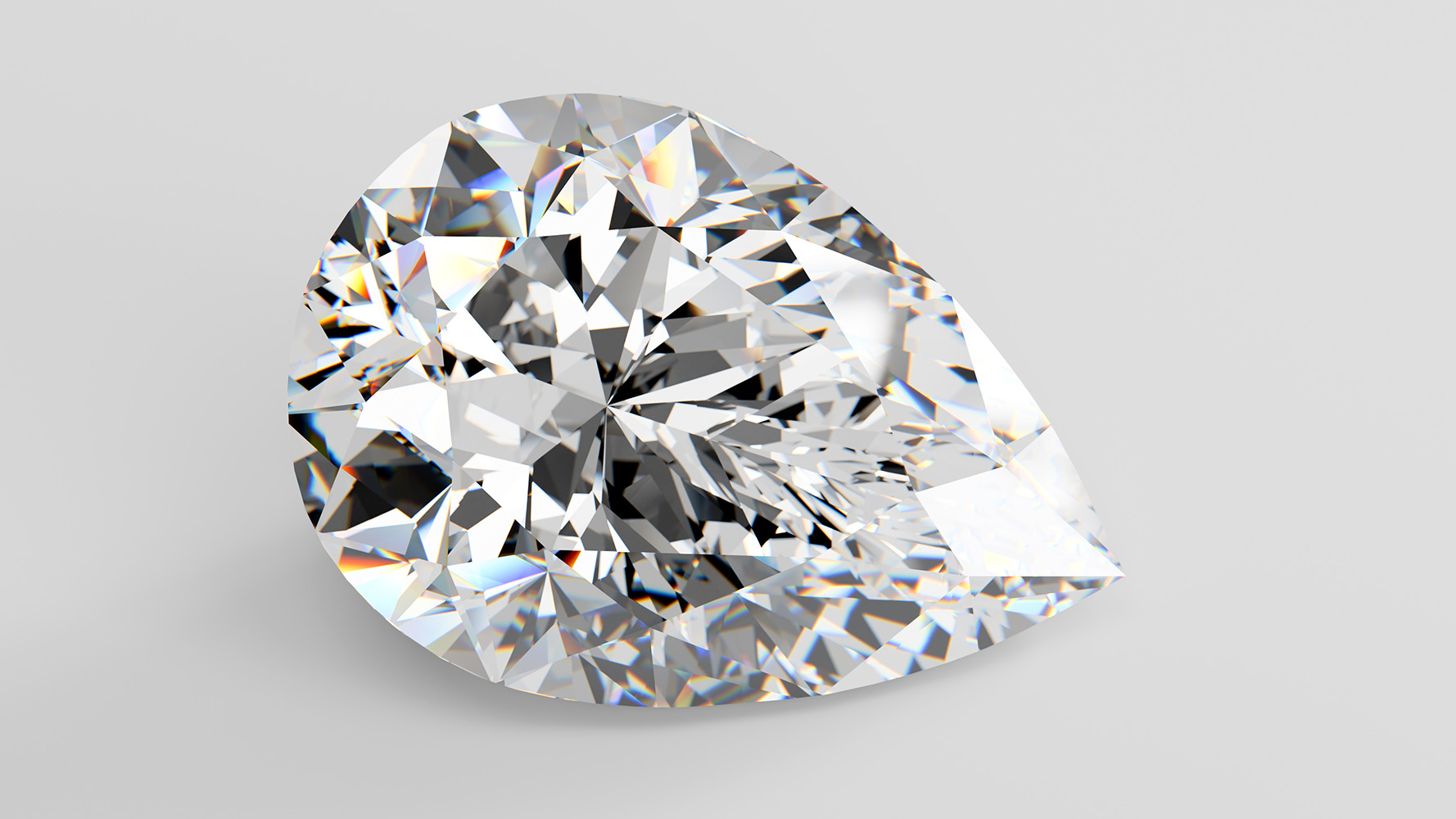
Natural Diamonds are the hardest naturally occurring material on Earth, formed deep within the mantle under intense heat and pressure. Composed entirely of carbon, their remarkable structure gives them exceptional strength and durability. Created over billions of years—long before life began—diamonds are among the oldest objects you can ever own.
Celebrated for both their beauty and cultural significance, diamonds have become synonymous with fine jewelry, particularly engagement rings. Their rarity, resilience, and emotional weight distinguish them from other gemstones. More than just adornment, diamonds symbolize commitment, love, and longevity, often becoming treasured heirlooms passed down through generations.
White Sapphire vs Diamond: Sparkle and Light Performance
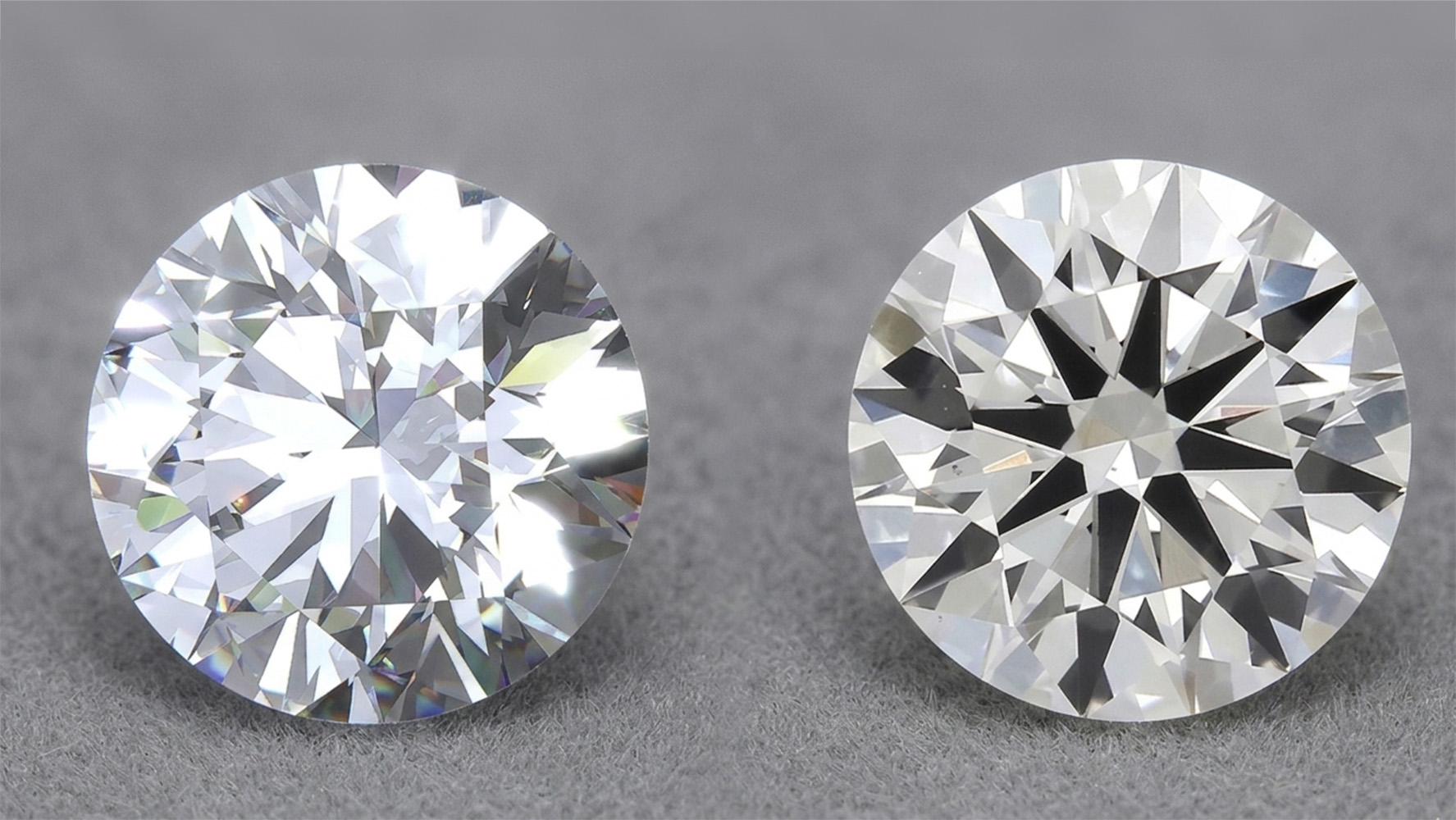
White sapphires do sparkle. But if you compare a round brilliant white sapphire and a round brilliant natural diamond side by side, the diamond will always shine brighter due to the raw composition of the stone. Here’s the science behind the difference.
Refraction
The index of refraction describes how much a material bends visible light compared to air, explains Oliver Tschauner, a crystallographer and geoscience professor at the University of Nevada in Las Vegas. Air is used as the baseline since its refractive index is one, which makes it an easy point of comparison.
When light enters a gemstone, it slows down and changes direction, which is refraction in action. The higher the refractive index, the more that light bends and sparkles. A diamond has a much higher refractive index than a sapphire, which is why colorless sapphires tend to appear more watery instead of delivering the “high-wattage” light return that diamonds are known for.
Fire
You might have heard of the term “diamond fire,” which refers to those flashes of rainbow-colored light that well-cut diamonds emit in the light. The quality of a diamond’s cut is essential to seeing those iconic rainbow flashes, but even if you were to cut a white sapphire in the exact same way, the glow would be more gray than colorful.
That’s because not all gemstones split light in the same way – a process called light dispersion. White sapphires have lower dispersion than diamonds, which gives them that silvery, more muted return in comparison with the natural ability of a diamond to split light into a vivid fire.
Do White Sapphires Get Cloudy Over Time?
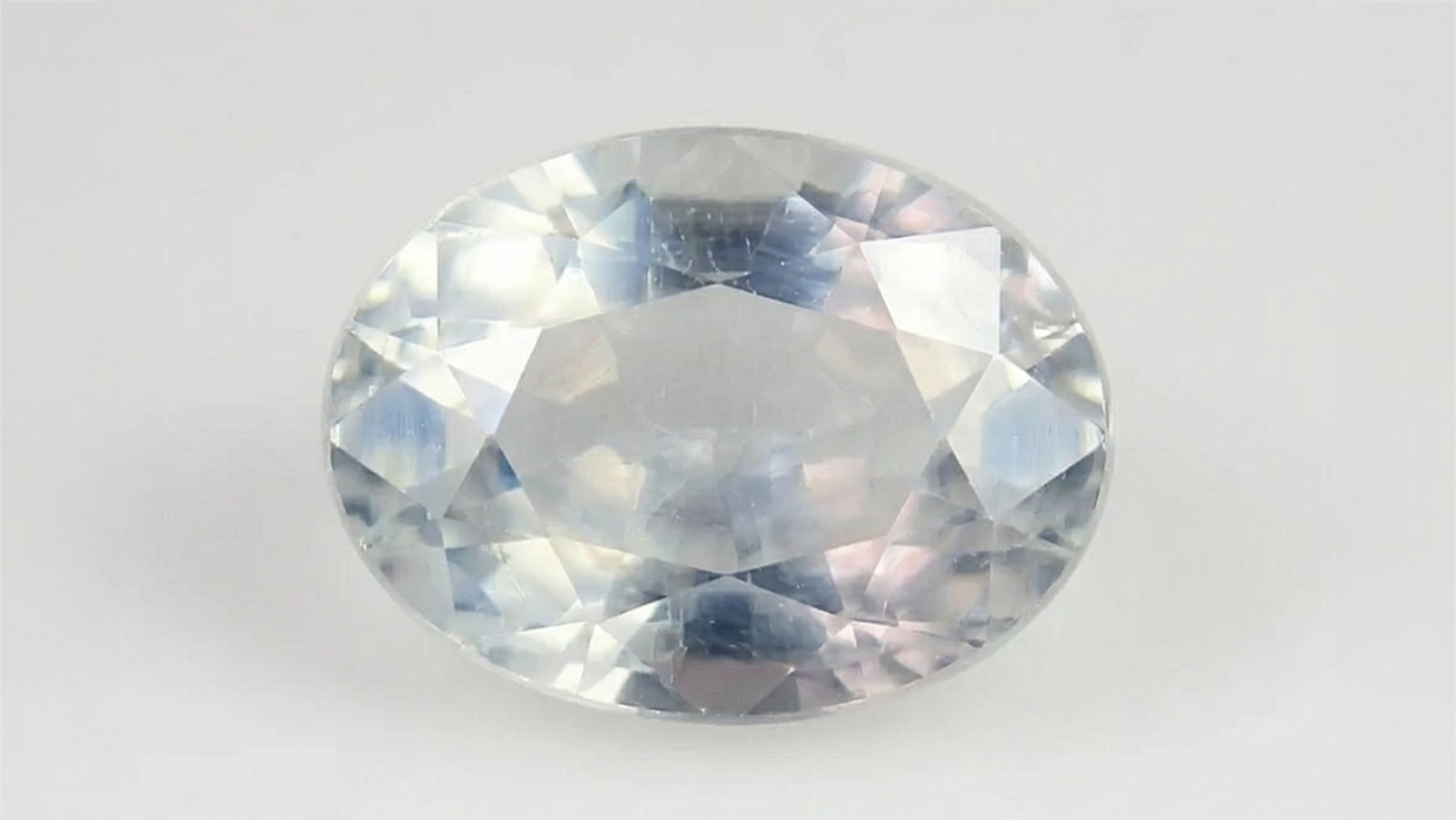
People often wonder whether a white sapphire gets cloudy over time. The short answer is yes—but it’s not permanent. Like all gemstones, white sapphires can attract oil, lotion, and everyday residue with regular wear, which can dull their appearance. Routine cleaning will easily restore their original look.
The reason this buildup is more noticeable on white sapphires comes down to how they interact with light. White sapphires have lower refractive properties than diamonds, meaning they return light in a softer, more diffuse way. Because of this, even a thin film of oil or residue can disrupt the light performance and make the stone appear cloudy more quickly.
Diamonds, on the other hand, have a higher refractive index and stronger light return, which helps them maintain brightness even when they aren’t perfectly clean. In other words, both stones can accumulate buildup, but diamonds tend to mask it better, while white sapphires may require more frequent cleaning to keep their clarity and sparkle.
White Sapphire vs Diamond: Durability Comparison
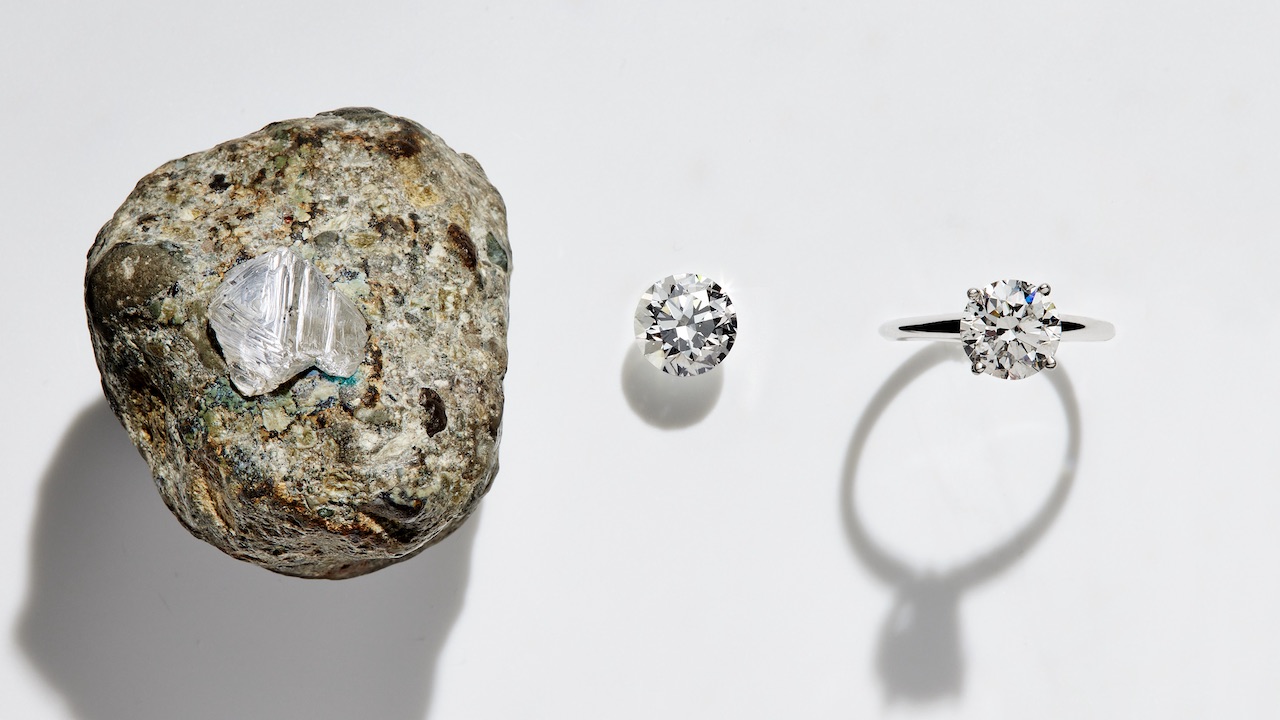
What about durability? At a 9 on the Mohs scale, which measures a mineral’s resistance to scratching, white sapphires are quite durable. That said, diamonds are the hardest natural substance on Earth – a 10 on the Mohs scale – and only another diamond can scratch a diamond.
There’s also the fact that, as Tschauner notes, a sapphire is a trigonal mineral, while a diamond is cubic. What does this technical detail mean in simpler terms? It describes how crystals form in each stone, which affects how they respond to accidental knocks and drops.
“A sapphire’s elasticity, hardness, and cleaving properties depend on the direction. It’s more sensitive to stress,” adds Tschauner. On the other hand, the crystals that make up diamonds are more symmetrical and therefore more predictable and resilient.
In practice, the durability difference between the two stones is “one of those things you notice more as the years go on, especially with rings you wear constantly,” Stapylton-Smith explains.
White Sapphire vs Diamond: Value Comparison
One of the main draws of white sapphire is its affordability, particularly as most stones on the market today are lab grown and mass produced. While the lower price point can be appealing, the value comparison between white sapphire and natural diamond extends beyond cost alone. Natural diamonds are rarer, formed over billions of years, and have long been associated with cultural and emotional significance.
White sapphires are typically purchased for their aesthetic at a more accessible price, whereas natural diamonds tend to retain stronger long-term value due to consistent demand and a well-established resale market. For many, diamonds also carry an heirloom quality, often passed down through generations, while white sapphires are generally viewed as more decorative pieces, comparble to costume jewelry.
White Sapphire vs Diamond: Environmental Impact

When comparing white sapphires and natural diamonds, environmental impact is often part of the conversation. Lab-grown white sapphires are created in controlled environments and are sometimes positioned as a more sustainable option, though their production still requires masive amounts of energy and resources.
At the same time, the natural diamond industry has made measurable progress in reducing its environmental footprint and increasing transparency around sourcing. In addition to environmental considerations, natural diamonds also play a role in supporting local economies.
Leading diamond producers generate $16 billion in net positive socioeconomic and environmental benefits annually in the countries where they operate, with 80% of these benefits remaining within local communities. The discovery of natural diamonds has brought transformative change to countries like Botswana and remote regions such as Canada’s Far North.
In contrast, the financial benefits from lab grown gemstone companies, like those producing white sapphire, mainly flow to a small group of venture capitalists and investors. These companies have yet to demonstrate the same positive socioeconomic impact as the natural diamond industry. This highlights a major distinction in the broader impact of white sapphire vs diamond.
White Sapphire vs Diamond Engagement Rings: What to Know
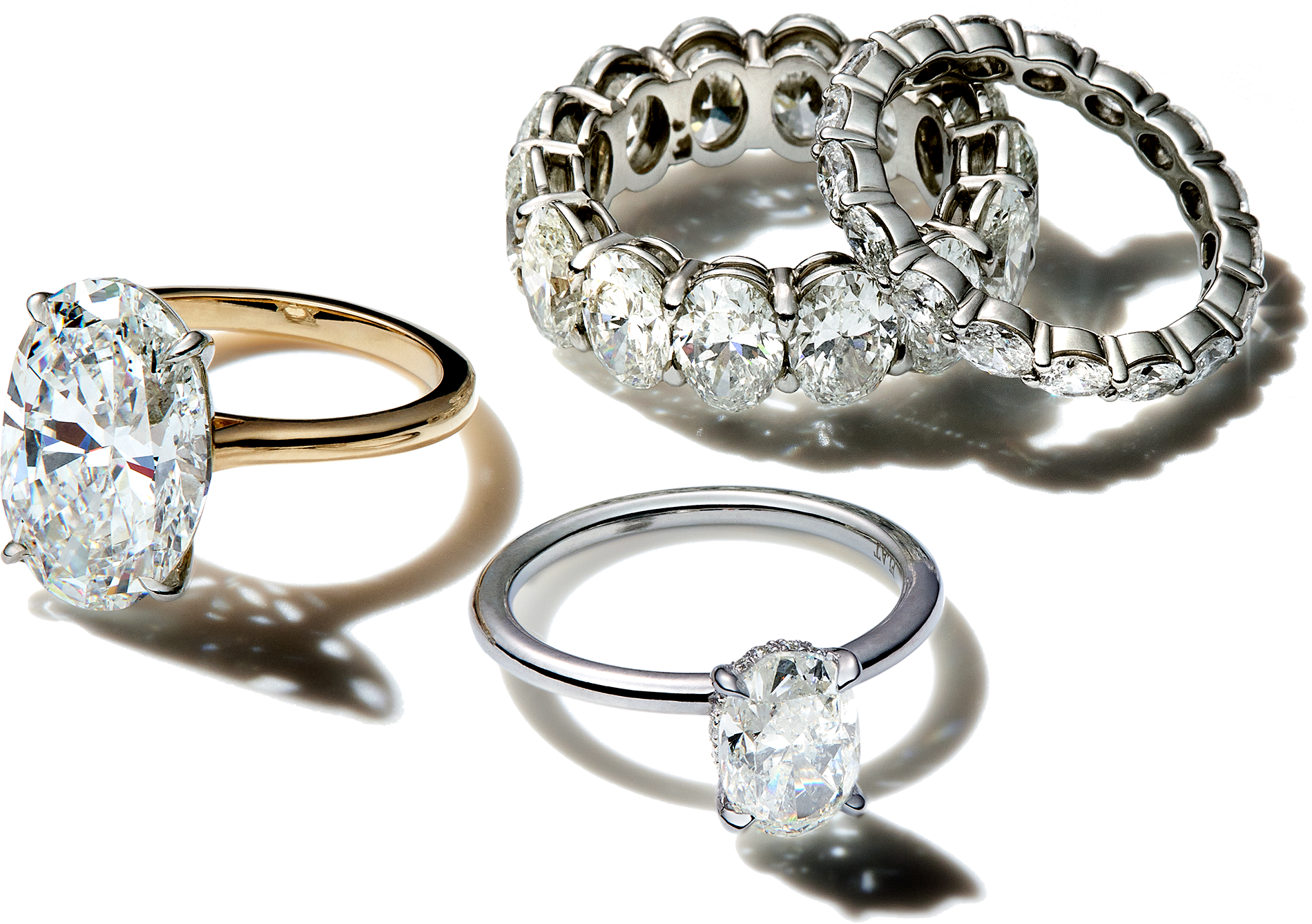
The choice between a white sapphire and a diamond is a matter of personal preference and budget, but if you’re shopping for an engagement ring, a natural diamond is your best bet for everyday wear, according to experts.
“For anything you’re going to wear every day, especially something like an engagement ring, I’d almost always suggest a diamond. It just holds up better over time and has a presence that’s hard to replicate,” says Stapylton-Smith, who adds that it’s important for people to understand that a diamond and a white sapphire aren’t direct substitutes for one another.
“A white sapphire can be beautiful, but it’s a different look, a different feel, and it will wear differently over time,” he says.
Even as trends change throughout the years, diamond engagement rings remain overwhelmingly popular – and it’s often the one purchase couples will splurge on and see as an investment.
Final Thoughts: White Sapphire vs Diamond
Ultimately, the choice between a white sapphire and a diamond comes down to what matters most to you. Each stone offers a distinct look, origin, and wearing experience—whether you prioritize softness and accessibility or brilliance and longevity. Understanding those differences ensures you choose a piece that feels right both now and over time.