< Engagement Rings & Weddings / Engagement Ring Guide
13 Daily Habits That Could Damage Your Engagement Ring
A diamond engagement ring is designed to last a lifetime, but everyday routines can affect its brilliance and setting. The experts share what to avoid— and how to protect your engagement ring for years to come.
Published: March 3, 2026
Written by: Meredith Lepore

Whether you dreamed about your engagement ring since childhood or carefully selected it after months of consideration, it is likely the most meaningful piece of jewelry you will ever own. Few natural diamond jewels become as intertwined with daily life. An engagement ring becomes part of your routine, your gestures, even your sense of self, which is precisely why thoughtful engagement ring care matters.
Diamonds are the hardest natural material on earth, formed deep within the planet and prized for their extraordinary durability. But hardness does not make a ring indestructible. Understanding how to protect your engagement ring means recognizing that the setting, the prongs, and even the surface of the diamond itself remain vulnerable to impact, pressure, buildup, and gradual wear.
For many, their engagement ring is the most precious piece in their collection, not only for the sentimental weight it carries, but for the financial investment it represents, which is precisely why most people rarely take it off.
However, experts say that some of the everyday habits you practiced long before slipping that ring onto your finger may be quietly compromising its condition over time.
Meet the Experts

Katherine Kim is the founder of KatKim, a fine jewelry brand established in 2014. KatKim is known for its sustainable fine jewelry, characterized by clean lines and unexpected silhouettes. The brand emphasizes ethical craftsmanship and has a clientele that includes celebrities like Charlize Theron and Lady Gaga.

Blake Asaad, Founder and Creative Director of GOODSTONE, a leading provider of exquisitely crafted diamond jewelry, rooted in a commitment to integrity, authenticity, and sustainability. Their collections embody timeless elegance and modern sensibilities, catering to individuals who seek adornment and a reflection of their values and aspirations.

Nehal Zaveri is the Vice President of Diamond Wish, a fourth-generation, family-owned business specializing in fine, handcrafted jewelry. With decades of generational expertise in diamond jewelry, she closely tracks modern wear habits, engagement ring trends, and evolving consumer purchasing behavior
“People don’t realize how vulnerable their engagement rings can be during everyday activities,” explains Blake Asaad, Founder and Creative Director of GOODSTONE. “While these pieces are designed to last a lifetime, they still require thoughtful care to maintain their brilliance and structural integrity.”
Katherine Kim, founder of fine jewelry brand KATKIM, says the biggest misconception clients have with ring damage is that it happens from one single, forceful drop. “In reality, it is the repetitive, subtle pressure from everyday habits like tightly gripping a steering wheel or lifting heavy tote bags that slowly misshape the metal …Gold is a malleable material, and over time, this subtle structural shift can compromise the security of the center stone.”
Ahead, natural diamond experts explain the science behind how common household activities can gradually cause wear and tear — and share practical guidance on how to protect your engagement ring from everyday wear.
Nonnegotiables: When to Always Remove Your Ring
These are the moments experts agree you should never skip; clear-cut situations where understanding how to protect your engagement ring means removing it before unnecessary wear or structural stress can occur.
Sleeping
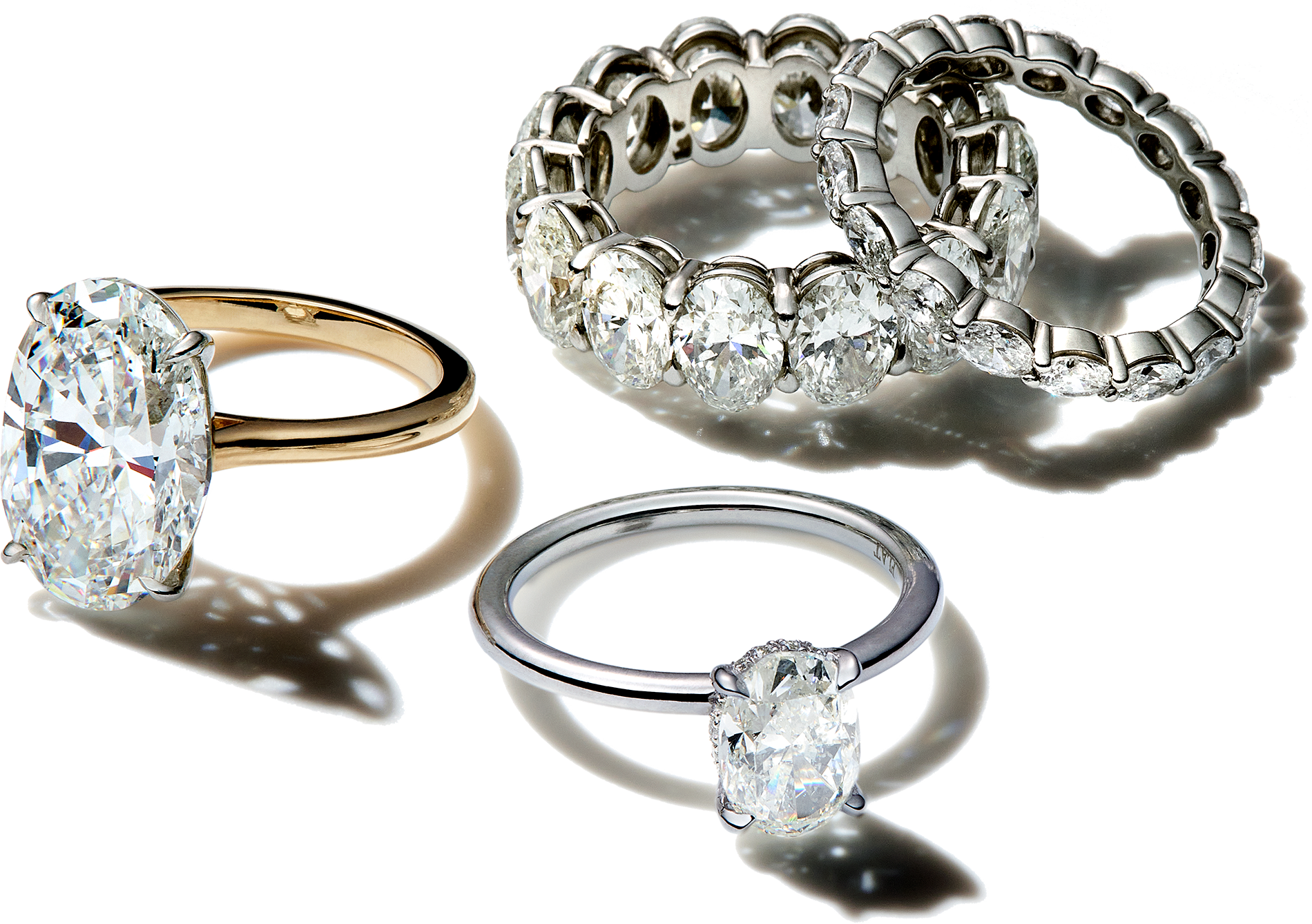
Though sleeping seems like the most innocuous activity, many of us toss or turn during the night more than we realize—or at least move our hands constantly. Asaad says these types of movements can cause the prongs on your ring to catch on bedding, potentially loosening the setting.
“The metal in your ring is more delicate than people think,” he says. “Repeated pressure and friction during sleep can bend prongs, and once they’re weakened, your stone becomes vulnerable to falling out.”
He adds that beyond structural damage, sleeping with your ring on can also lead to uncomfortable swelling. Your fingers naturally expand during the night, and a ring that fits perfectly during the day can feel tight by morning.
Working Out
We have bad news for workout addicts. Kim tells Only Natural Diamonds that working out is undeniably the most damaging activity to your ring— and one of the most overlooked aspects of engagement ring care when considering how to protect your engagement ring long term.
“Gripping heavy metal dumbbells or kettlebells while wearing a piece of fine jewelry puts direct, intense pressure on the shank of the ring. This can easily bend the band, which in turn pulls the prongs out of alignment and leaves your diamond vulnerable to falling out. I always advise clients to take their rings off before heading to the gym. The risk of long-term damage is simply too high,” she says.
The good news? It’s easy to make removing your ring part of your pre-workout routine, by storing it securely in a ring case or designated pouch.
Cleaning
You may not have to give up cleaning your house altogether, but you should remove your ring before you start. Many household cleaning products can be damaging to a diamond ring — not necessarily to the diamond itself, but to the metal that holds it in place. Bleach, ammonia, chlorine, and other harsh chemicals can discolor or weaken gold and even compromise platinum.
Diamonds are extraordinarily durable and highly resistant to chemical damage, so the stone itself is unlikely to be harmed by typical household cleaners. The greater risk lies in the setting: corrosive substances can erode prongs, thin out the shank, or loosen the structure that secures the diamond.
Proceed With Care: Remove Your Ring When Possible
Not every situation requires immediate removal, but when it comes to engagement ring care, knowing how to protect your engagement ring means recognizing these everyday moments when taking it off can help prevent gradual wear and unnecessary stress.
Showering and Bathing
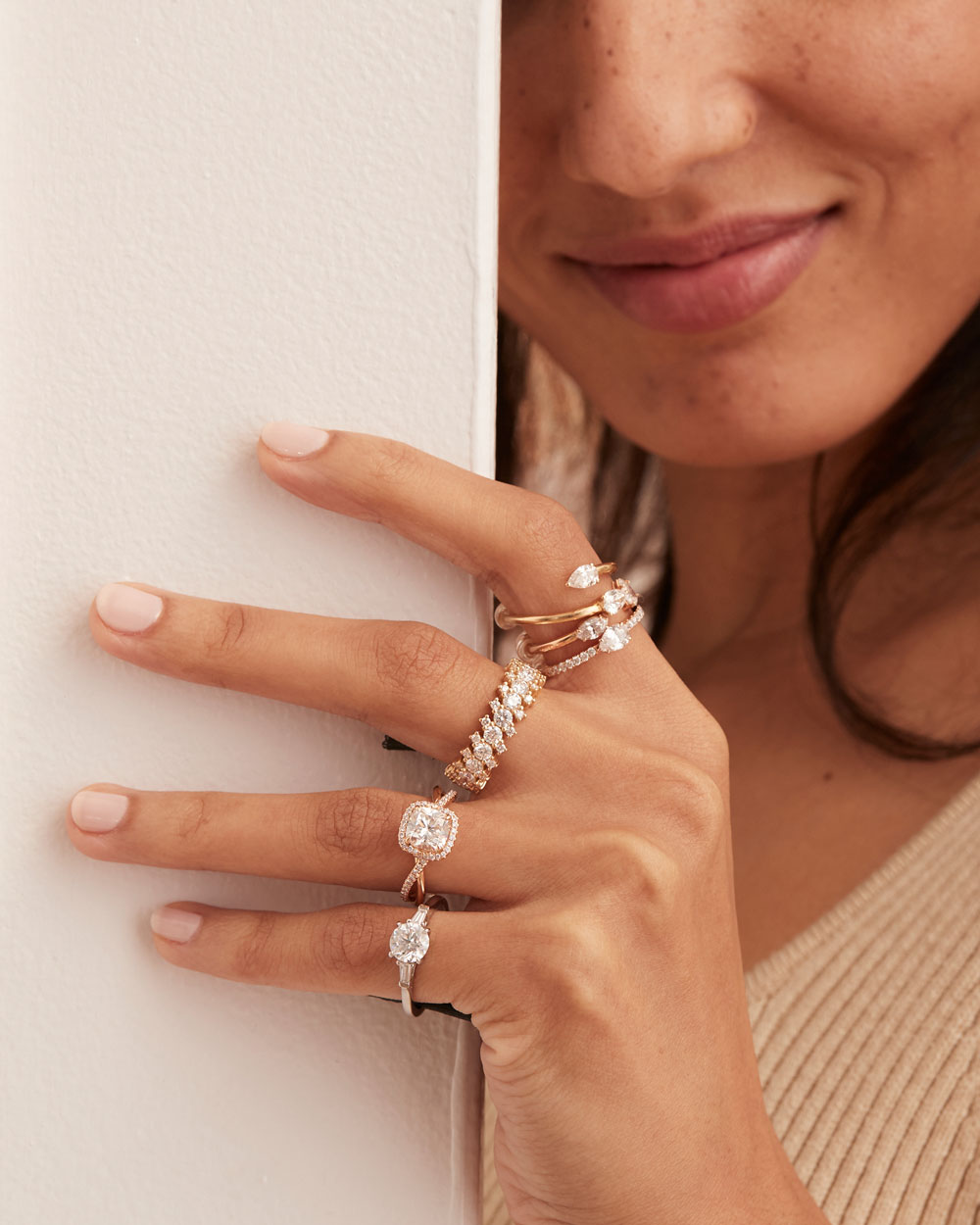
There are also common misconceptions about water and your diamond engagement ring. When it comes to engagement ring care and understanding how to protect your engagement ring, Asaad explains that water itself will not harm a natural diamond, but what’s in the water can. Soap, shampoo, conditioner, and body wash often contain oils, waxes, and chemical agents that leave behind a residue, creating a cloudy film on the setting and dulling the diamond’s brilliance.
“People often wonder why their ring doesn’t shine as it used to,” Asaad says. “More often than not, it’s because they’ve been showering with it on. The buildup from daily products is gradual but significant.”
He adds that hot water poses another, less obvious risk. While diamonds themselves are waterproof and remarkably durable, the metals that secure them are not immune to extreme temperature changes. Repeated expansion and contraction can gradually weaken prongs or settings, compromising the ring’s structural integrity.
Skincare Application
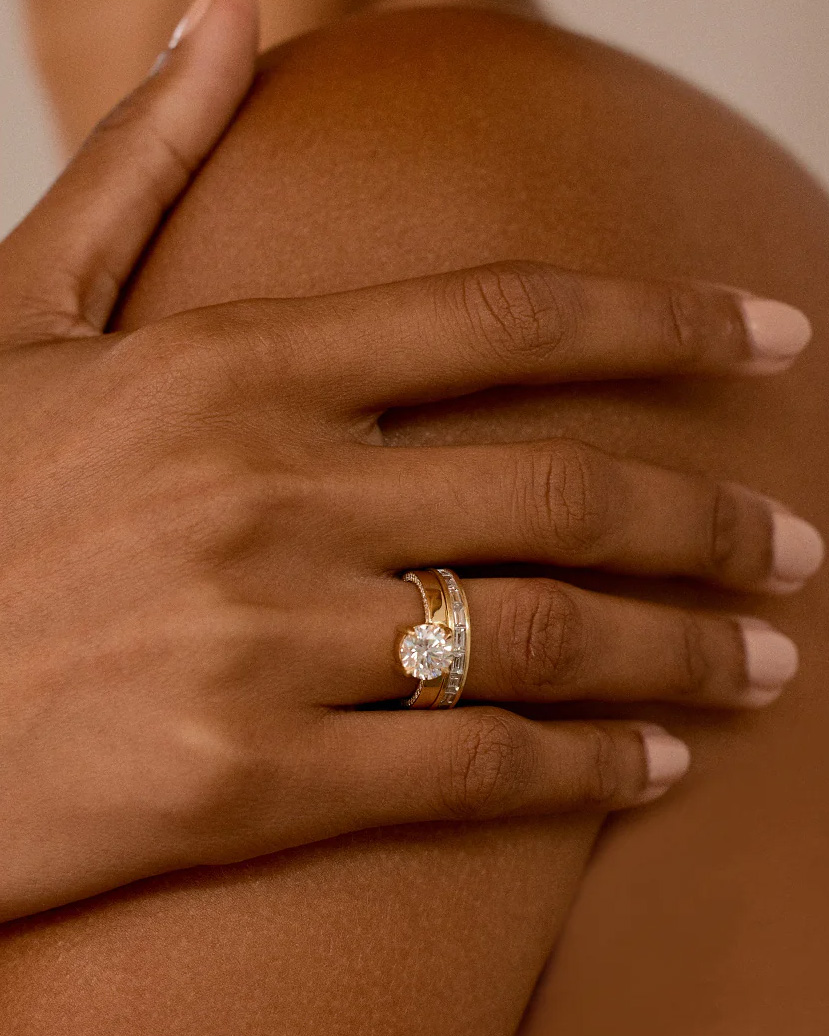
For many people, a daily skincare ritual is a small luxury, a quiet moment of calm. But when considering engagement ring care and how to protect your engagement ring, it’s worth noting that lotions, creams, oils, and sunscreens often contain ingredients that cling to a diamond’s surface, forming a film that interferes with how light enters and reflects through the stone.
“The brilliance of a diamond comes from how light moves through it,” Asaad explains. “When you apply products with your ring on, you’re coating it in a layer that blocks that light.”
He adds that certain active ingredients can also affect the metal. Retinols, exfoliating acids, and other potent formulas may contribute to tarnishing or discoloration, particularly on delicate finishes.
Kim notes that while natural diamonds are incredibly resilient, the metals and settings holding them are far more susceptible.
“Hand sanitizer is a major culprit in modern daily life. The harsh alcohols won’t damage the diamond itself, but they can quickly eat away at the rhodium plating on white gold rings, causing them to look yellowed and dull much faster than normal. Thick lotions are also notorious for getting trapped beneath the stone, blocking the light and stripping the diamond of its brilliance until it is professionally cleaned,” she says.
Nehal Zaveri, vice president of Diamond Wish, a fourth-generation, family-owned business dedicated to creating fine, handcrafted jewelry, estimates that product buildup contributes to roughly 15–25% of jewelry repairs.
“Lotions, soap, hand sanitizer, and household cleaners don’t typically cause immediate structural failure but they accelerate wear and conceal problems. This includes: Trapped moisture and chemicals against metal, masking loosened stones, temporarily stabilize a shifting diamond until cleaning reveals movement and dull brilliance. Chlorine exposure deserves special mention. Repeated exposure to chlorinated water can weaken gold alloys, particularly in white gold,” she says.
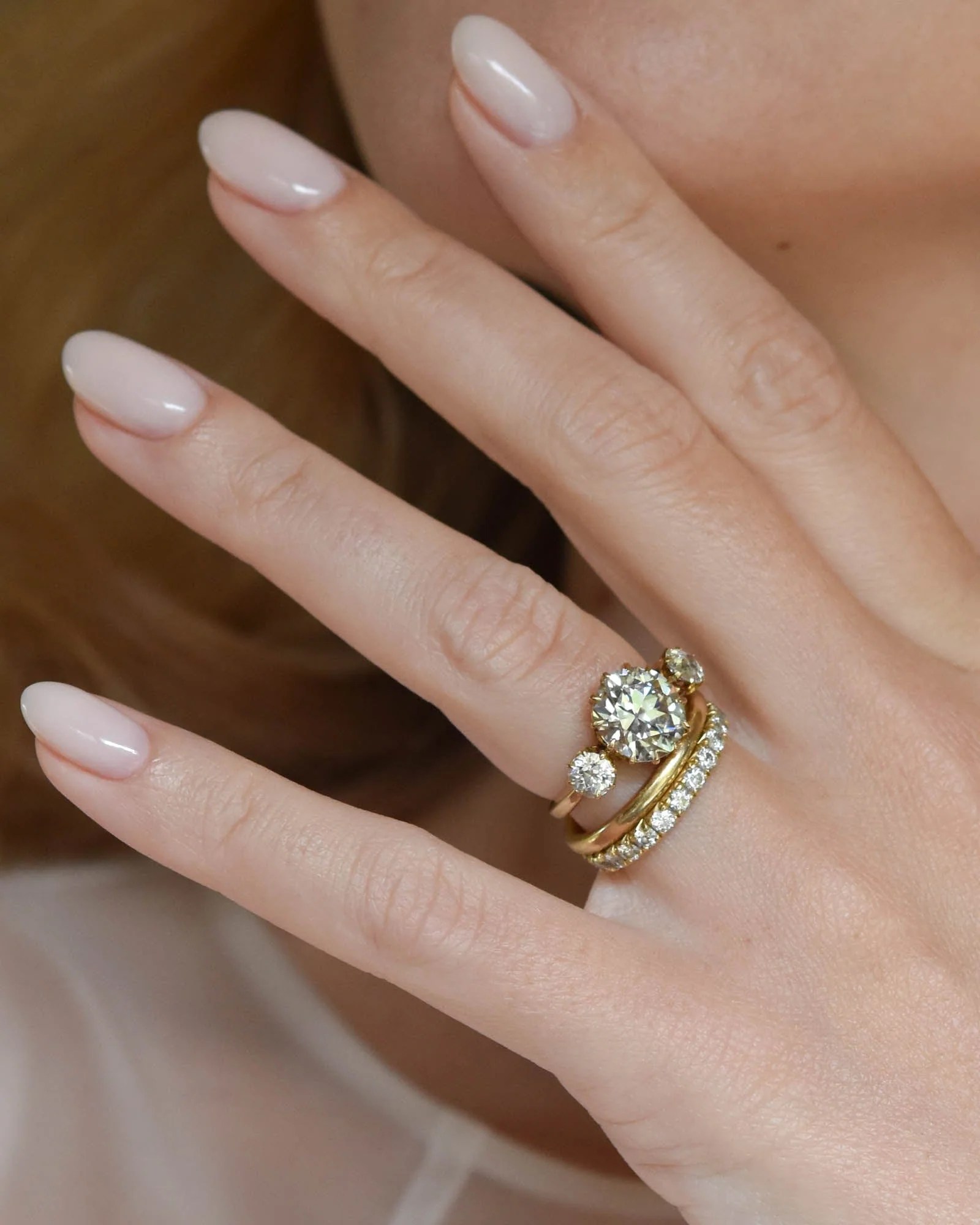
Zaveri points to several common culprits:
Self-tanner creates heavy buildup and surface discoloration. While it does not structurally damage diamonds or metal, it can leave stubborn residue beneath settings, temporarily yellow prongs, and mask loose stones.
Retinol and active skincare ingredients do not chemically harm diamonds, but they leave residue on metal, accumulate around prongs, and dull surface brilliance.
Dry shampoo and hairspray release a fine particulate mist that settles into settings. Over time, particles can compact beneath a center stone, reduce light return, and even temporarily stabilize a loose diamond until cleaning reveals movement.
Sunscreen, particularly oil-rich formulas, is one of the most common causes of cloudy-looking diamonds during the summer months.
In nearly every case, the diamond itself remains intact. It is the buildup, the metal, and the setting that quietly bear the impact. Regular ring cleaning — both gentle at-home care and professional cleanings by your jeweler — can remove residue before it masks loose prongs or accelerates wear, helping preserve your diamond’s brilliance and the integrity of its setting.
Cooking and Food Prep
You may want to queue up Seamless, because your kitchen can be surprisingly tough on a diamond ring. When thinking about engagement ring care and how to protect your engagement ring, cooking is one of the most overlooked risk zones. According to Asaad, handling ingredients — especially dough, raw meat, citrus, and sticky foods — poses more risk than most people realize. Grease and food particles can lodge beneath the setting, leading to bacterial buildup and a noticeably dulled stone.
For avid bakers, dense doughs and thick batters create resistance that can tug at prongs as they’re kneaded. Citrus, vinegar, and salt are mildly corrosive to metals, and repeated exposure can gradually compromise certain alloys. Add in the inevitable knocks against pots, pans, and stone countertops, and it’s easy to see how settings can become misaligned.
In short, the kitchen can quickly turn into a war zone for your ring.
Everyday Micro-Impacts
It’s often not one dramatic blow but the small, repeated pressures of daily life that can damage or dull your engagement ring over time. Understanding how to protect your engagement ring means being mindful of these subtle, cumulative impacts.

Tapping on Counters
That absentminded finger tap while working or scrolling may feel harmless, but repeated impact against a hard surface can take a serious toll on a ring. Zaveri estimates that impact accounts for roughly 70–80% of engagement ring repairs. “Direct or repeated micro-impact is responsible for nearly all structural failures we see in engagement rings. This includes: Knocking a ring against countertops, gripping gym equipment, striking cabinet handles or repetitive pressure from weights or tools.”
Kim points out that stone surfaces in particular are quiet hazards. “Many of us have a habit of tapping our hands on the kitchen counter or accidentally knocking our rings against the bathroom vanity while getting ready. Because materials like granite, quartz, and marble are incredibly dense and hard, a surprisingly light tap at the wrong angle can chip the edge of a diamond or deeply scratch the gold.”
Zaveri adds that abrasive surfaces such as granite, ceramics, and stone can gradually flatten prongs and thin the underside of the band through repeated contact.
Driving
If you grip the steering wheel tightly during your commute, your ring may be paying the price. Repeated friction against the wheel can create micro-scratches in the metal and gradually thin the bottom of the band. Constant pressure, especially over long drives, may also stress prongs and subtly distort softer metals such as gold. Fastening a seatbelt, brushing against the console, and handling keys all add small but cumulative micro-impacts.
Carrying Heavy Bags
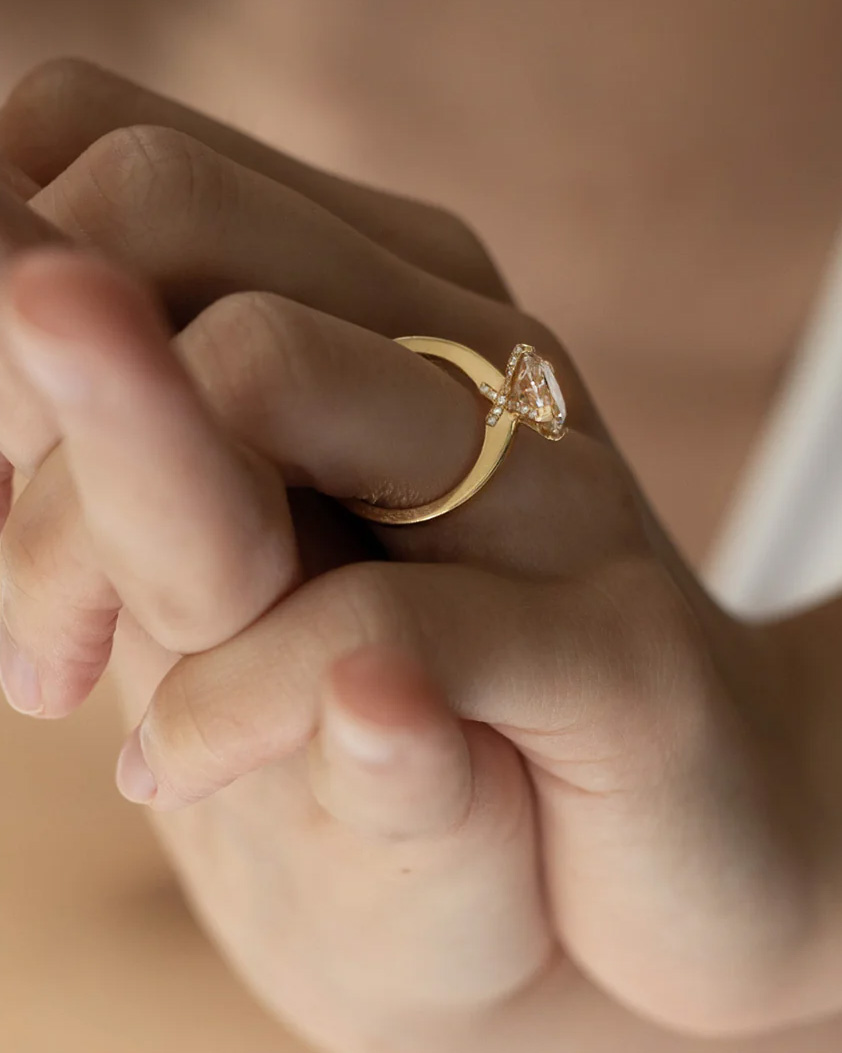
Thin plastic or paper handles can concentrate surprising pressure on the underside of the band. Zaveri notes that while it may feel harmless in the moment, repeated compression in the same area can gradually weaken the metal.
Pushing a Stroller or Shopping Cart
The issue here is sustained pressure rather than sudden impact. Constant forward force places stress on the lower half of the ring and its side prongs, leading to subtle but progressive metal fatigue. It’s another reminder that knowing how to protect your engagement ring often comes down to minimizing prolonged strain.
Making the Bed
Even routine chores like making the bed can pose a risk. As Zaveri explains, “This surprises almost everyone. Prongs can snag on sheets or duvet covers, gently lifting with time. A ring that starts ‘catching’ fabric is often already compromised.”
Opening Car Doors
Car door frames are typically harder than gold or platinum. “A quick, absentminded knock while getting in or out of a car is one of the most common sources of prong displacement,” Zaveri says.
Pet Care
Furbabies are family, of course, but caring for pets can also introduce unexpected strain. “Holding leashes, bathing dogs, or gripping collars creates sudden, forceful tension on the band. Leash jerks, in particular, can bend delicate settings more than people realize,” says Zaveri.
How to Protect Your Engagement Ring Today
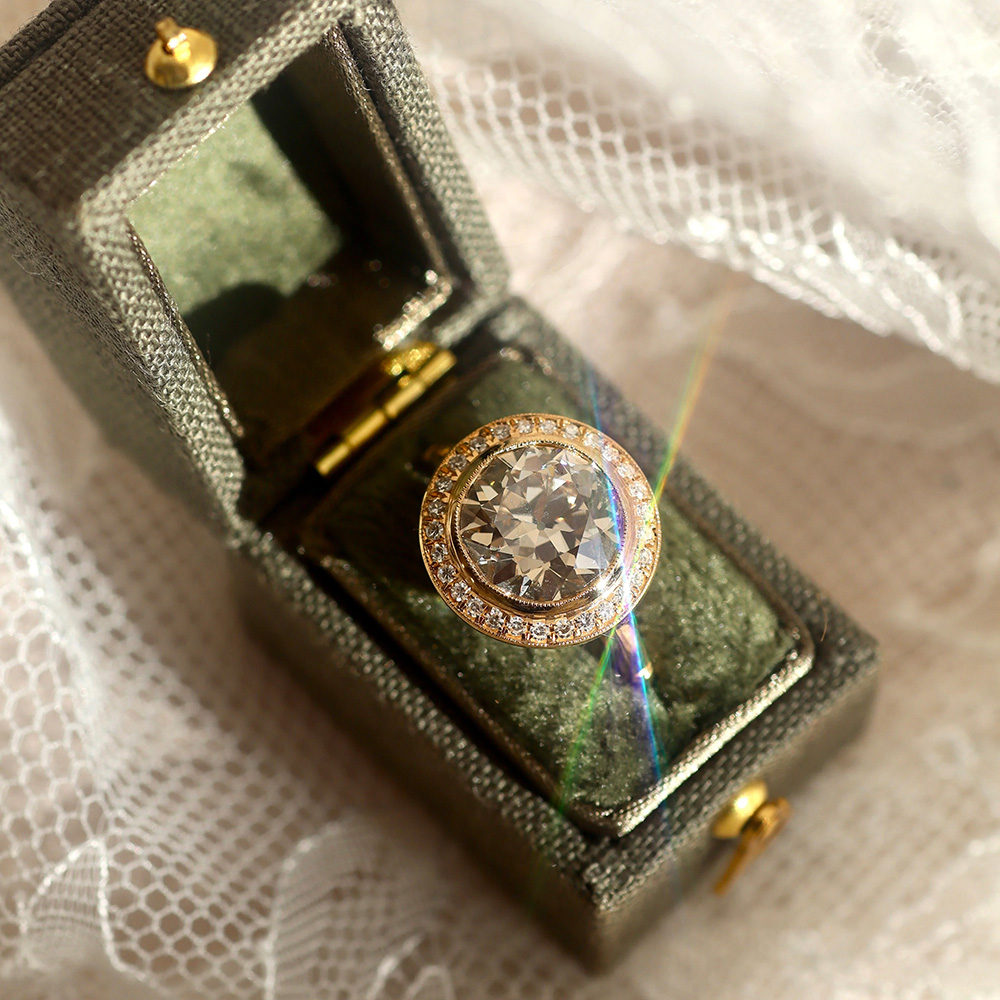
Asaad says, “Your engagement ring is one of the most significant purchases you’ll ever make, both emotionally and financially. Removing it when necessary ensures it lasts for generations. The good news is that protecting your ring is easy. Developing the habit of removing it during these activities will dramatically extend its life and preserve its beauty. Keep a small ring dish near your bed, in your bathroom, and by your gym bag as reminders.”
Zaveri adds that because of today’s 24/7 wear culture, proactive maintenance is no longer optional. Where previous generations could wait several years between professional inspections, modern daily wearers should consider annual — even biannual — checkups to catch thinning prongs or subtle structural shifts before they result in stone loss. This is an essential part of an essential part of understanding how to protect your engagement ring long term.
Beyond simply giving your ring a break, routine maintenance matters. If you notice your diamond losing its sparkle or the setting showing signs of wear, regular checkups with your jeweler can help identify potential issues before they become serious repairs.
A natural diamond may be the hardest material on earth, but thoughtful care — especially in an era of constant wear — is what ensures your engagement ring remains as brilliant decades from now as it is today.