
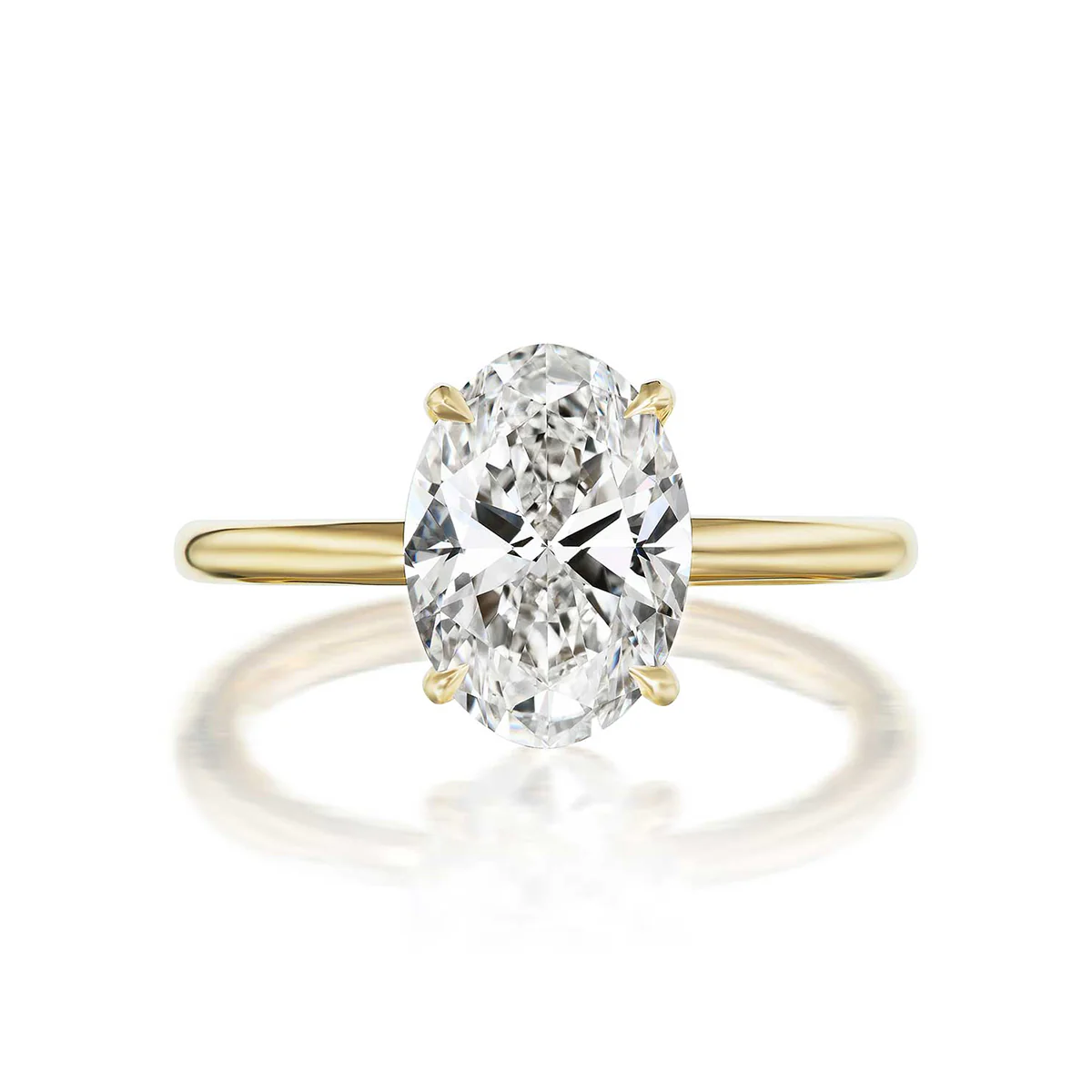
Prong Setting

East West Prong Setting
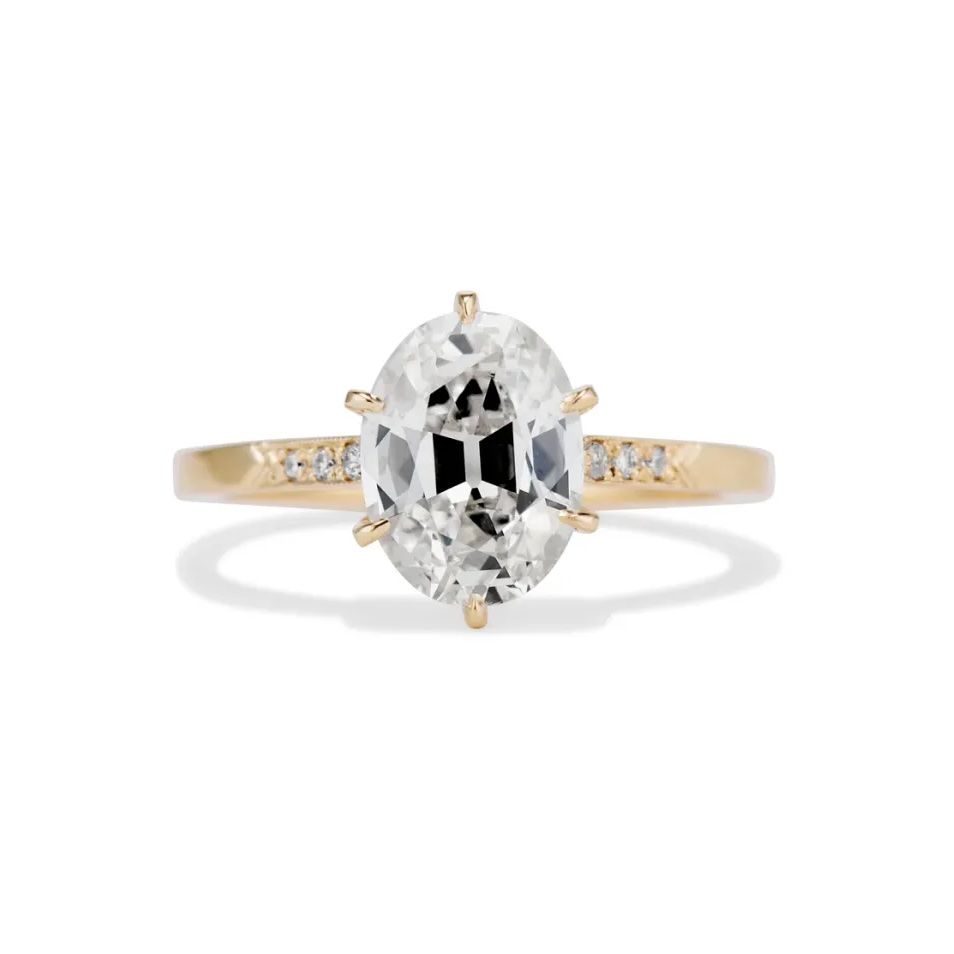
Tiffany Prong Setting
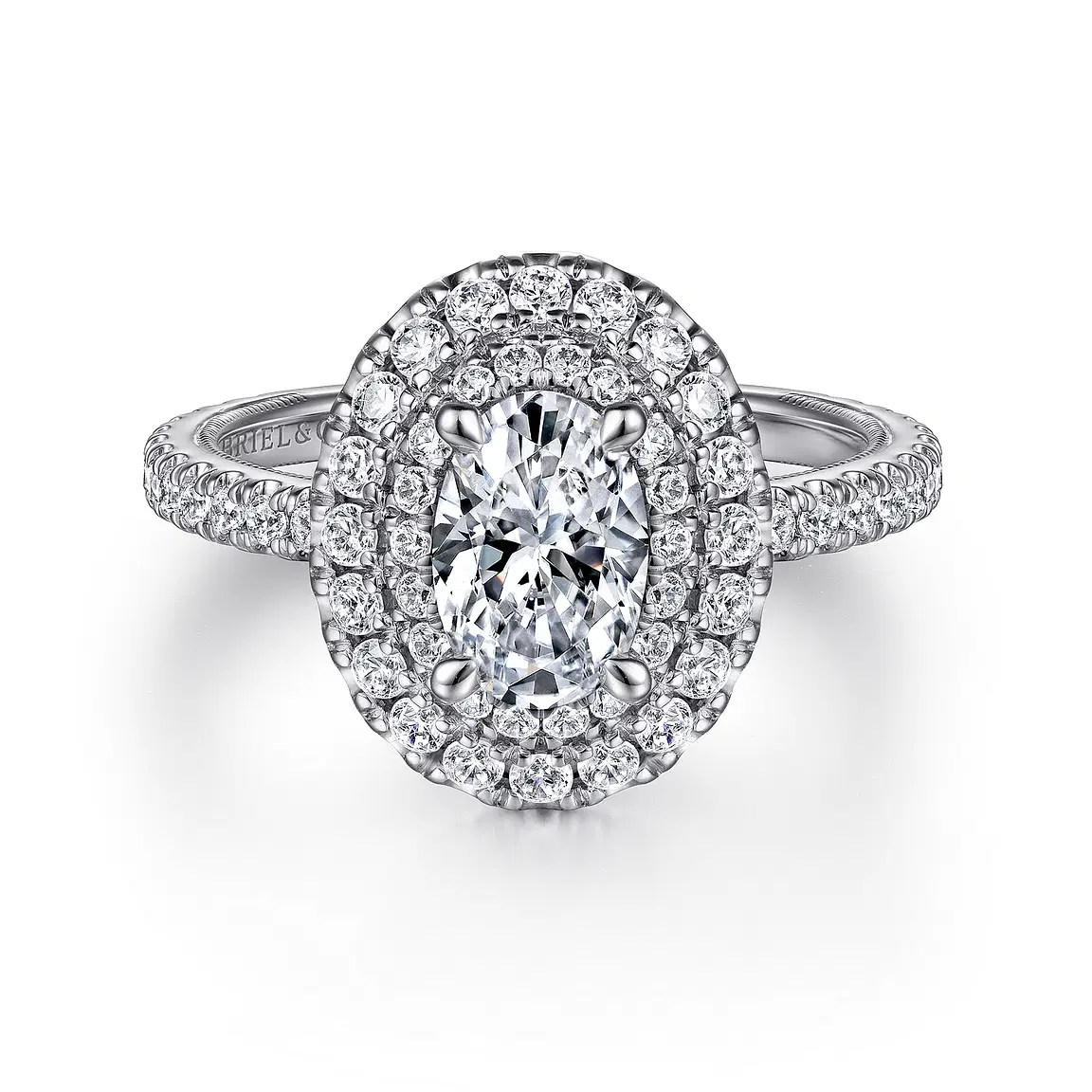
Halo Setting
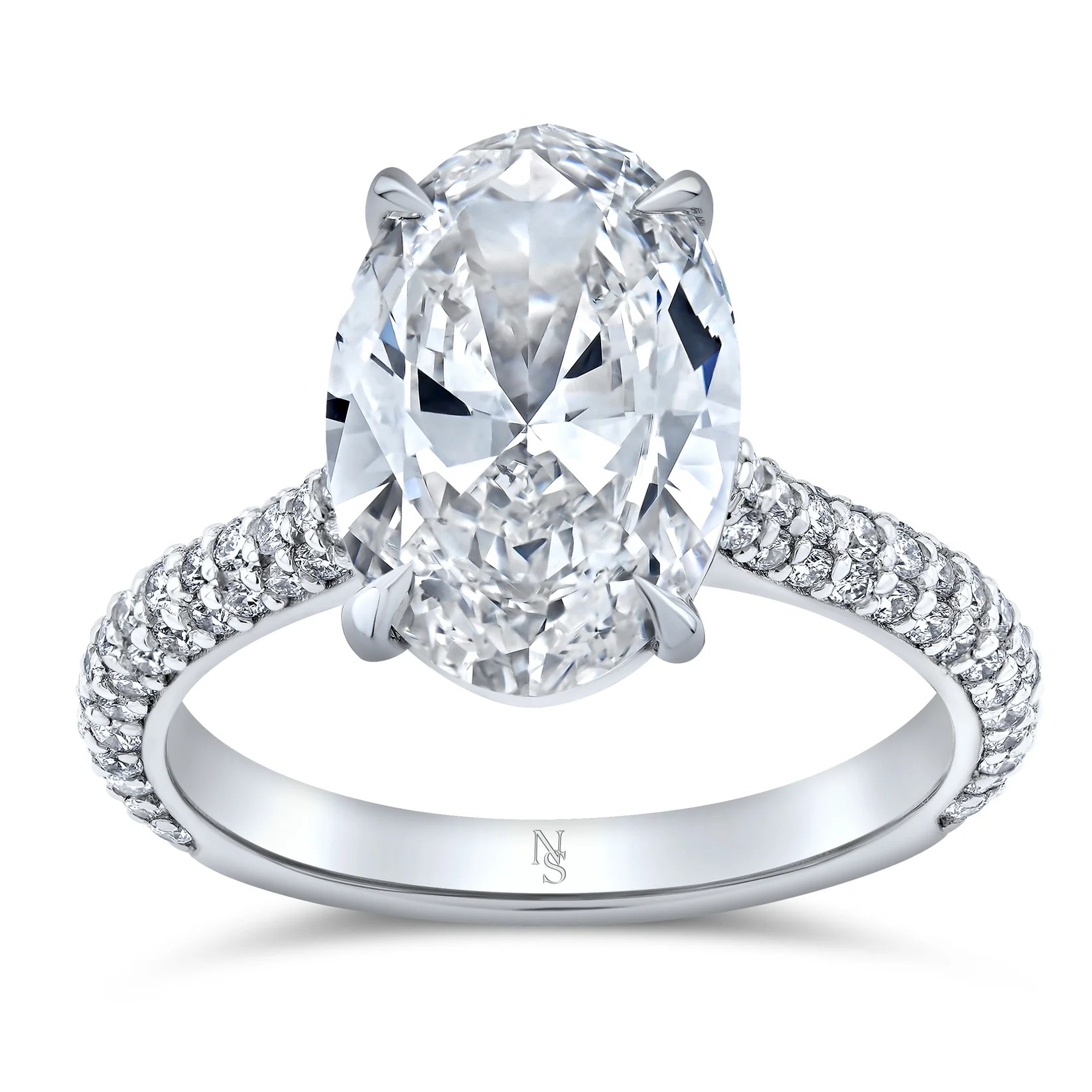
Pavé Setting

Three-Stones Setting
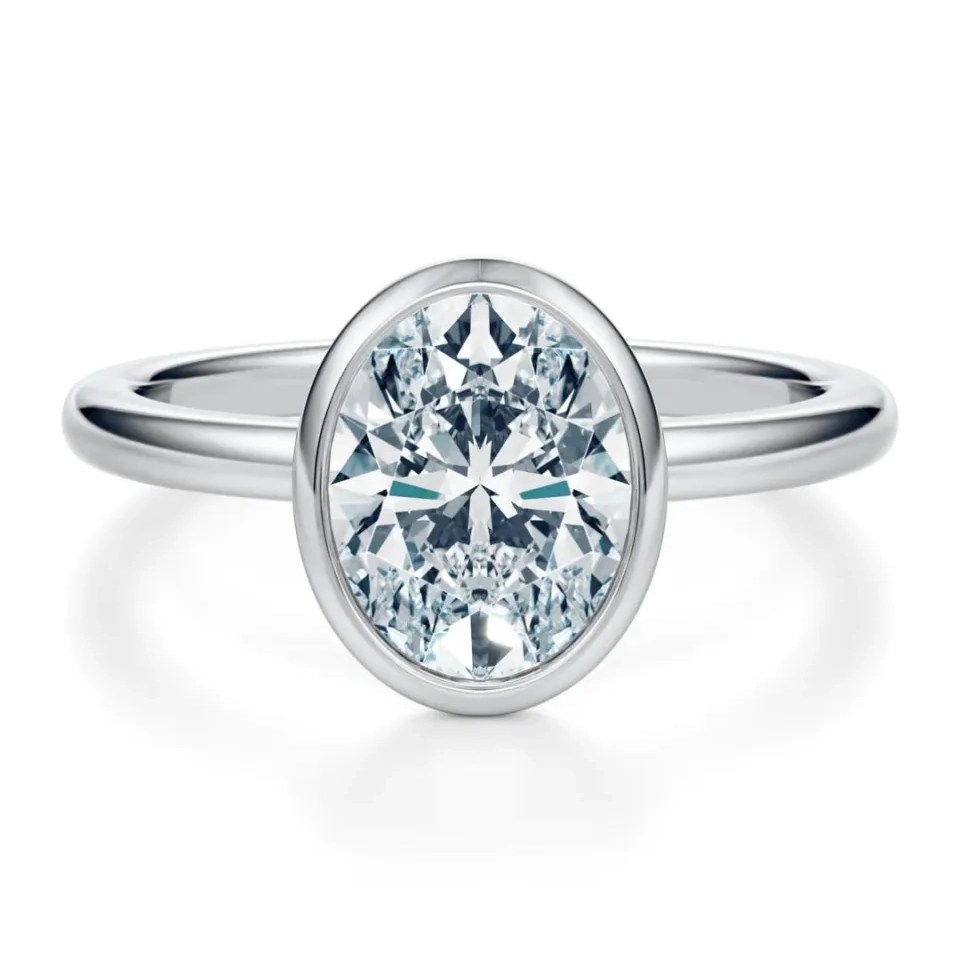
Bezel Setting
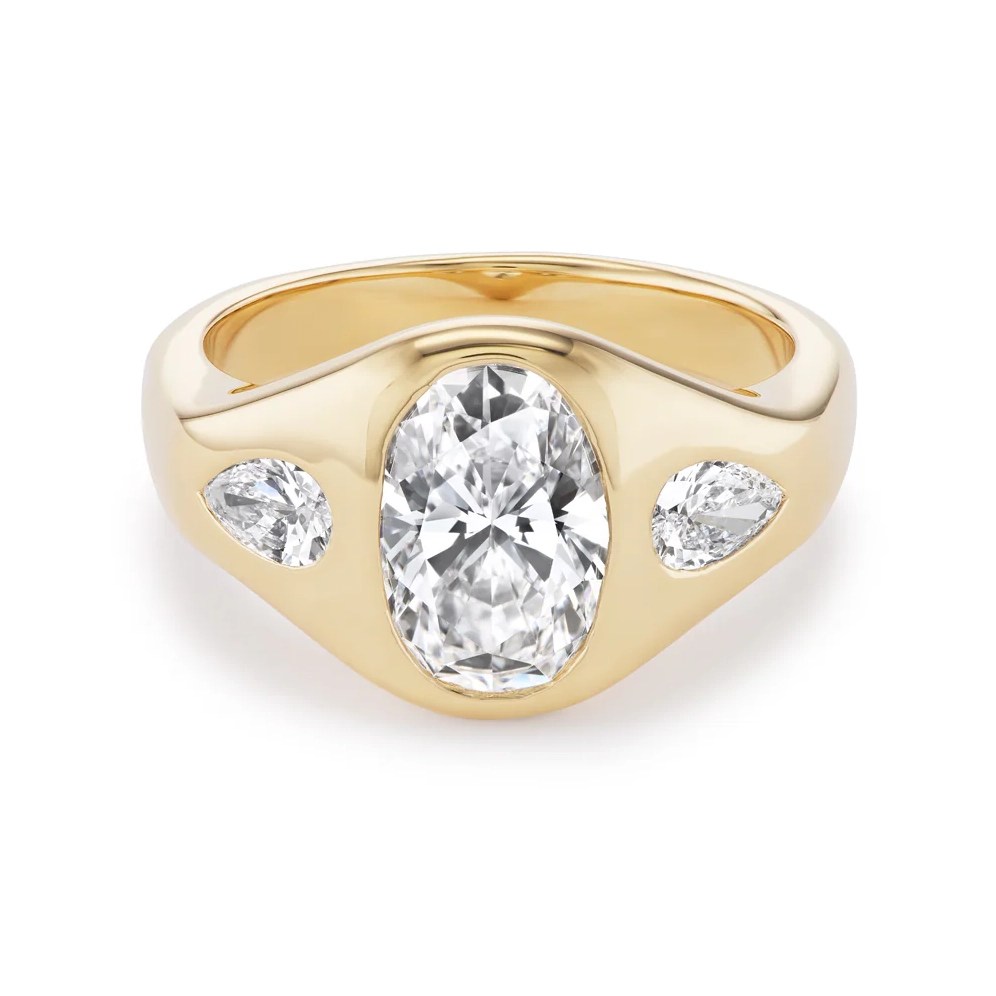
Three-Stones Setting
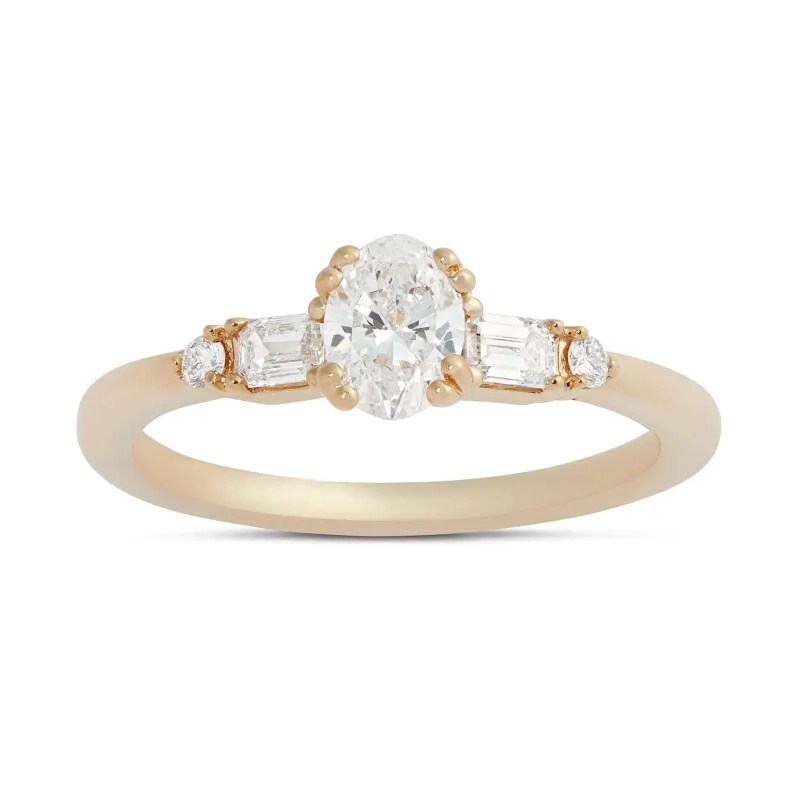
Cluster Setting
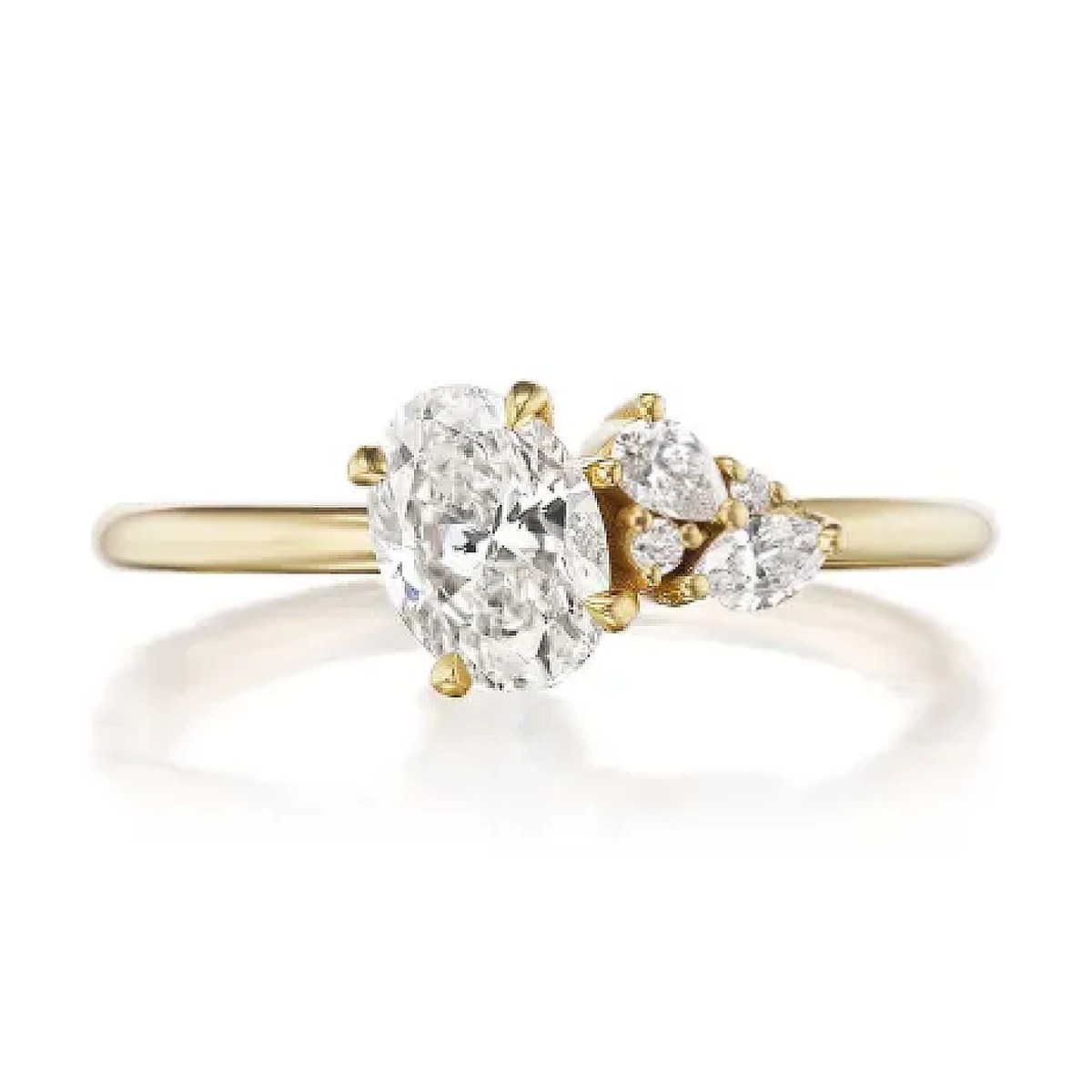
Cluster Setting
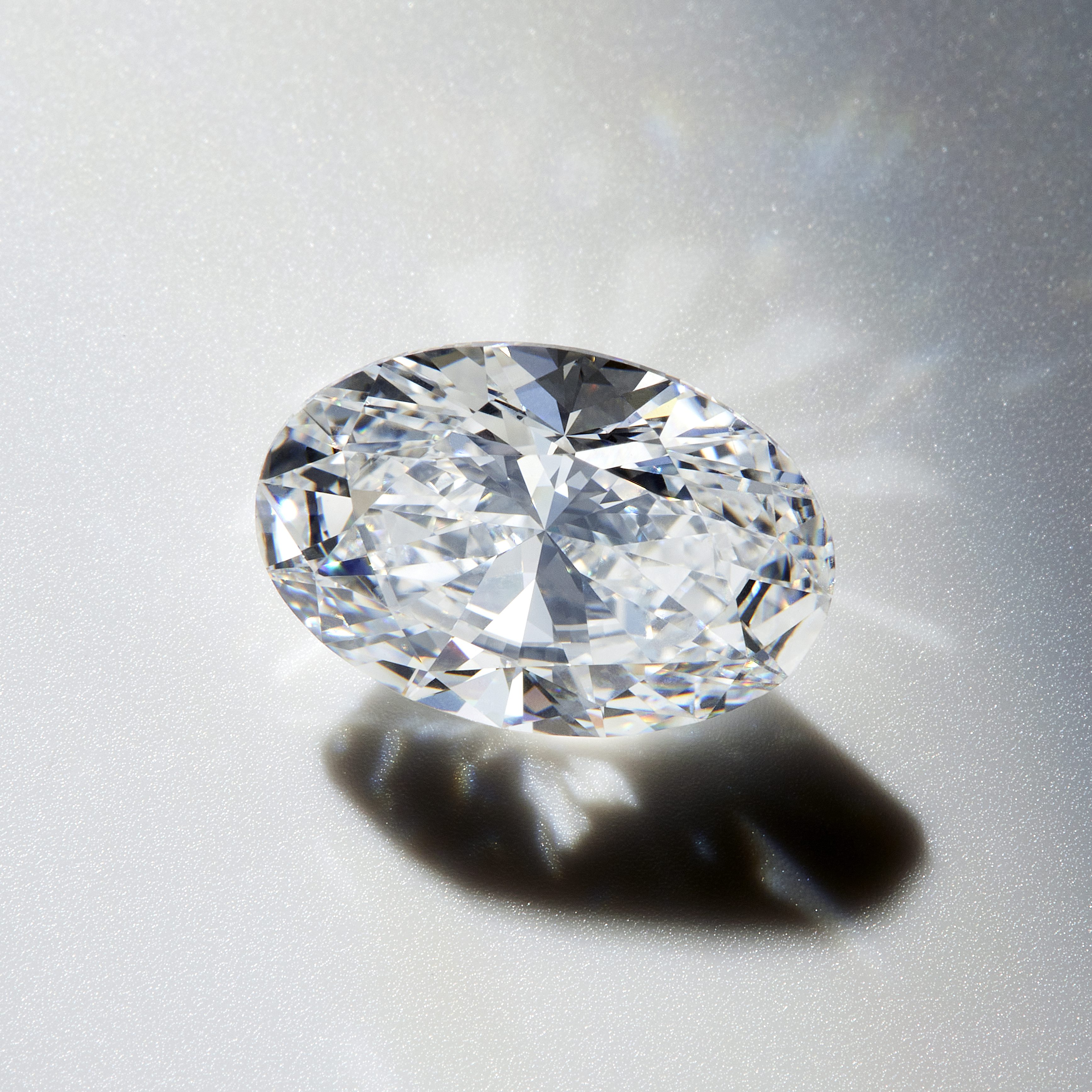
Oval Diamond
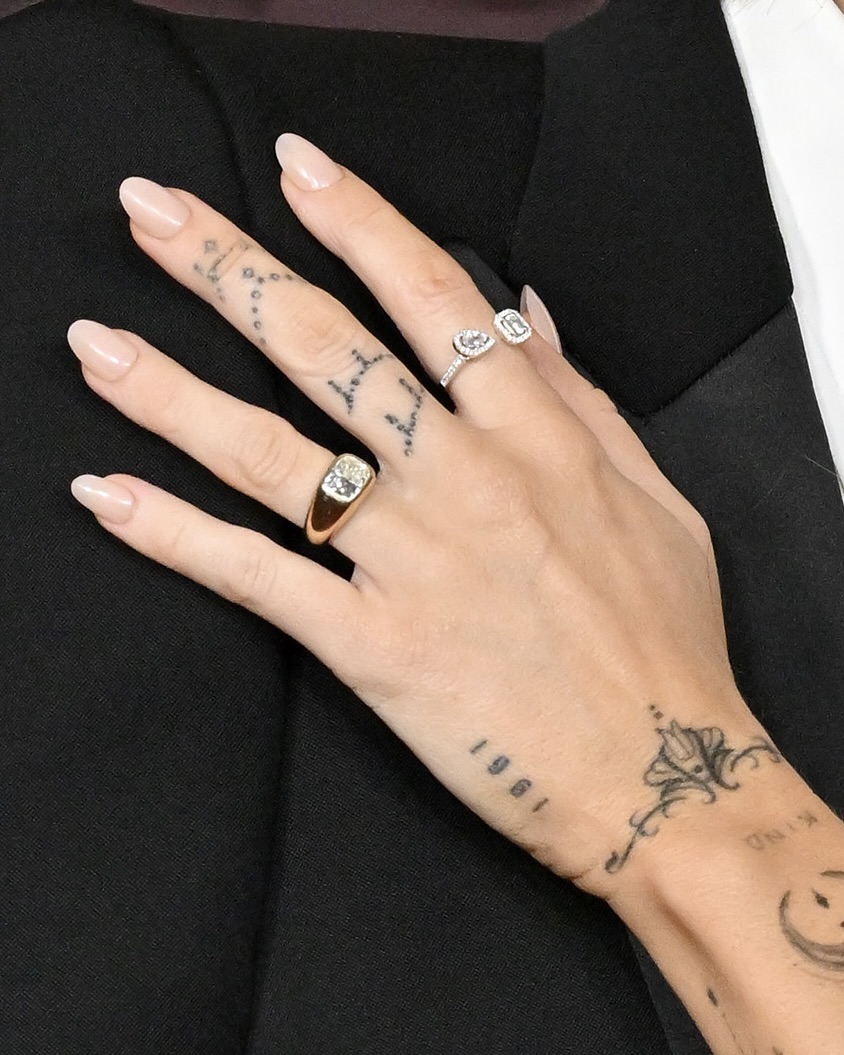
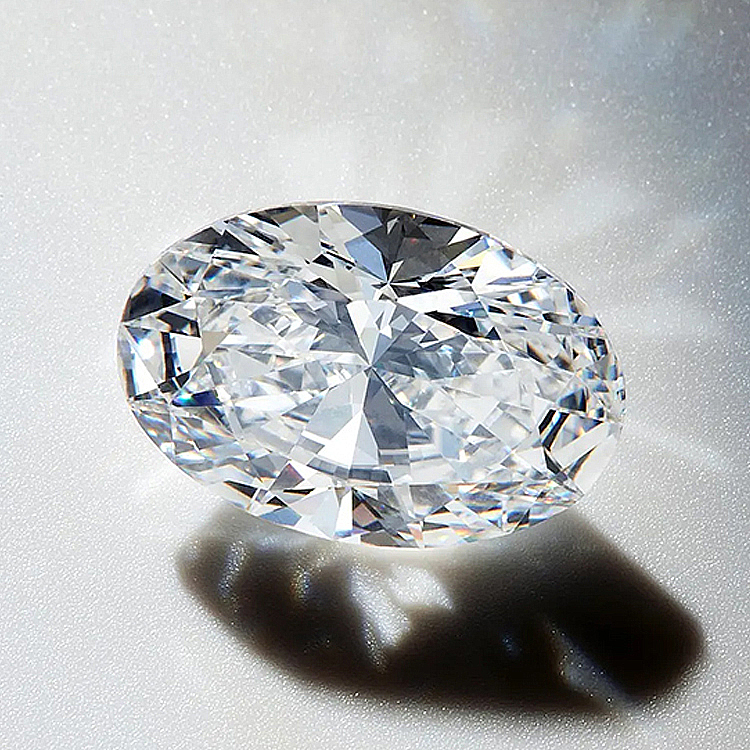
The oval cut is an elongated version of the round brilliant cut, combining the brilliance of a round diamond with a more unique, oval shape. With 58 facets, oval shaped diamonds produce the same sparkle and fire as the round cut, but its elongated shape creates a larger appearance. In recent years, oval cut diamonds have surged in popularity, showing up on the fingers of celebrities like Hailey Bieber and Blake Lively.
Because of its elongated proportions, the oval cut is especially flattering on shorter or wider fingers, creating a lengthening effect while maximizing perceived size.

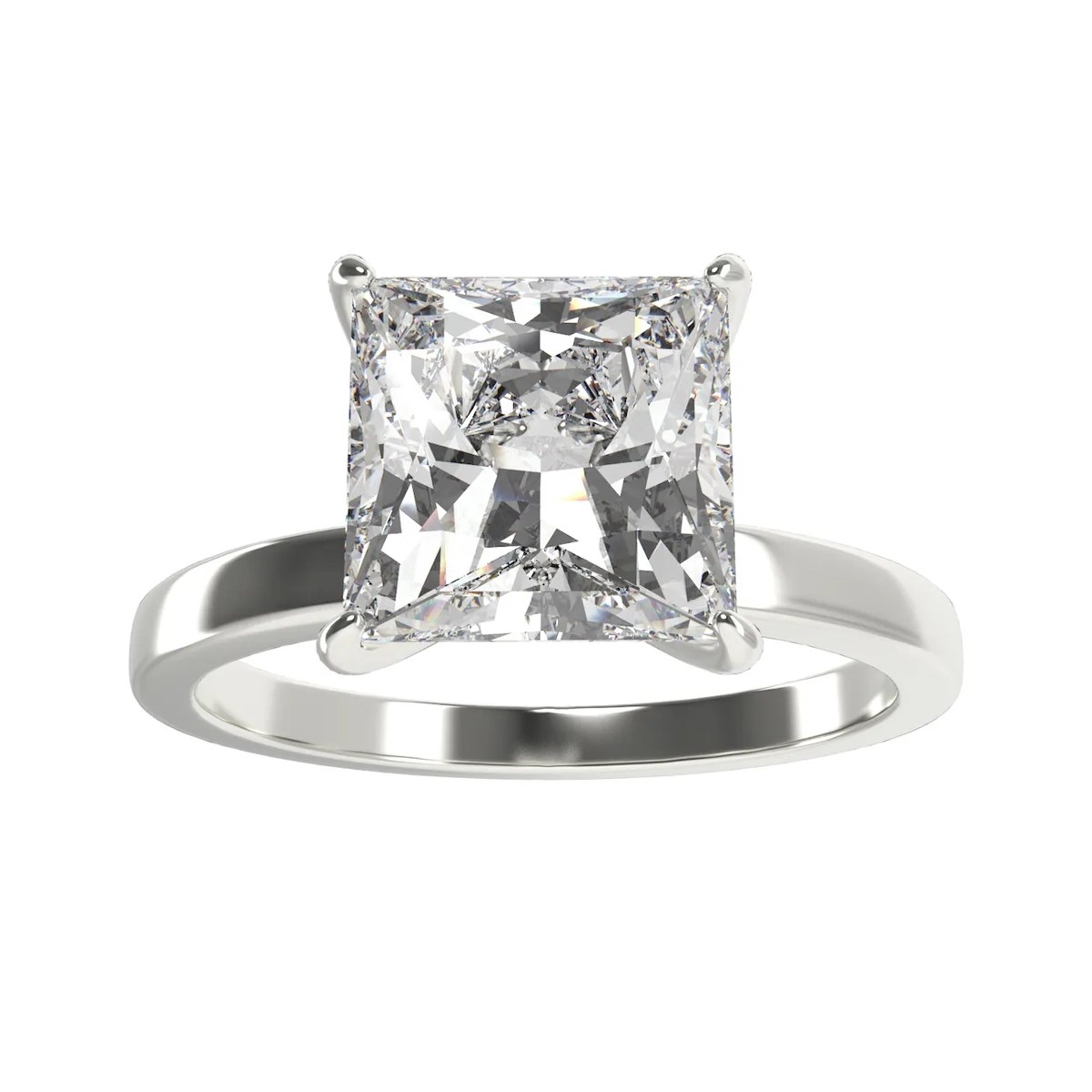
Prong Setting
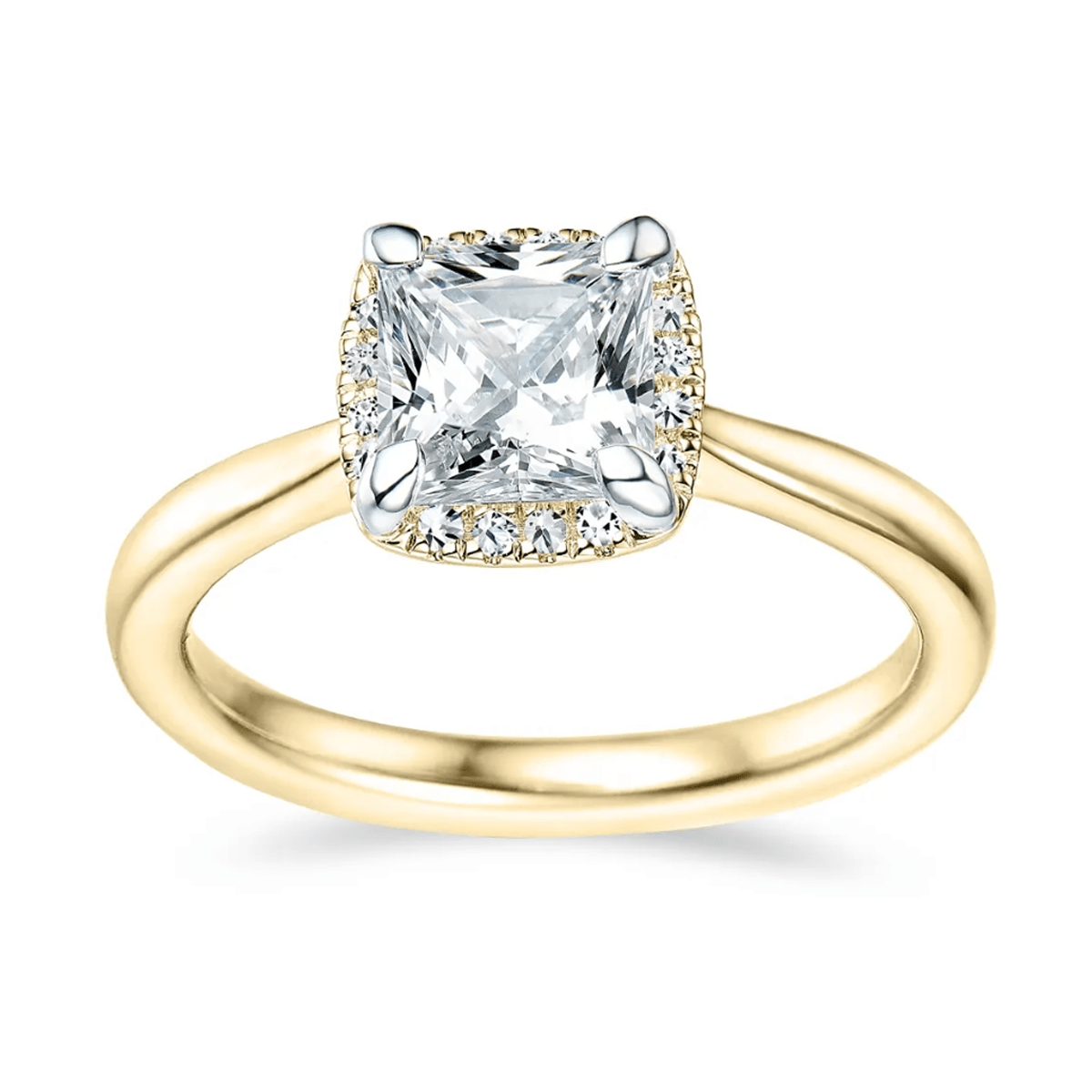
Halo Setting
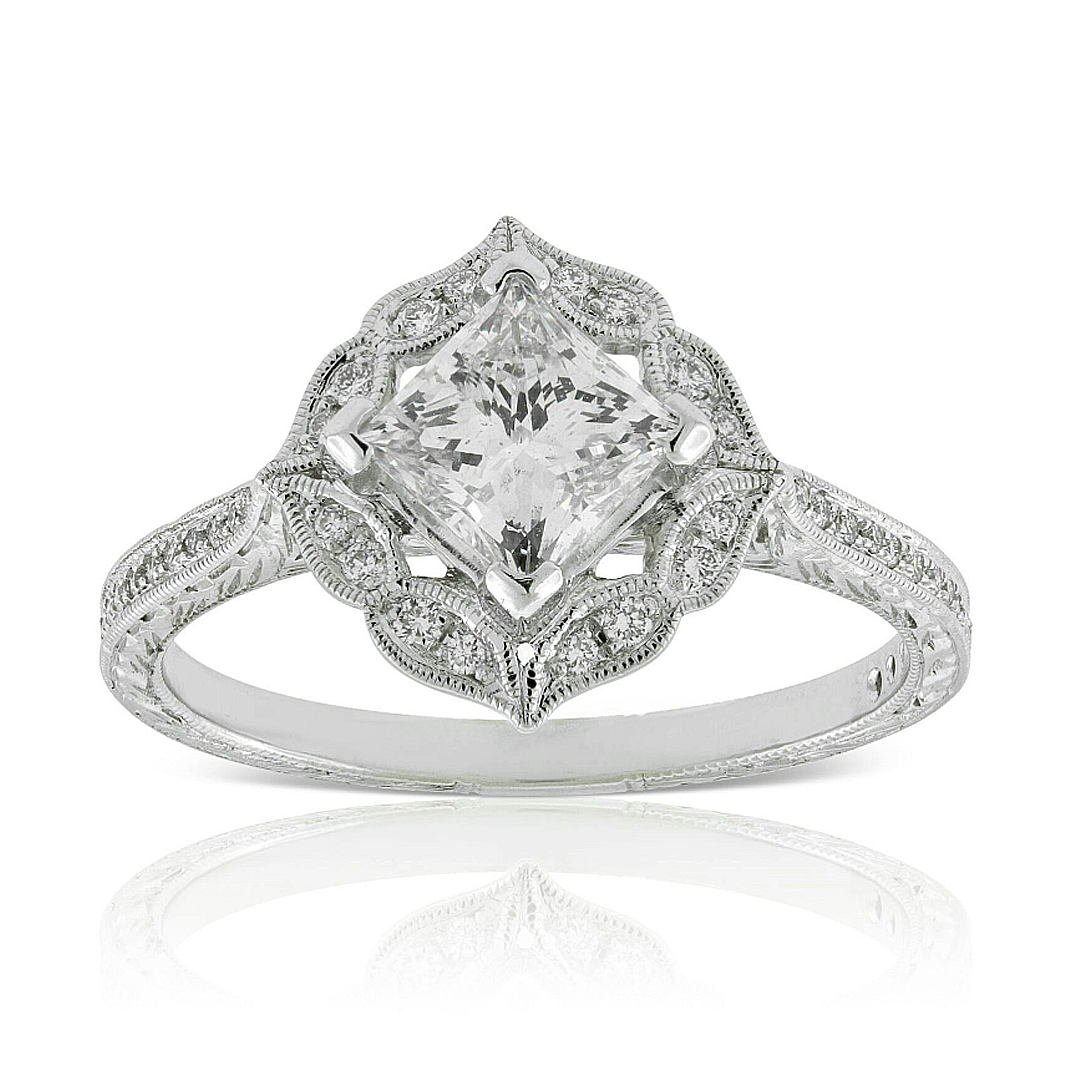
Halo Setting
Hidden Halo Setting

Pave Setting
Pave Setting
Pave Setting
Pave Setting
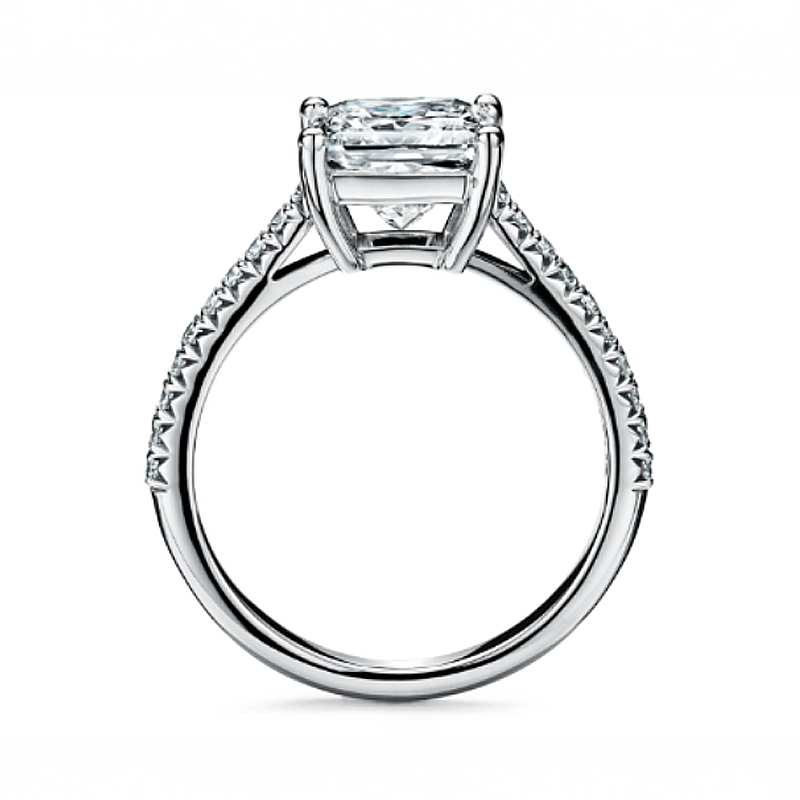
Cathedral Setting
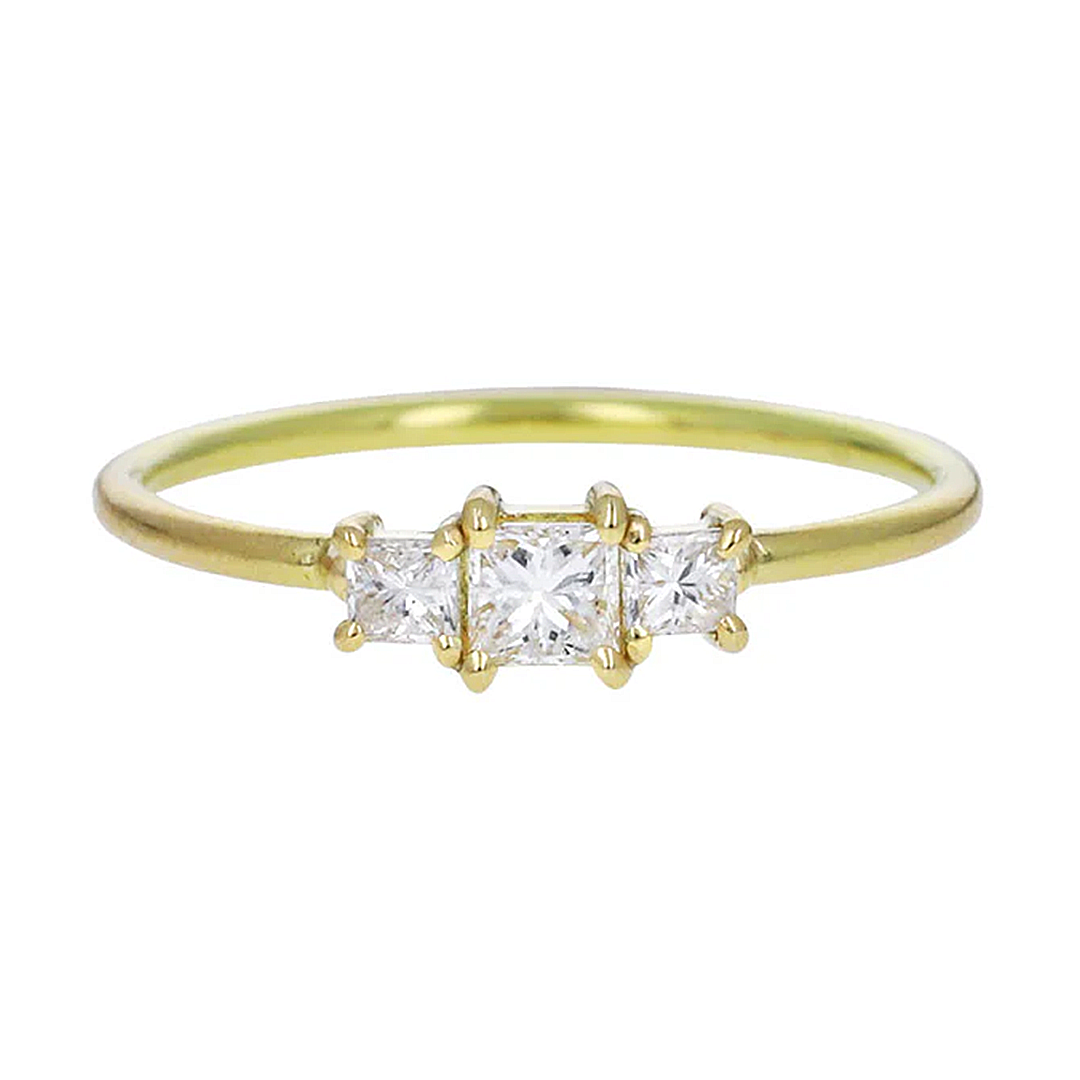
Three-Stones Setting
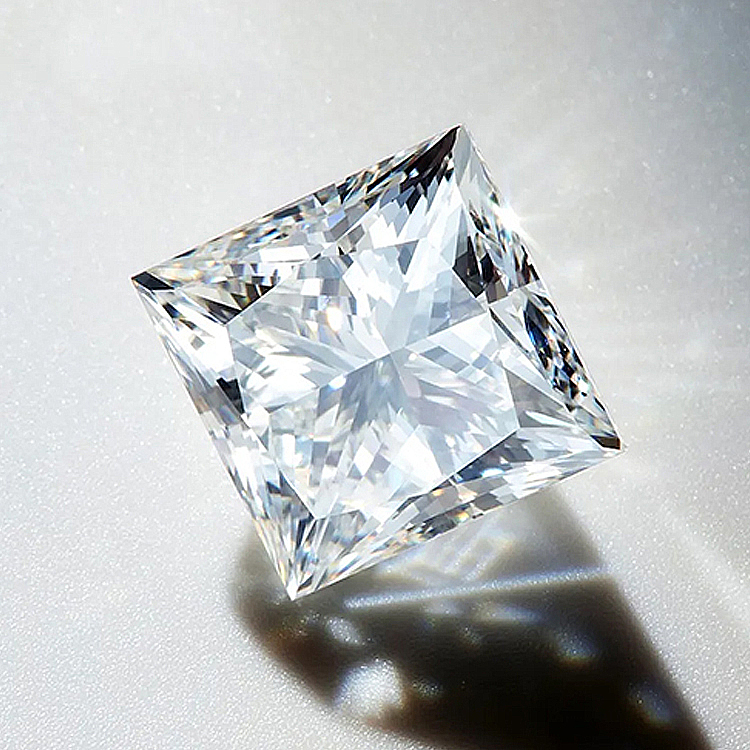
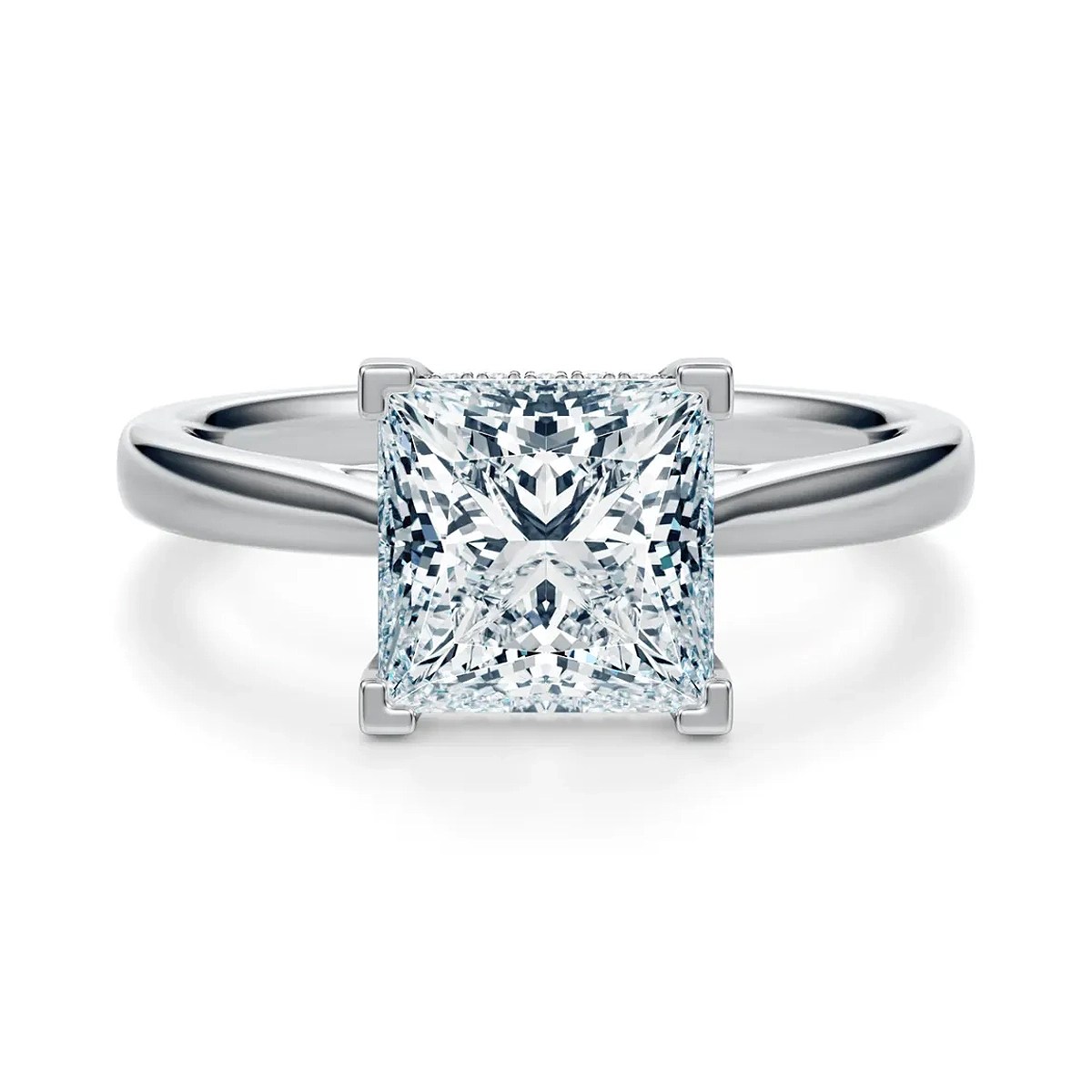
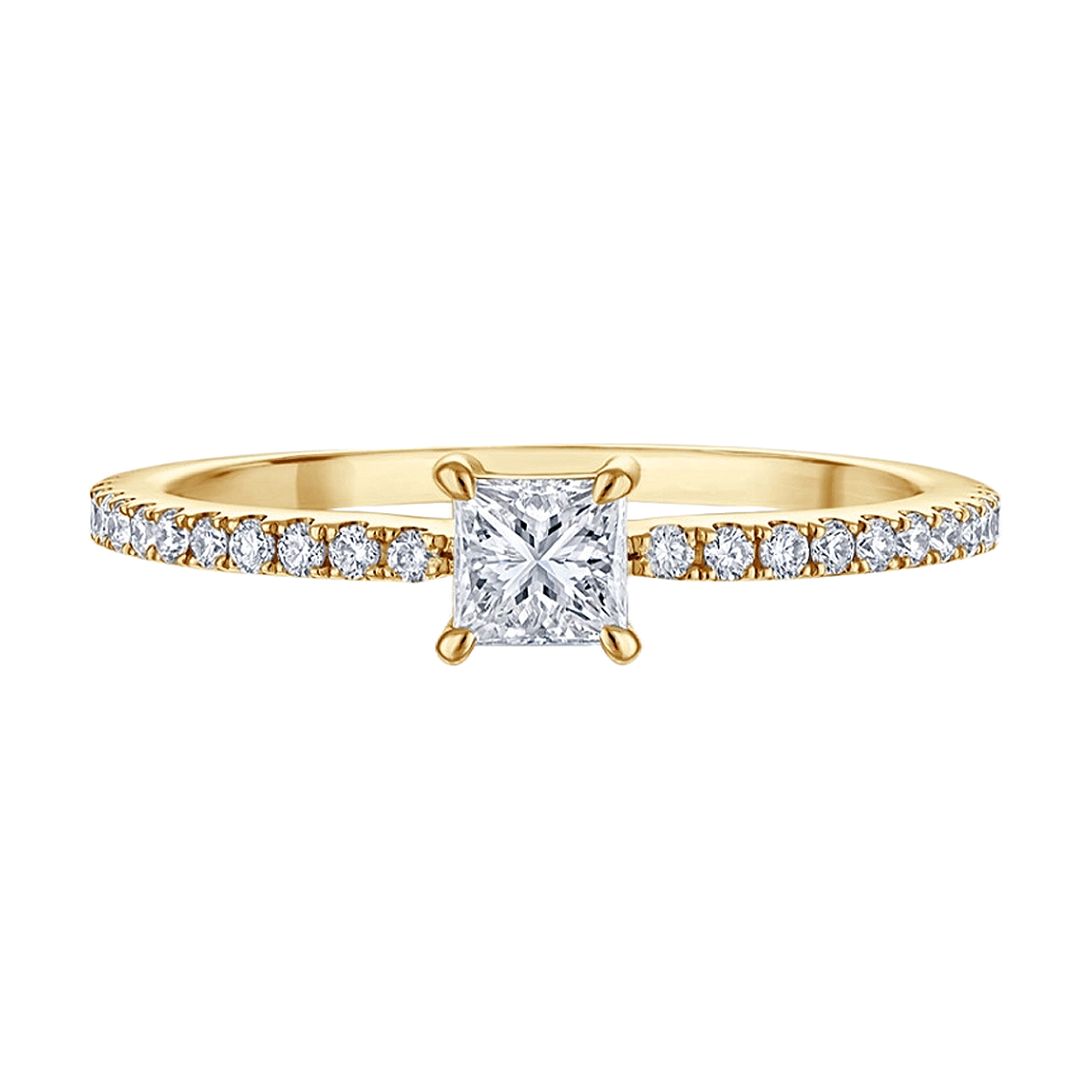
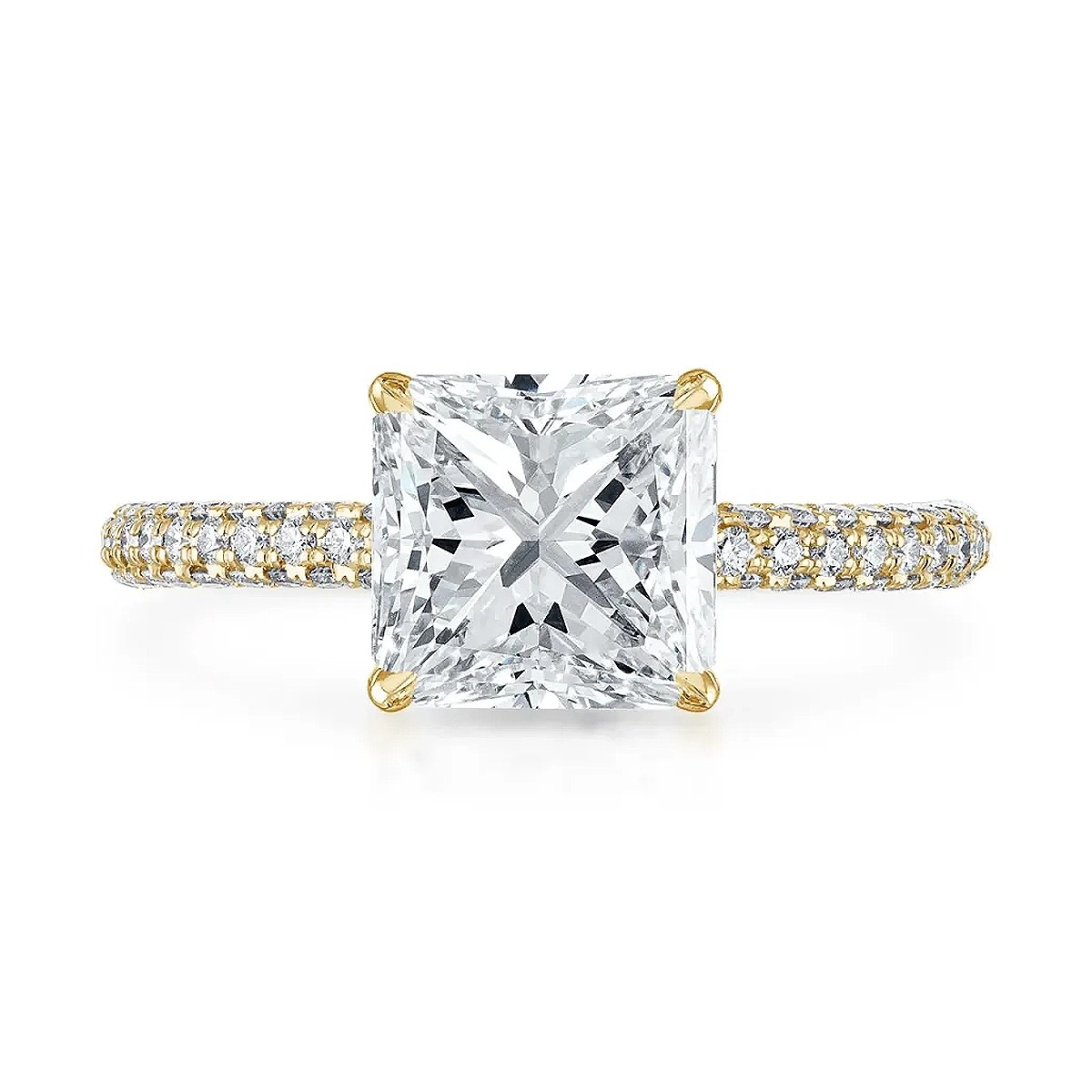
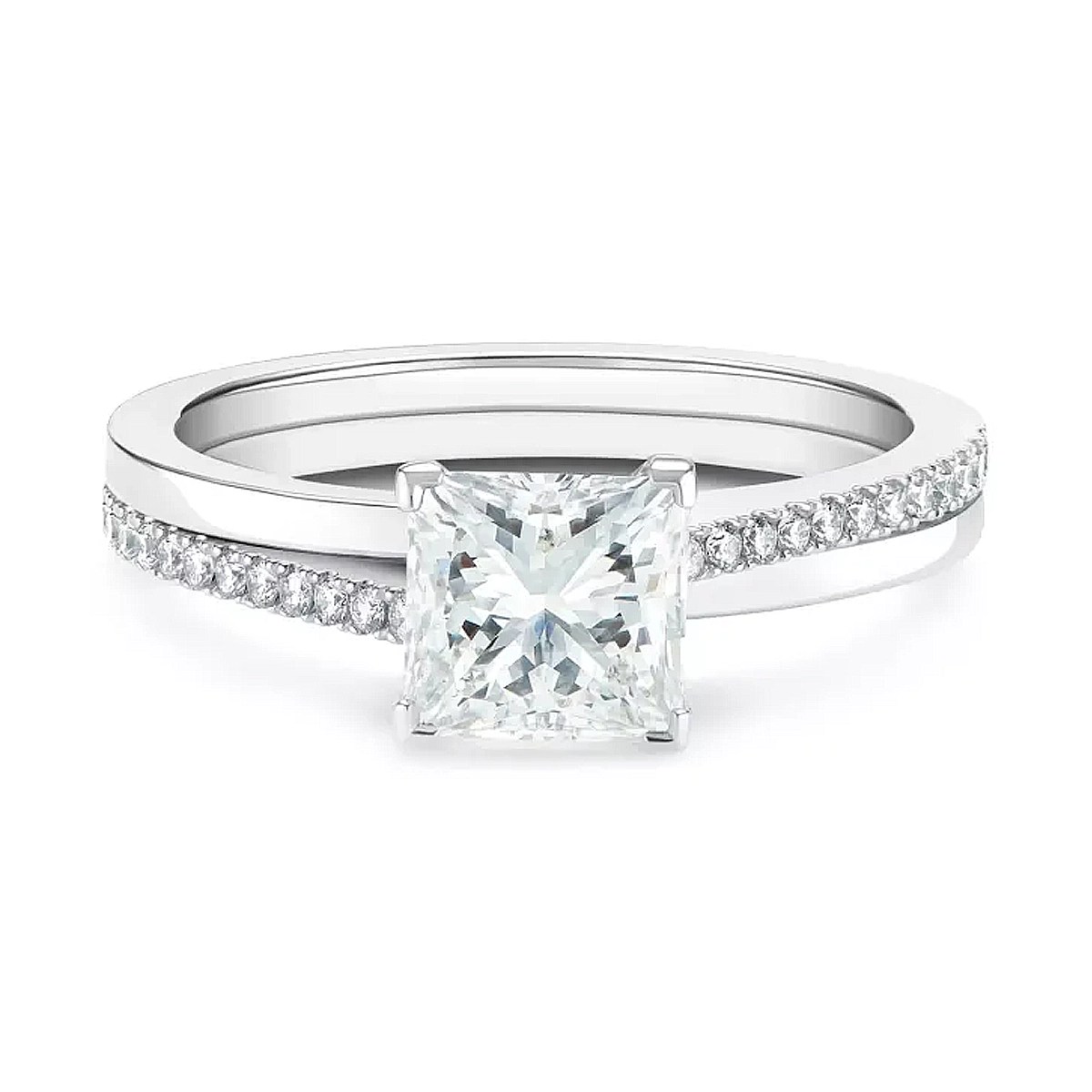
Princess Cut Diamond
The princess cut is a square or rectangular shape with pointed corners. Introduced in the 1980s, the princess cut diamond combines the brilliance of the round brilliant cut with the sharp, clean lines of a square, creating a dynamic diamond shape. The princess cut has 58 facets that contribute to its vibrant sparkle, making it a popular choice for modern engagement rings.
Its structured, geometric shape works particularly well on longer fingers, where its clean lines feel balanced and contemporary.

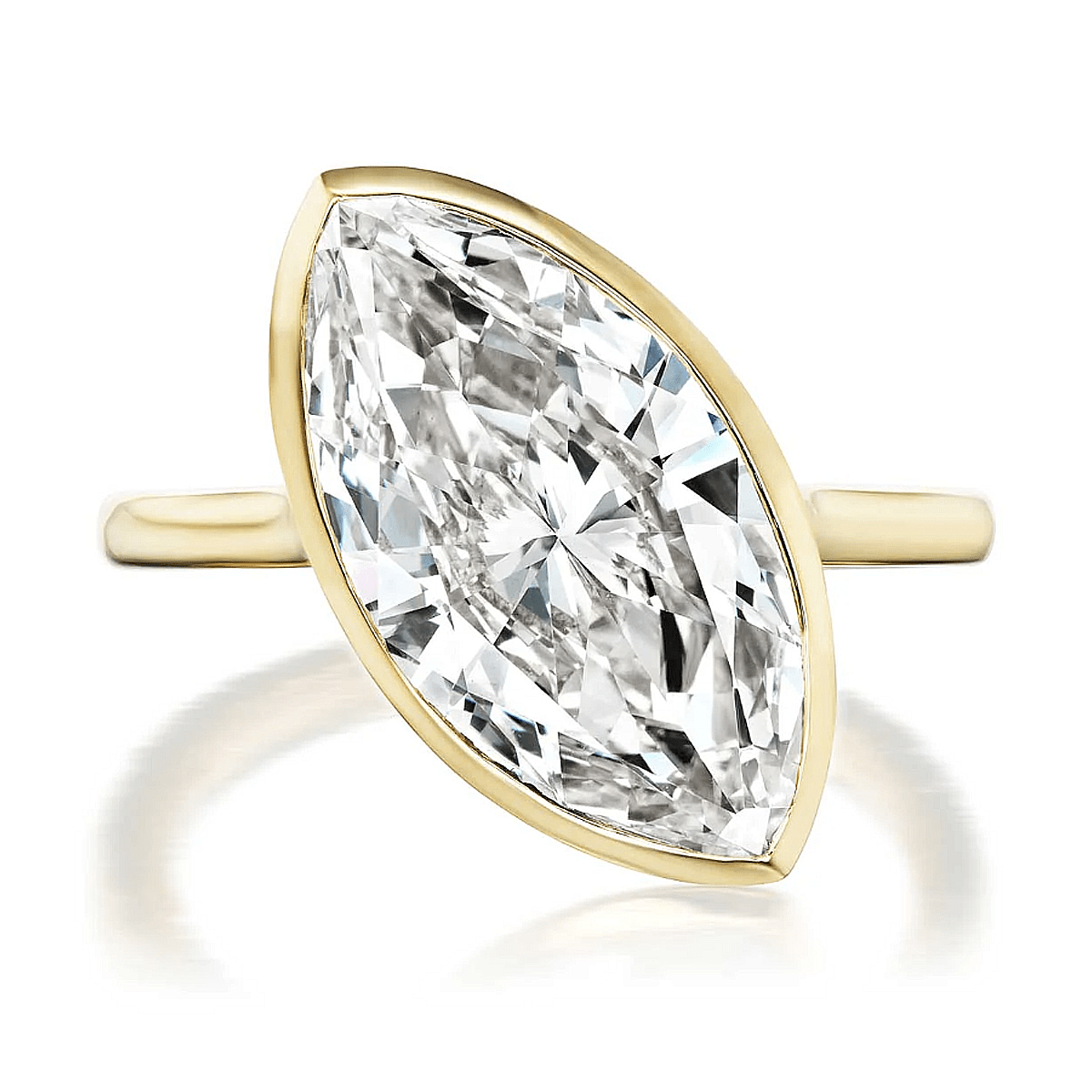
Bezel Setting

Halo Setting

Prong Setting

Halo Setting
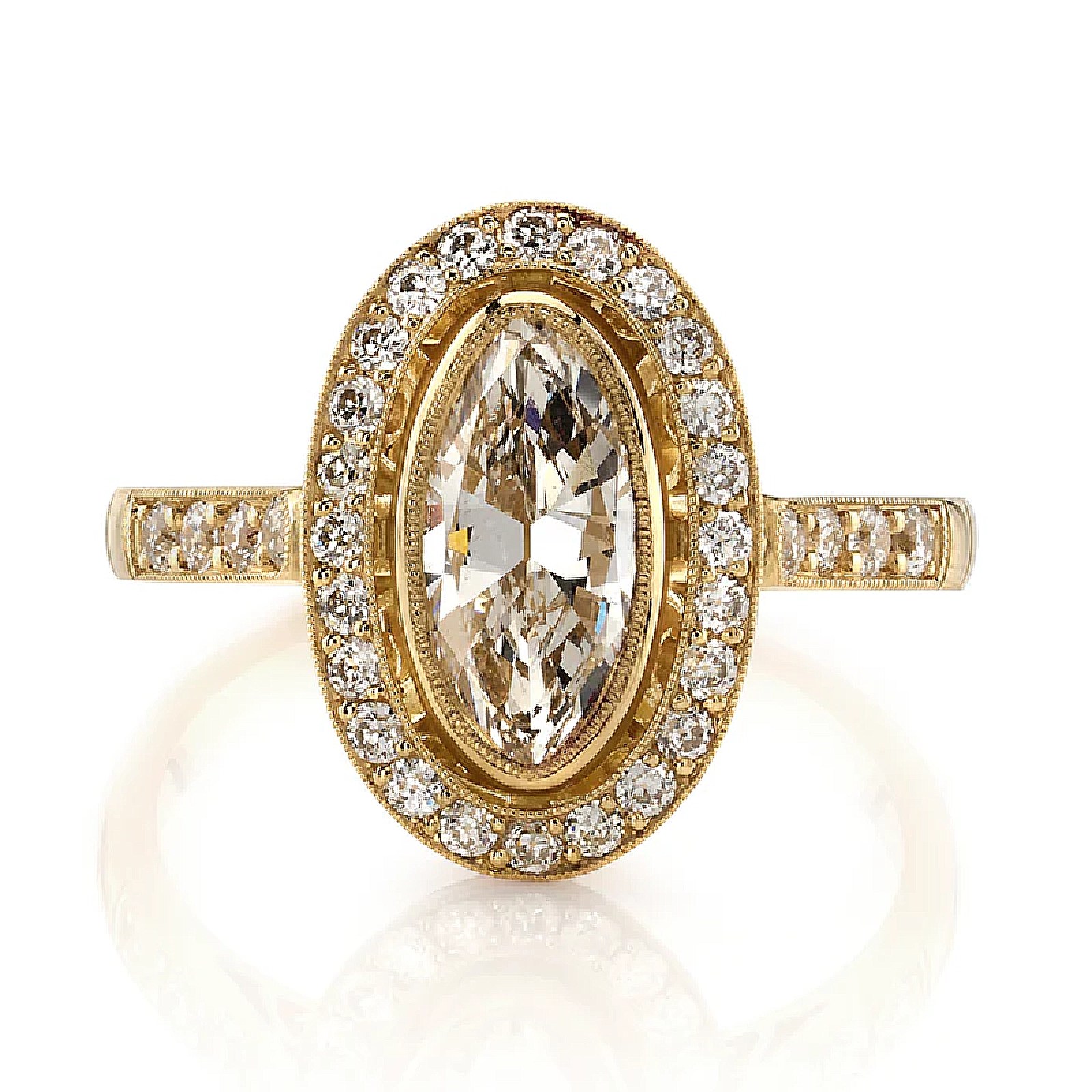
Marquise Diamond Cut: Halo Setting
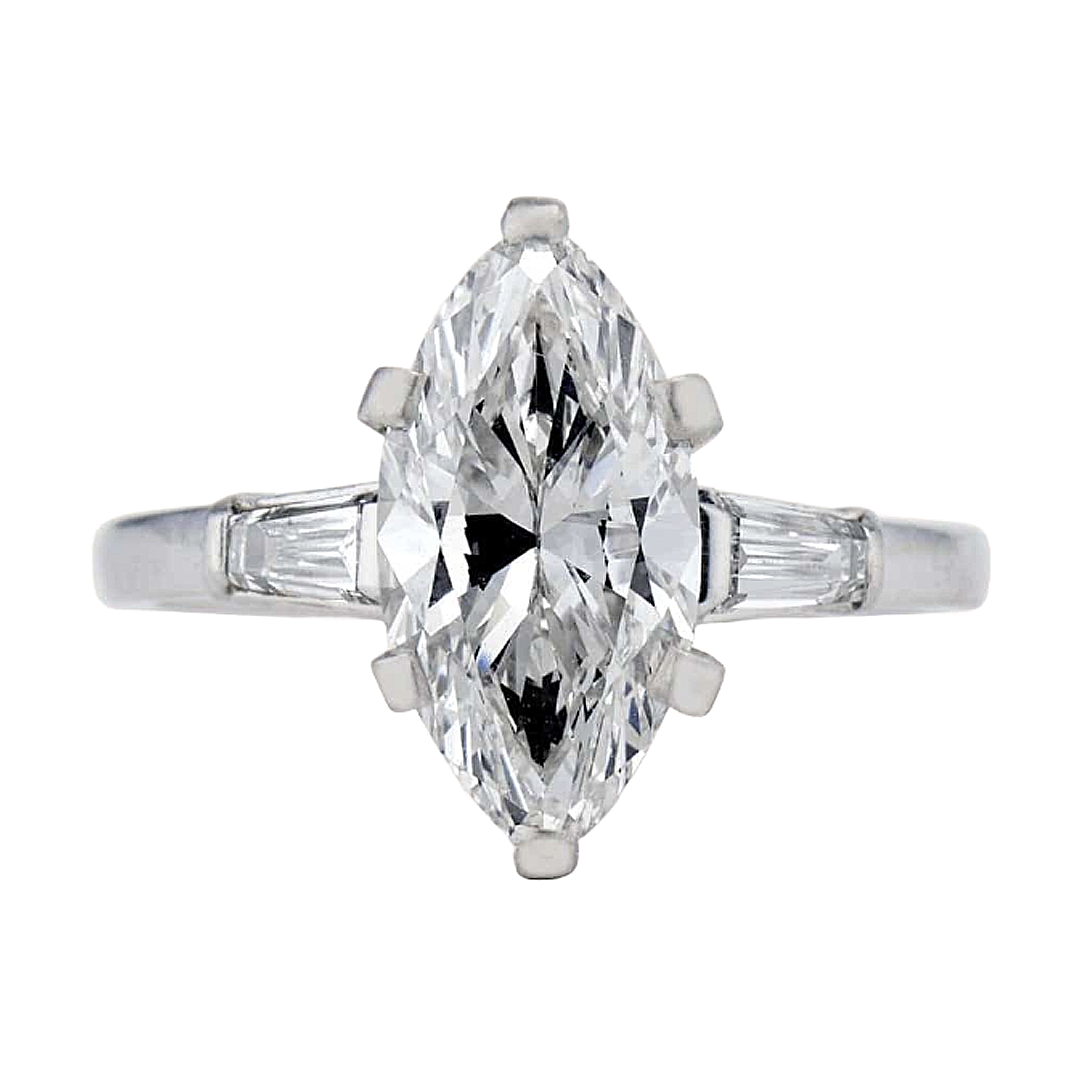
Three-Stones Setting

Split-Shank Setting
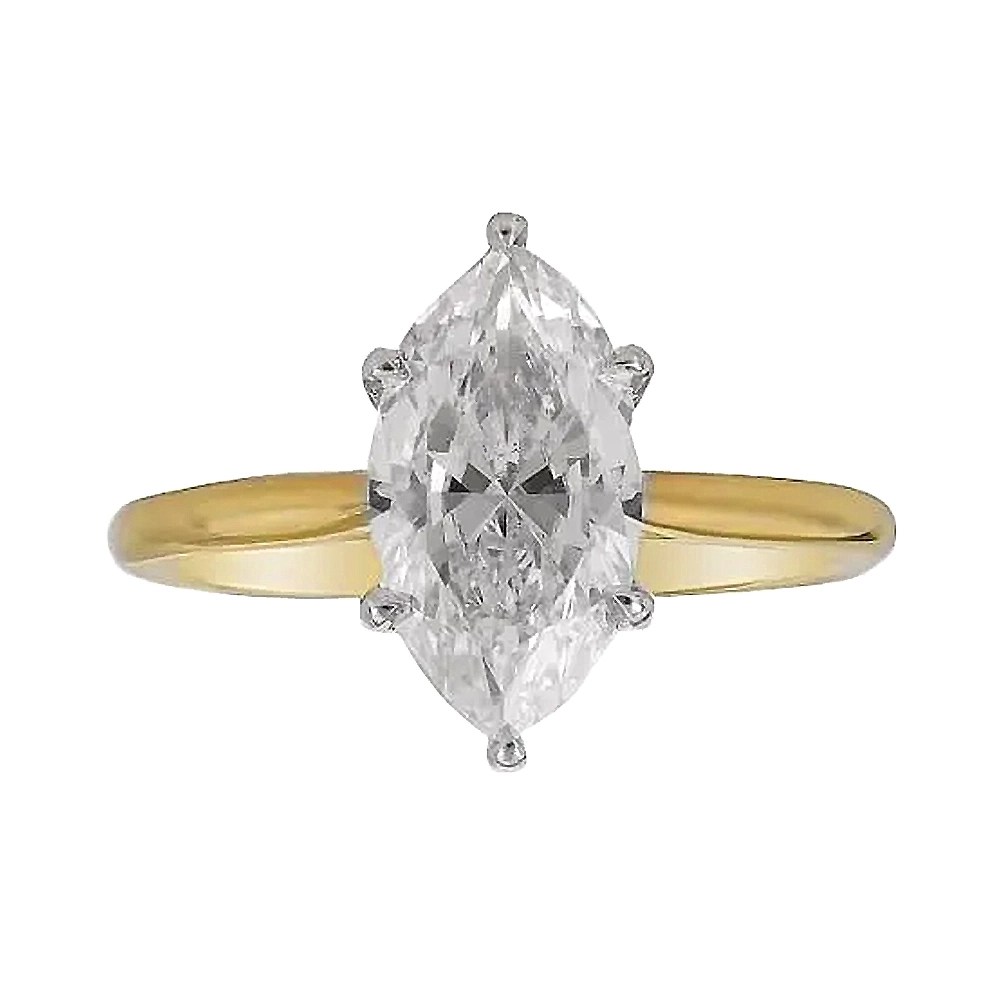
Six Prong Setting
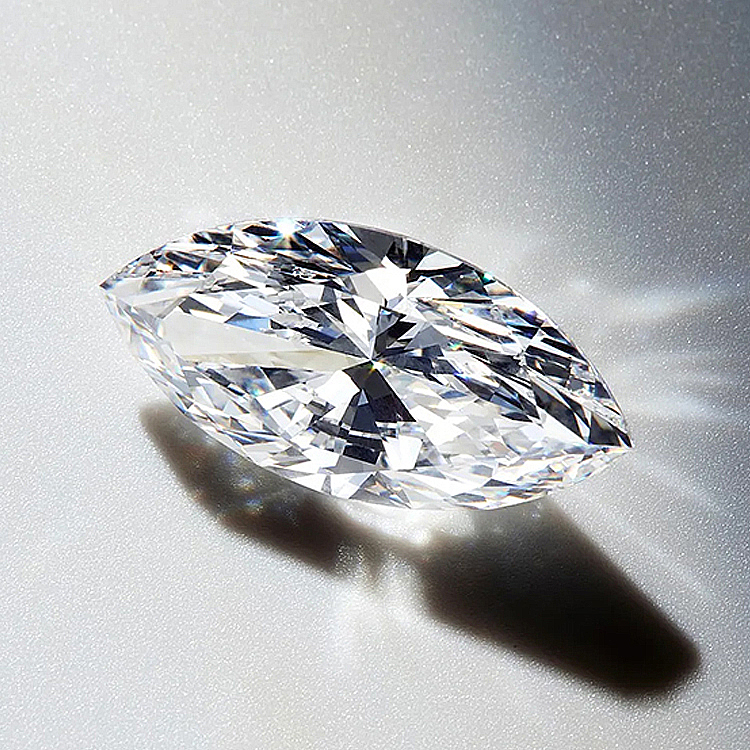
Marquise Diamond
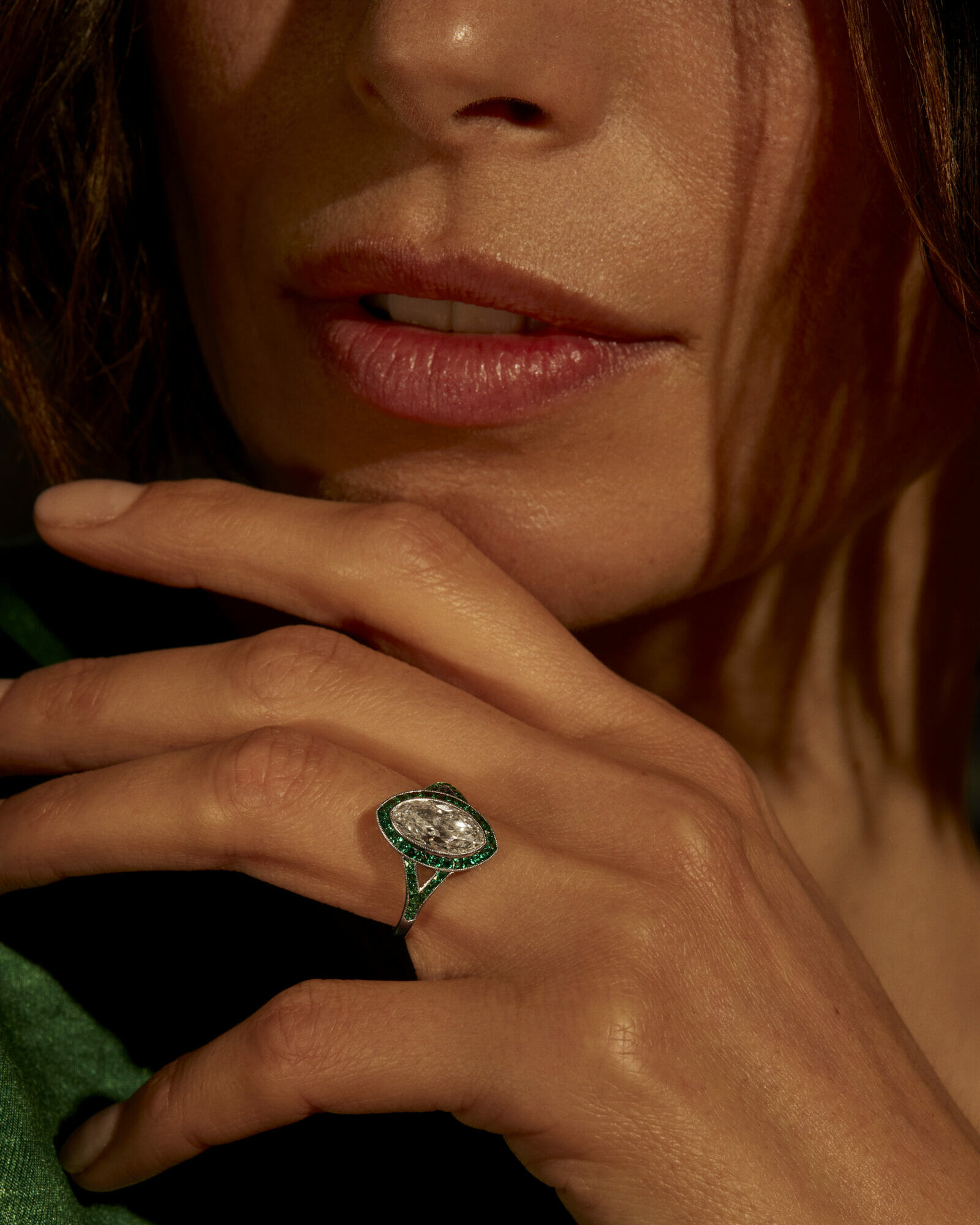
The marquise cut diamond is an elongated diamond with pointed ends, resembling the shape of an eye. This cut was created in the 18th century for King Louis XV of France. According to legend, it was designed to resemble the shape of the lips of his mistress, Madame de Pompadour. Due to its elongated, unique shape, the marquise cut maximizes carat weight, giving the diamond a larger surface area and making it appear more substantial than other cuts.
Like oval cuts, marquise diamonds can elongate the look of the finger, making them a strong choice for creating a slimming, lengthened effect.

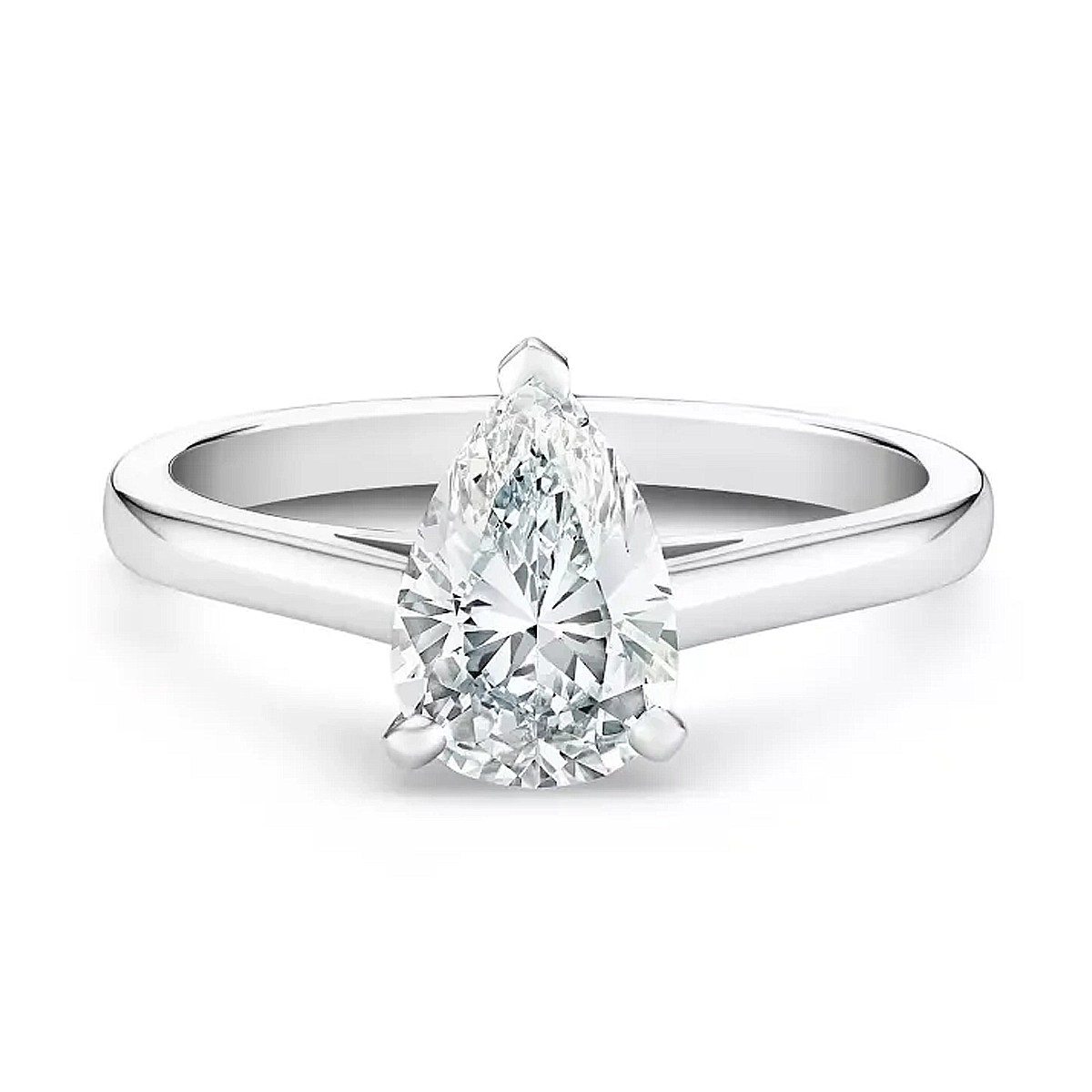
Prong Setting

Six Prongs Setting
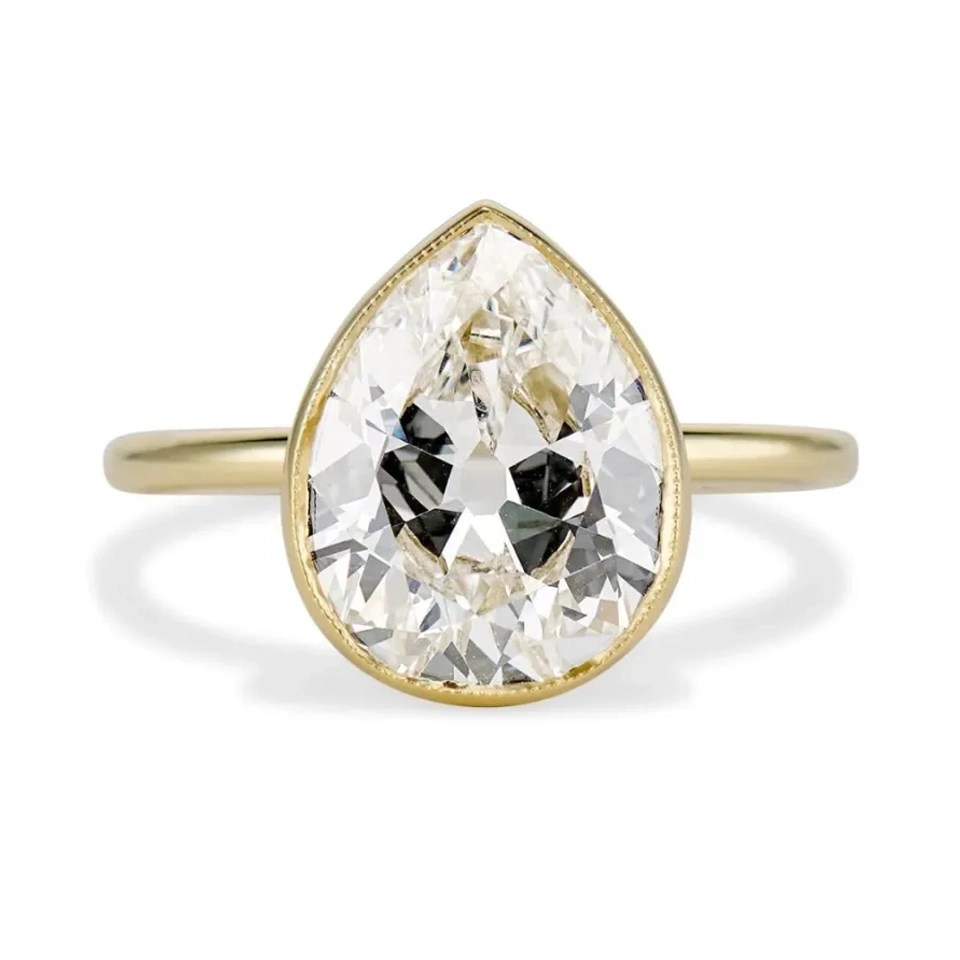
Bezel Setting
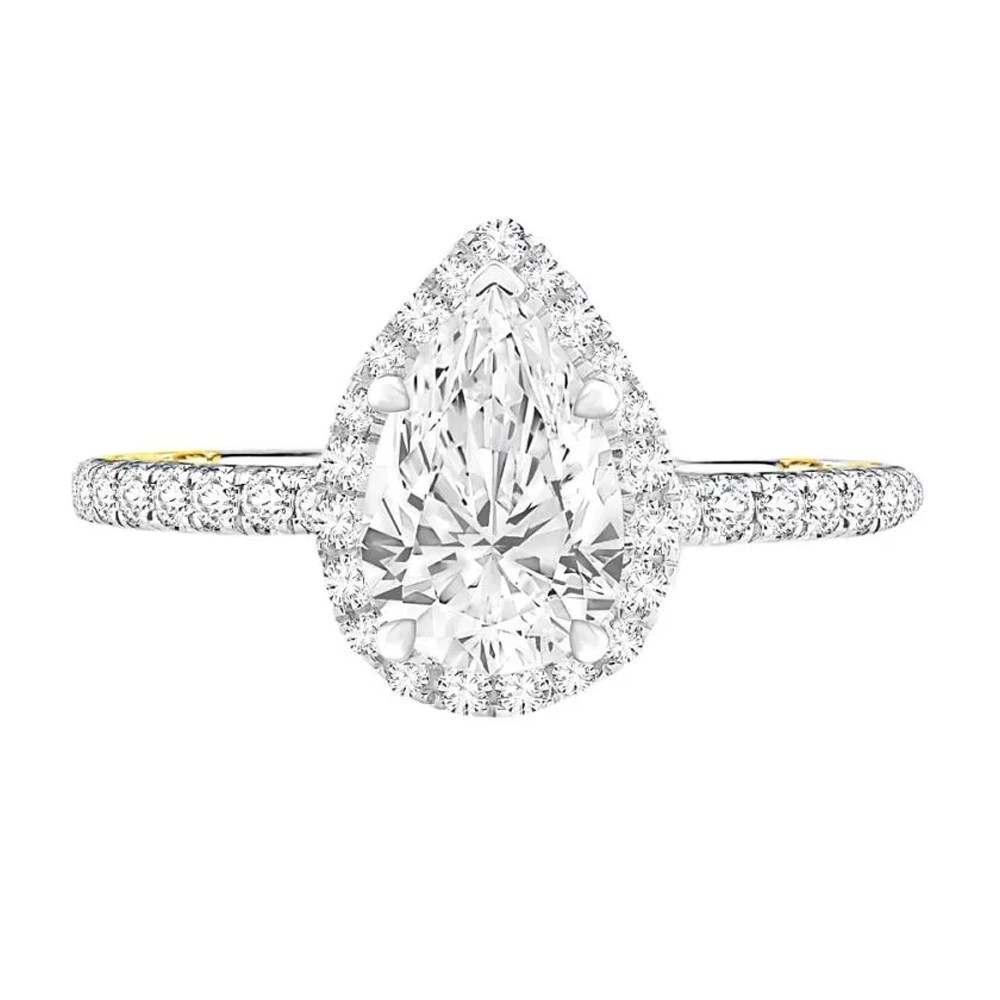
Halo Setting
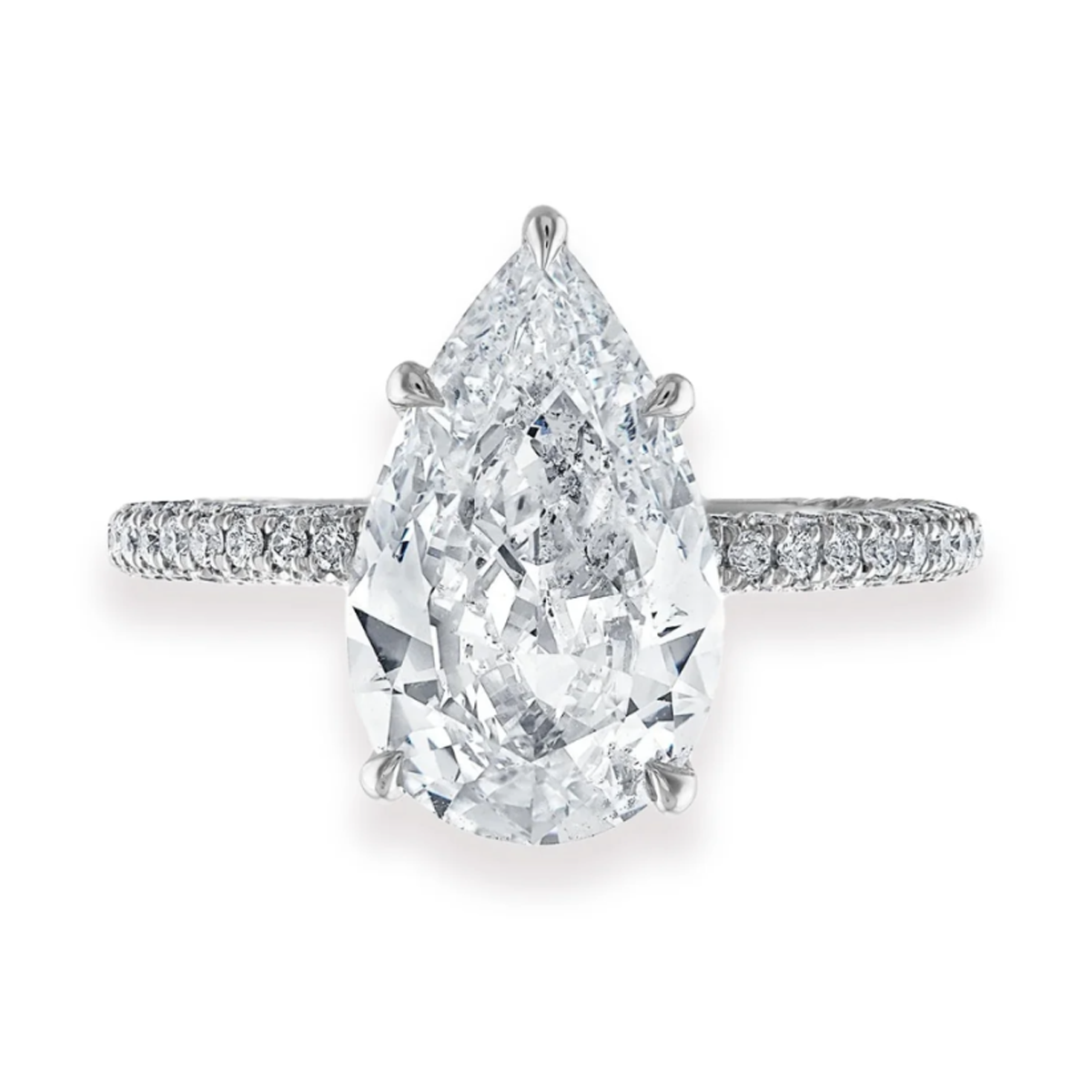
Pear Shaped Diamond Cut: Pavé Setting
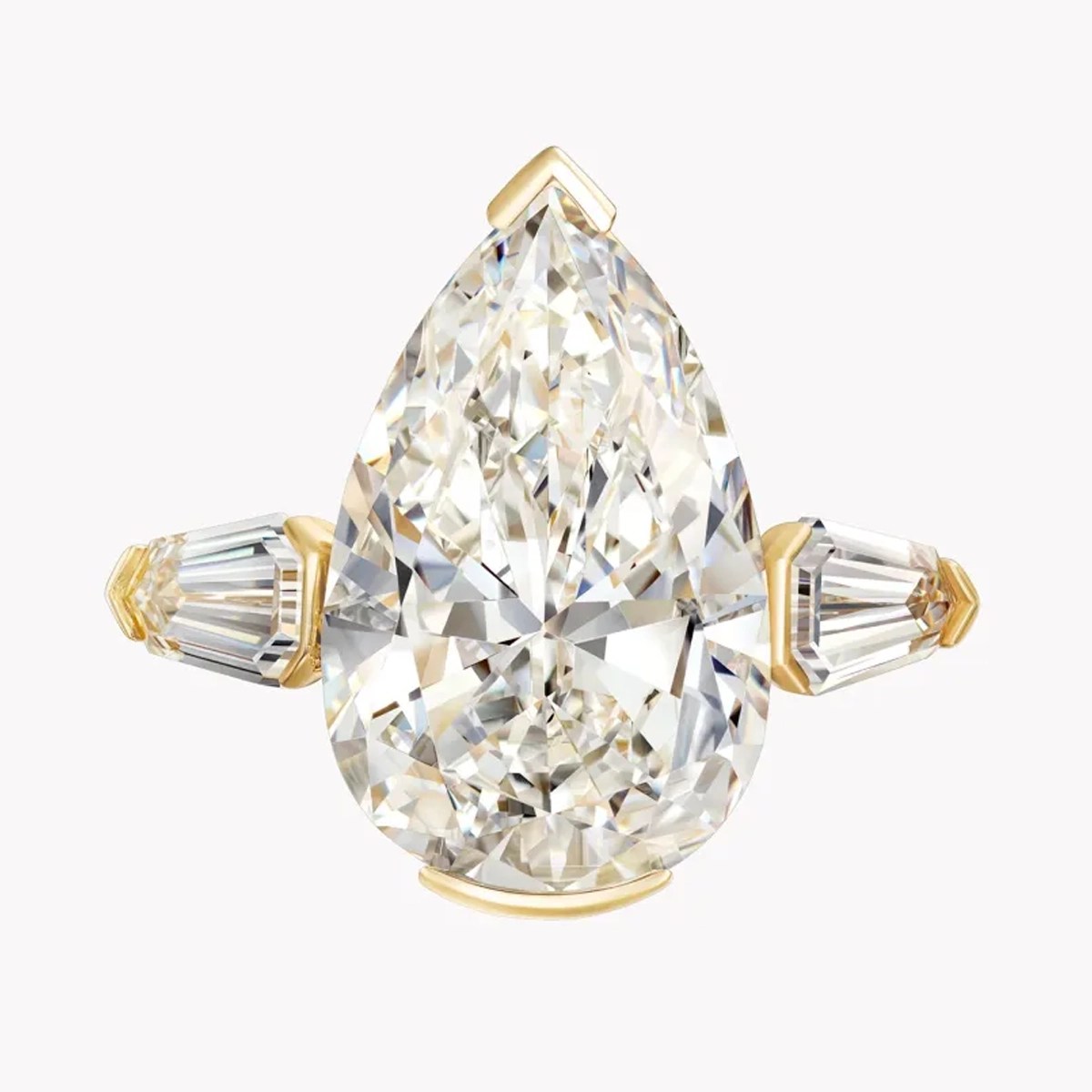
Three-Stones Setting
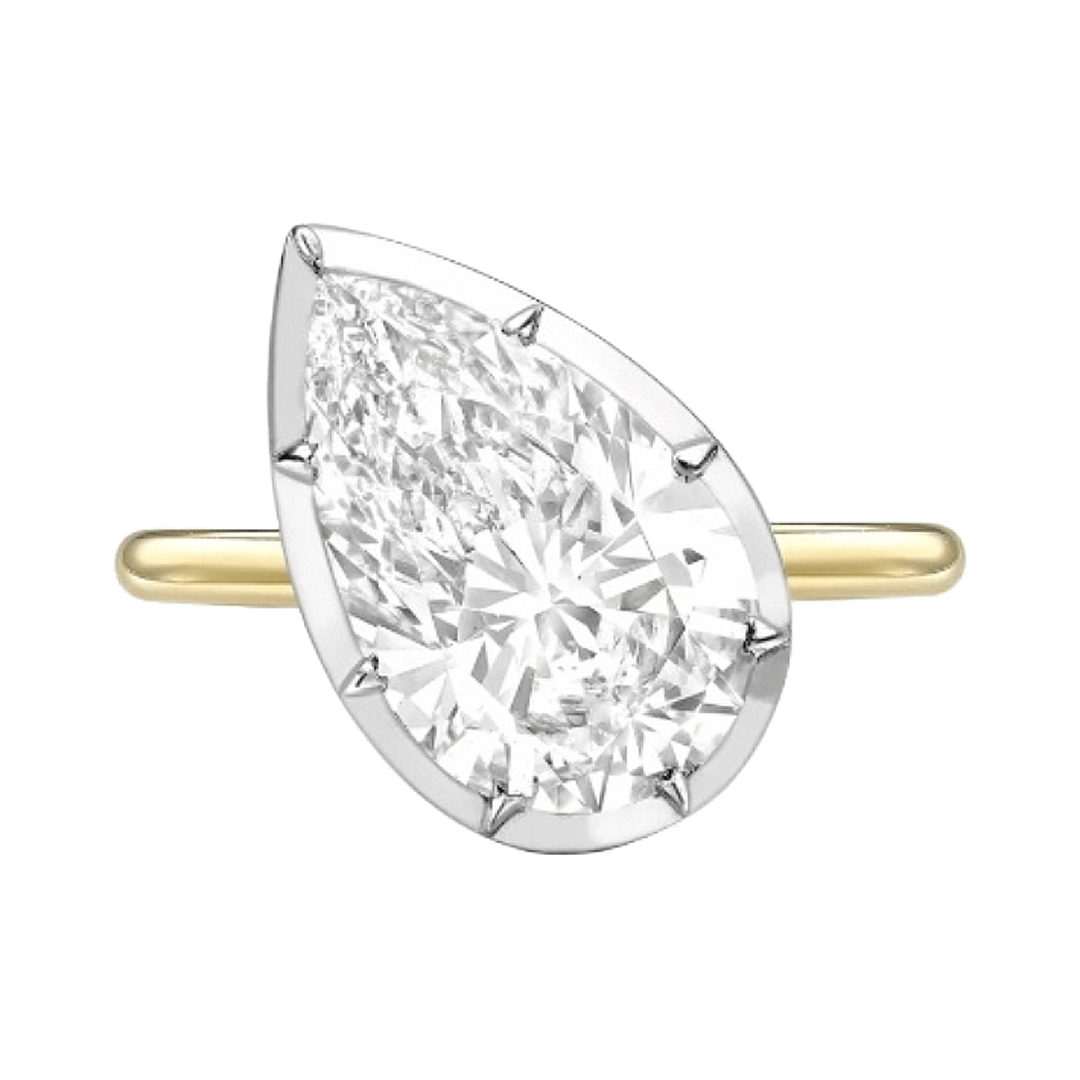
Akimbo Setting
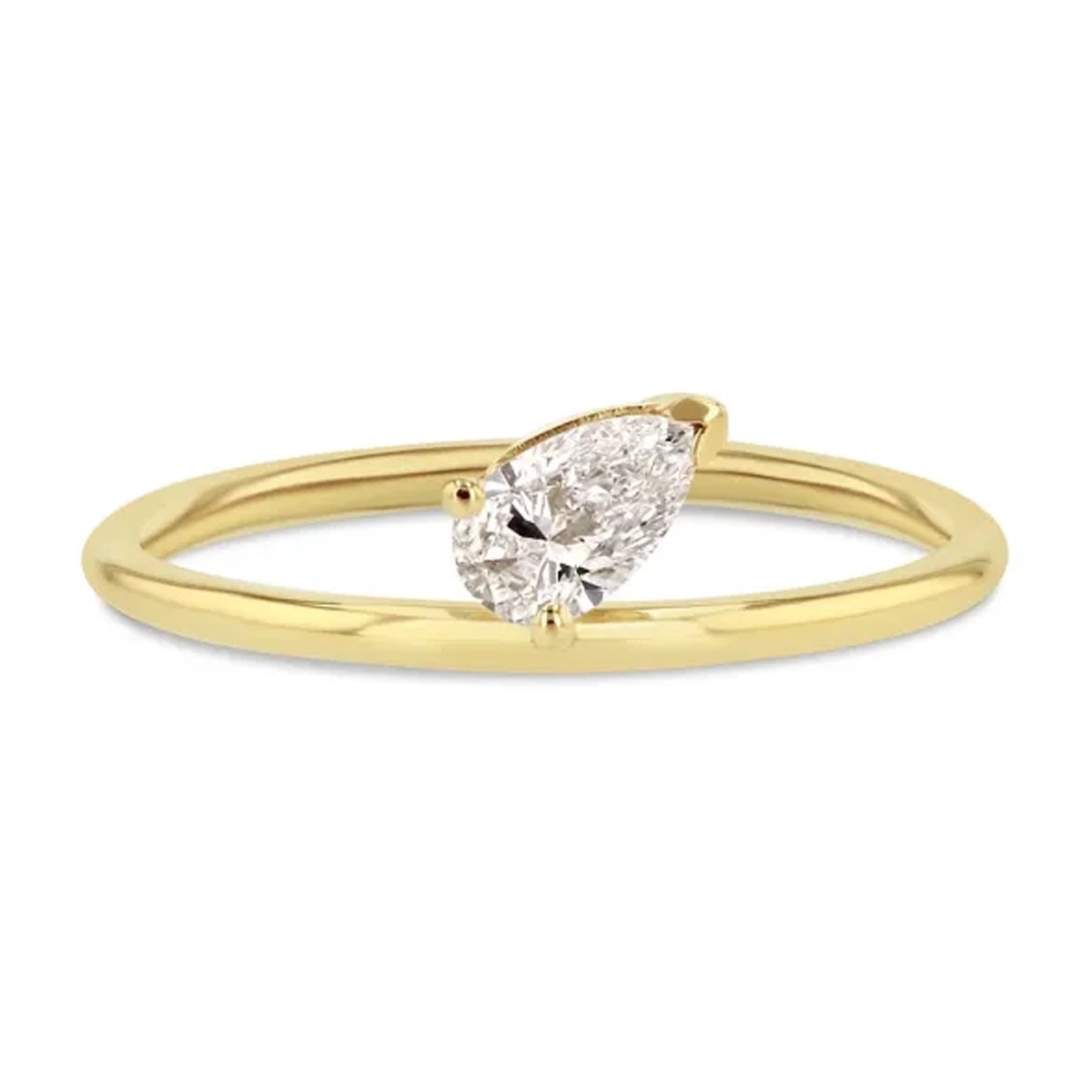
Akimbo Setting
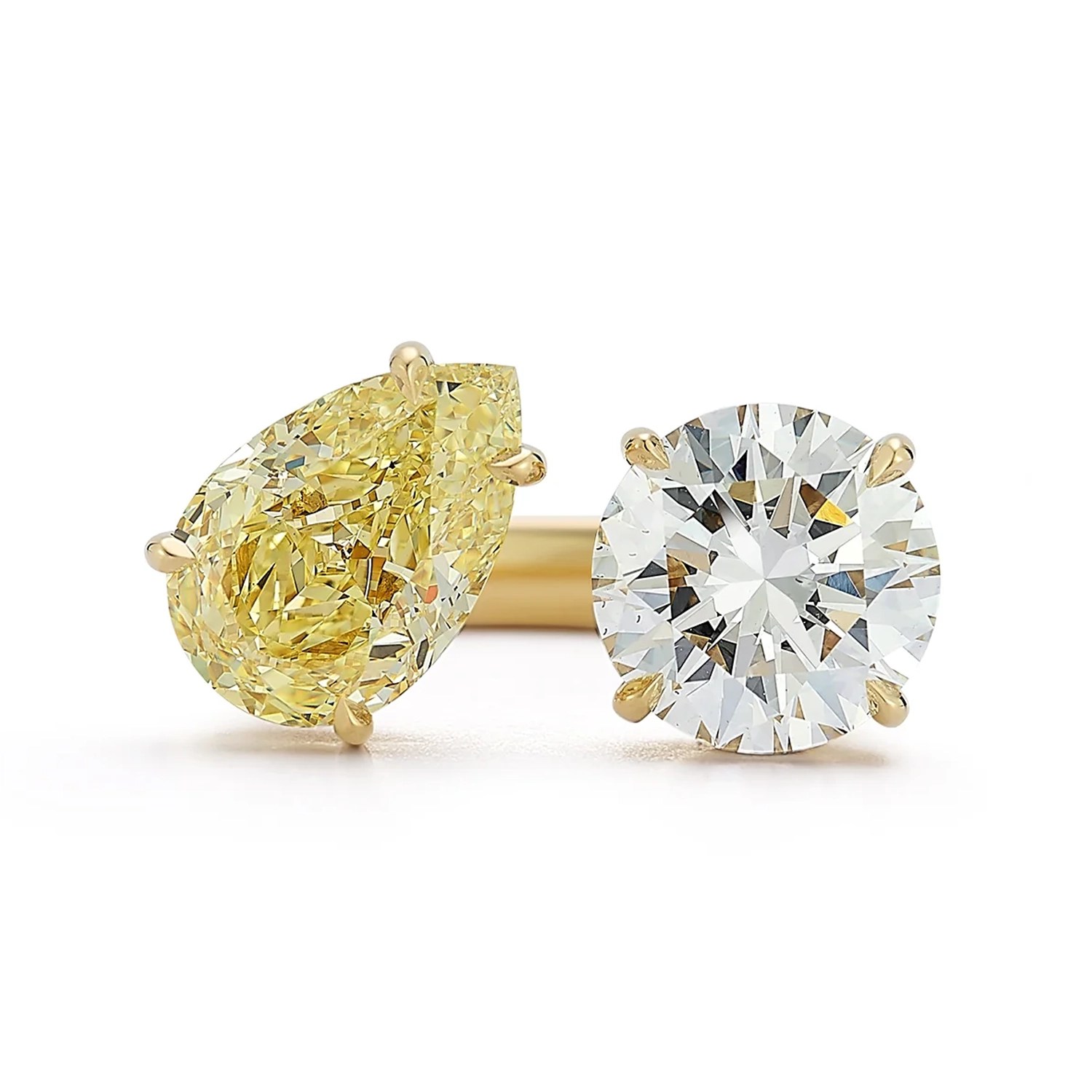
Toi et Moi Setting
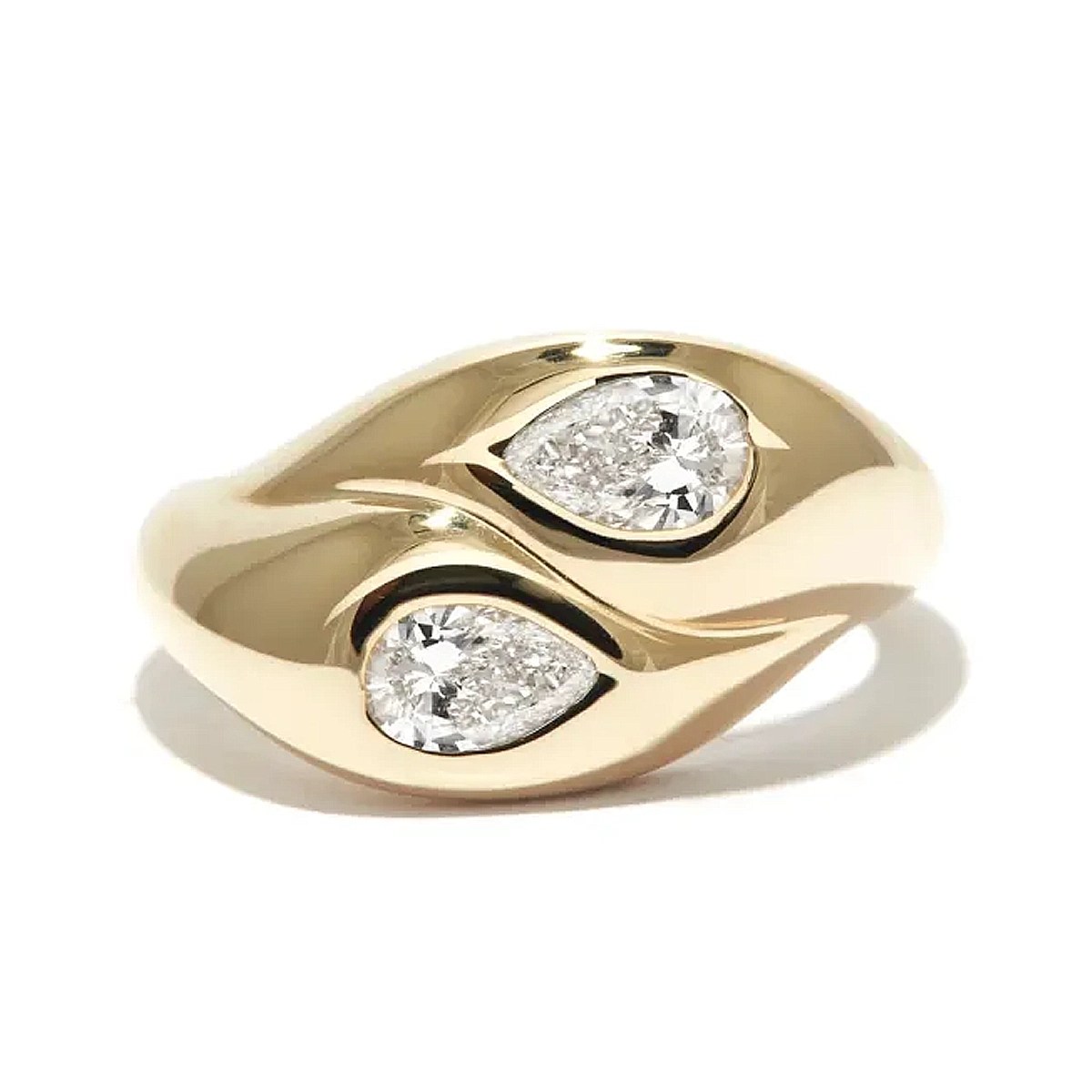
Toi et Moi Setting
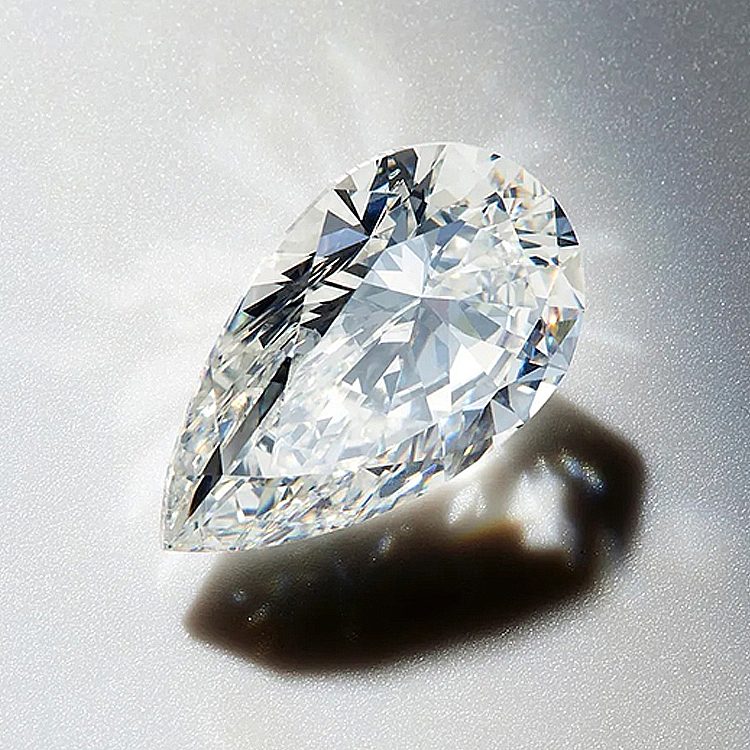
Pear Shaped Diamond
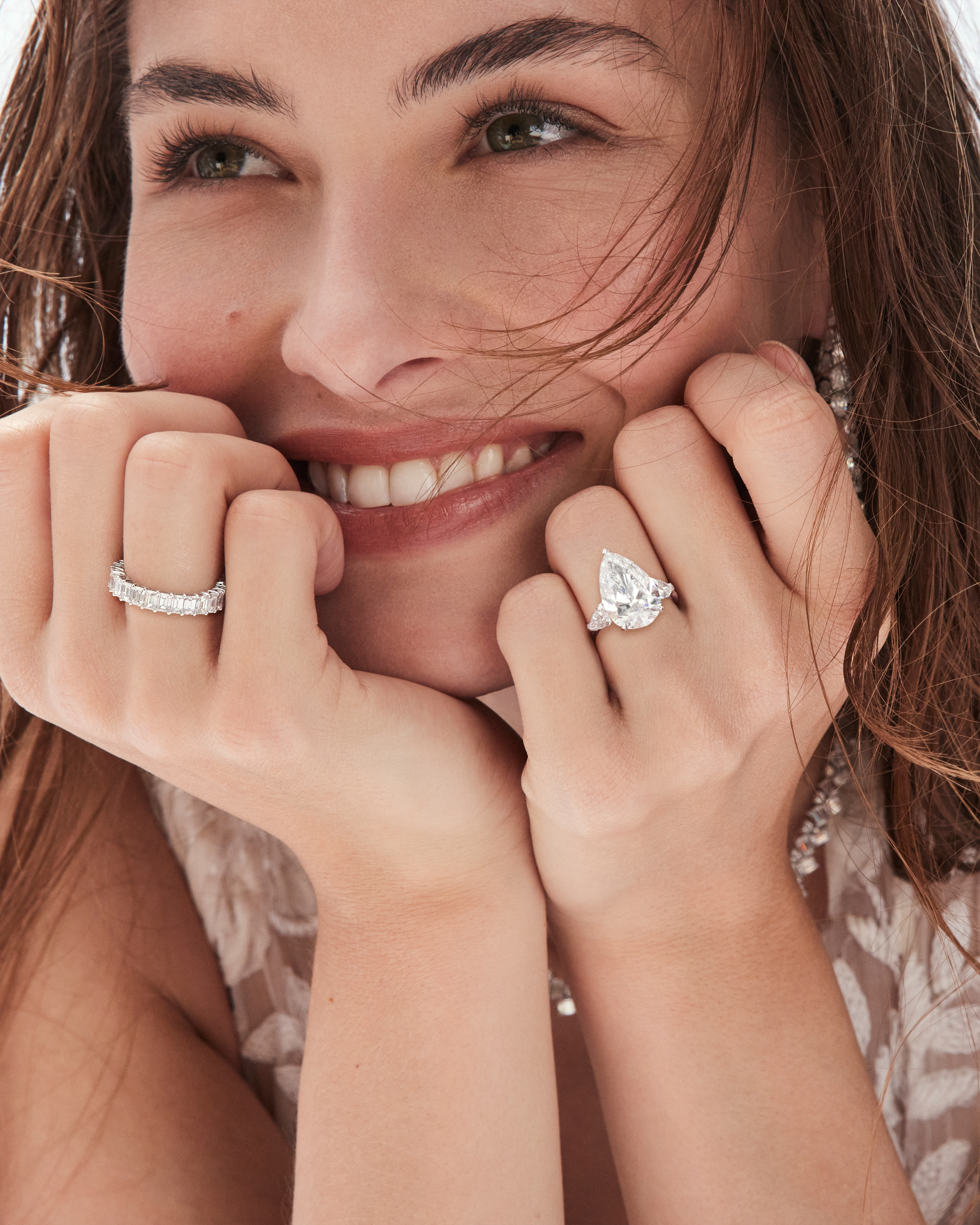
The pear-shaped diamond (also called a pear-cut diamond) is a hybrid of the round and marquise cuts, featuring a rounded top with a pointed end. Often referred to as a “teardrop” shape, the pear cut combines the brilliance of the round cut with the elongated appearance of the marquise, making it a popular choice for those looking for a distinctive diamond.
This shape can visually lengthen fingers while adding a directional, slightly more unconventional feel.
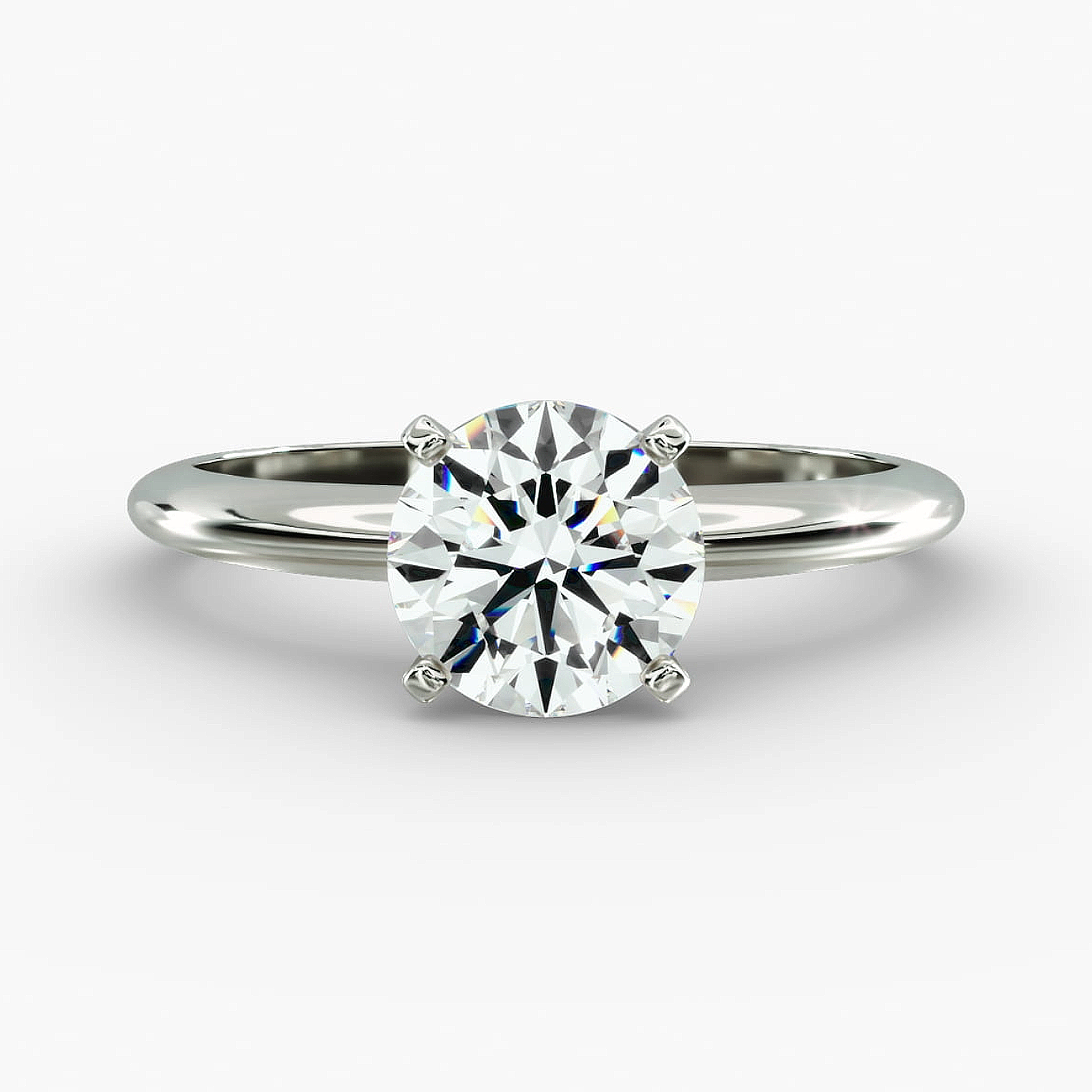
Prong Setting

Six-Prong Setting
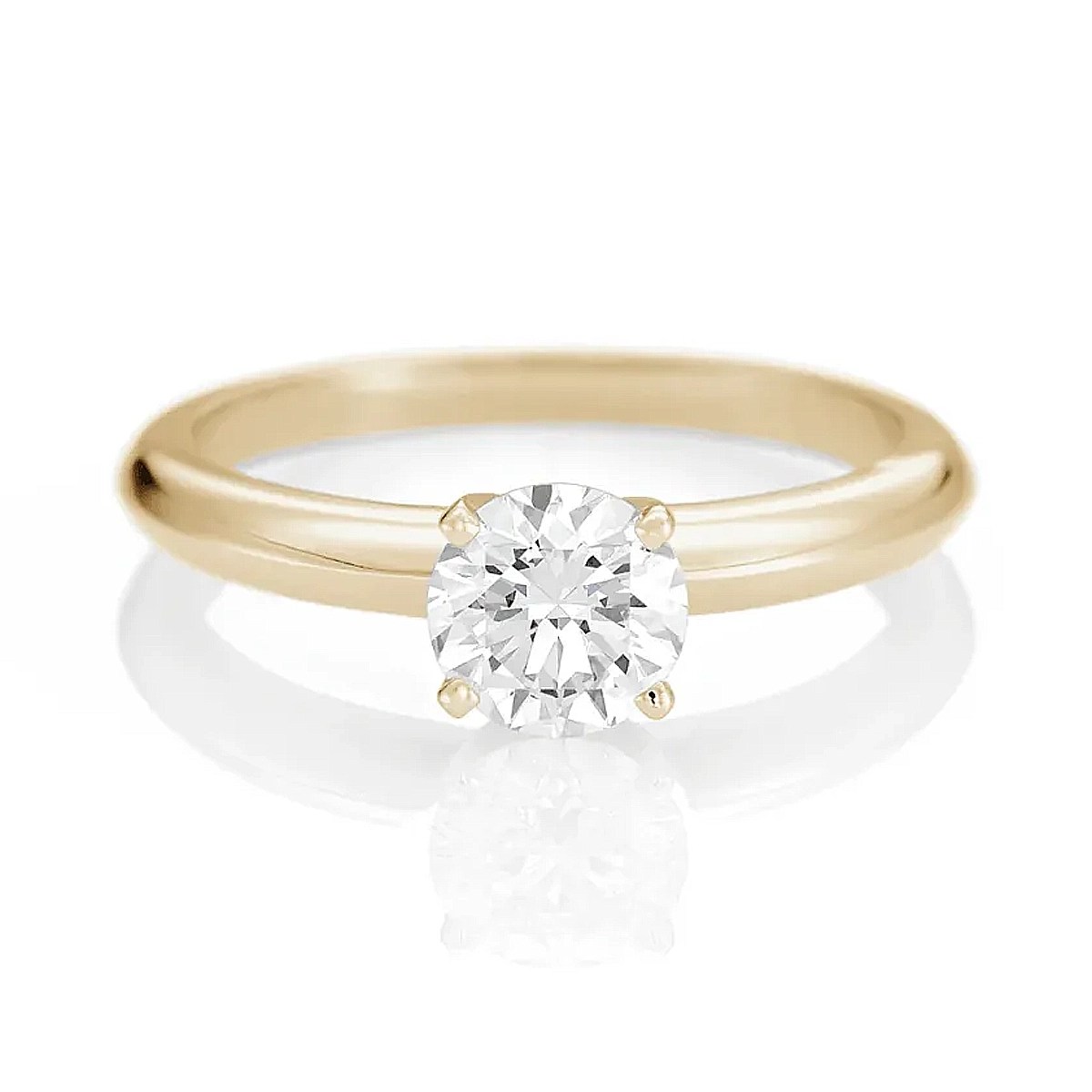
Six-Prong Setting

Bezel Setting
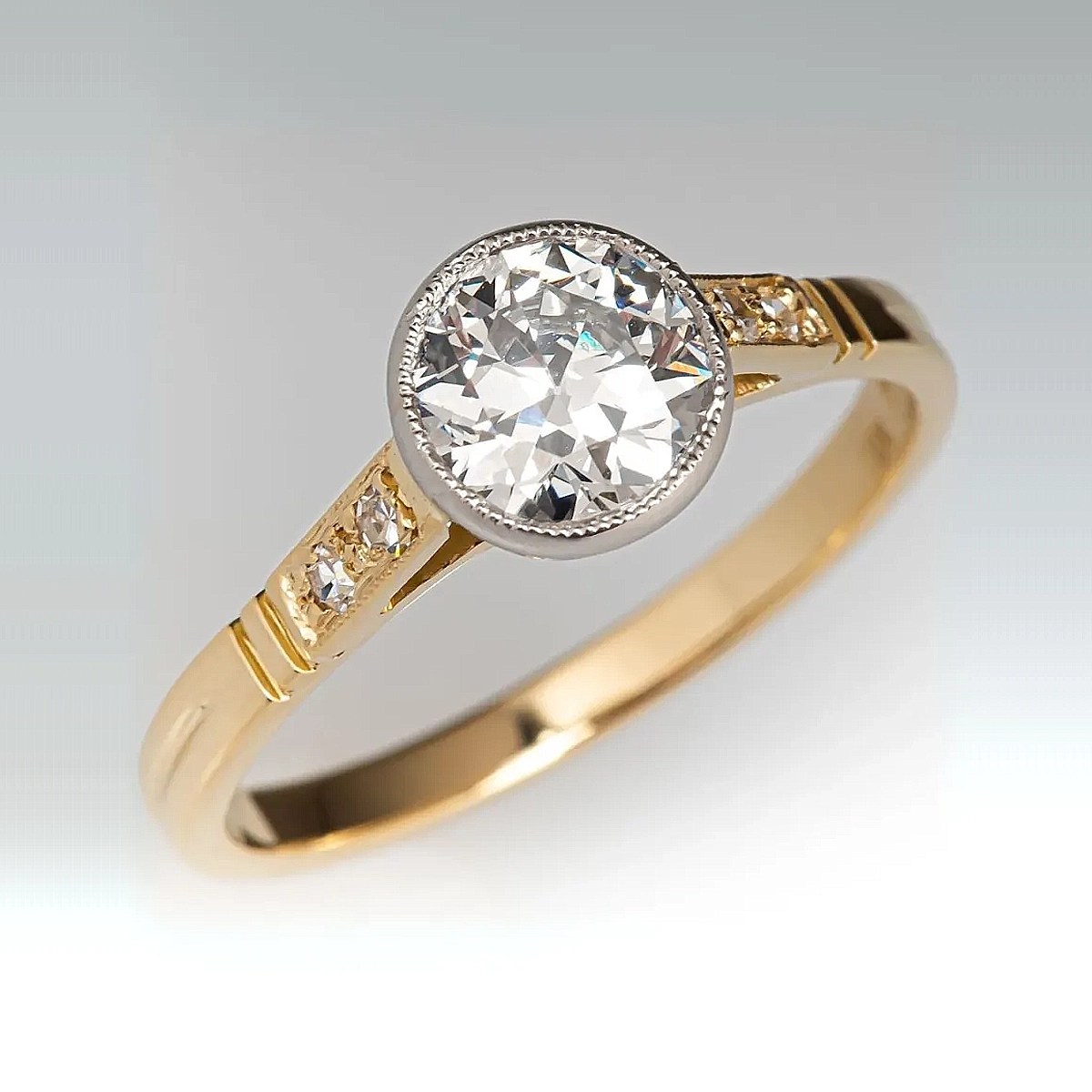
Bezel Setting

Halo Setting
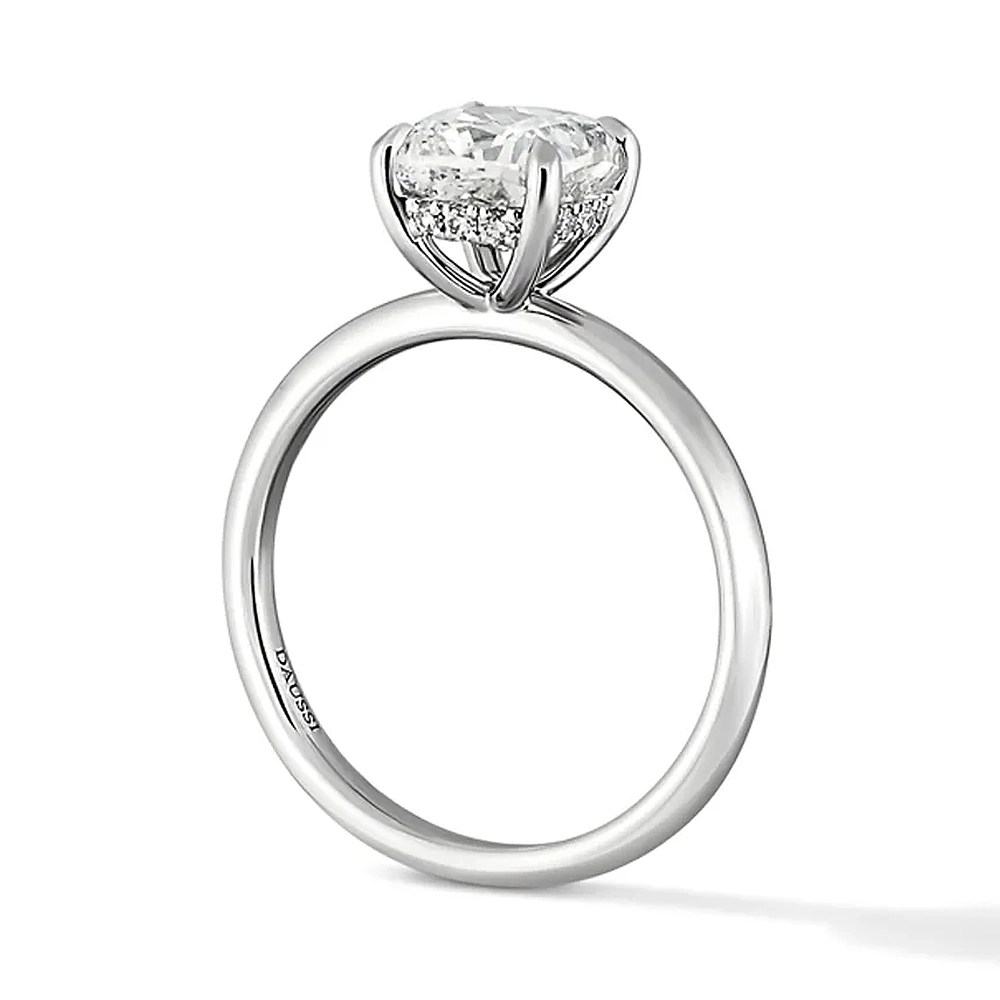
Hidden Halo Setting

Hidden Halo Setting
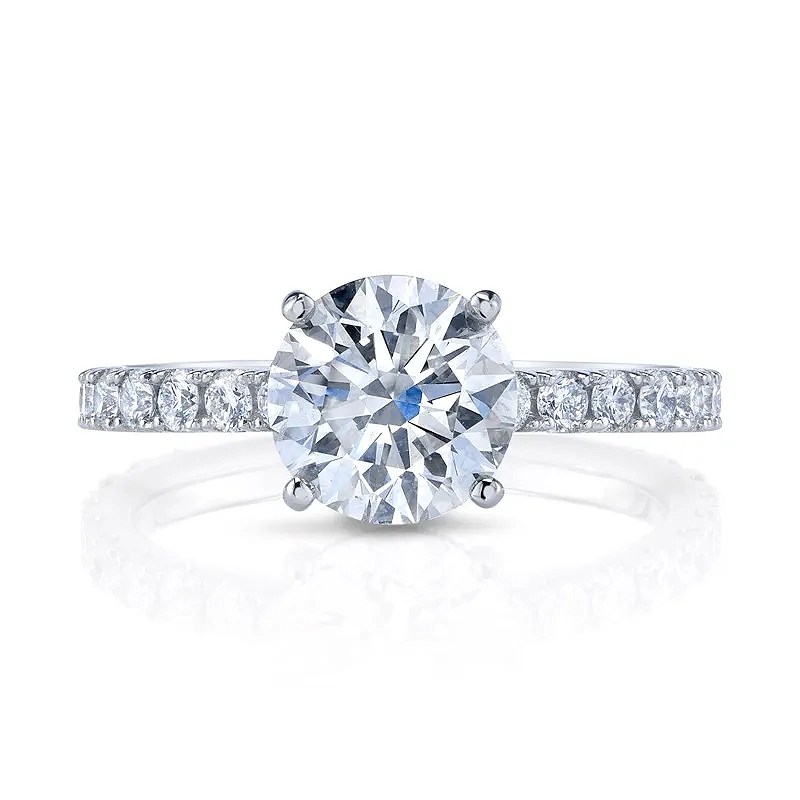
Pavé Setting
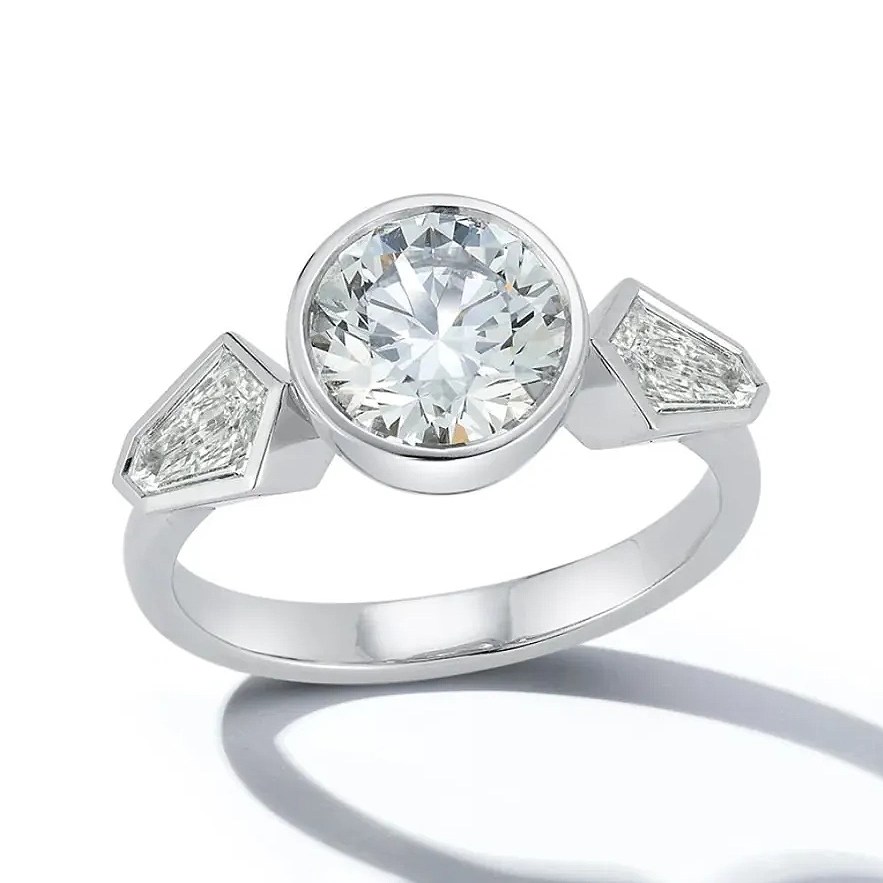
Three-Stone Setting
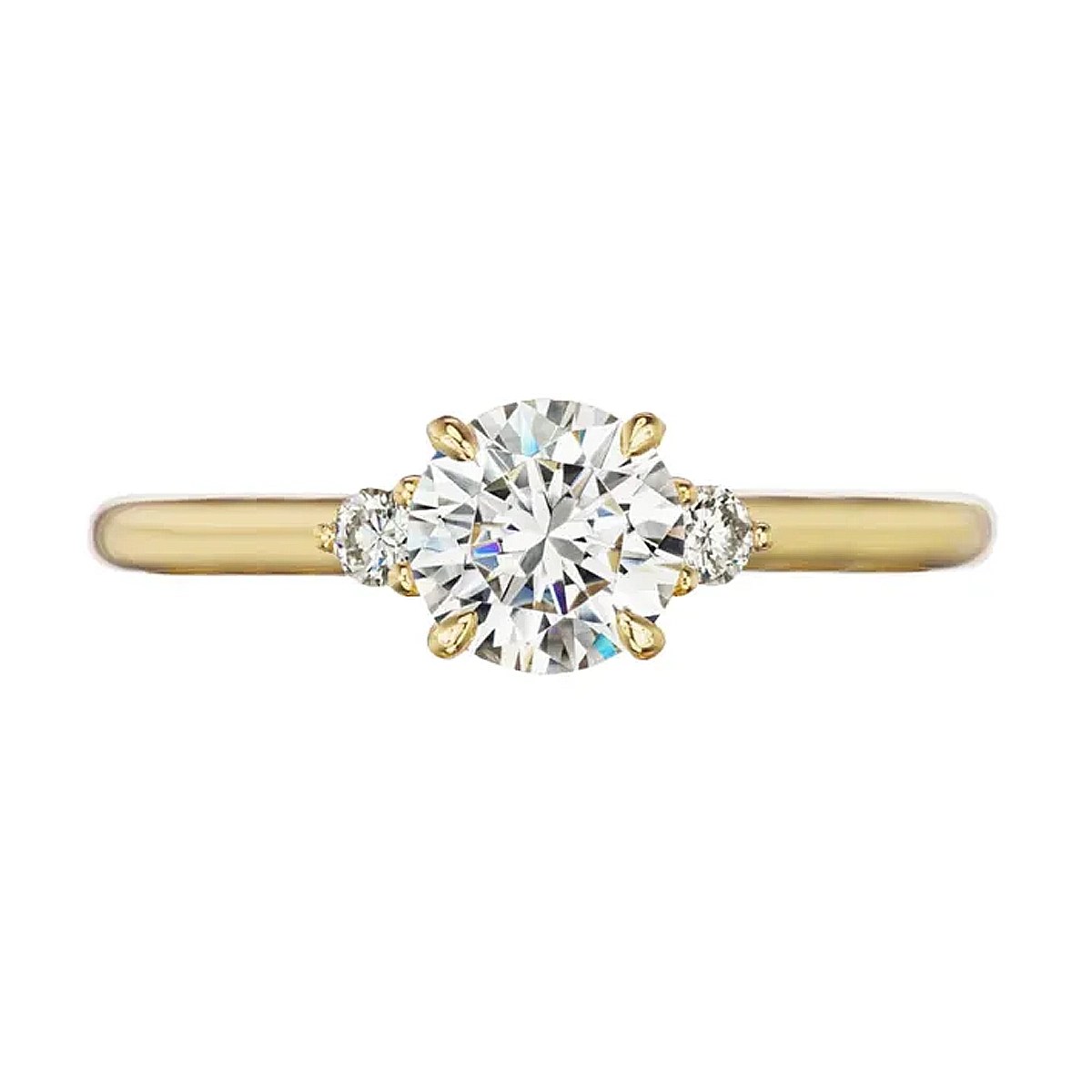
Three-Stone Setting
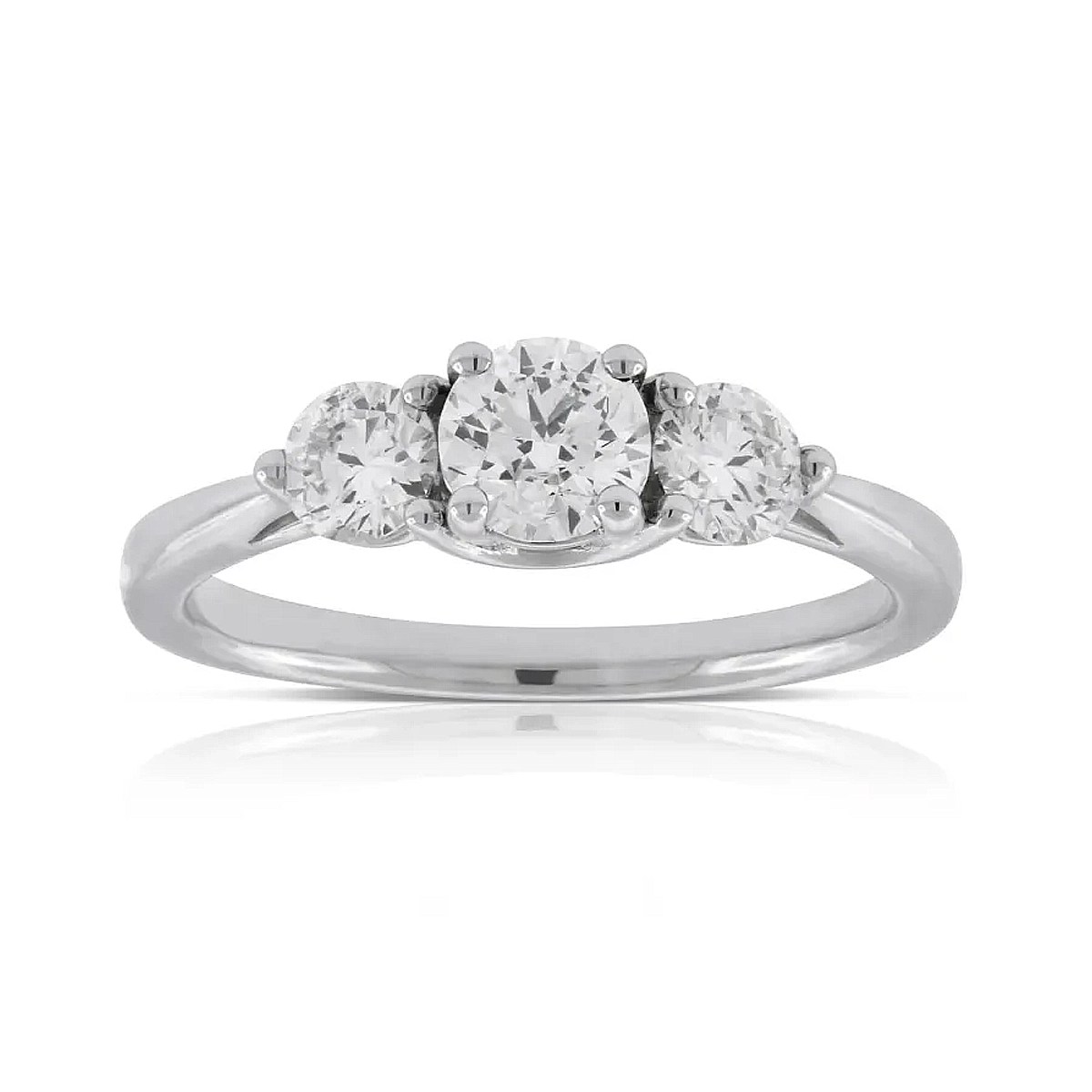
Three-Stone Setting
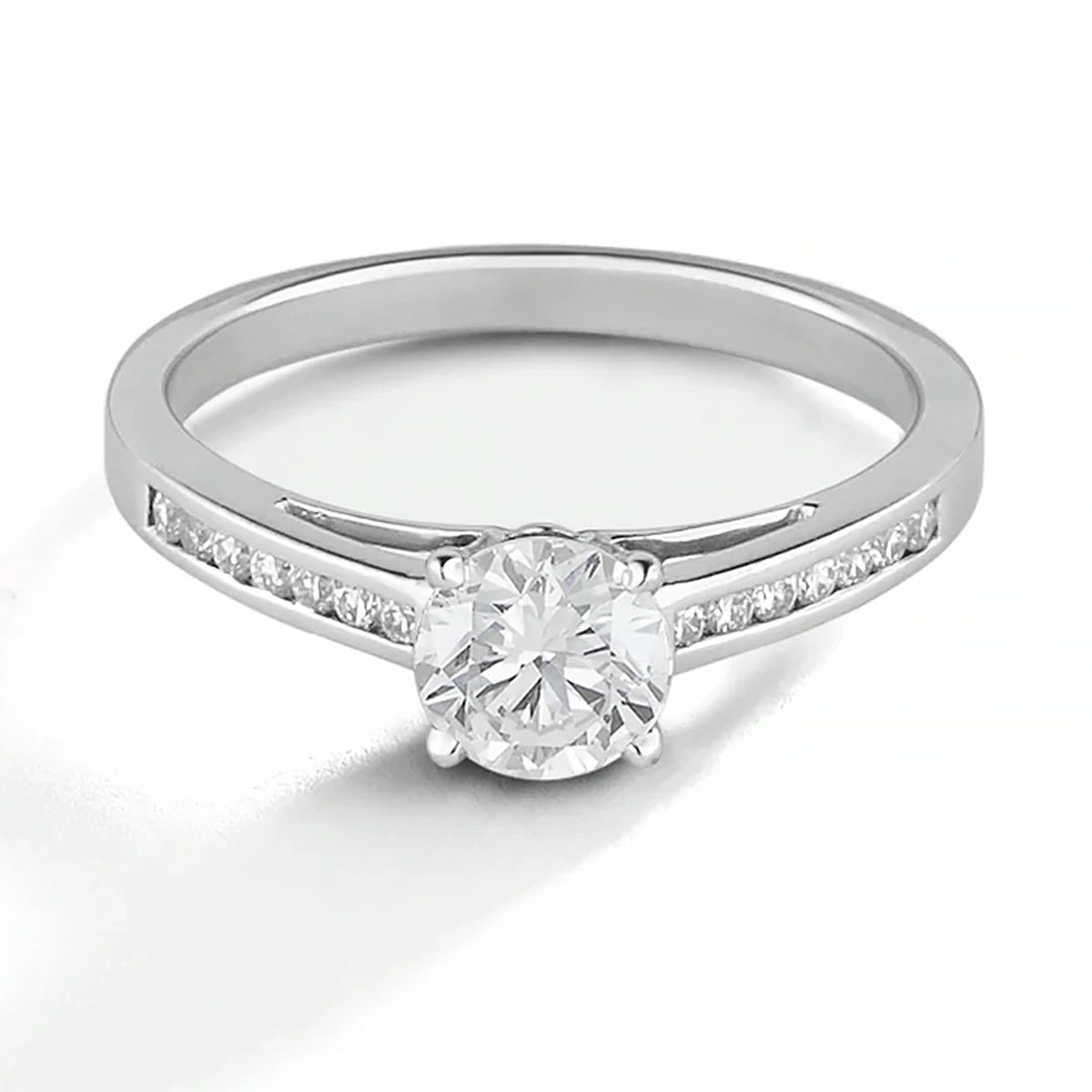
Chanel Setting
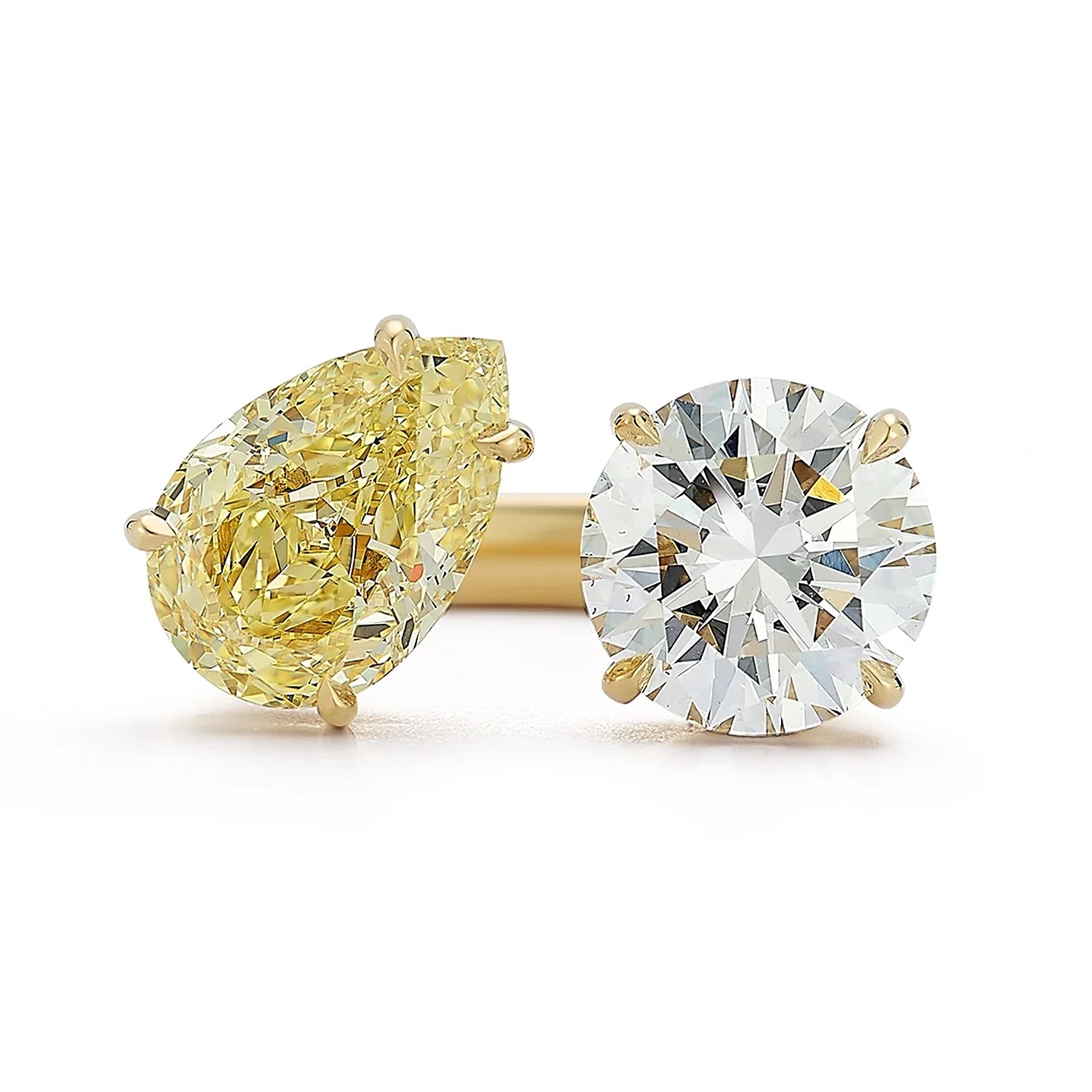
Toi et Moi Setting
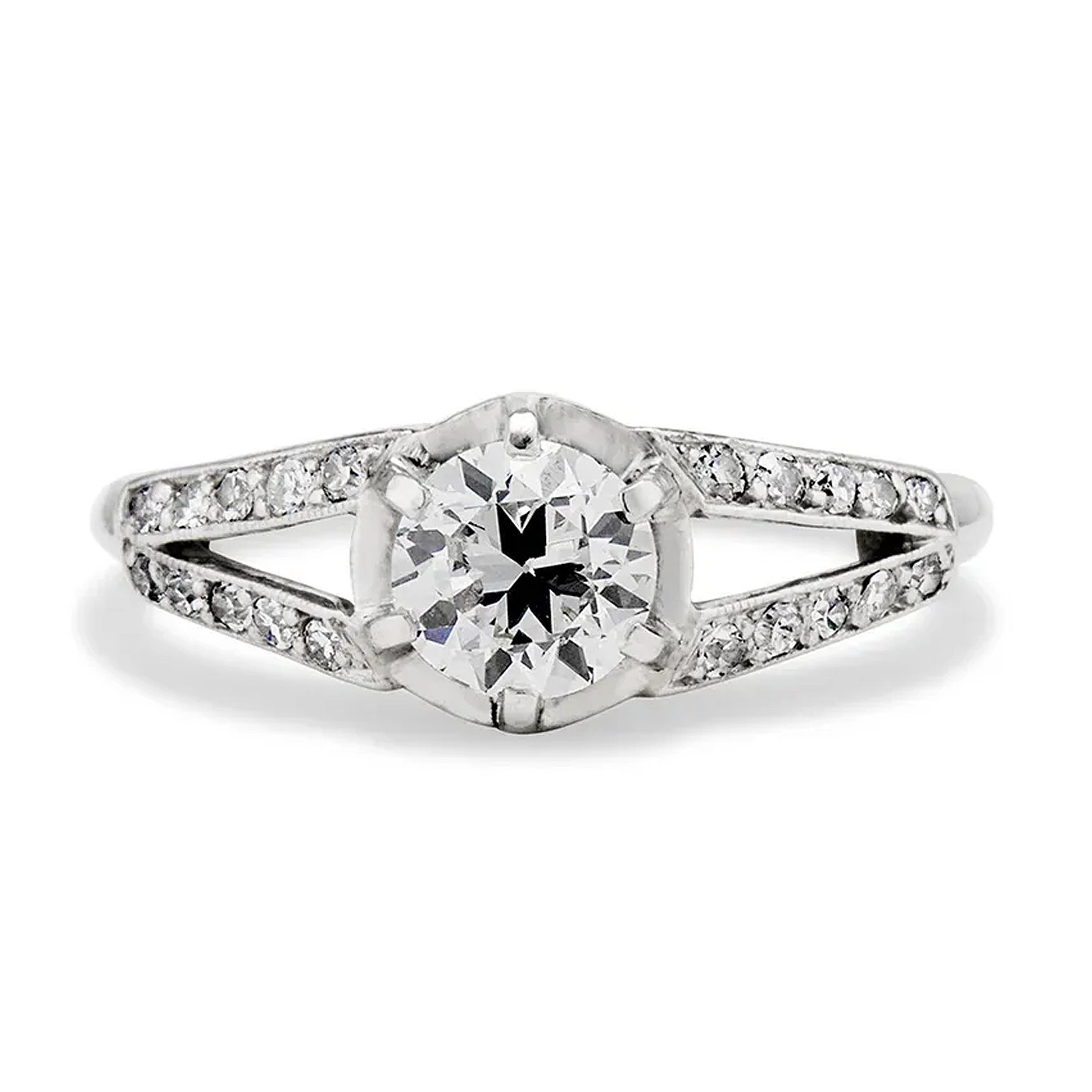
Split Shank Setting
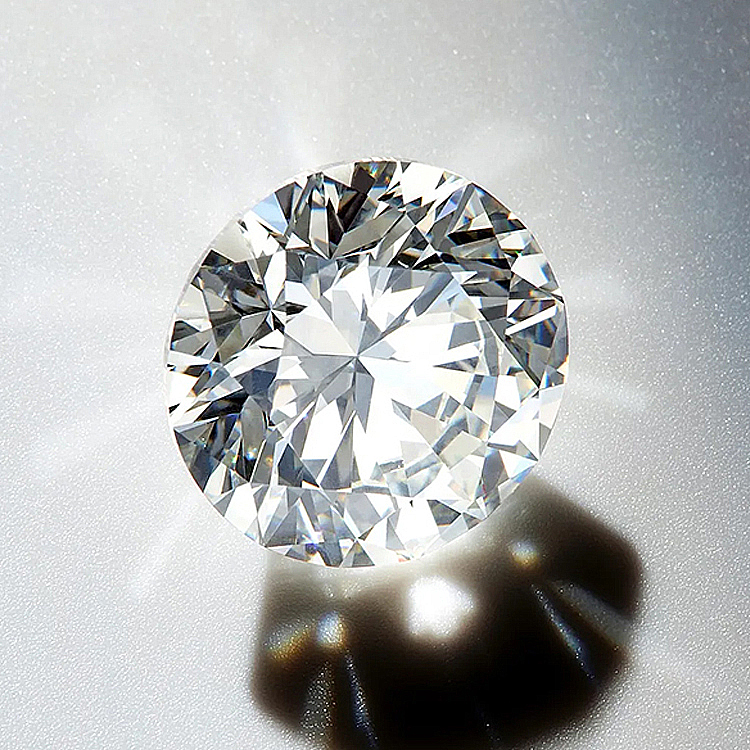
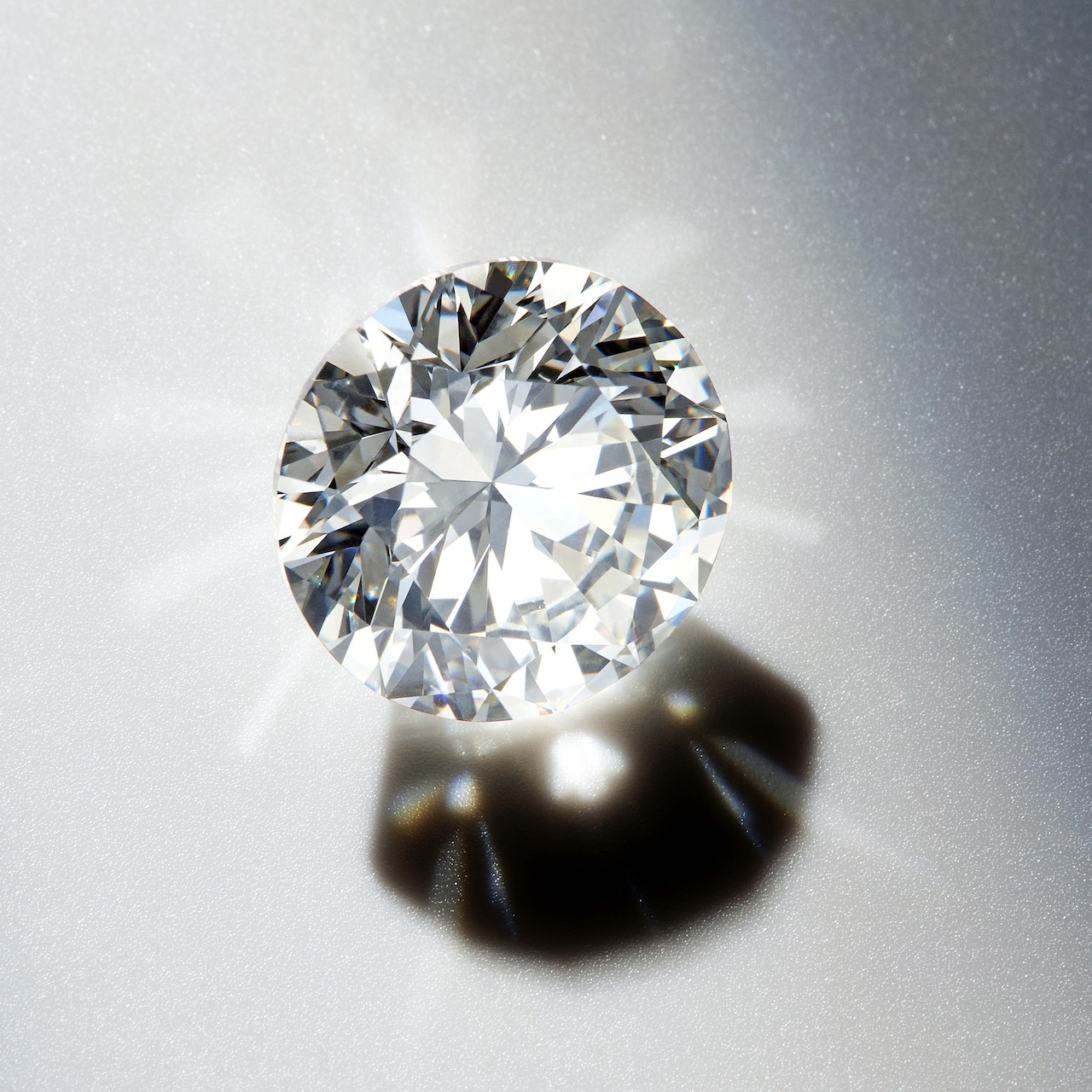
Round Brilliant Cut Diamond
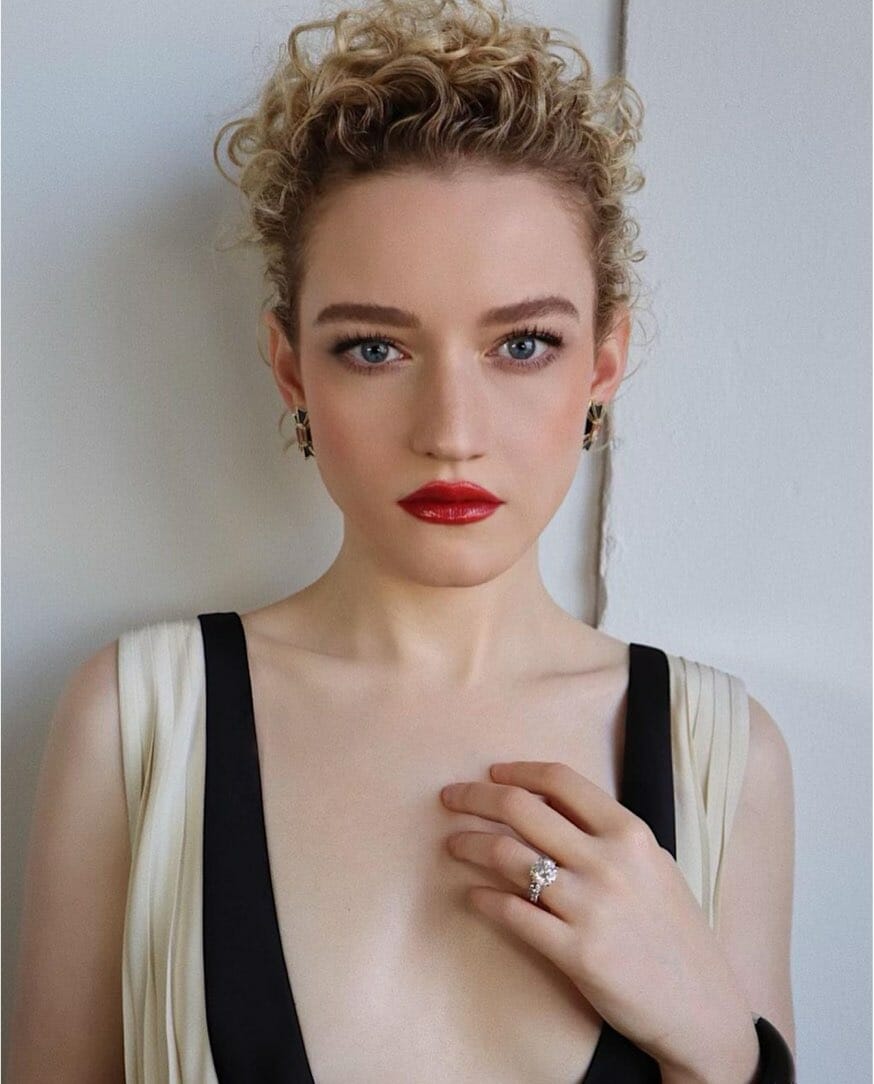
The round brilliant cut is the most popular and timeless diamond shape, accounting for approximately 75% of all diamonds sold. It features 58 facets, which are carefully arranged to maximize the diamond’s ability to reflect light. Since this diamond shape maximizes light reflection, it is the most forgiving of inclusions and blemishes. Pro tip: While all round brilliant cut diamonds are round, not all round diamonds (sometimes called a classic round diamond) are brilliant cut—the round brilliant cut is a specific style of cut for a round-shaped diamond.
Its balanced proportions make it universally flattering across all hand shapes, which is part of its enduring appeal.

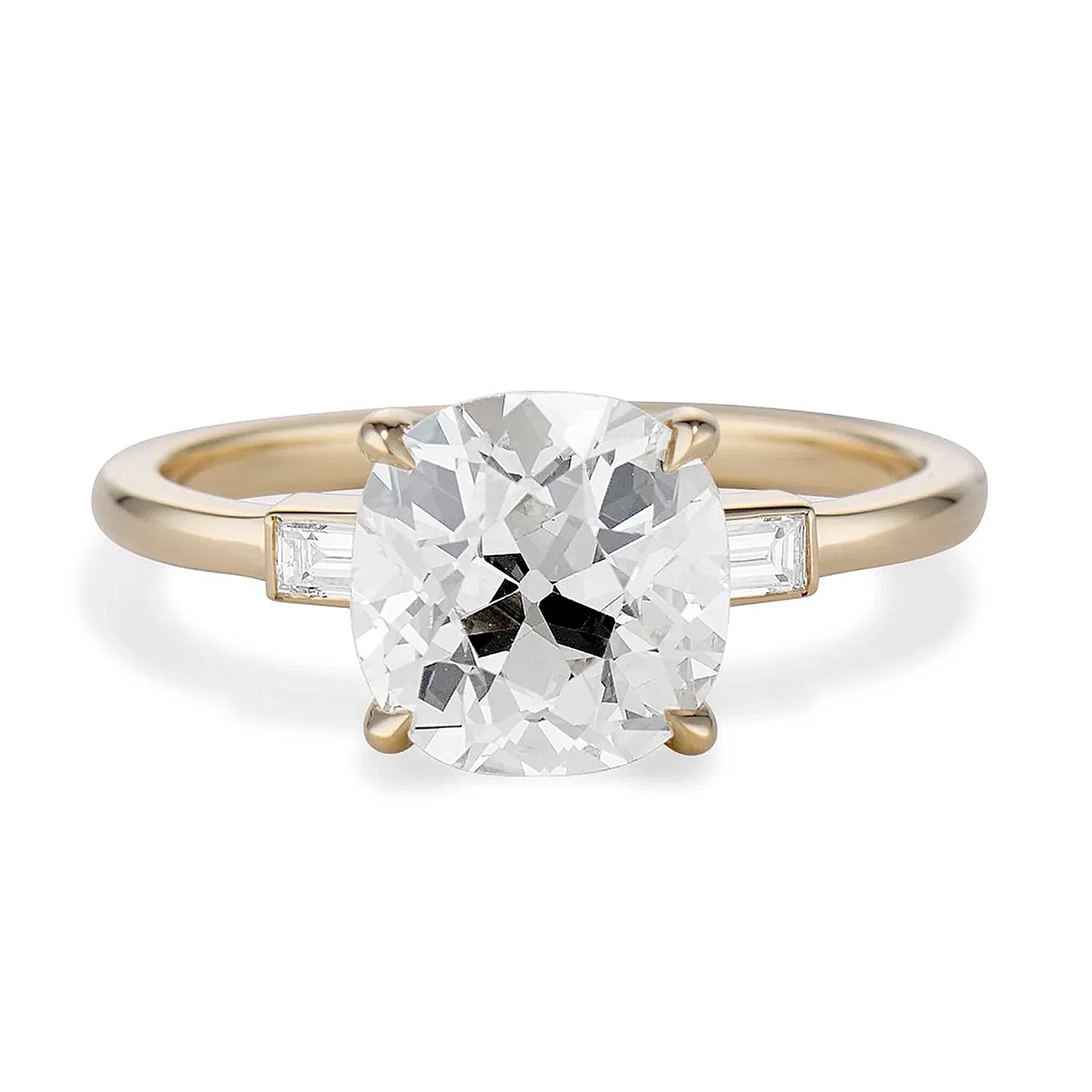
Prong Setting
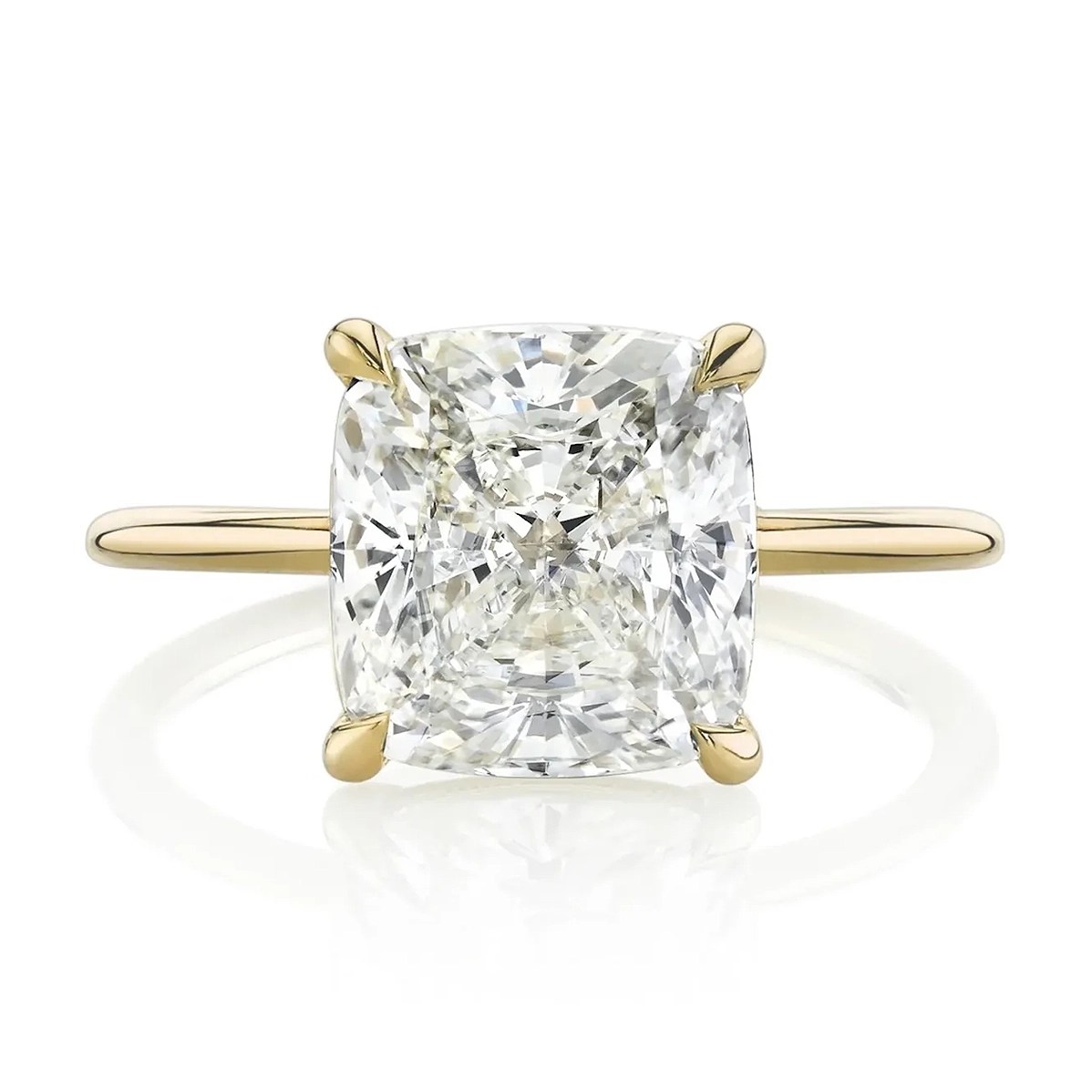
Cushion Diamond Cut: Prong Setting

Bezel Setting
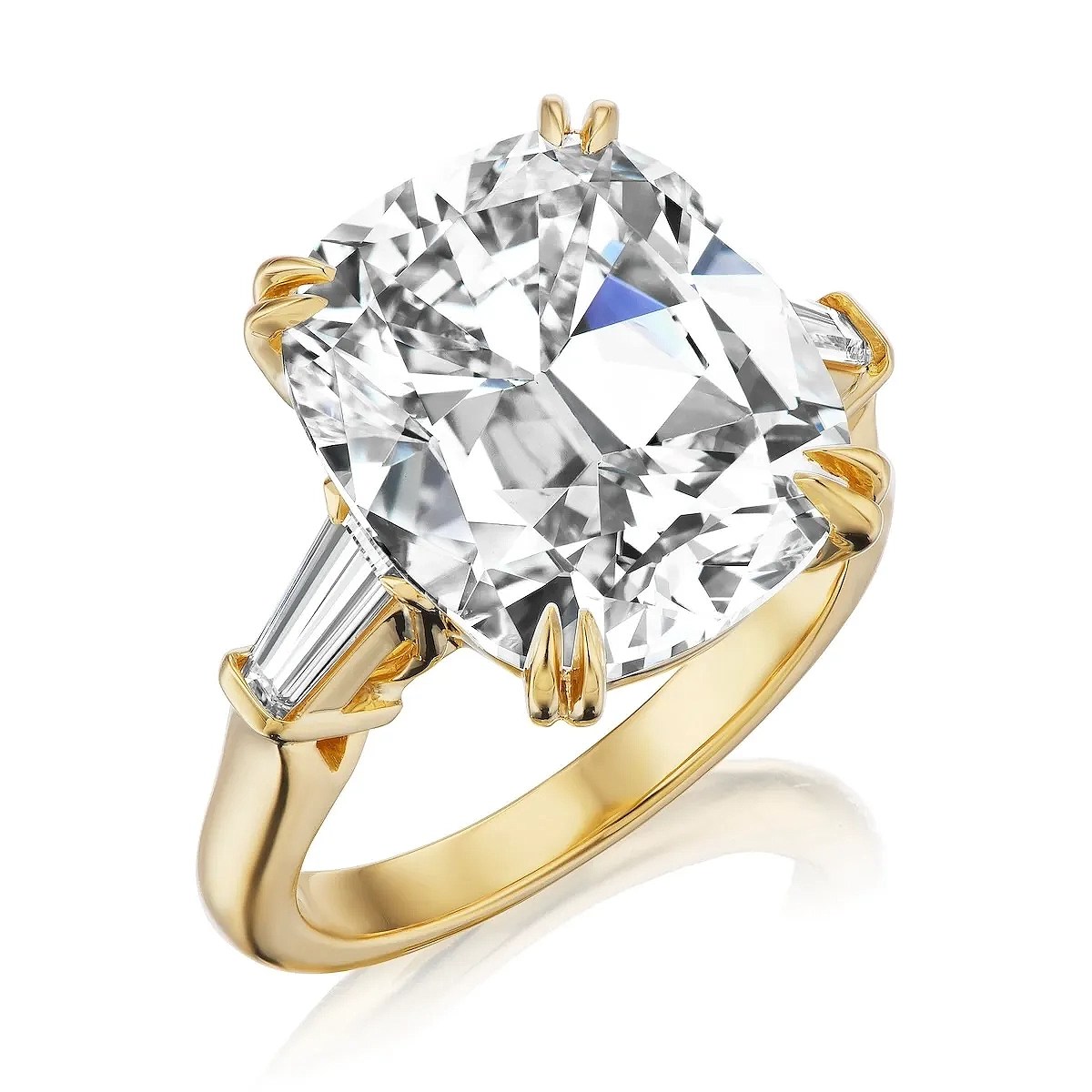
Three-Stone Setting
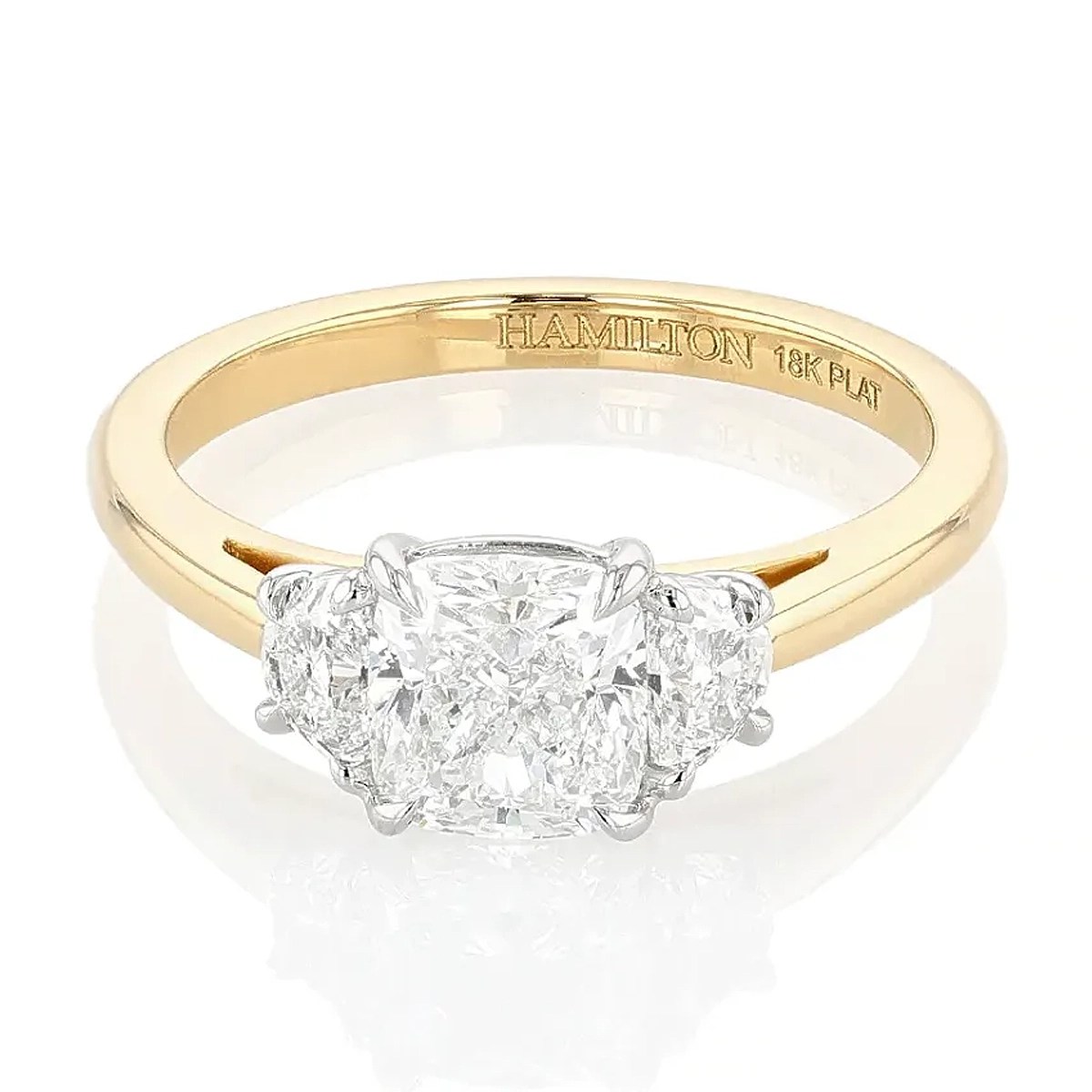
Three-Stone Setting
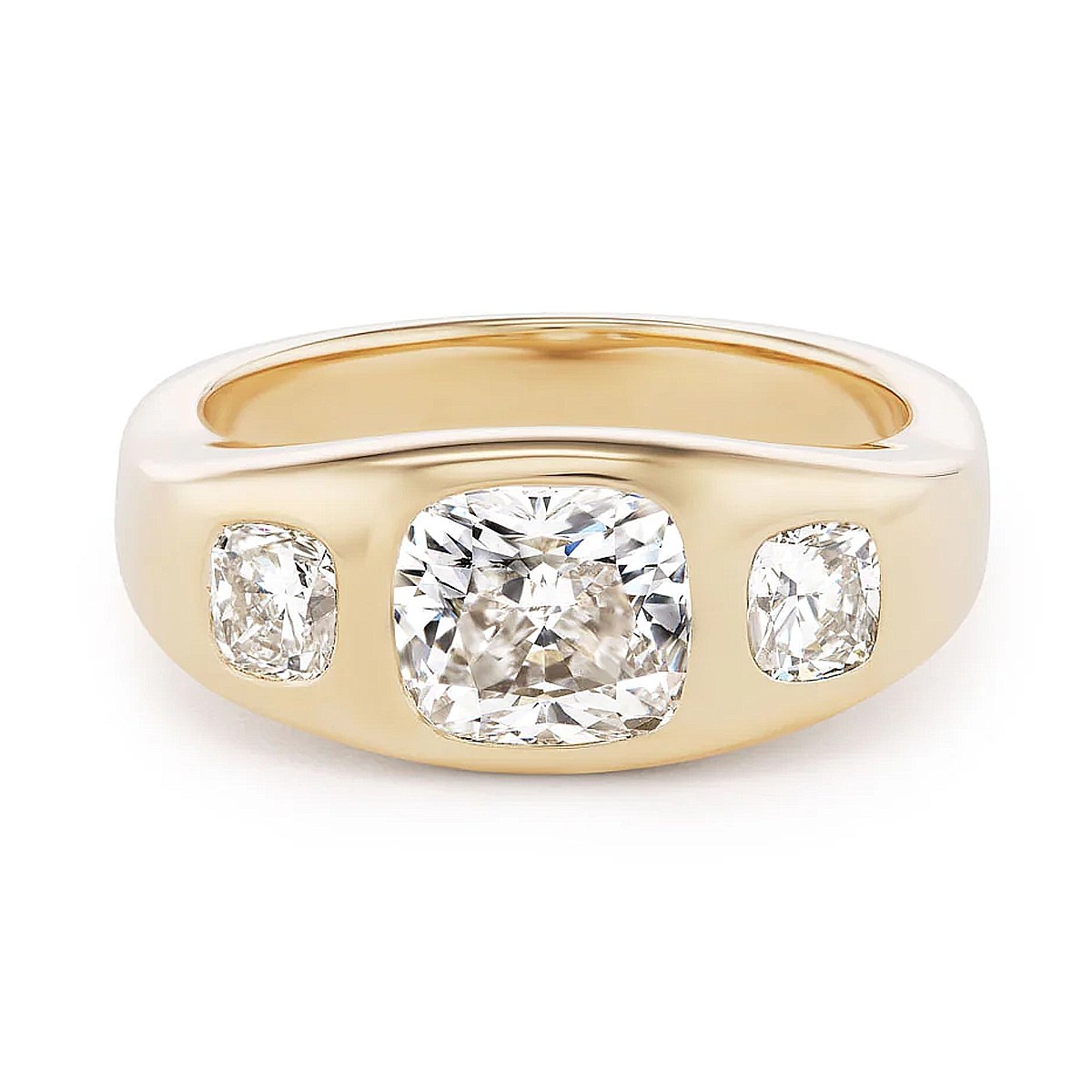
Three-Stone Setting
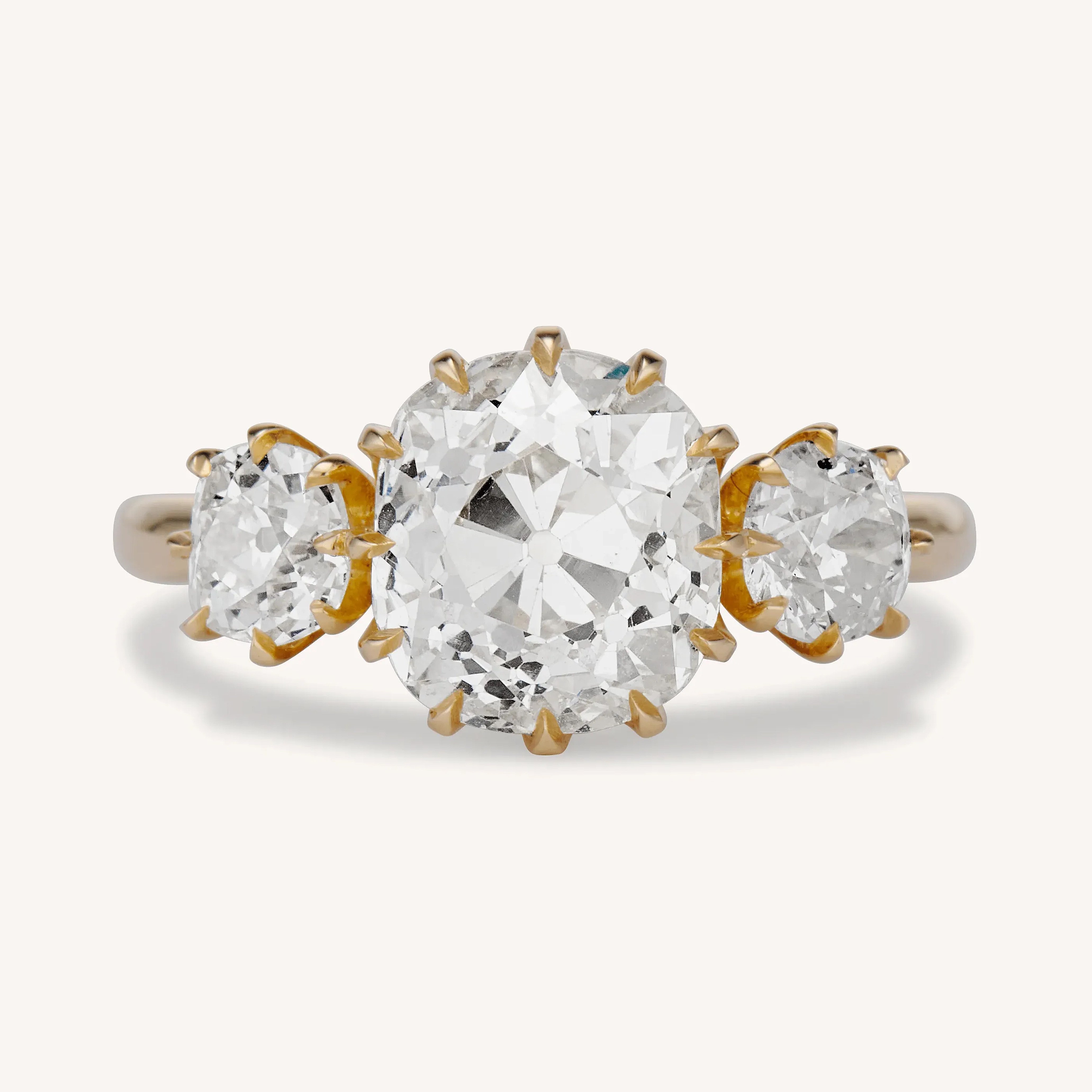
Three-Stone Setting
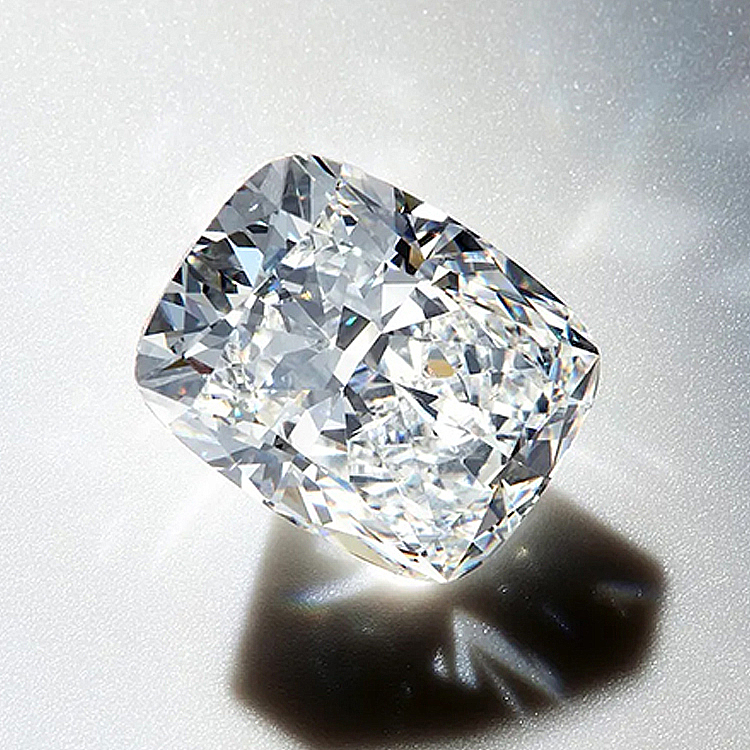
Cushion Cut Diamond
The cushion cut is a square or rectangular diamond with rounded corners, resembling the shape of a pillow. This classic cut dates back to the 18th century and has a romantic, vintage-inspired aesthetic. The cushion cut diamond features larger facets, which give it a softer, more glowing appearance.
Cushion cuts are known for their versatility, suiting most hand types. When paired with a halo setting, they can appear larger and add extra softness to the overall look.
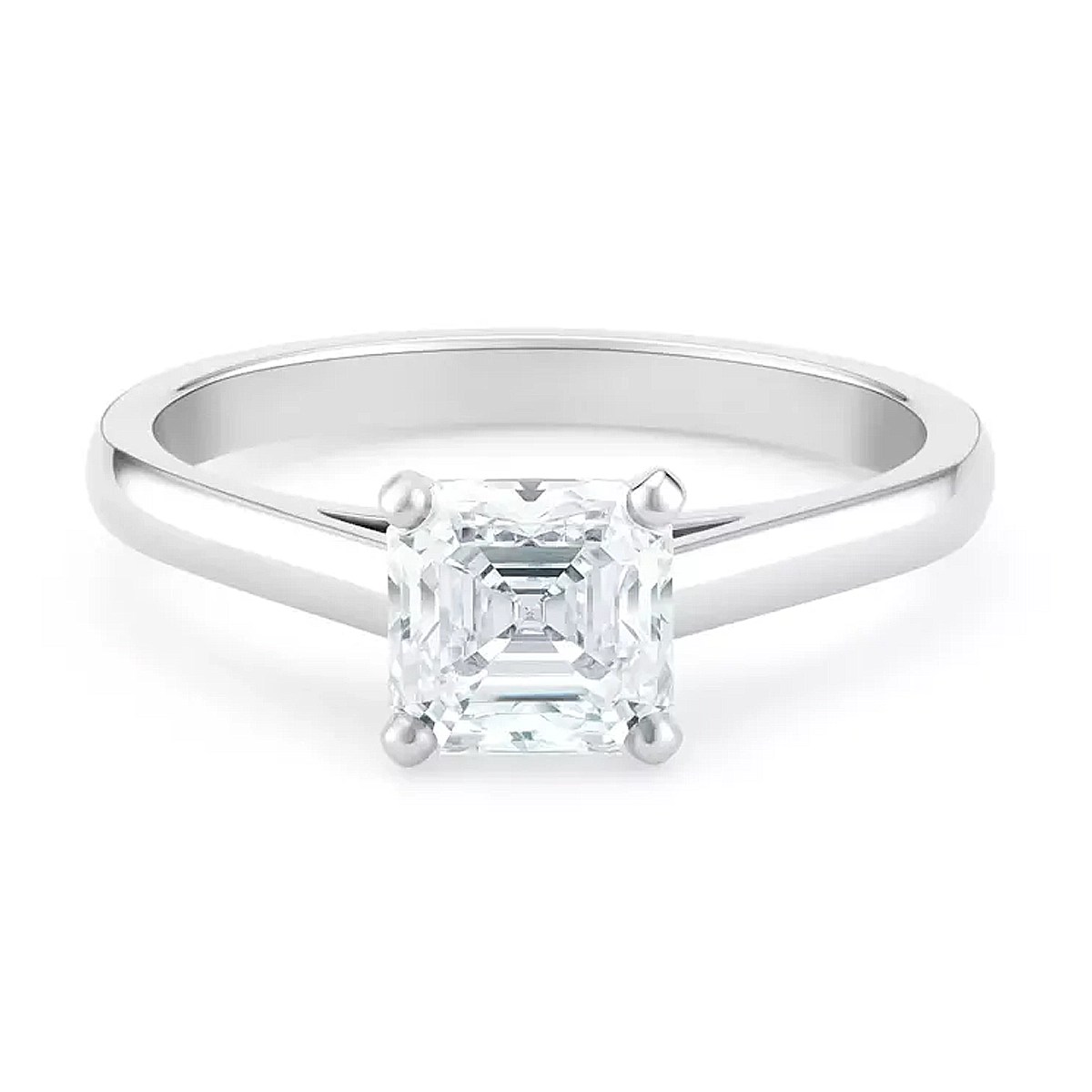
Prong Setting
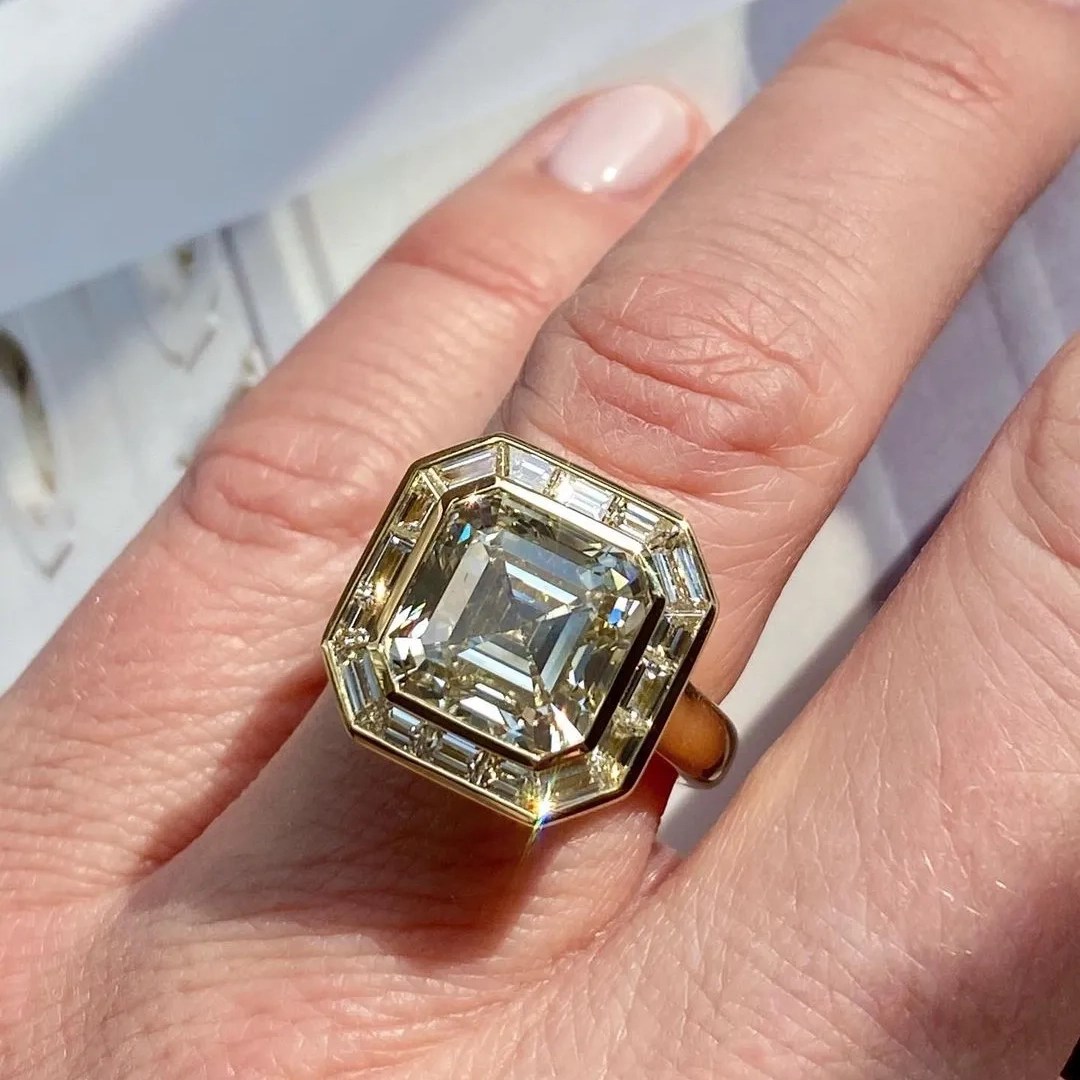
Bezel Setting
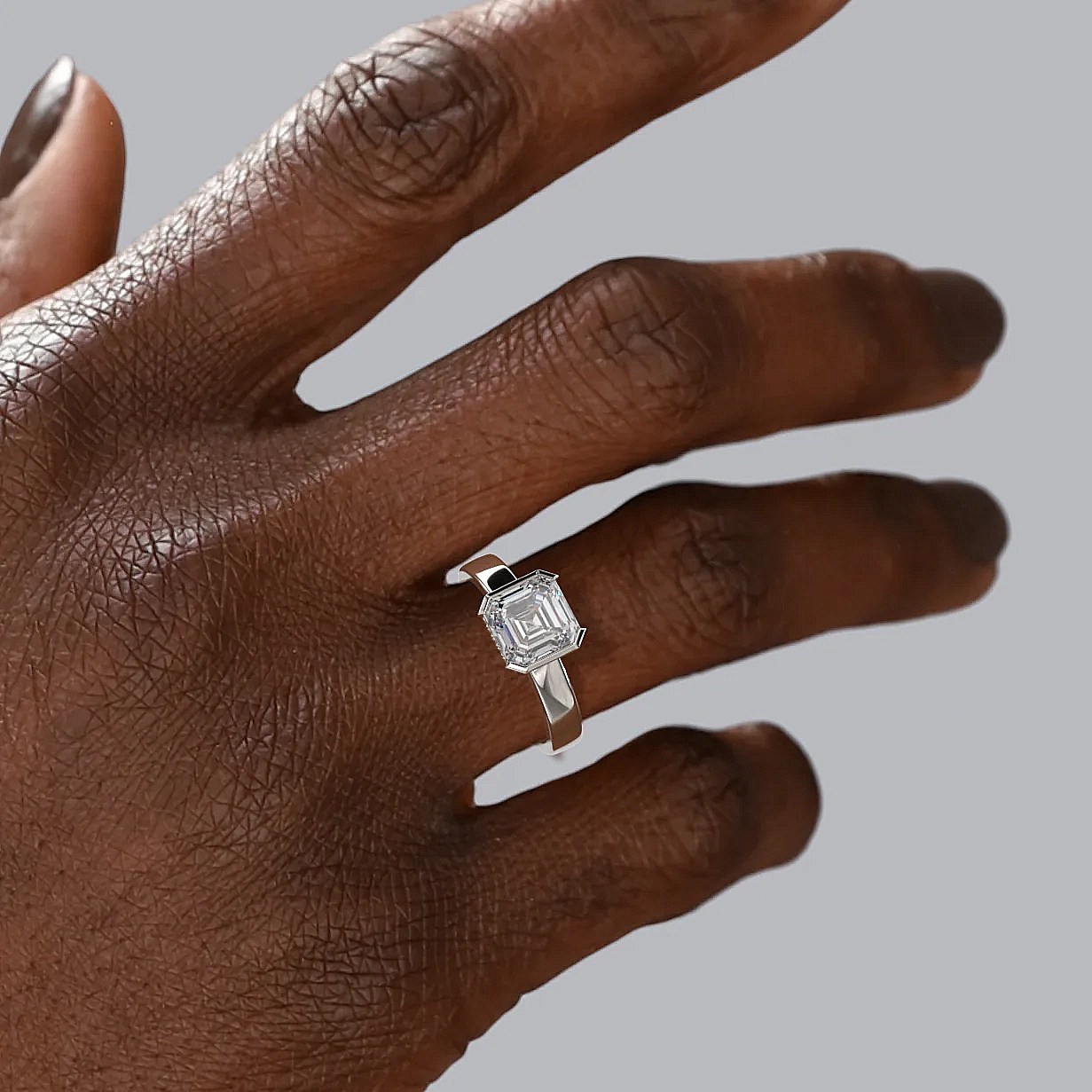
Half Bezel Setting
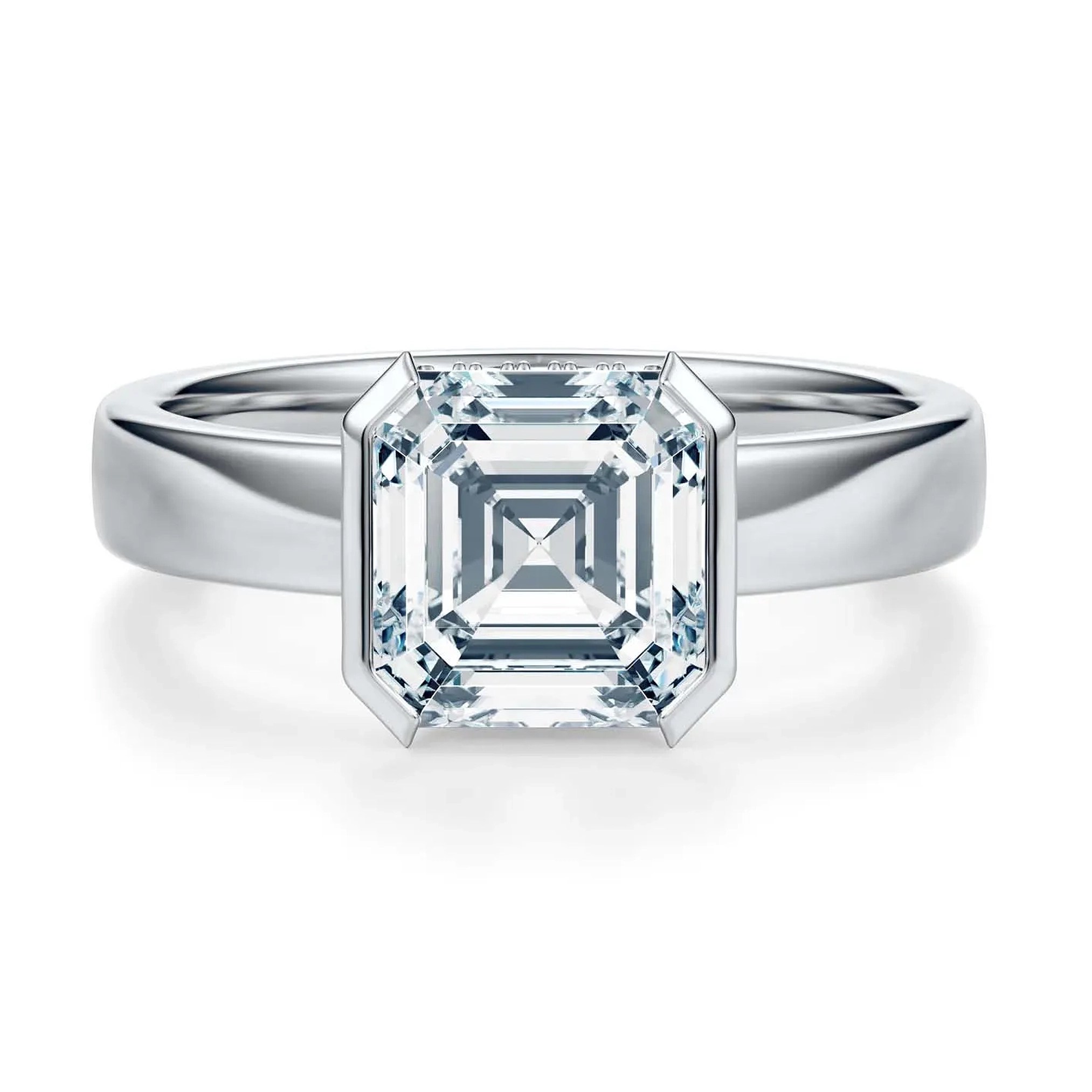
Half Bezel Setting
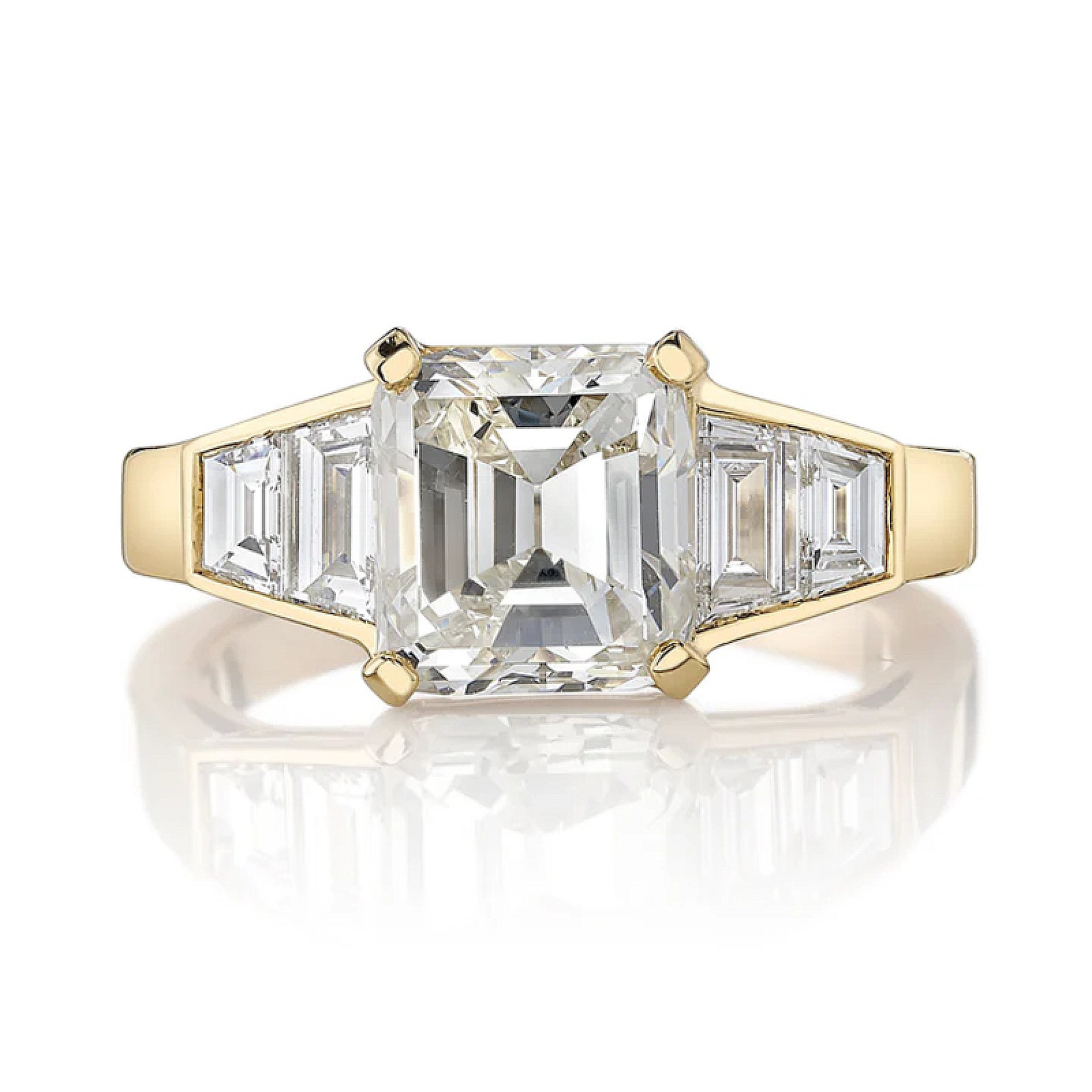
Half Bezel Setting
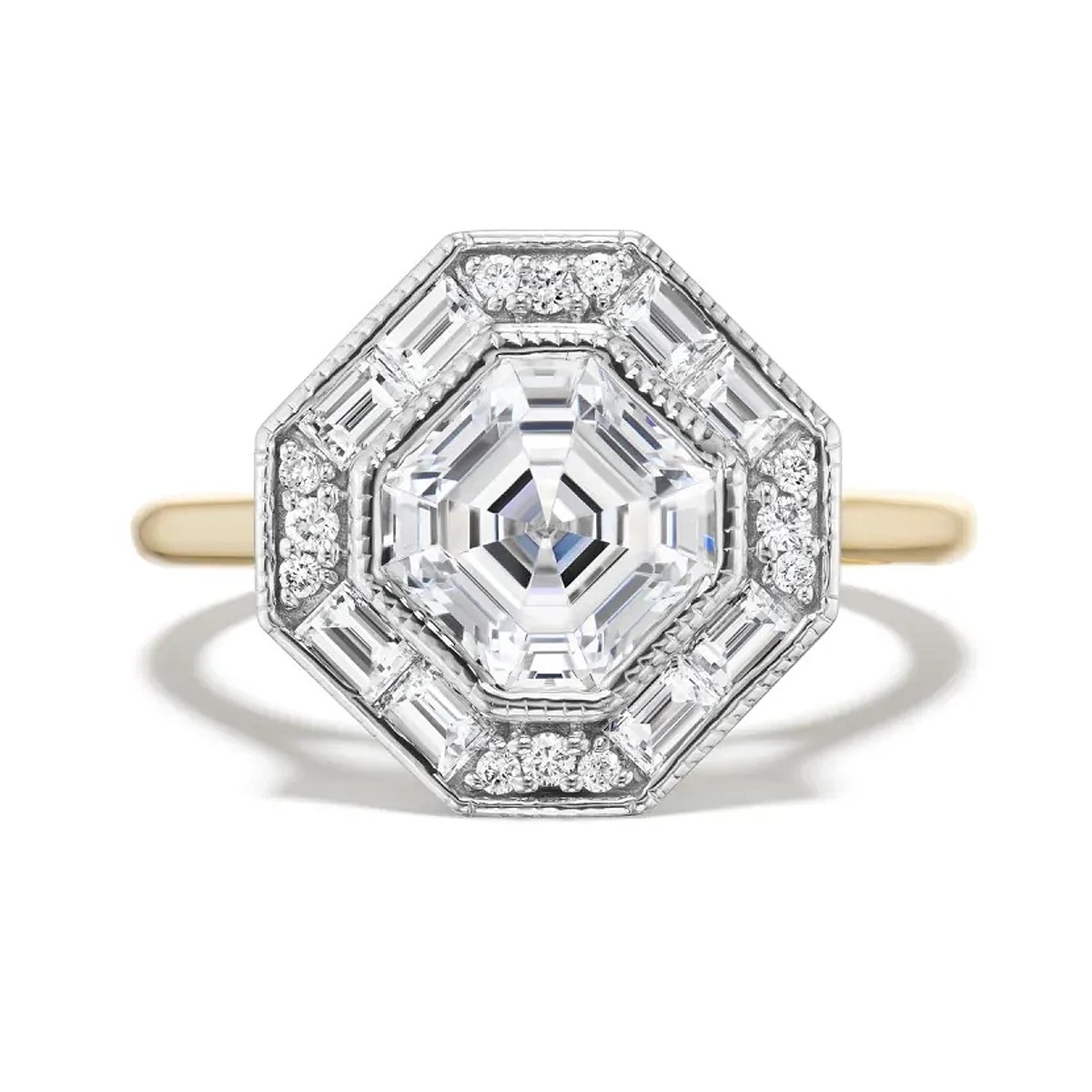
Halo Setting
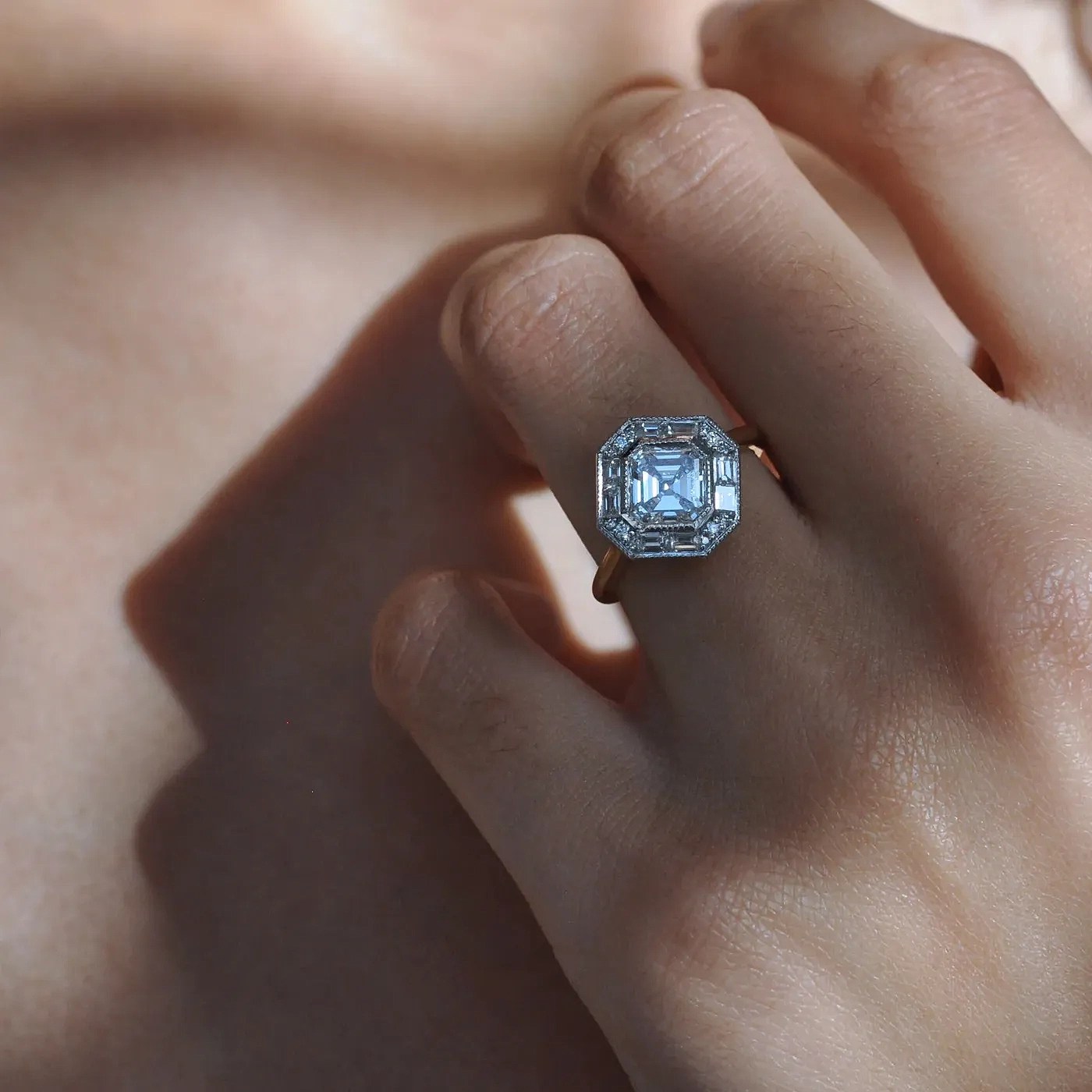
Halo Setting
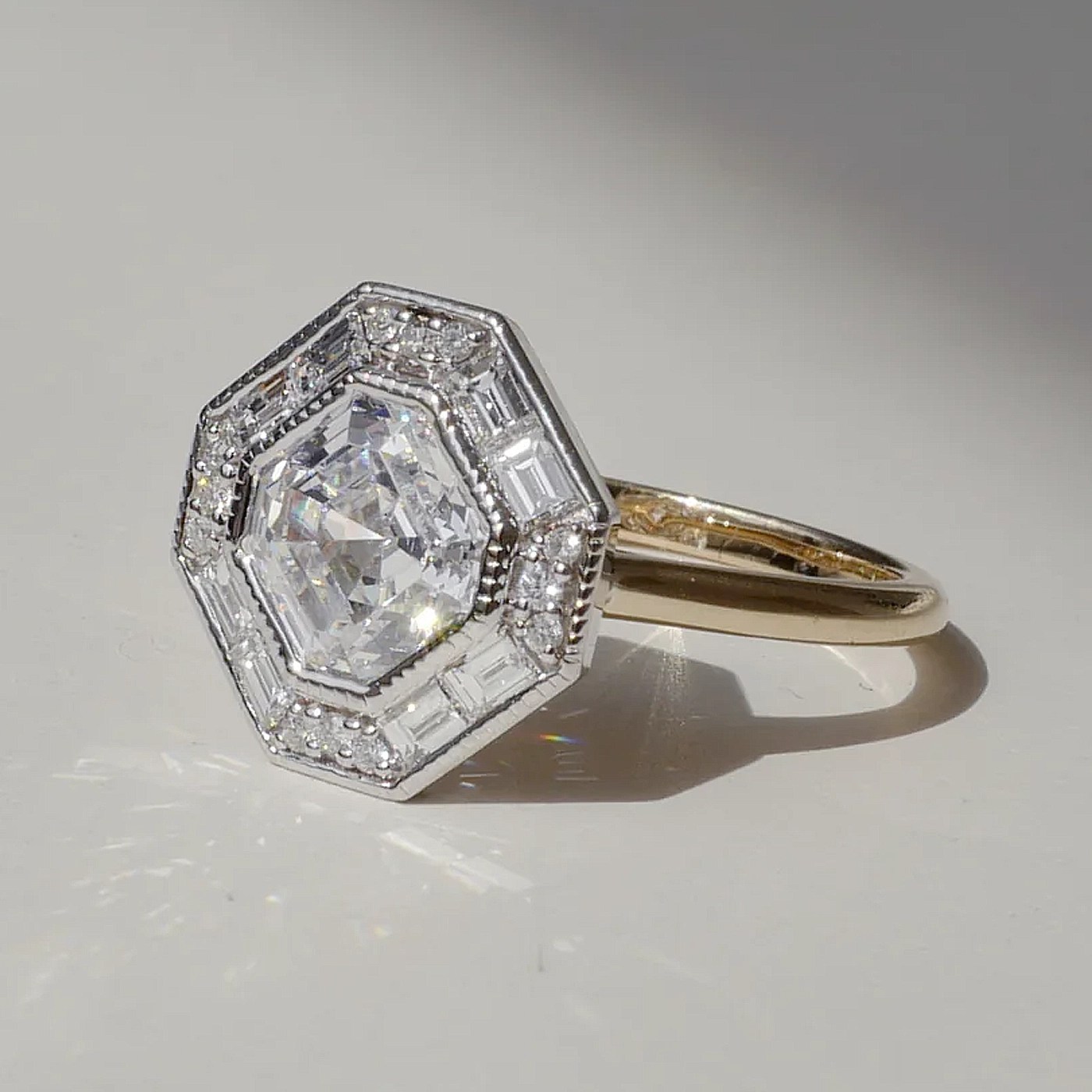
Halo Setting
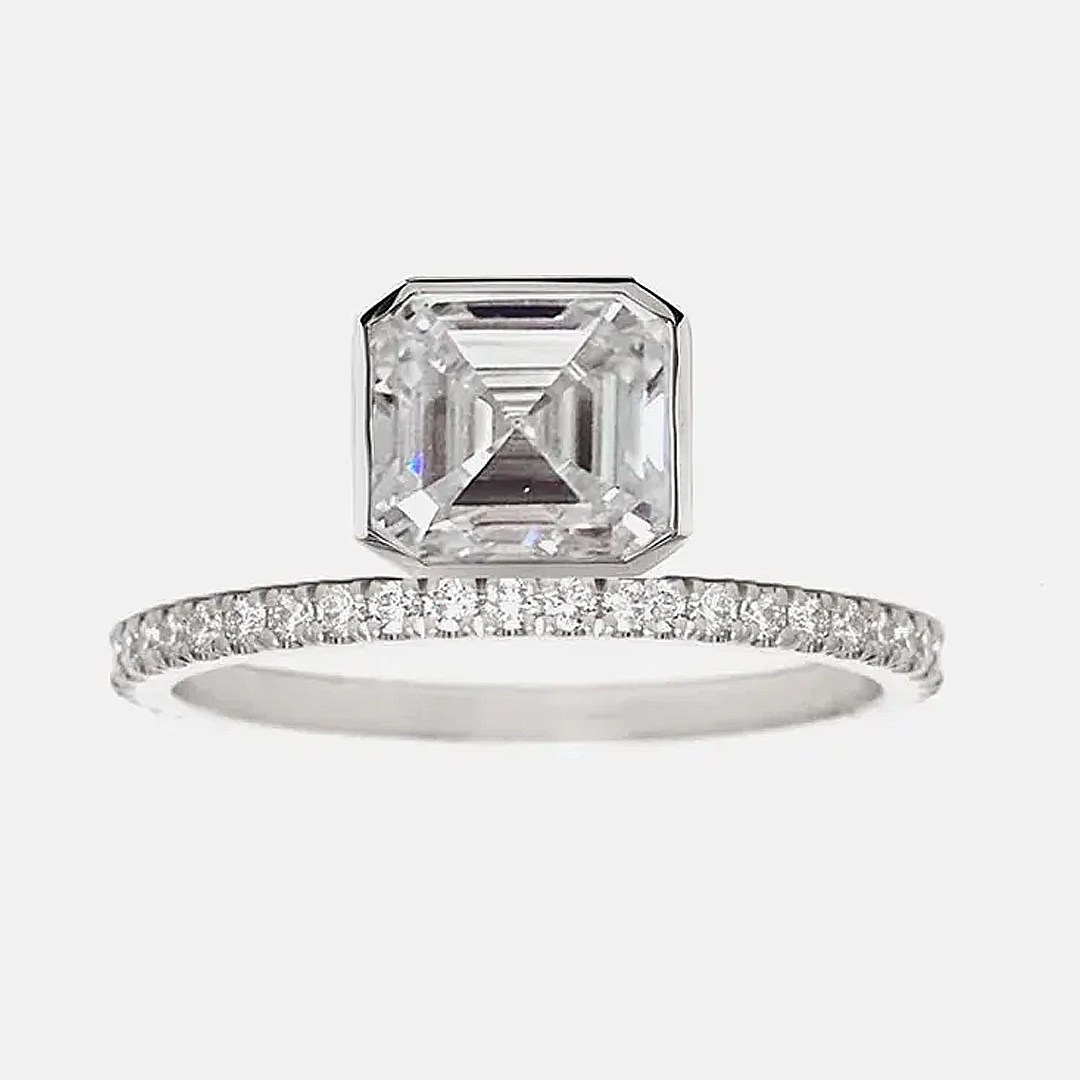
Pave Setting
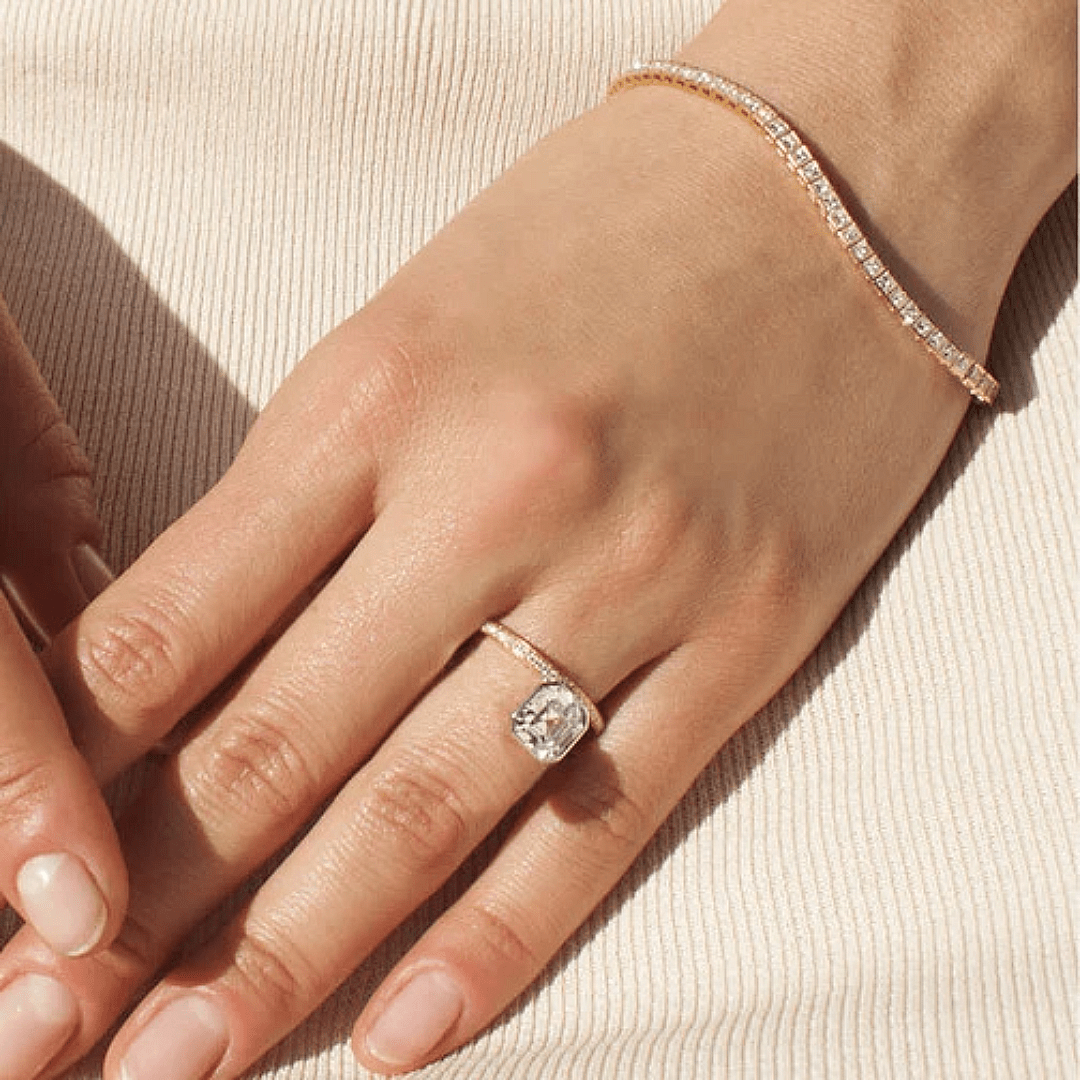
Pave Setting
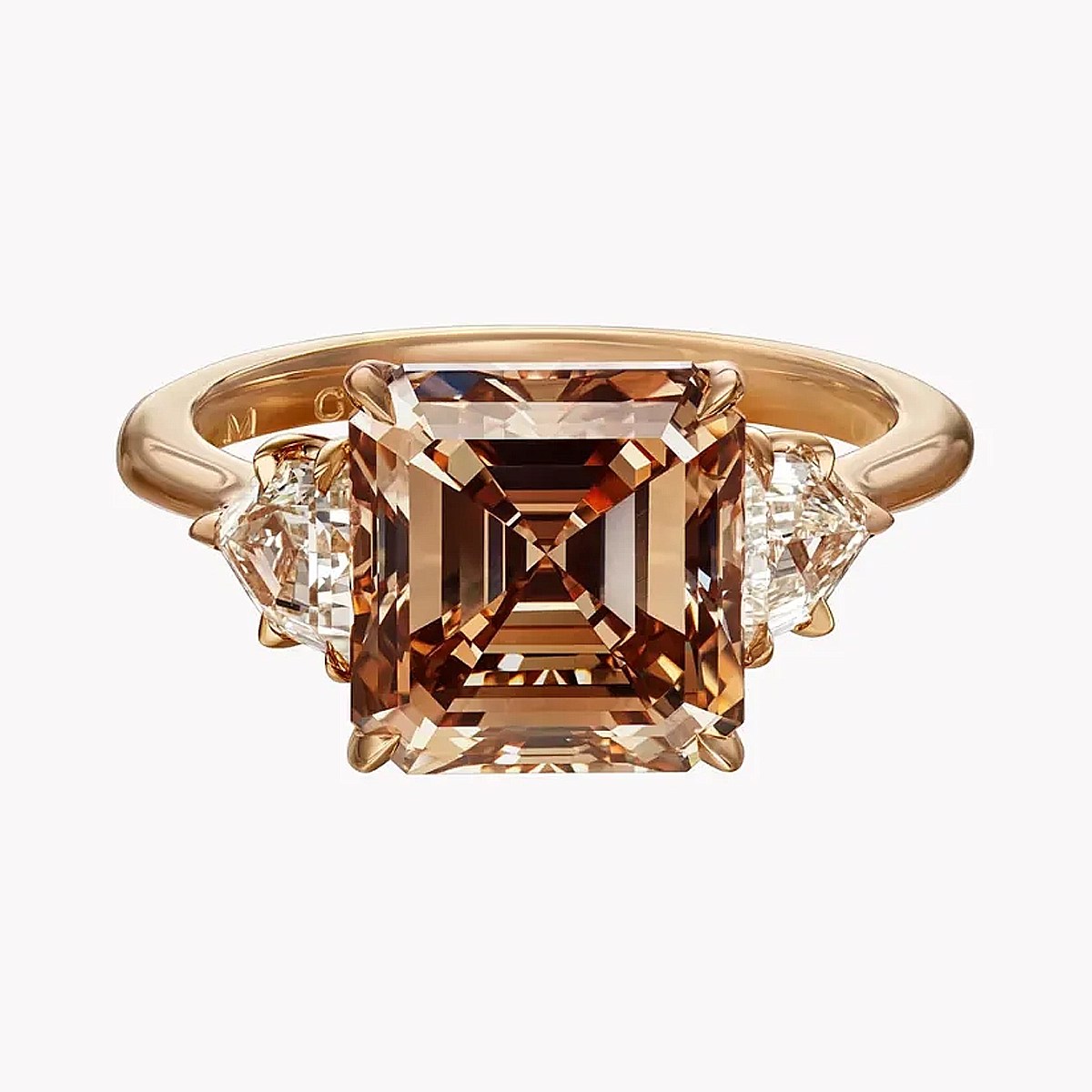
Three-Stone Setting
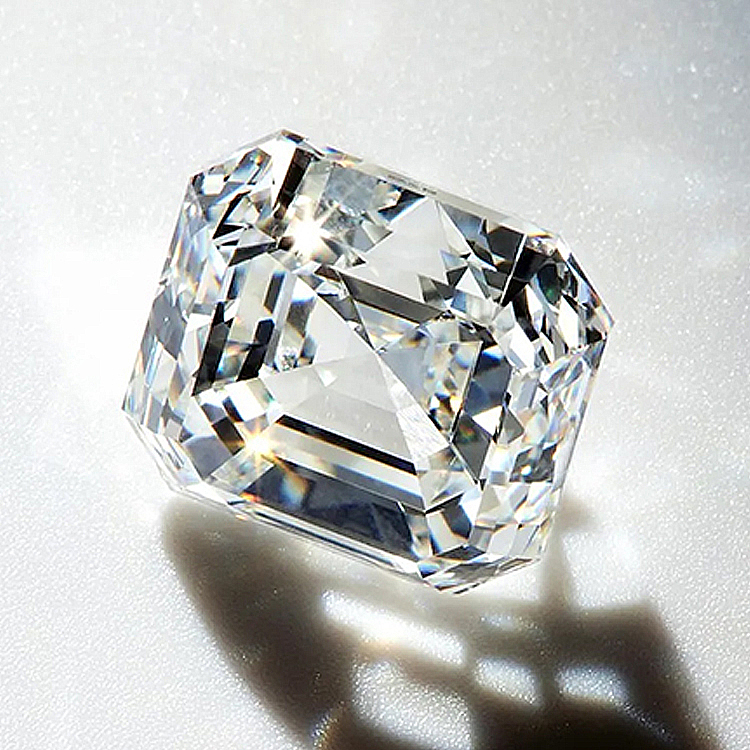
Asscher Cut Diamond
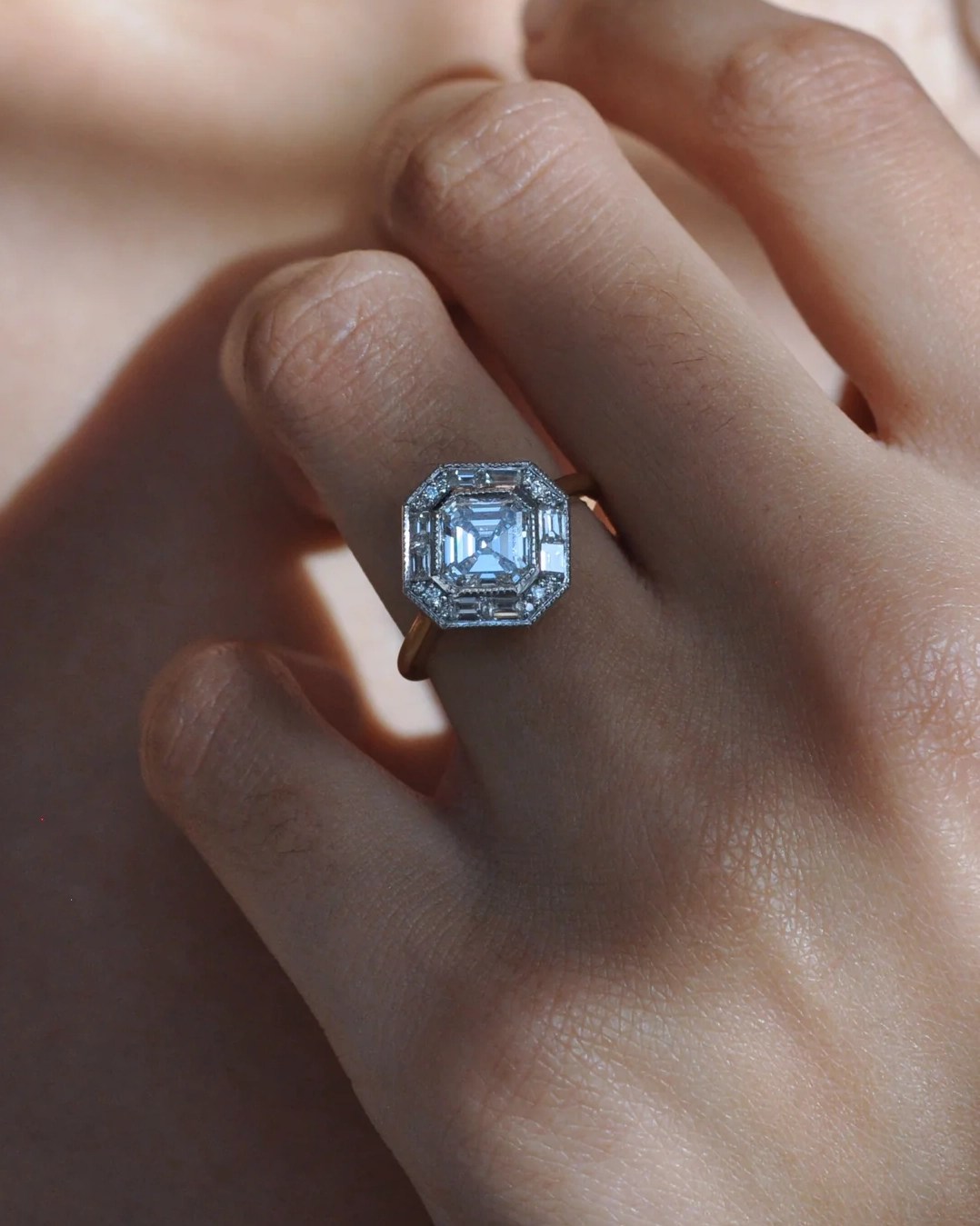
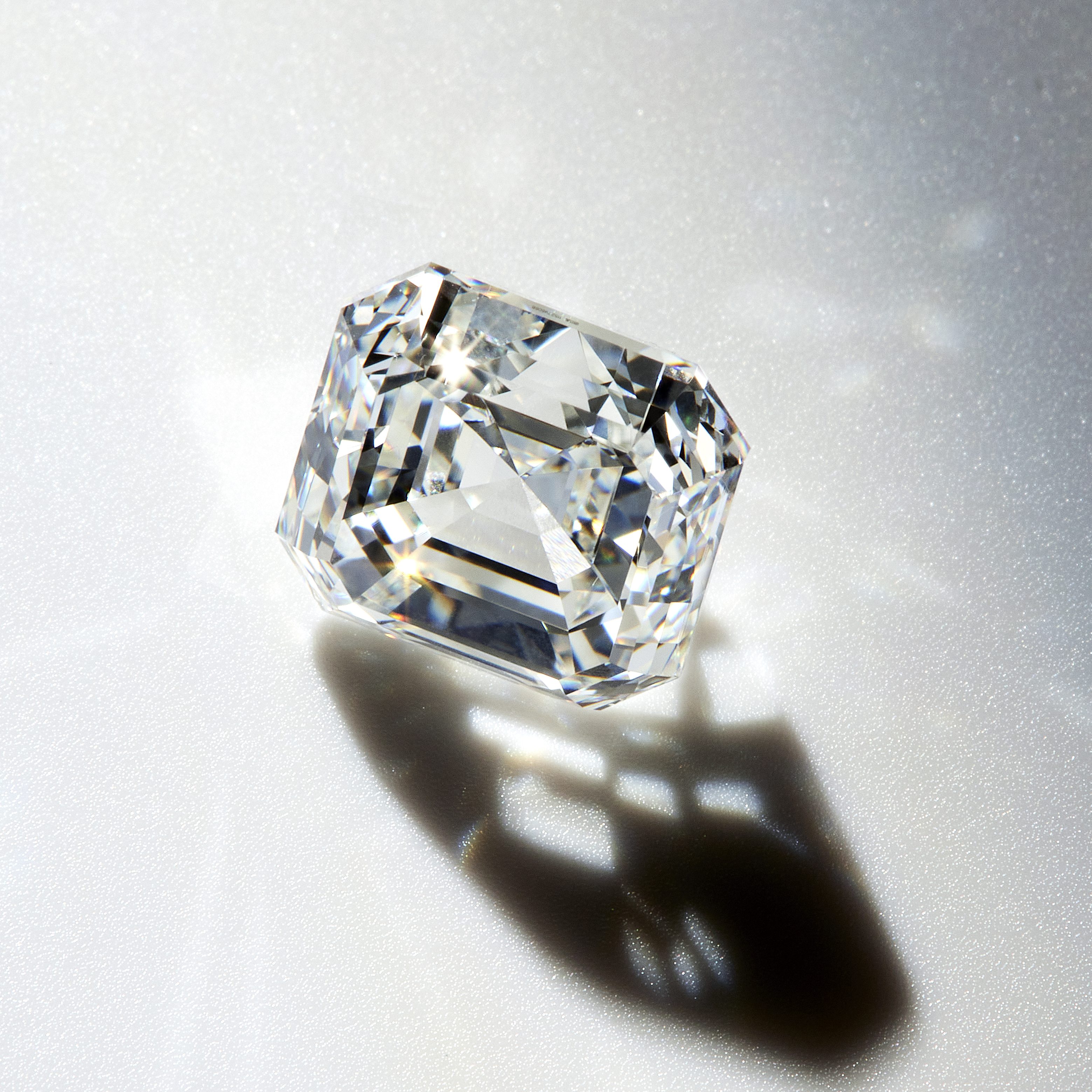
The Asscher cut is a square version of the emerald cut, characterized by its cropped corners and step-cut facets, which gives it more of a square shape. Developed in the early 1900s by Joseph Asscher, a member of the renowned Asscher family of diamond cutters from Amsterdam, the Asscher cut has a vintage, art-deco-inspired design. Like the emerald cut, it emphasizes clarity and color, and its large, open facets can reveal the internal characteristics of the diamond.
Its symmetrical, structured shape works best on longer fingers where its bold geometry can shine.
Learn more

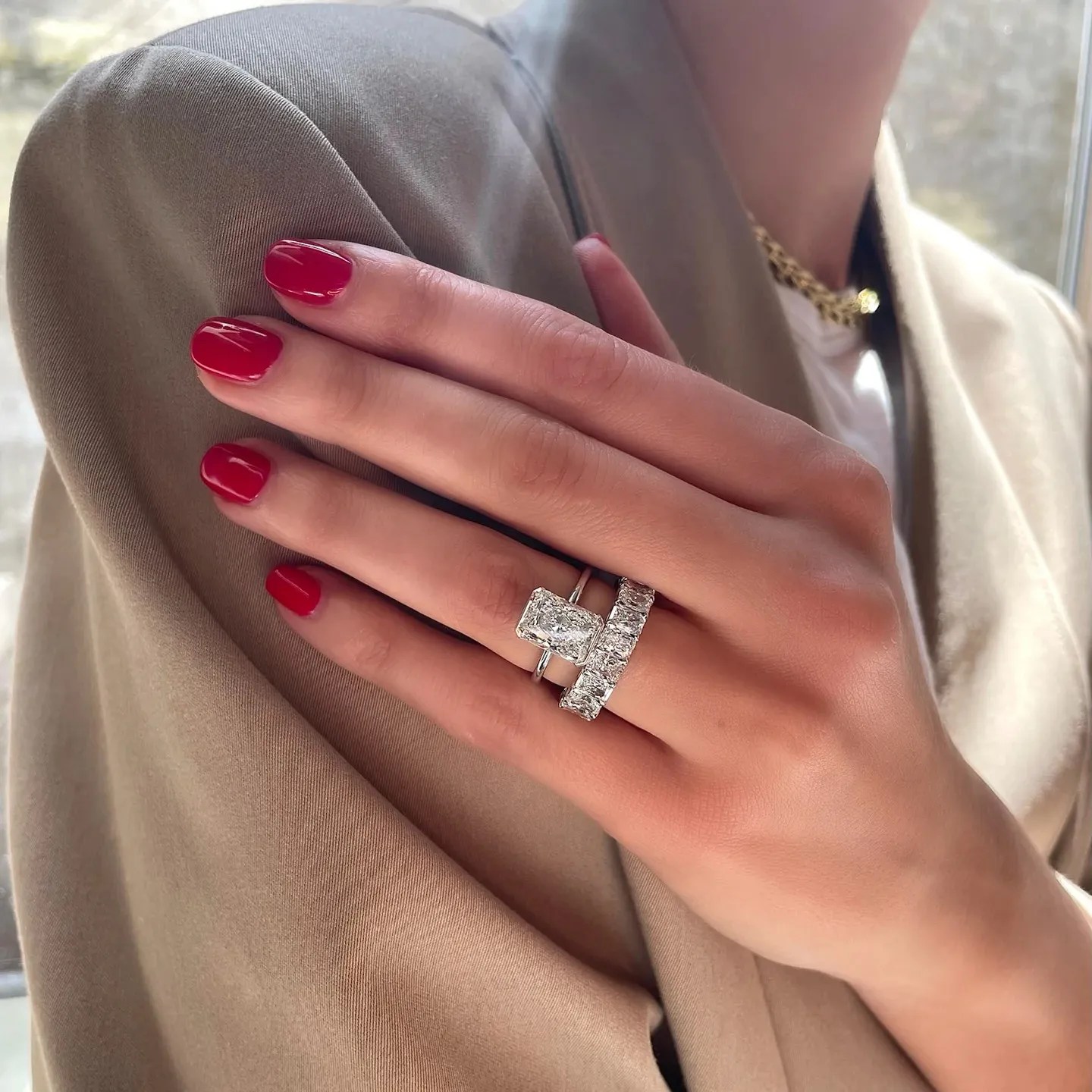
Half Bezel Setting
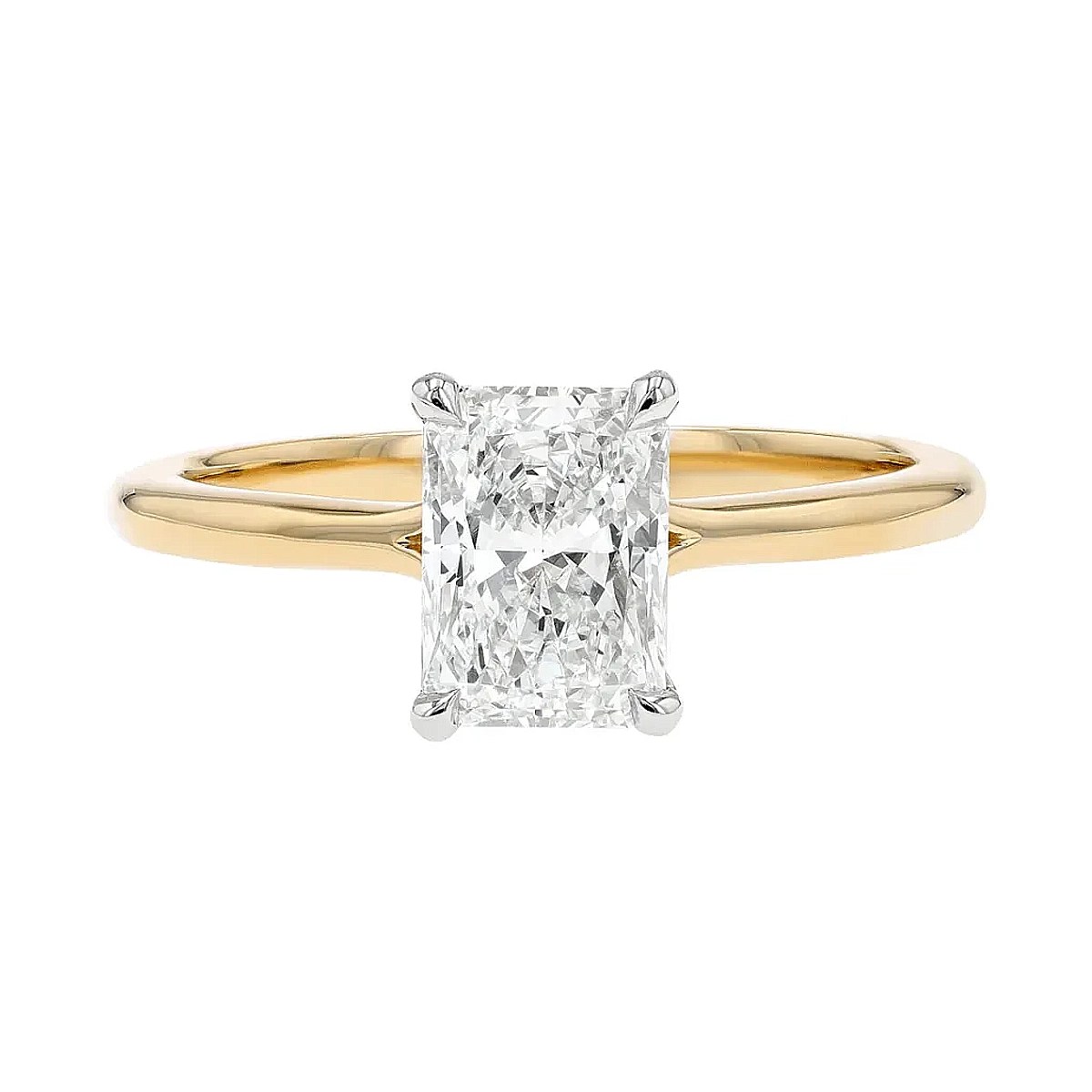
Prong Setting
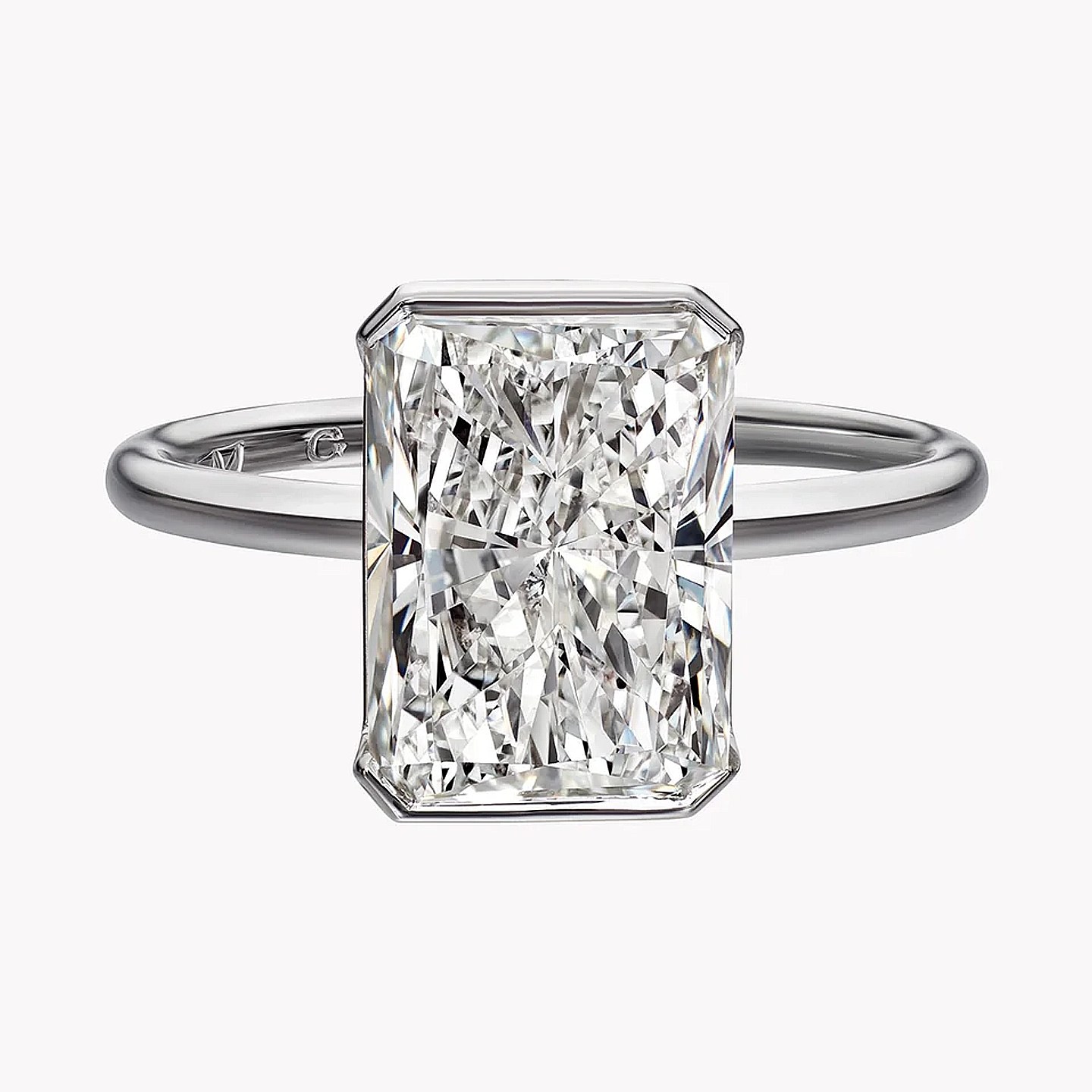
Half Bezel Setting
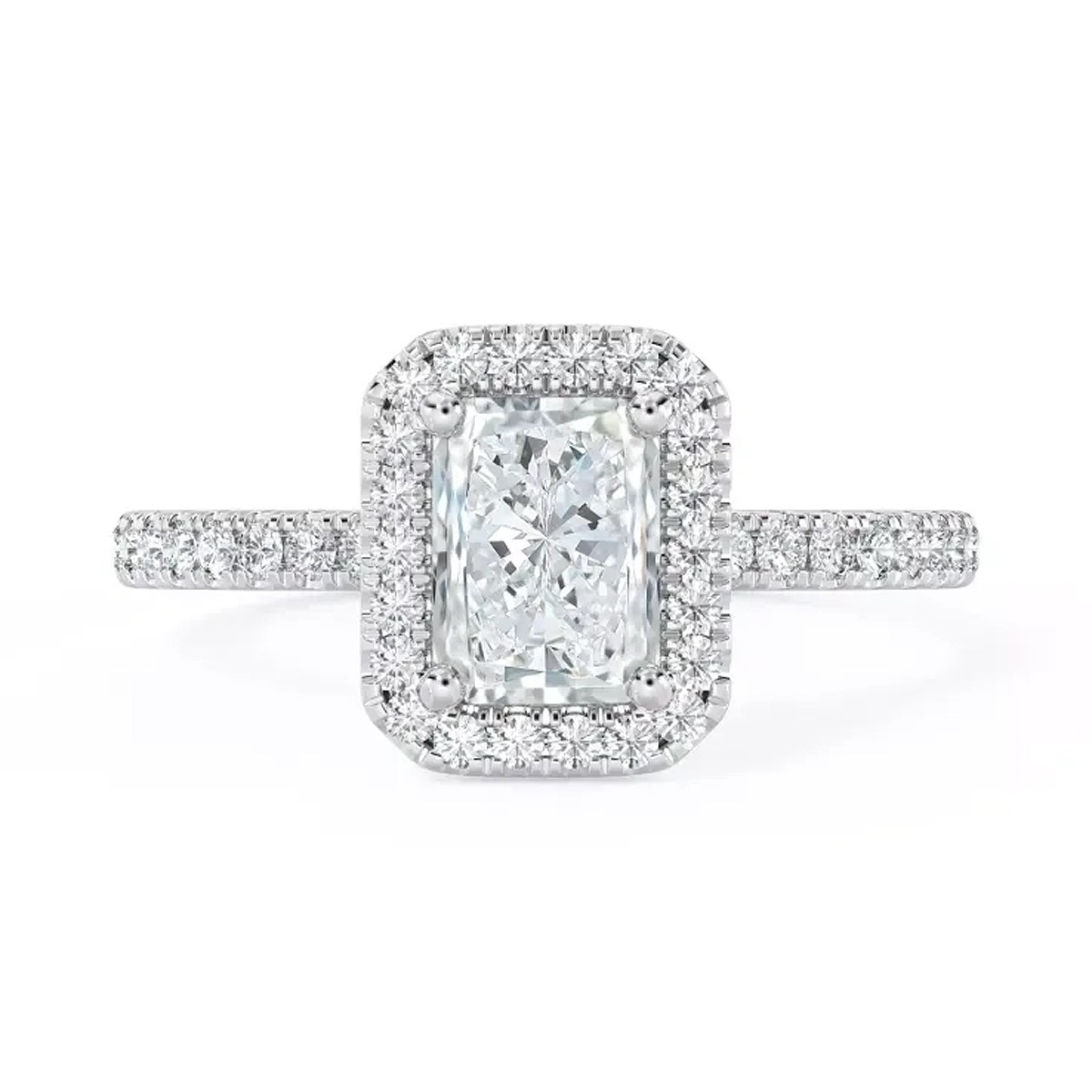
Halo Setting
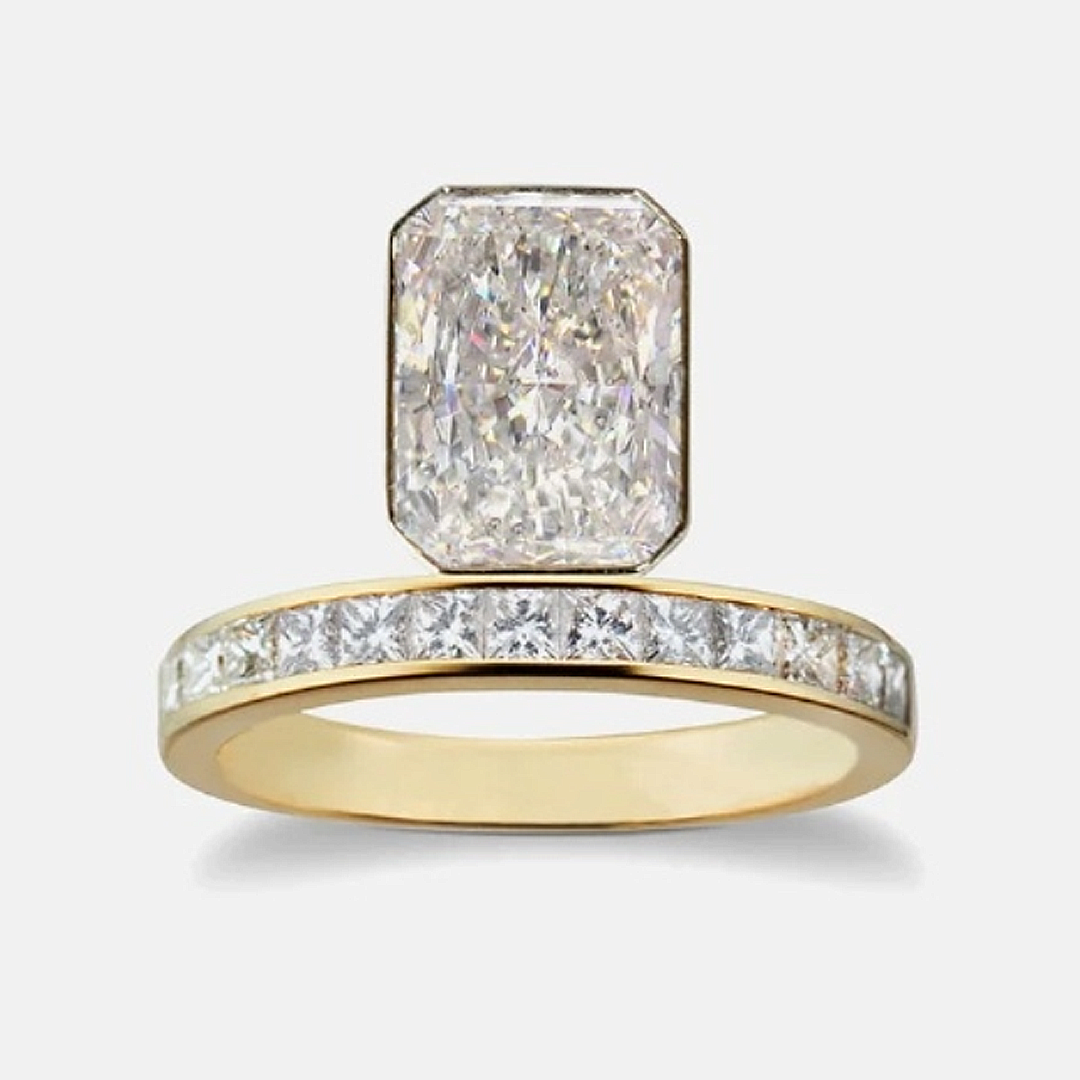
Pave Setting
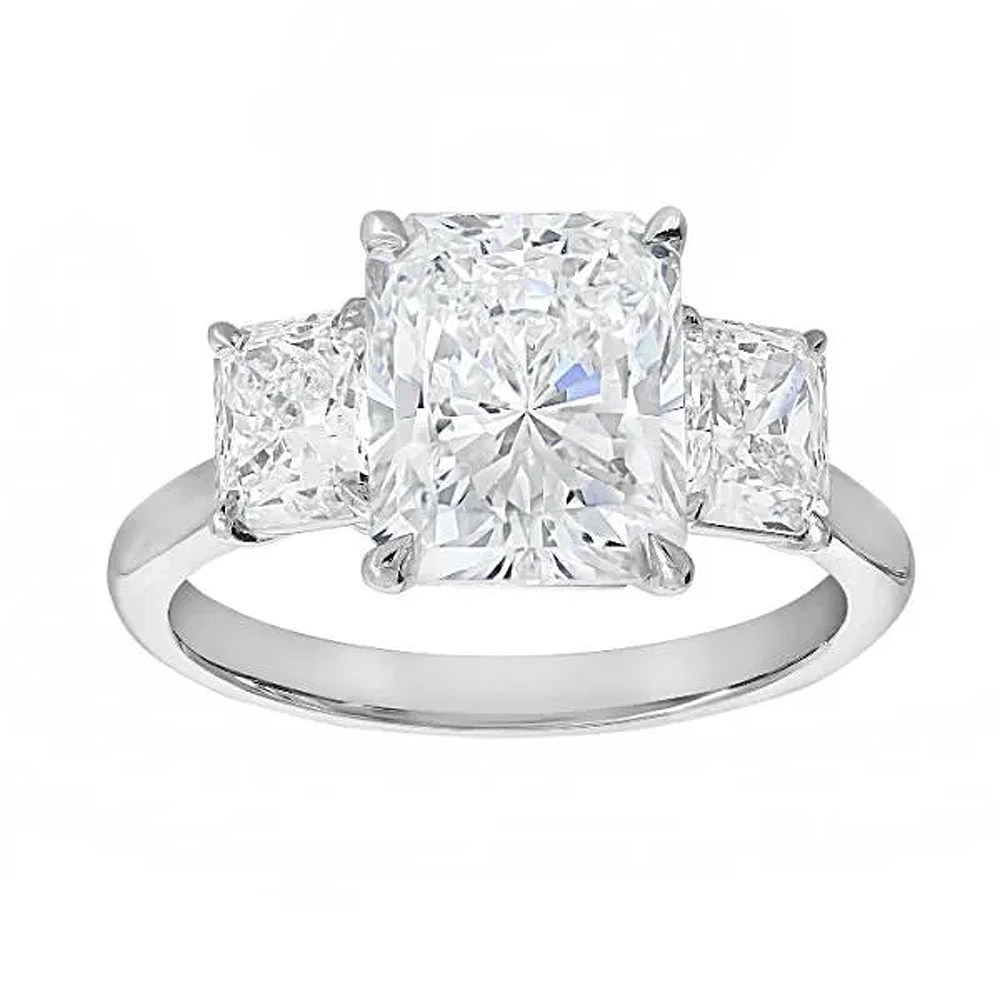
Three-Stone Setting
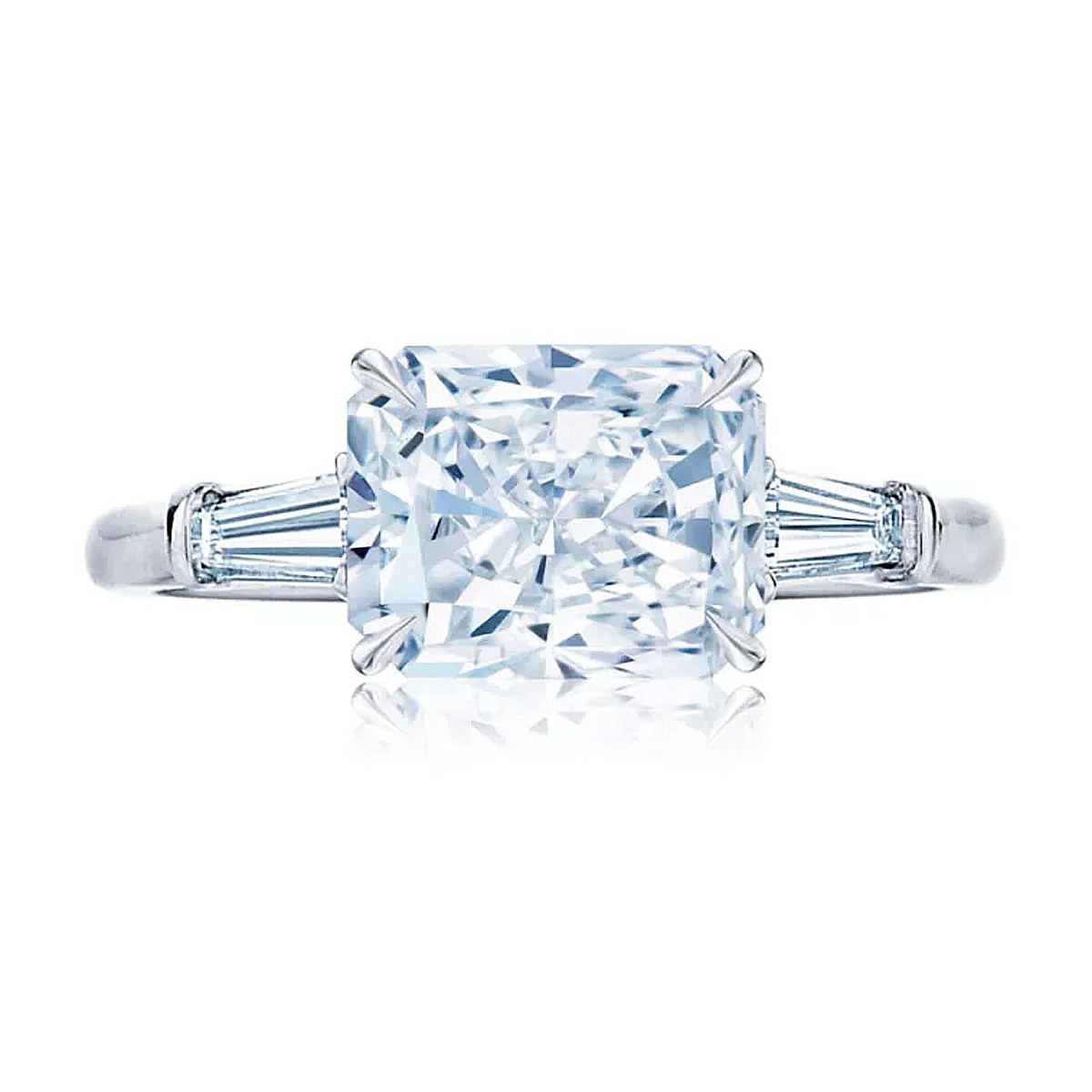
Three-Stone Setting
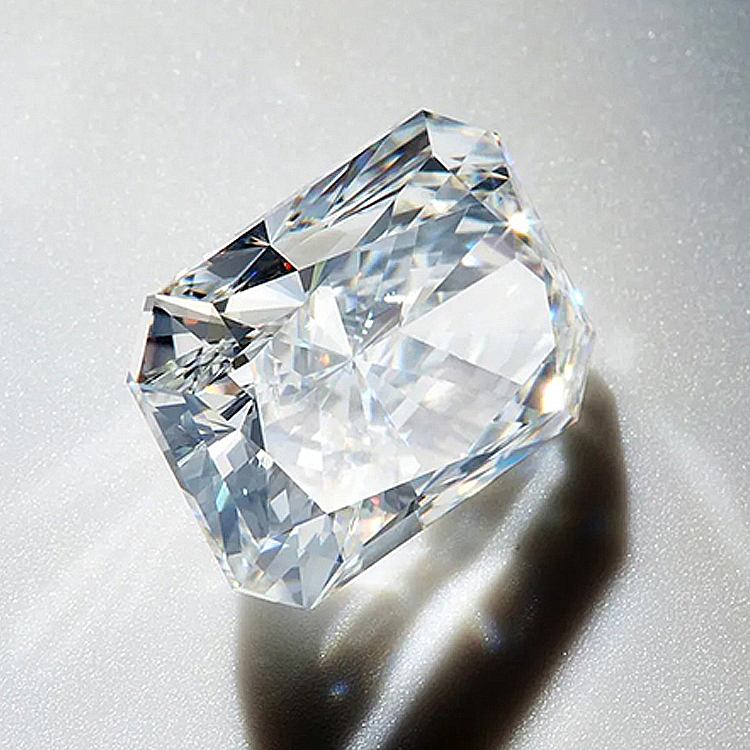
Radiant Cut Diamond
The radiant cut is a square or rectangular shape with cropped corners, combining the brilliance of the round cut with the elegance of the emerald cut. The radiant cut has 70 facets, creating an intense sparkle. It’s known for its versatility and works well in a variety of ring settings, providing a vibrant, fiery appearance.
Its versatility makes it flattering on many hand shapes, especially for those who want both brilliance and structure.
Learn more

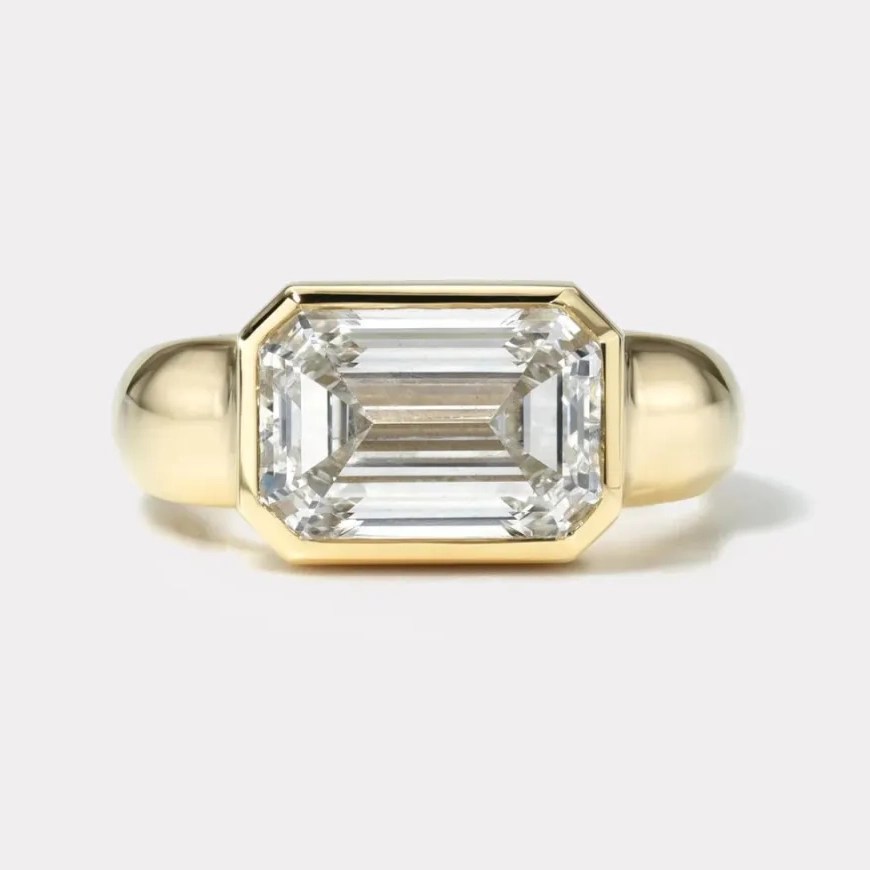
East-West Setting
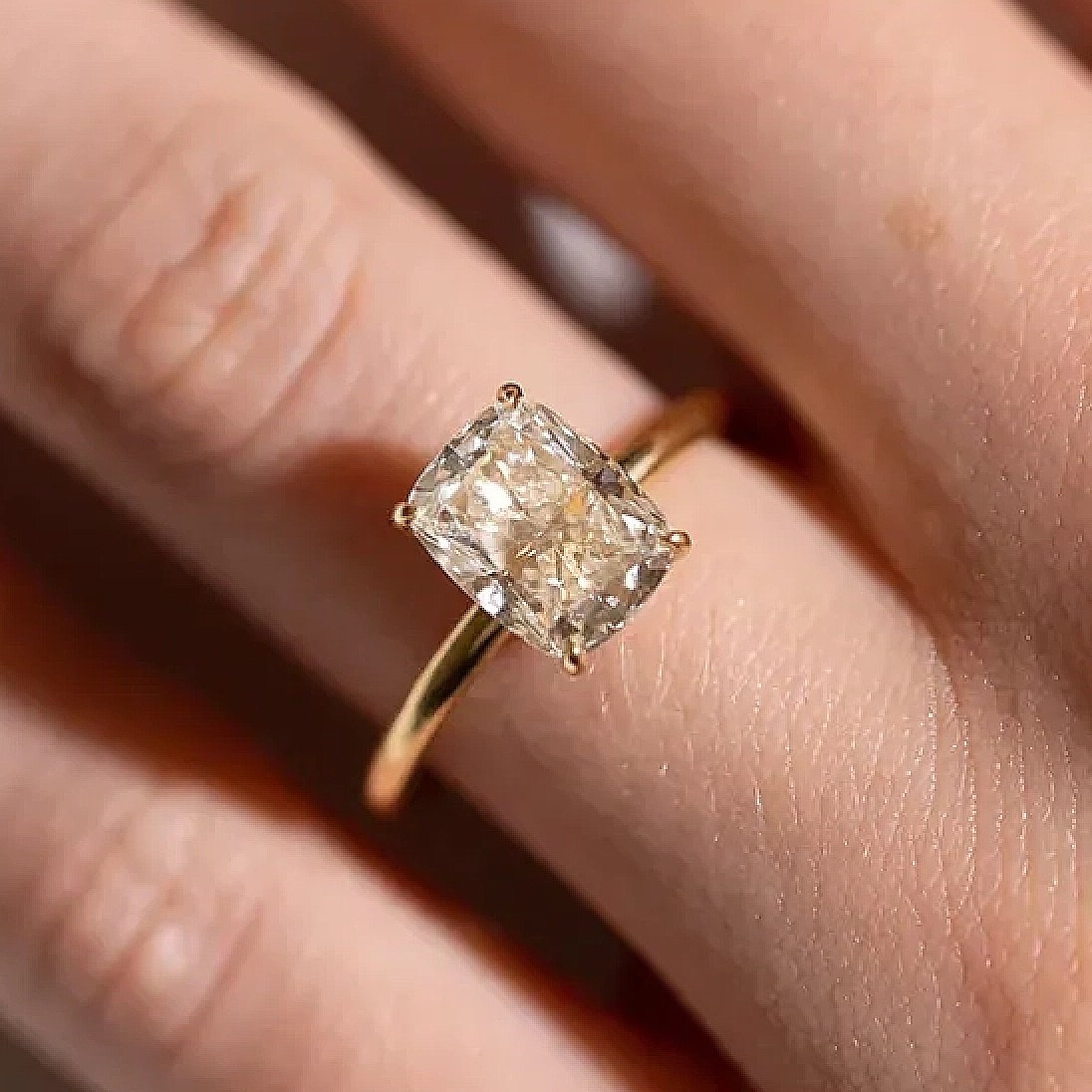
Prong Setting
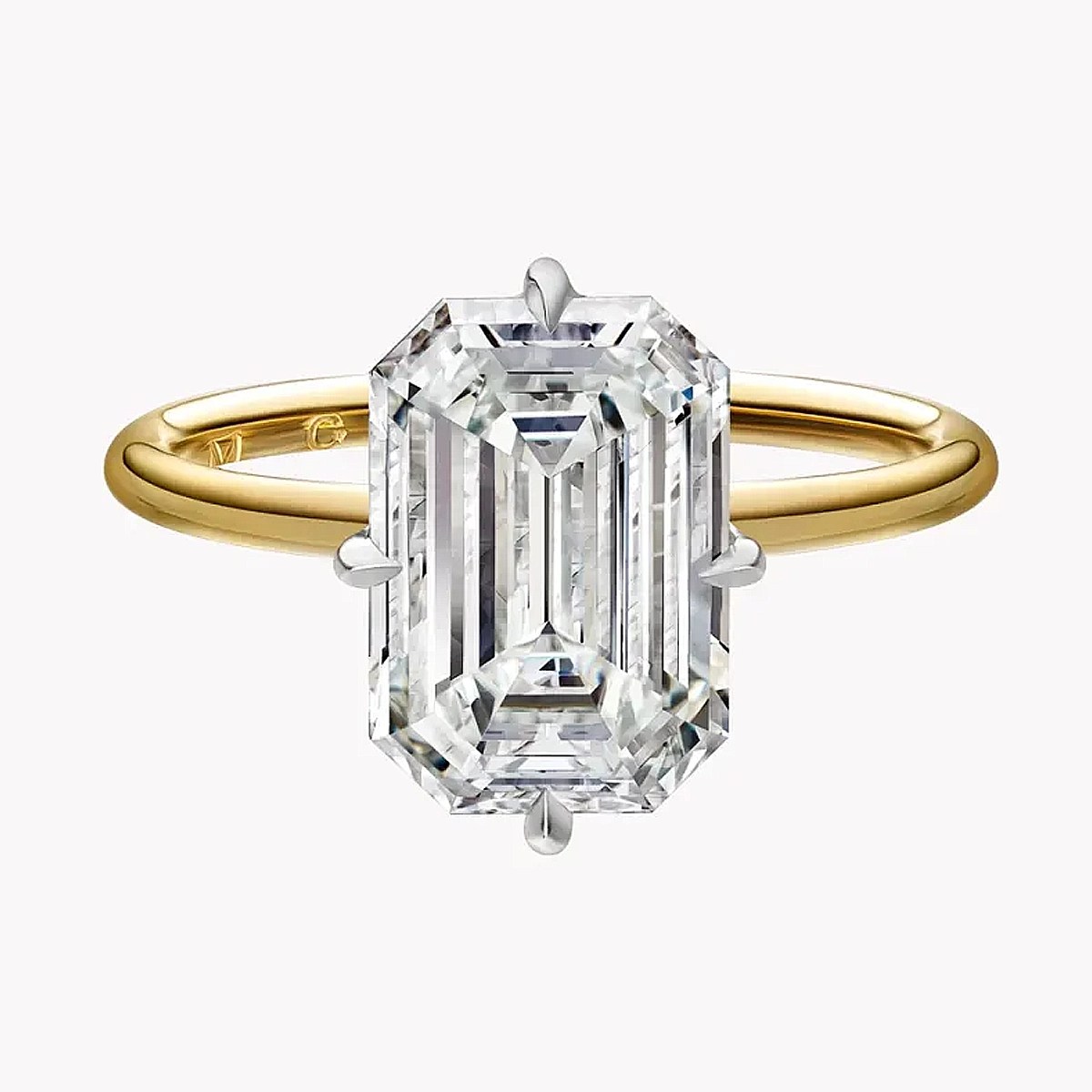
Prong Setting

Bezel Setting
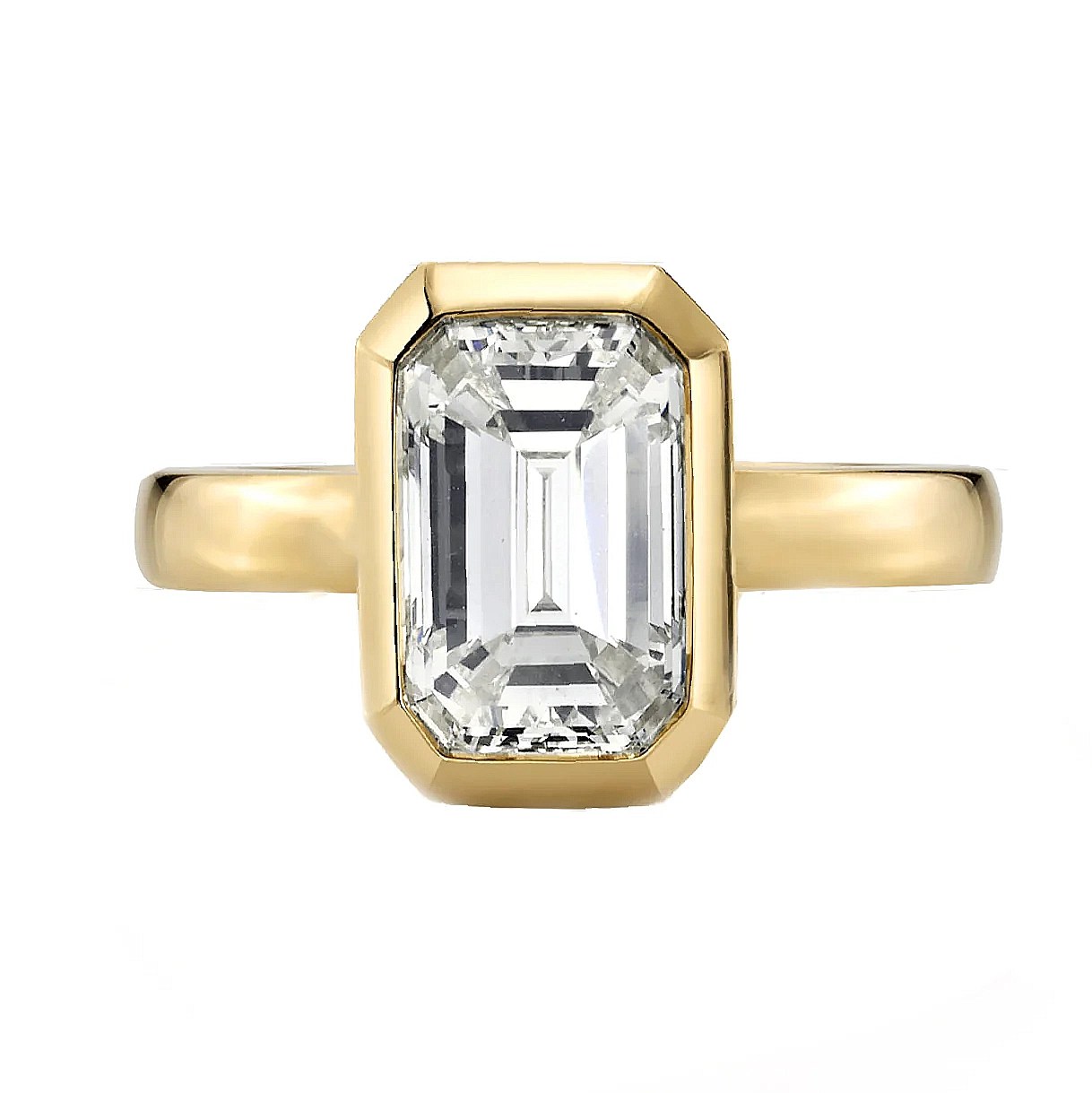
Bezel Setting
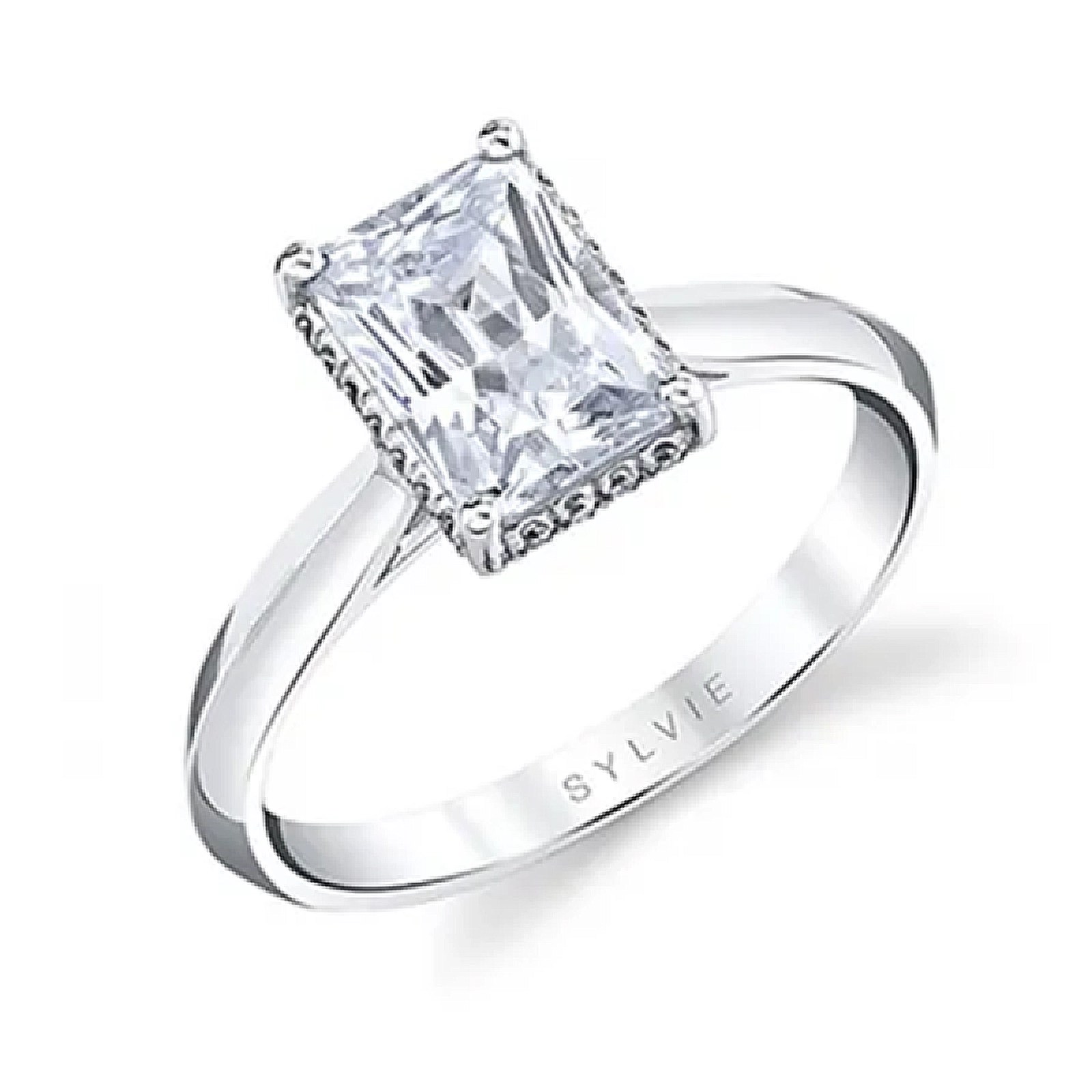
Hidden Halo Setting
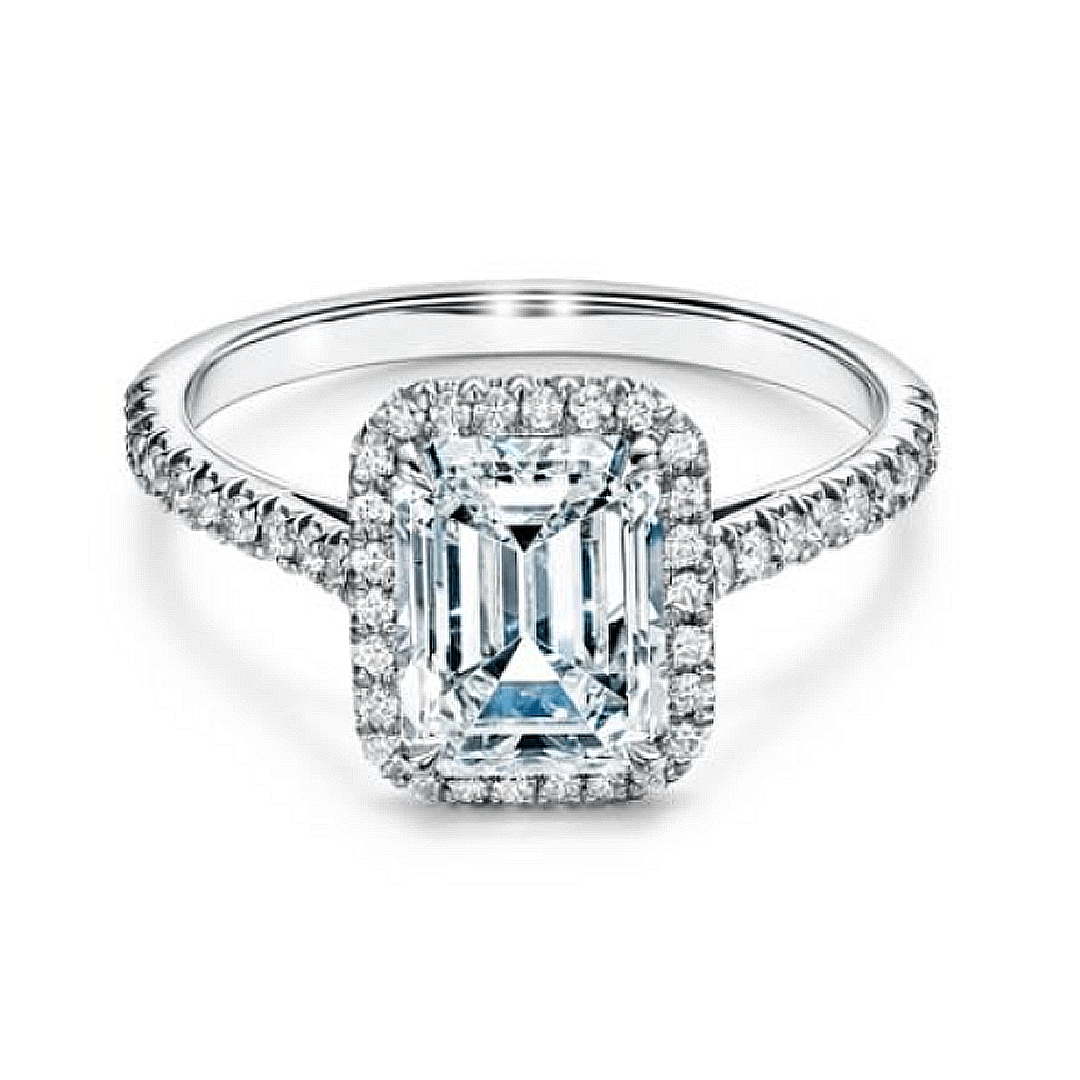
Hidden Halo Setting
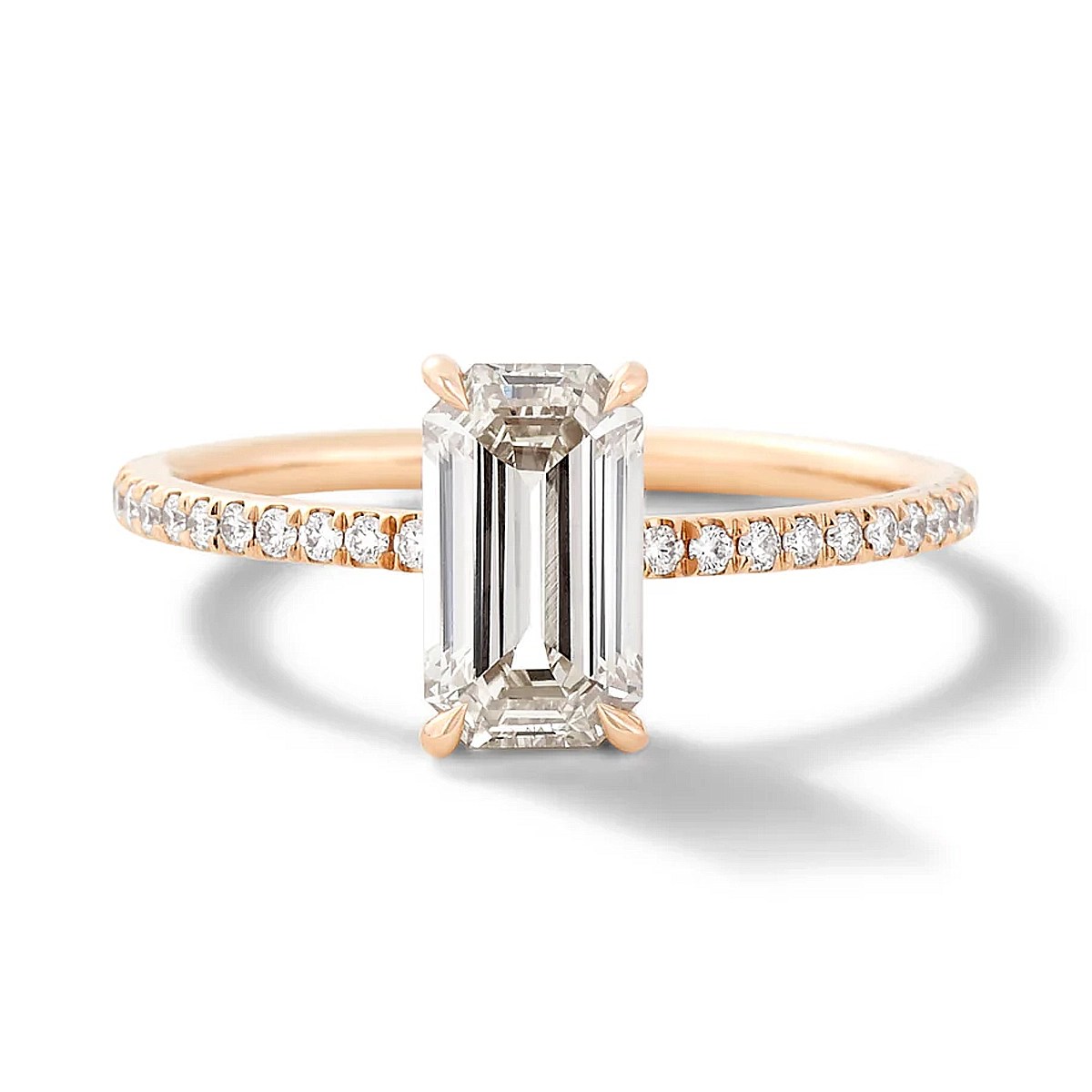
Pavé Setting
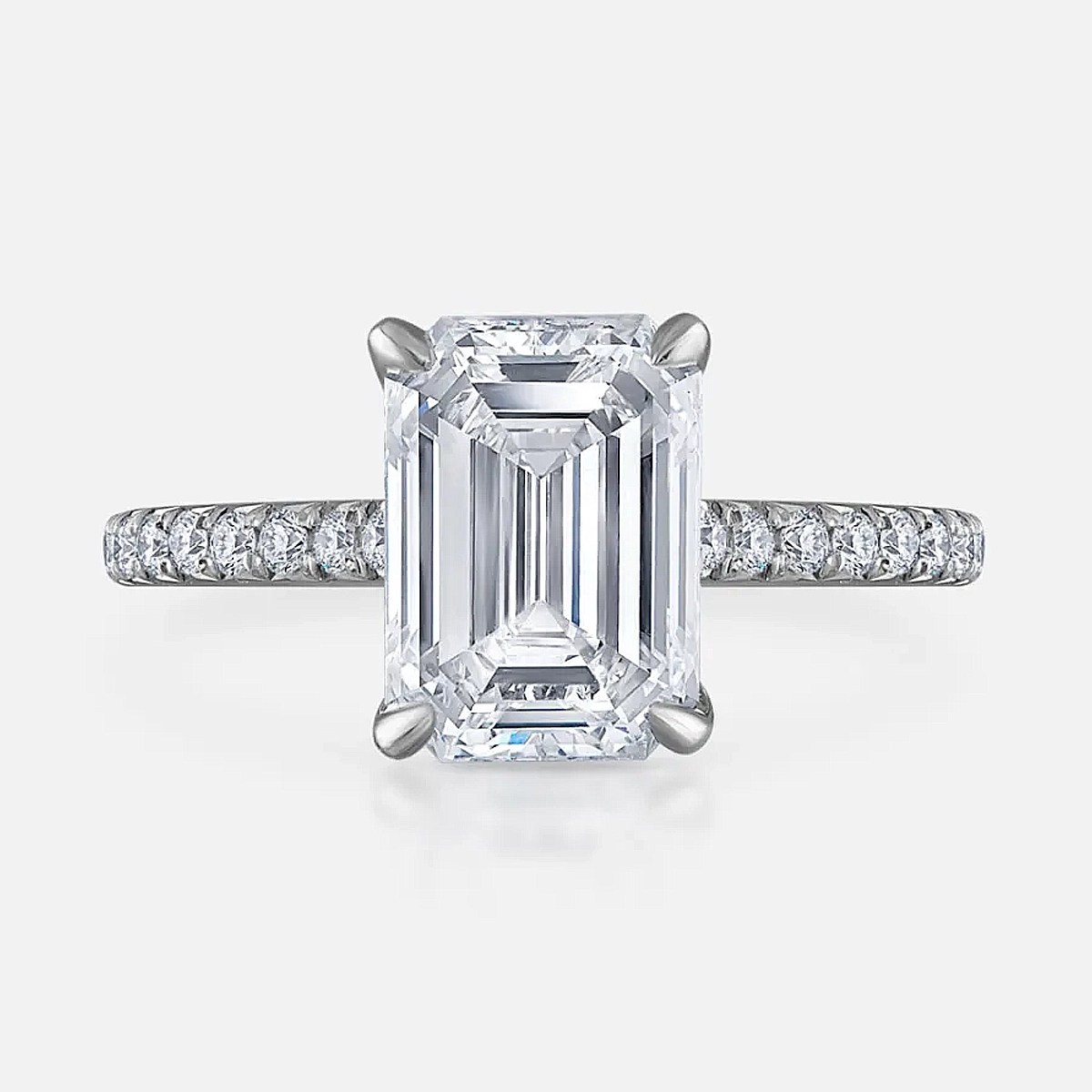
Pavé Setting

Pavé Setting
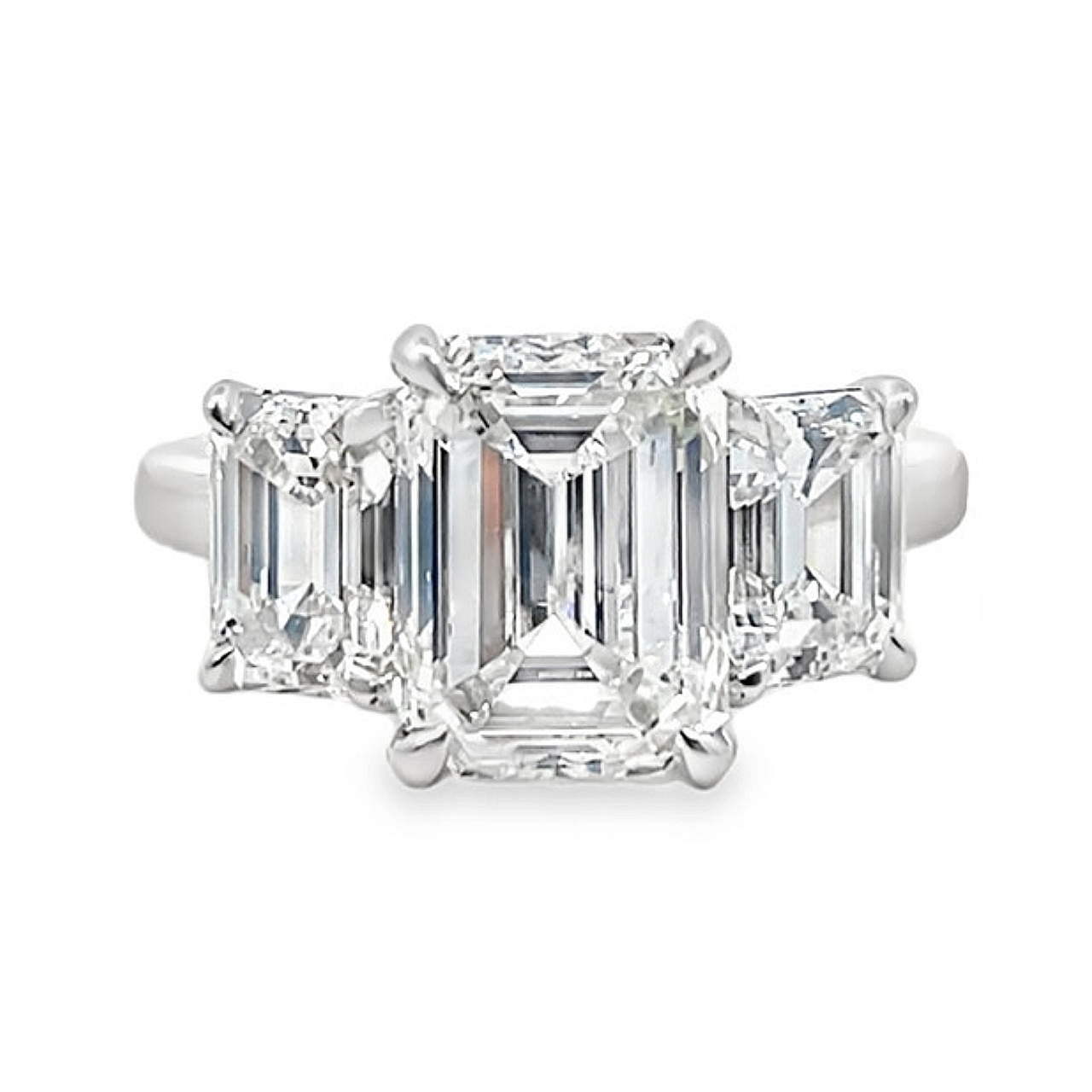
Three-Stone Setting
Emerald Cut Diamond
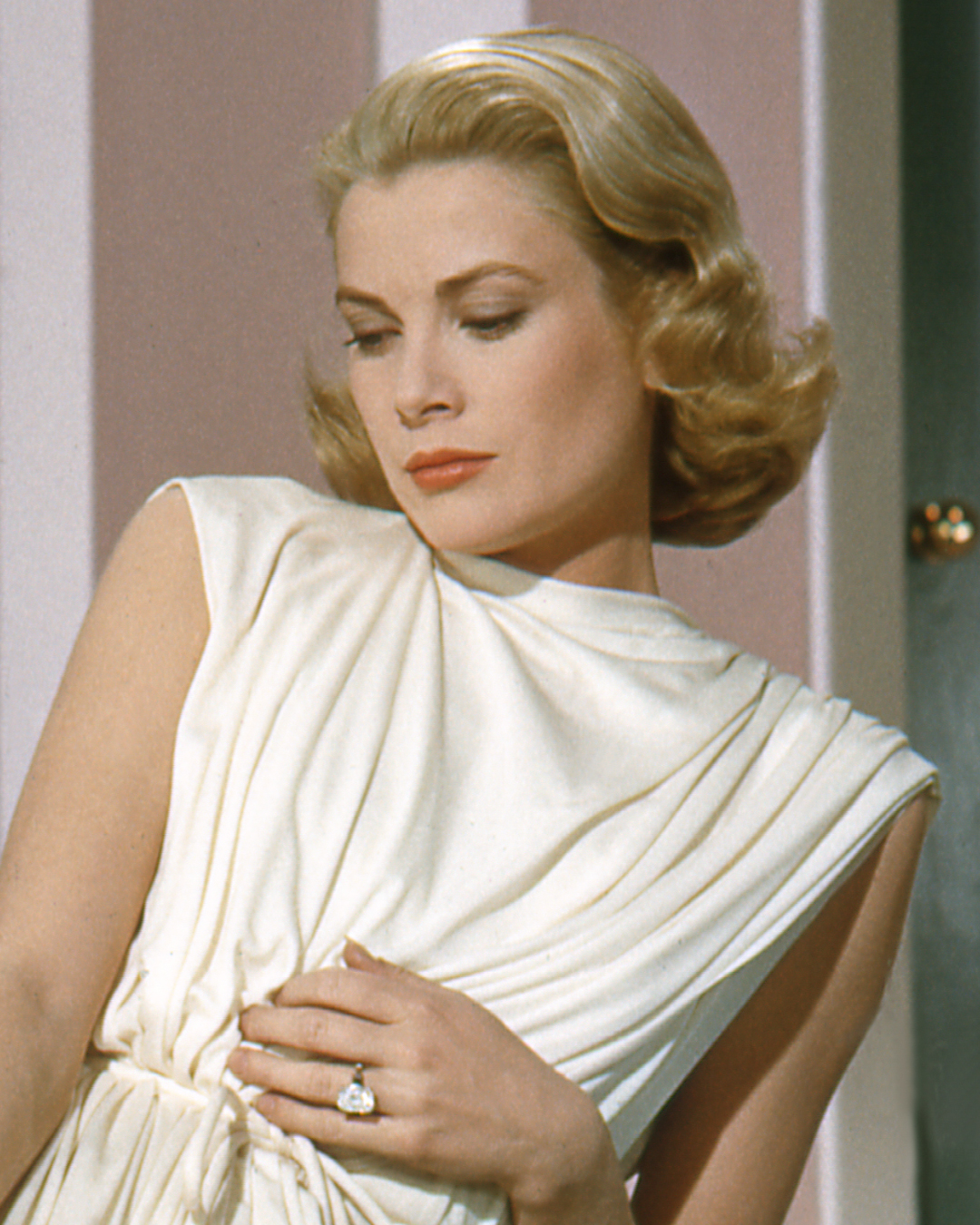
The emerald cut is a rectangular shape with trimmed corners and step-cut facets. (Other popular diamond shapes in the step cut family include Asschers and baguettes.) Unlike other diamond shapes, which focus on brilliance and sparkle, the emerald cut highlights the diamond’s clarity and color. This cut features long, straight facets that create a unique “hall of mirrors” effect. The emerald cut diamond’s refined, understated look appeals to those seeking an elegant, timeless style.
Its elongated lines naturally complement longer fingers and create a sleek, sophisticated silhouette.
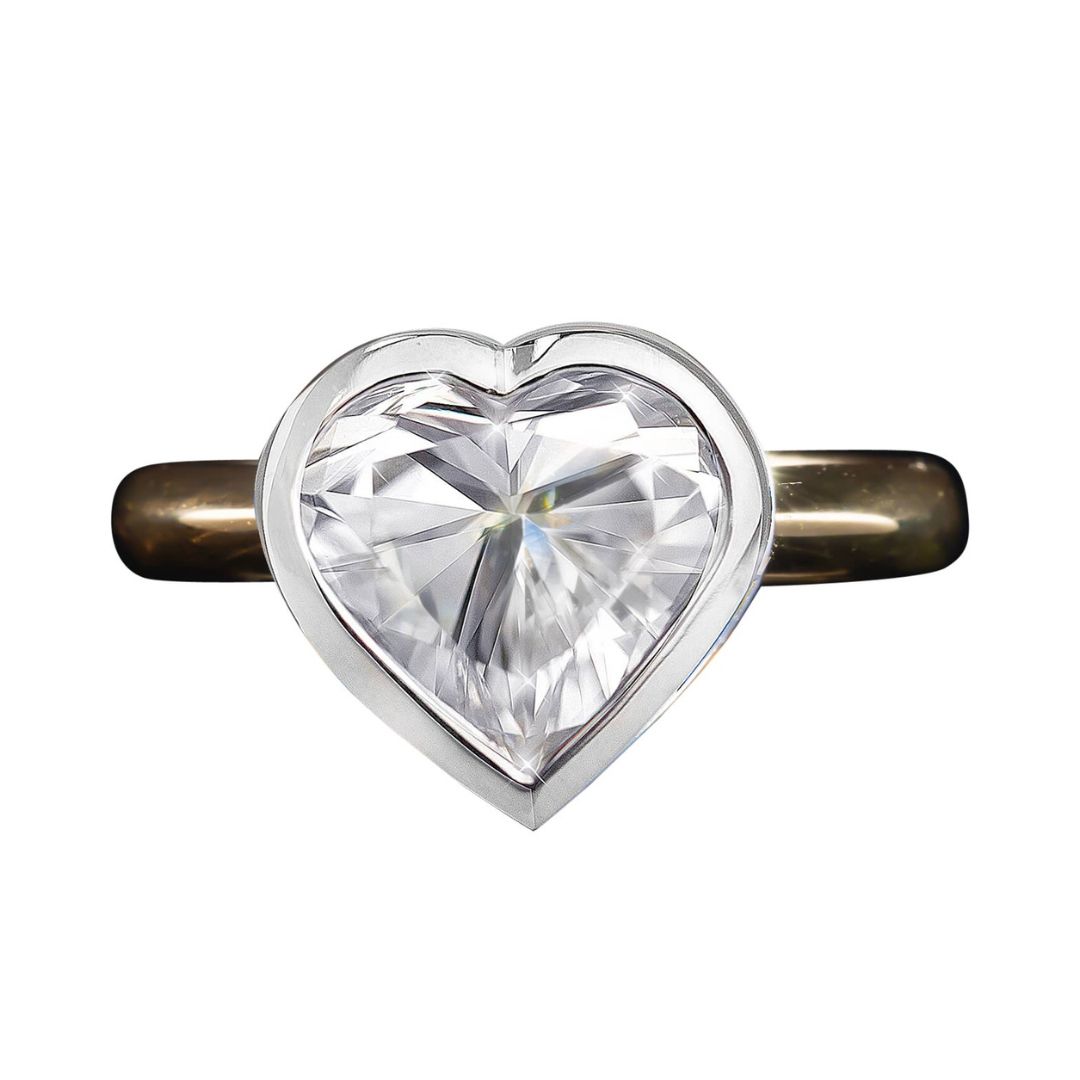
Bezel Setting
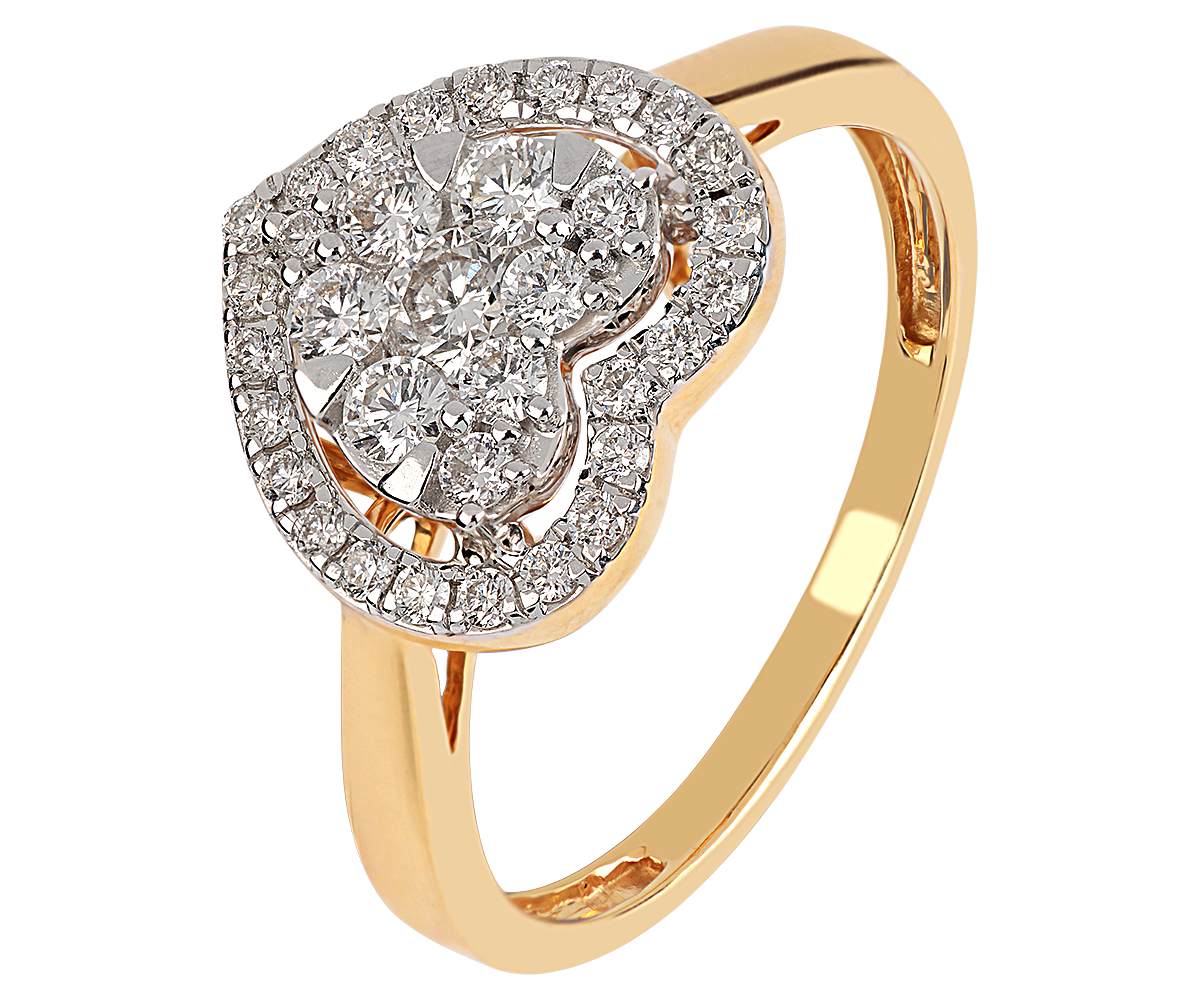
Halo Setting

Pavé Setting
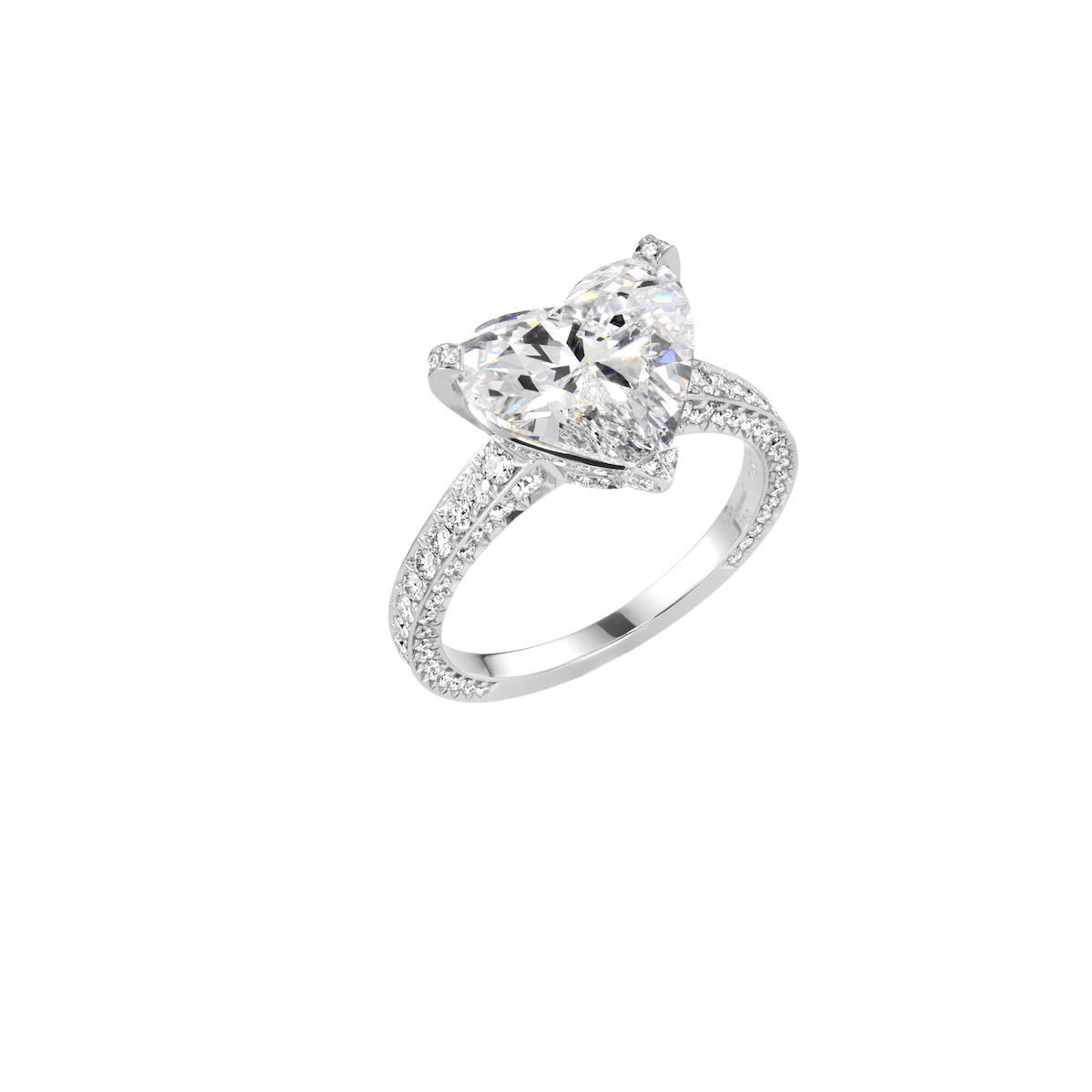
Pavé Setting
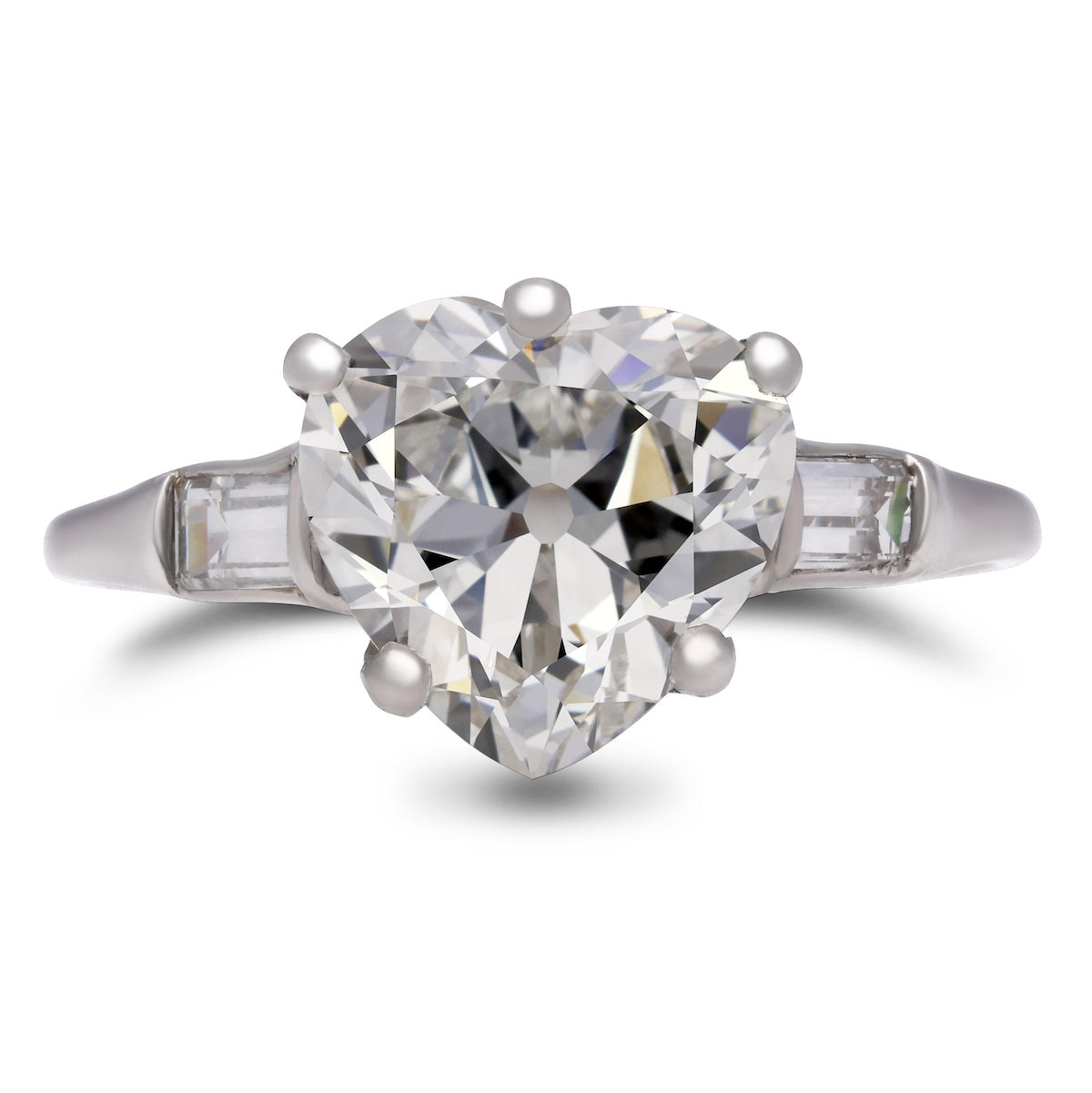
Three Stone Setting
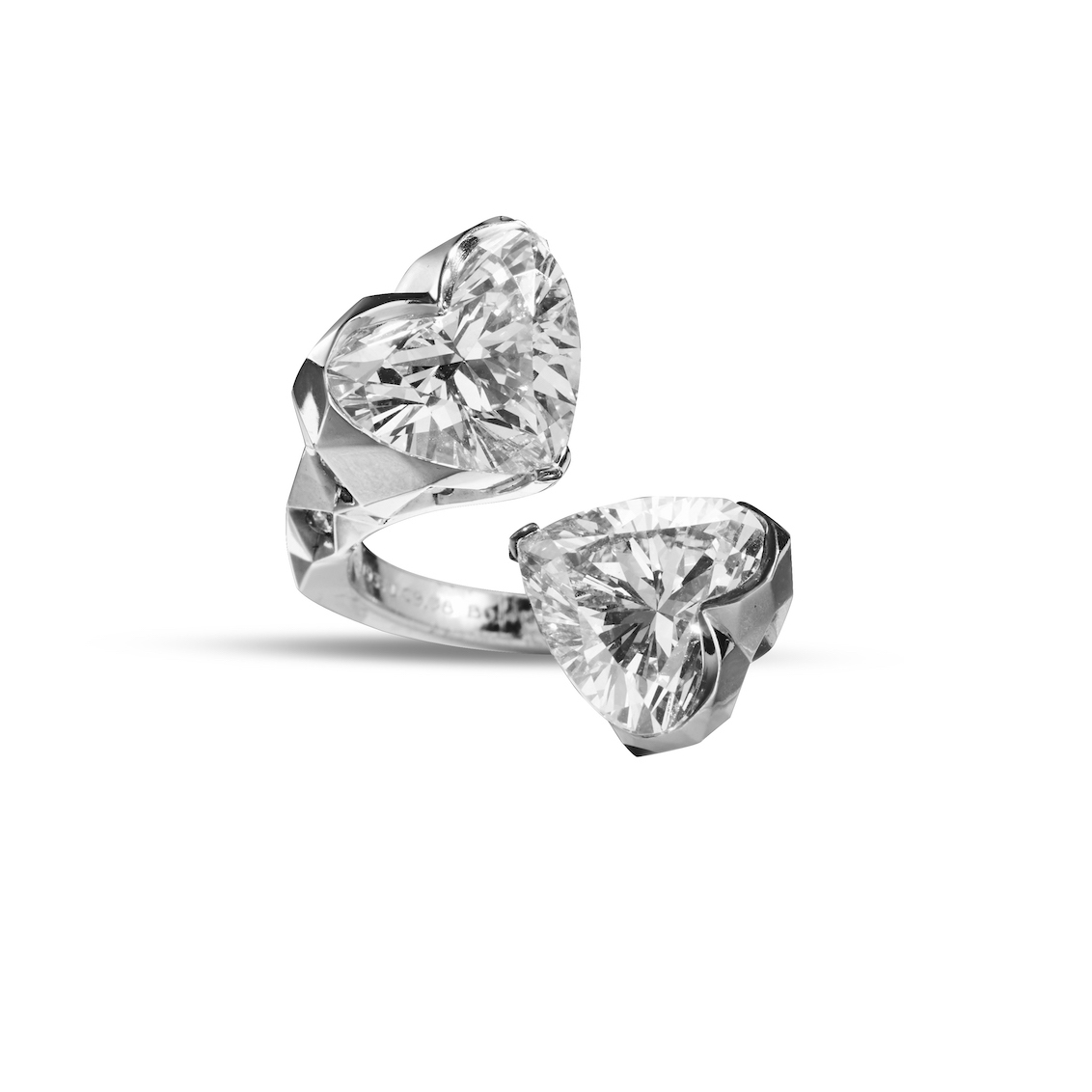
Toi et Moi Setting
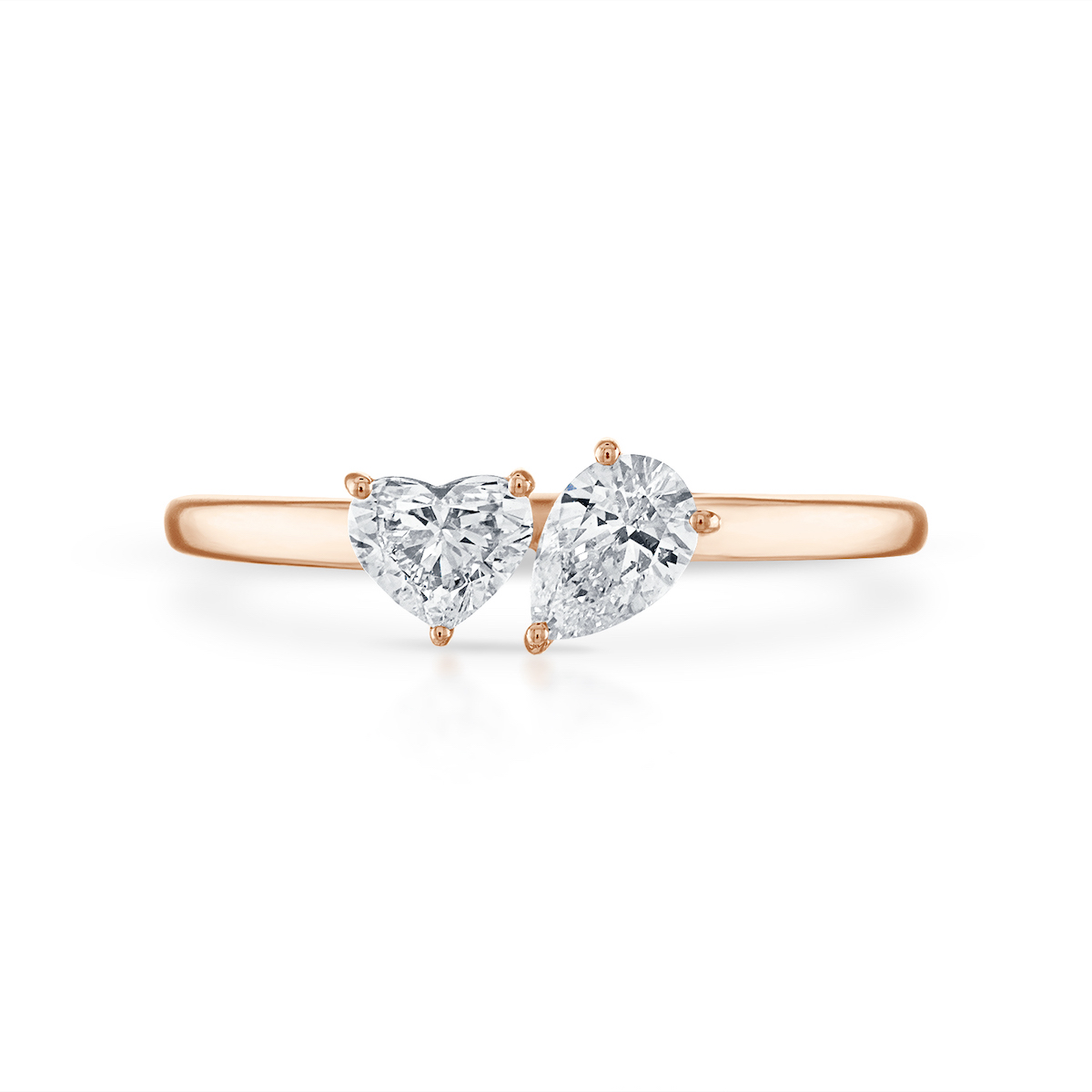
Toi et Moi Setting
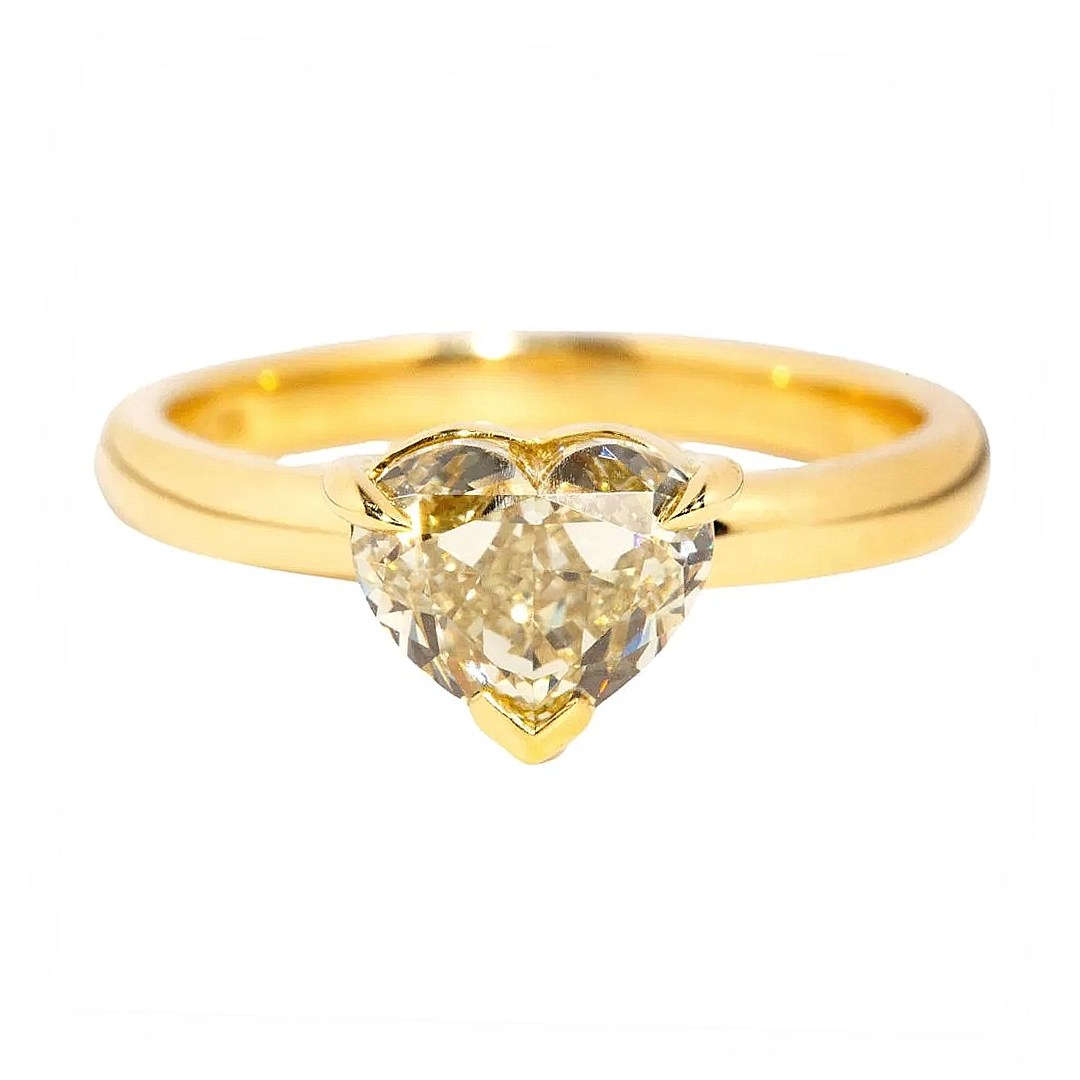
Prong Setting
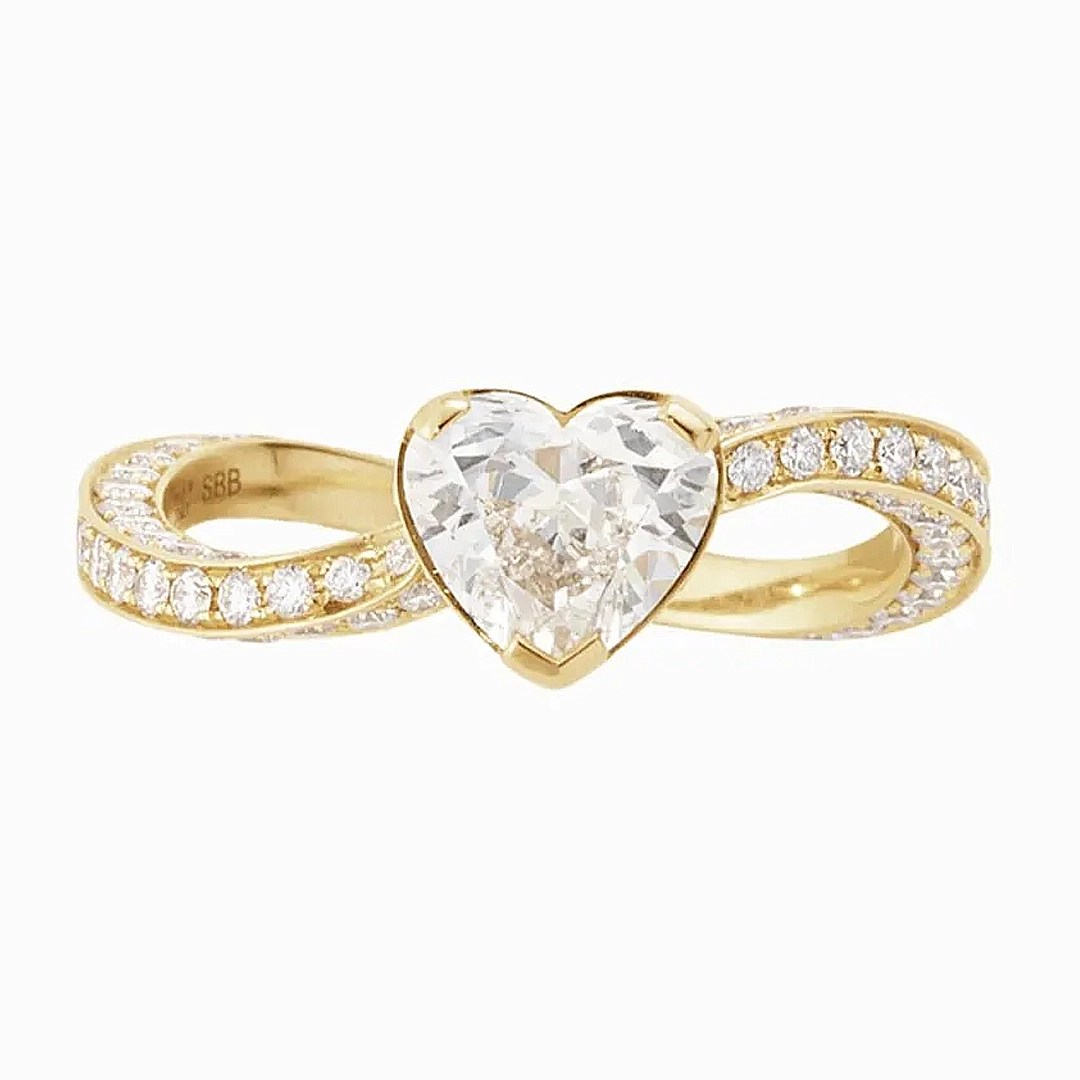
Pavé Setting
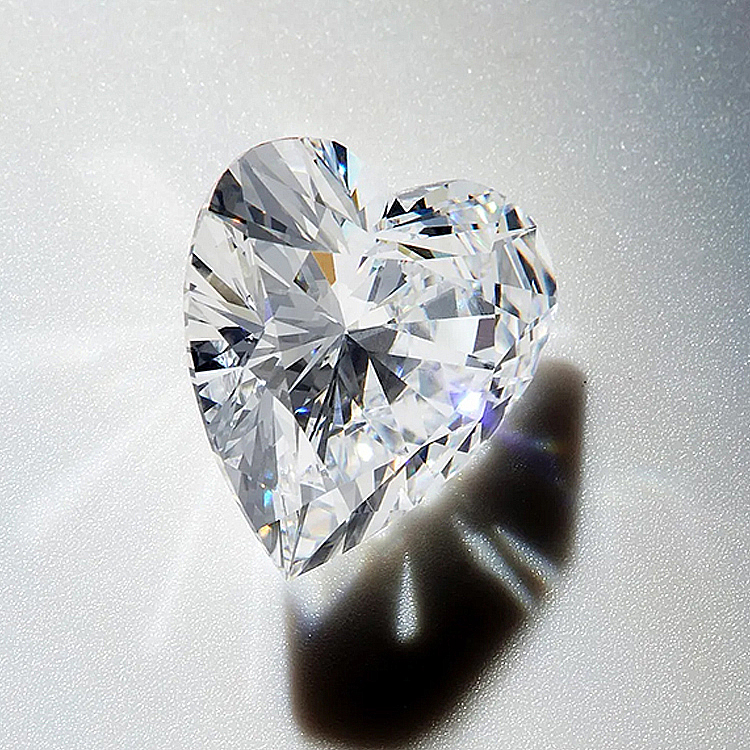
Heart-Shaped Diamond
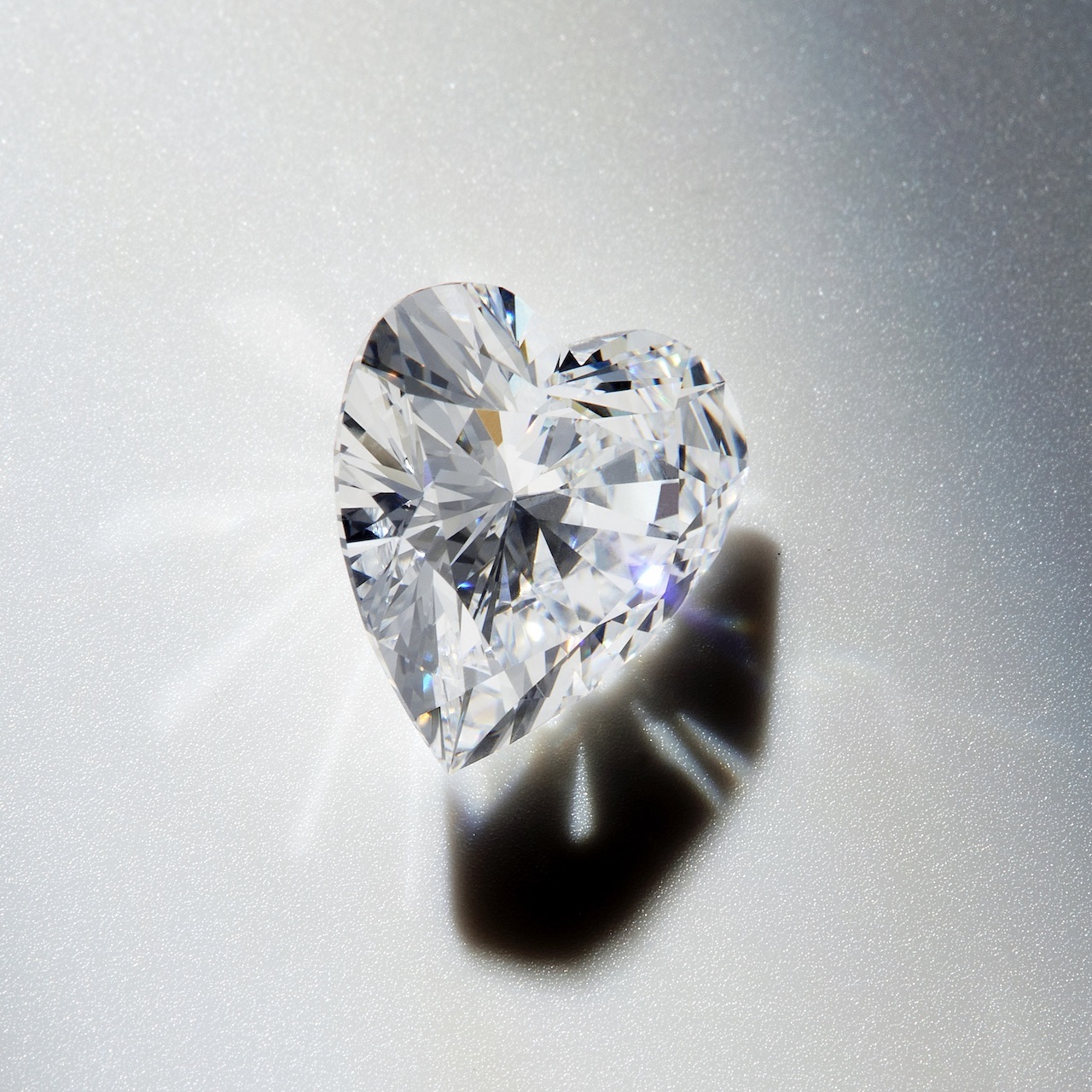
A heart-shaped diamond is a modified brilliant cut that combines the shape of a traditional round diamond with a distinctive heart shape, making it a popular choice for romantic occasions such as engagements or anniversaries. It features a rounded top with a cleft (indentation) at the point, resembling a heart.
Because of its bold, symbolic shape, it tends to stand out best on smaller hands where the silhouette remains clearly defined.
Diamond Shape vs Diamond Cut:
What’s the Difference?
When shopping for an engagement ring, two terms often come up: diamond shape and diamond cut. While they may seem interchangeable, they refer to distinct aspects of a diamond. Diamond shape describes the diamond’s overall form—whether it’s round, oval, pear, or another silhouette. Diamond cut, on the other hand, refers to how well the diamond has been faceted to reflect light, which impacts its brilliance and fire. For instance, two diamonds with the same shape—like a round diamond—can have different levels of sparkle based on their cut quality. Understanding both factors ensures you select a diamond that not only has the aesthetic you desire but also maximizes its brilliance.
What is a Fancy-Shaped Diamond?
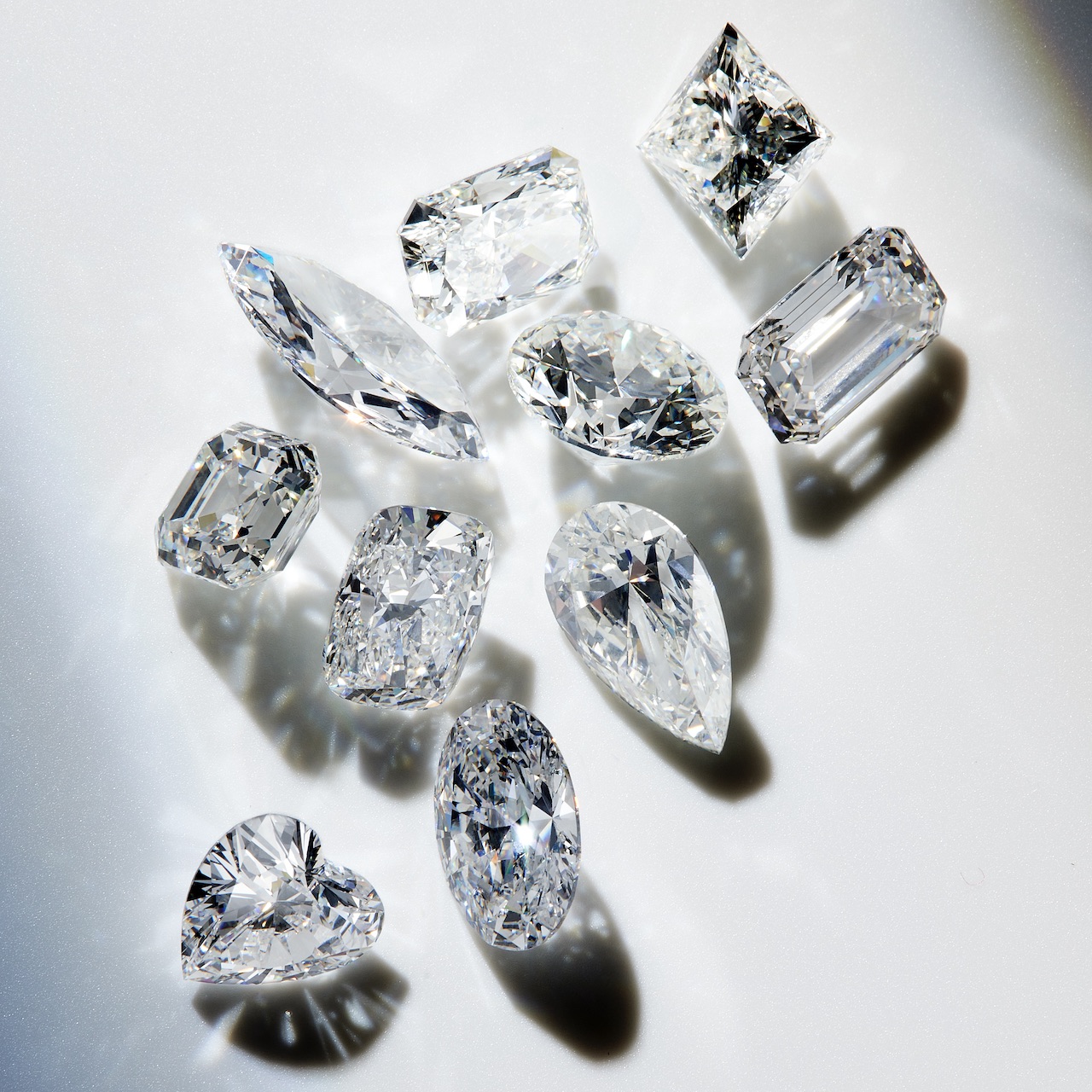
According to the Gemological Institute of America (GIA), a fancy-shaped diamond refers to any diamond shape other than round. This includes popular shapes like oval, pear, marquise, cushion, emerald, Asscher, radiant, princess, and heart-shaped diamonds. Unlike round brilliant diamonds, which are cut for maximum sparkle, fancy shapes offer a variety of styles, proportions, and facet arrangements, allowing for unique expressions of personal style.

About Natural Diamond Council
Natural Diamond Council (NDC) is the global authority on natural diamonds. As a not-for-profit organization, NDC is committed to advancing the integrity of the natural diamond industry and celebrating the unmatched beauty and value of natural diamond jewelry. NDC serves as the industry’s definitive voice, offering expert insight, trusted education, and unparalleled access to the world of real, rare, and responsibly sourced natural diamonds.