How Miniature Diamond Lockets Became Time Capsules of Love
From talismans and royal gifts to mourning jewels and modern heirlooms, a journey through how miniature lockets set with natural diamonds have carried love, memory, and belief across centuries.
Long before the word locket entered the lexicon, people were already wearing small containers close to the body. The term itself emerged only in the 17th century, drawing from European words associated with locking and safekeeping, but the impulse to carry personal beliefs in the form of jewellery — religious, sentimental, superstitious, or even political — has existed for centuries. These objects were rarely ornamental at first, though historical evidence shows they were sometimes decorated with gold and real diamonds. Such miniature mementos functioned as private expressions of devotion, remembrance, and loss.
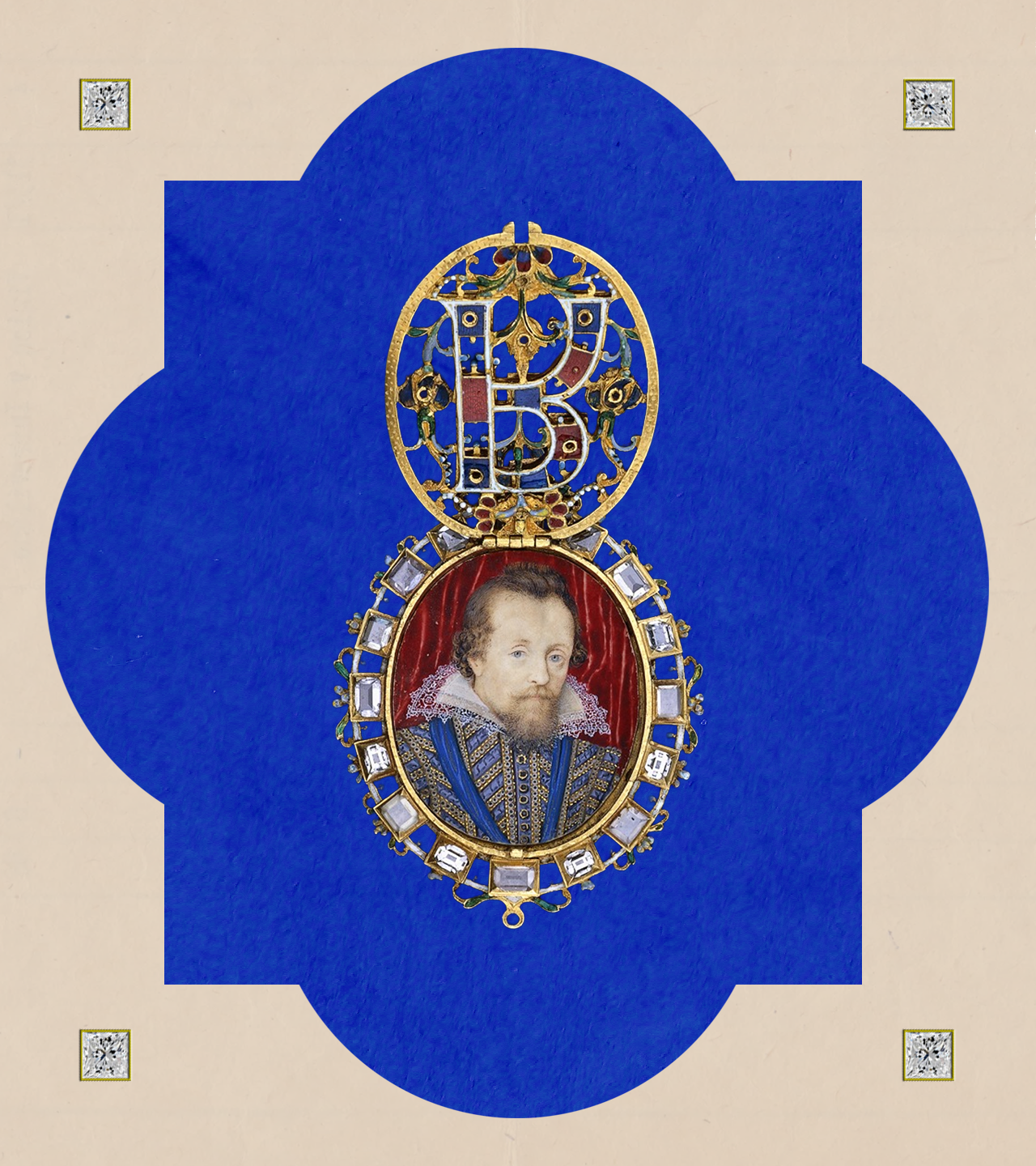
One of the most remarkable examples of a locket’s layered meaning is the Lyte Jewel, crafted in London between 1610 and 1611 from enamelled gold and set with real diamonds. Containing a miniature portrait of James VI and I by the famed English miniaturist Nicholas Hilliard, the jewel was presented to Thomas Lyte, who had traced the king’s ancestry back to Brute, the mythical founder of Britain. It served multiple purposes: a symbol of royal favour, a portable expression of loyalty, and a tangible connection to lineage and power. An anonymous portrait dated 14 April 1611 shows Lyte wearing the jewel at the age of 43, underscoring its personal significance as both ornament and emblem. Beyond its political role, the Lyte Jewel exemplifies how early lockets fused artistry, precious materials, and natural diamonds with emotional resonance — objects designed to carry identity, memory, and meaning close to the body.
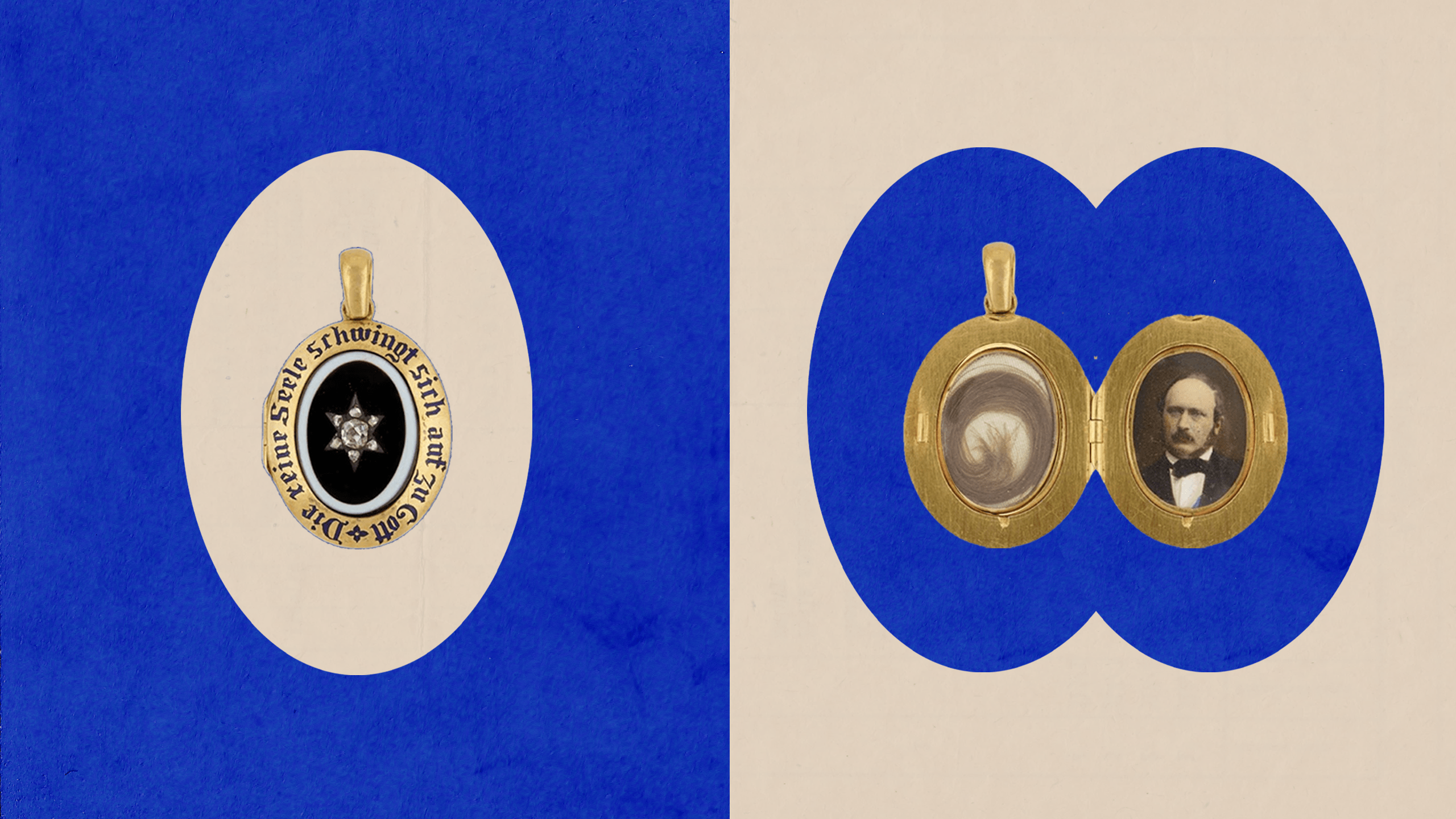
A couple of centuries later, the locket continued to evolve as a vessel of memory and sentiment. During her reign from 1837 to 1901, Queen Victoria played a central role in popularising diamond lockets, commissioning and collecting them as deeply personal tokens of affection and remembrance. Some were gifted to her by Prince Albert during his lifetime. On their fourth wedding anniversary in 1845, Albert presented Victoria with a gold locket containing a lock of his father’s hair — a gesture steeped in family, intimacy, and devotion. Throughout their marriage, he continued to gift her similar pieces, many framed with natural diamonds, each enclosing portraits or personal relics. After his death in 1861, Victoria commissioned numerous additional lockets and pendants as acts of mourning, often designed with natural diamonds and enclosing photographs, miniature portraits, or strands of Albert’s hair, worn close to her heart. Even beyond familial grief, the locket remained a vessel for private intimacy: in the late 1880s, she gifted one to Abdul Karim, her personal attendant, symbolising trust and personal companionship. Across these examples, natural diamonds, gold, and meticulous craftsmanship amplified the locket’s enduring role as a carrier of memory and human connection.
A notable Indian parallel to European portrait lockets is the 17th-century Mughal gem-set round locket pendant from the Al-Thani Collection. Crafted during the height of the Mughal Empire, the piece reflects the court’s refined approach to intimate jewellery — objects designed not merely for display, but for personal significance. Set using the kundan technique, with gemstones mounted into soft gold foil, the pendant demonstrates the exceptional skill of Mughal craftsmen and India’s access to prized stones, including diamonds from the Golconda region. An inscription discovered within the locket later confirmed its association with an imperial treasury, underscoring its elite provenance. Like its European counterparts, it would have been worn close to the body, suggesting its role as a talisman or keepsake, and reinforcing how Indian royalty similarly embraced real diamonds as vessels for memory and meaning.
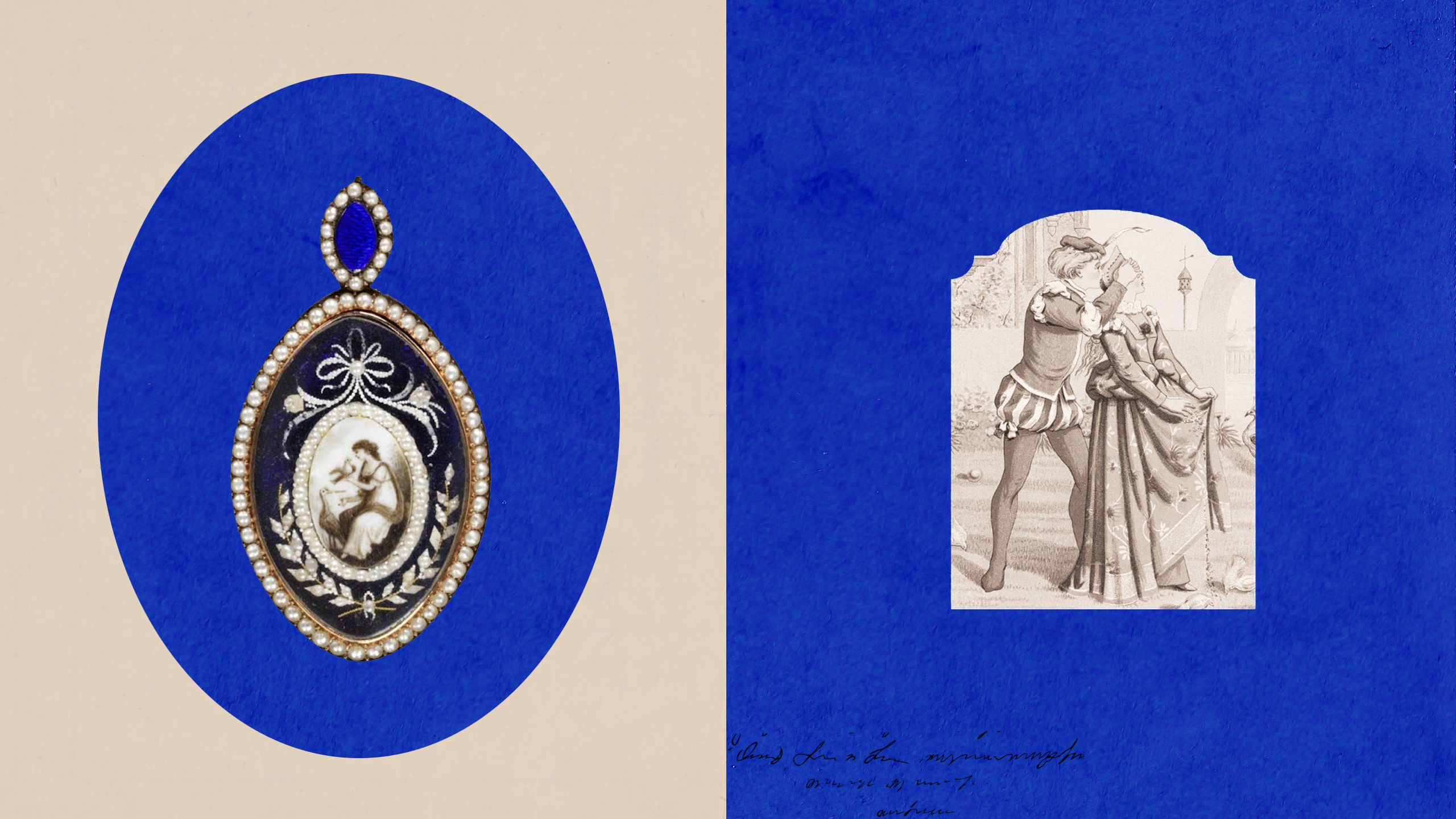
This tradition of embedding emotion, devotion, and legacy within precious stones did not end with the Mughal court. It continues, in transformed ways, into the present. Long before Margot Robbie stepped onto the red carpet, the heart-shaped gem she wore belonged to one of the most romantic narratives ever told in jewellery history. Known as the Taj Mahal diamond, this table-cut stone carries a provenance that spans empires and centuries, making it far more than merely a celebrity accessory.
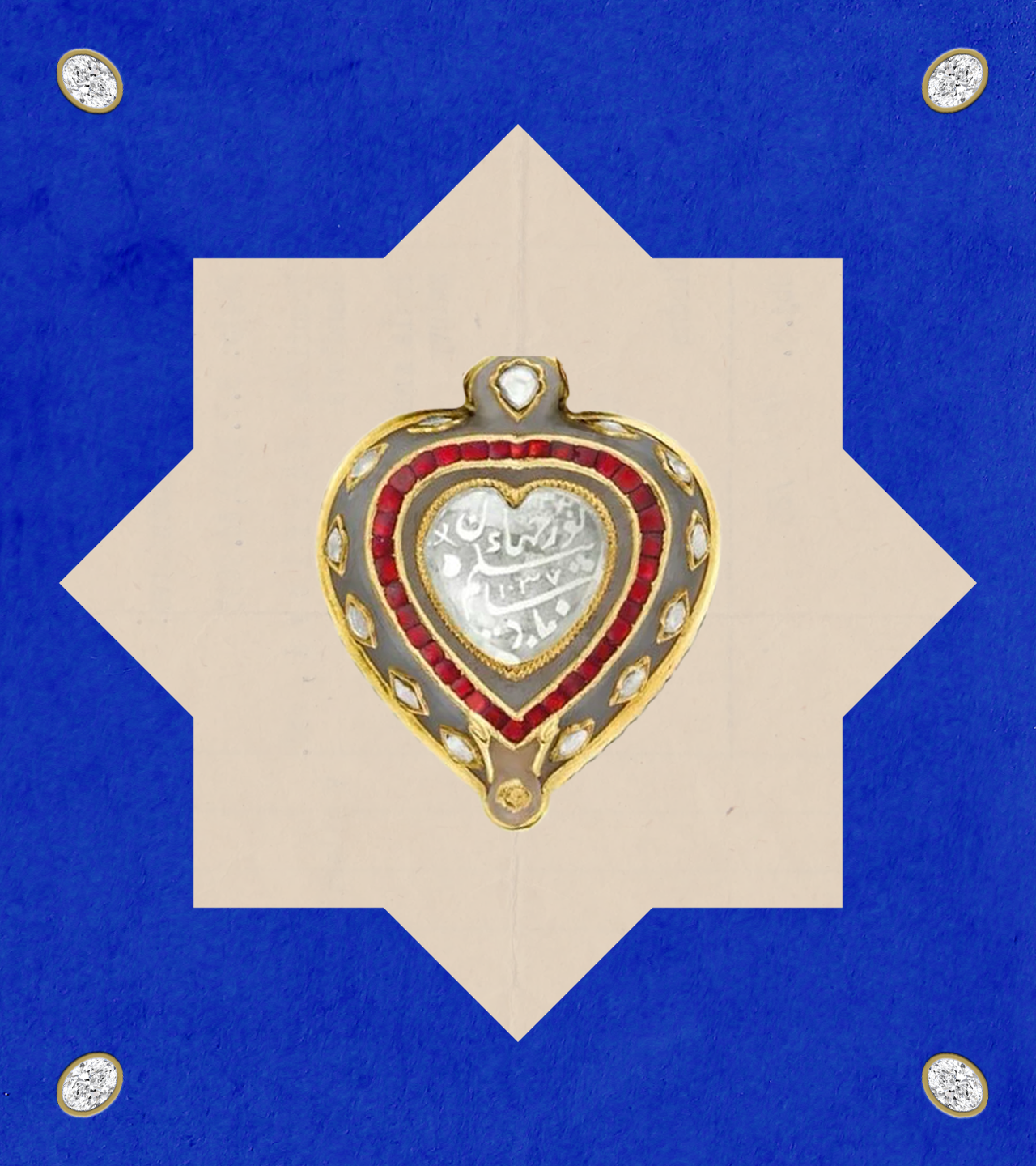
Originally believed to date back to the 17th-century Mughal Empire, the diamond is inscribed in farsi with the words “Love is Everlasting” and bears the name of Nur Jahan, the wife of Mughal Emperor Shah Jahangir. Scholars connect the stone to the legendary love story of Shah Jahan and his beloved Mumtaz Mahal — the same emperor who later built the Taj Mahal as her memorial after her death in 1631.
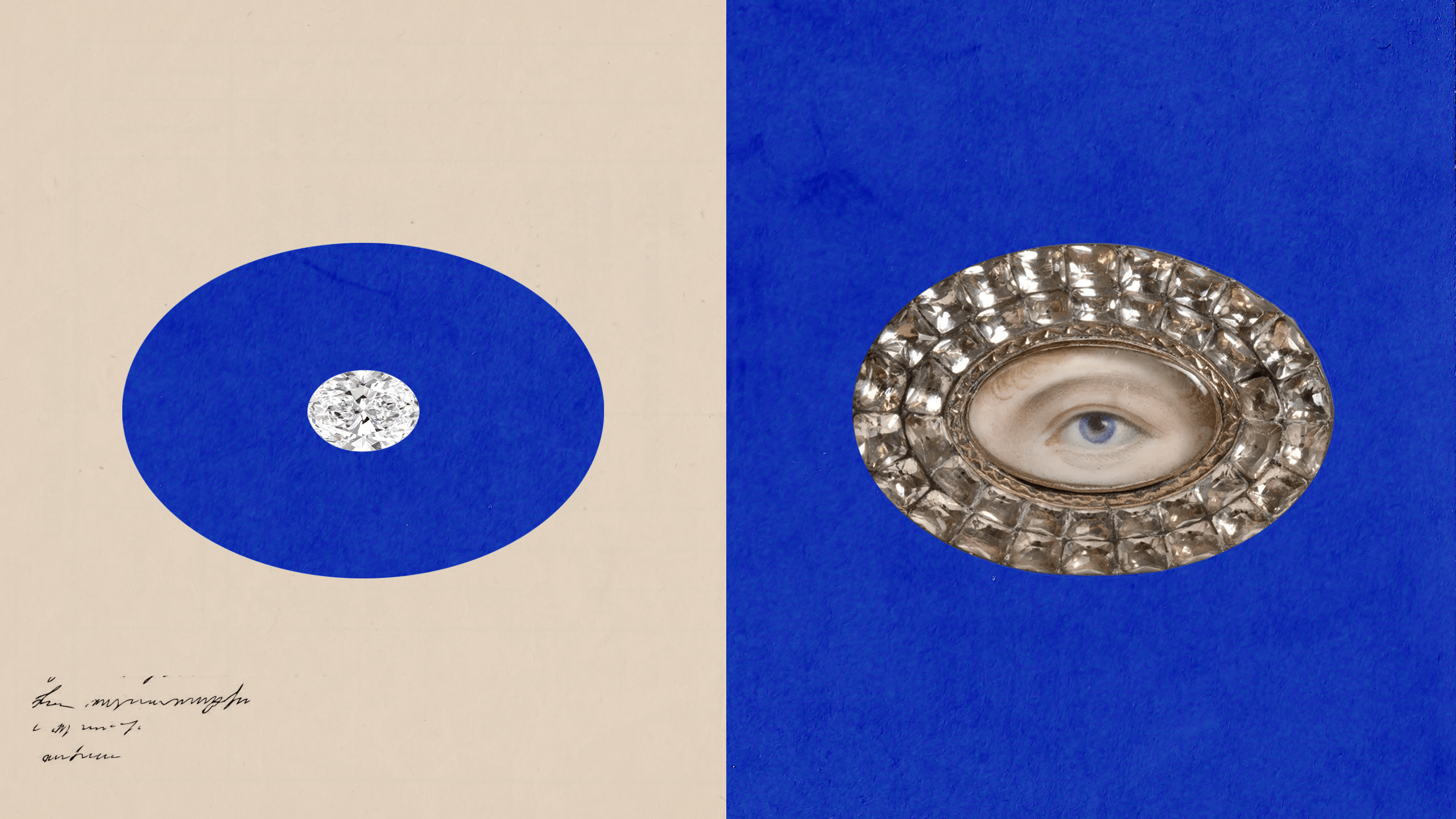
In contemporary jewellery, the locket has evolved in form but not in purpose. Modern interpretations may be sleeker and shaped by advances in craftsmanship and technology, yet their emotional function remains unchanged. Diamond lockets today continue to serve as private expressions of love and memory — objects worn close to the body, carrying stories meant for the wearer alone. With cleaner lines and more refined settings, contemporary design preserves the tactile intimacy of these miniature treasures while allowing the diamonds to retain their central role. Enduring and resilient, the real diamonds remain the locket’s most powerful symbol, linking present-day creations to centuries of cultural, emotional, and human tradition.