The Biggest Natural Diamond Highlights of 2025
Through revivals, red carpets, unexpected headlines, and shifts in taste and meaning, natural diamonds have had a sparkling 2025. Here’s a recap of the major glittering moments of the year.
2025 was a year where natural diamonds surfaced everywhere: on red carpets, in record books, across headlines, and deep in cultural memory. They marked moments, defined trends, and held their value while everything else fluctuated. Here’s how brilliance showed up in 2025.
Your Top Vibe This Year? Brilliance.
No, literally.
We dropped our own diamond-themed playlist on Spotify. Think shine, soul, and tracks that remind you: some things are just different. When your jewellery gets a soundtrack, it’s not just an accessory—it’s an experience.
Hit play here and give your diamonds their moment.
Nostalgia Made A Comeback
Three icons. Three comebacks.
Nita Ambani pulled an Indore Pears inspired necklace from her vault—famous diamonds with roots in the Maratha dynasty, worn with a tinge of nostalgia and full presence. Diljit Dosanjh revived the Patiala Necklace at the MET Gala — once owned by Maharaja Bhupinder Singh, now reclaimed for a generation that values legacy as much as hype.
Isha Ambani wore a 481—carat diamond choker to the Met Gala. The necklace, borrowed from her mother’s vault, was inspired by the same 1931 Cartier design featured in Ocean’s 8, bringing Hollywood heist fantasy to red carpet reality.
2025 confirmed it: heritage isn’t retro. It’s the ultimate collab.
Indian Craft Went Global. Literally.
Indian jewellery houses charted on international platforms this year, with names like Sabyasachi, Manish Malhotra, and Tanishq leading the charge.
At Cannes, Aishwarya Rai Bachchan wore over 500 carats of Mozambique rubies and uncut diamonds in 18k gold by Manish Malhotra High Jewellery, making a statement that redefined red carpet elegance. At the Met Gala, Sabyasachi rewrote menswear jewellery codes as Shah Rukh Khan—India’s undisputed King of Bollywood—wore a custom stack of talismanic chains and an initial pendant, signalling a return to jewellery as power, symbolism, and personal mythology. On the same red carpet, Jaipur-based Golecha Jewels crafted Diljit Dosanjh’s aforementioned show-stopping, multi-layered Patiala necklace featuring over 50 carats of tourmalines and a 130-carat emerald centerpiece.
From Cannes to the Met, Indian craftsmanship wasn’t just present — it owned the narrative. Designers brought century-old techniques to stages that set global taste. India didn’t just showcase diamonds. We showcased a point of view.
And the world listened.
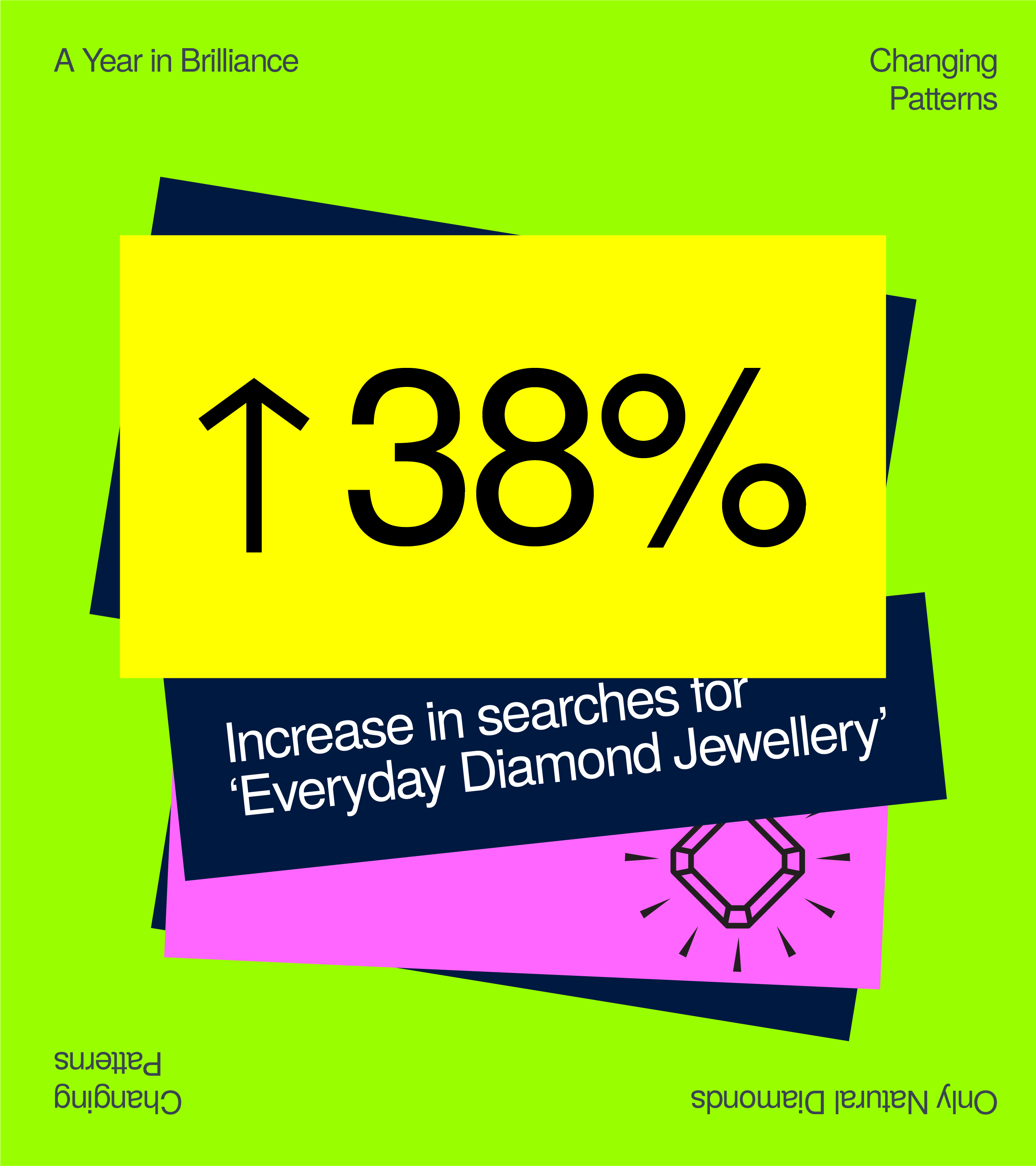
You Wanted Diamonds On The Daily
Search queries jumped 38% from 2023.
The vault lost. Your everyday won. Stackable rings, micro studs, tennis bracelets that transition from Zoom to dinner became desirable. Natural diamonds stopped waiting for big moments. They became the vibe.
Because if today matters — and it does — why not make it sparkle? Younger buyers are sprinkling their gold with diamonds — lightweight, wearable, enduring.The kind of luxury that doesn’t sit in a locker but lives on your wrist.
This Year India Shaped Its Love Stories In…
When it comes to diamond shapes, India had its favourites. Princess Cut never lost its crown — angular, sharp, eternally iconic. Oval became the shape of every ‘yes,’ elongated elegance meeting endless romance. Emerald Cut brought quiet power, all clean lines for those who prefer presence over performance. Cushion Cut balanced vintage soul with modern sensibility — the one your nani would approve. Radiant Cut said sparkle without apologies, maximum drama and zero compromise. Asscher Cut returned to the spotlight, Art Deco energy for a new generation. Maybe it was your ring. Maybe it was a Taylor Swift close-up. Either way, these cuts owned your year.
India Rose to #2 on the Global Charts
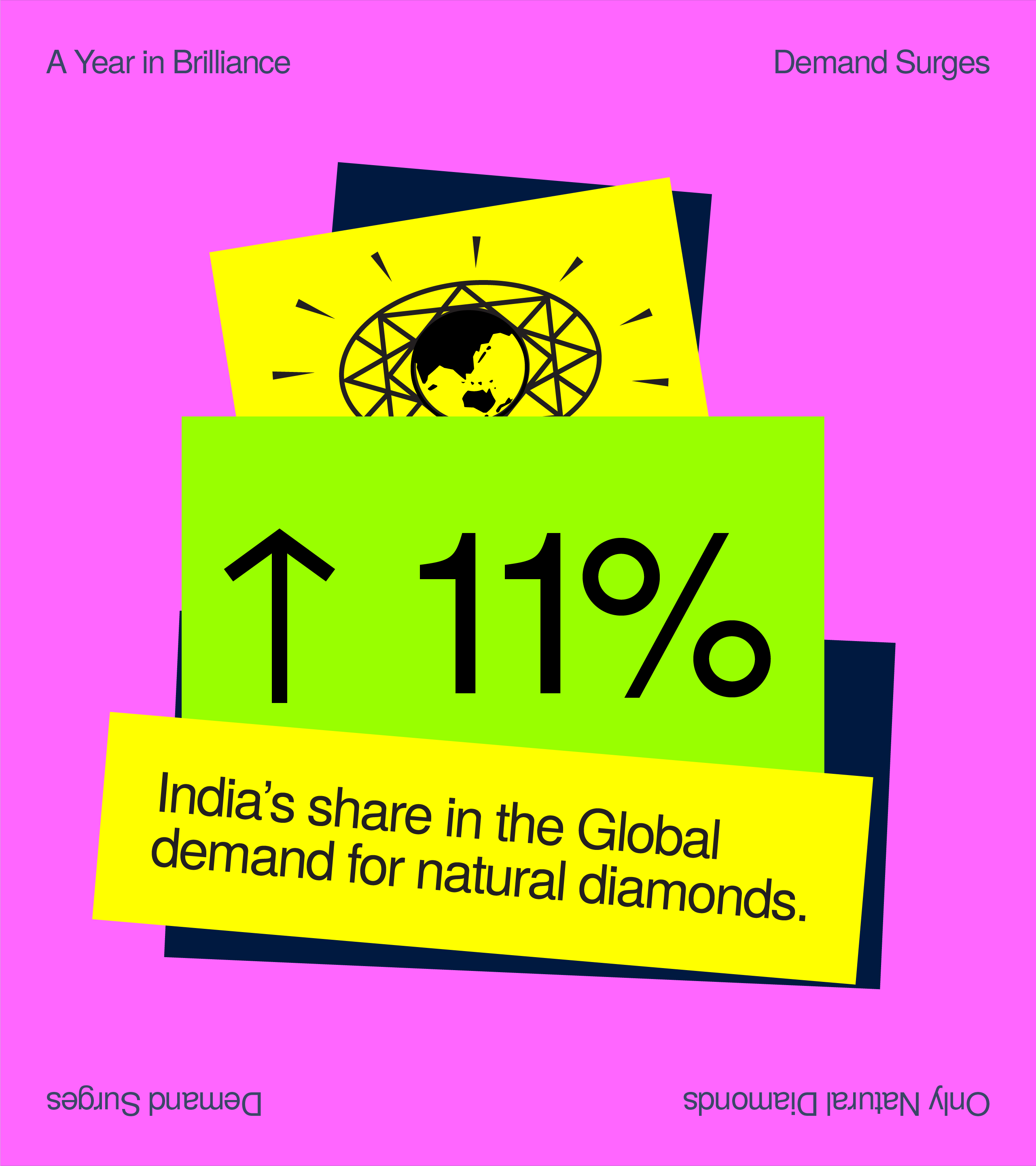
India overtook China to become the world’s second-largest consumer of natural diamonds, following the United States of America.
Now holding 11% of global demand, India didn’t just participate in the diamond conversation—we shaped it. From bridal sets in Jaipur to statement pieces in Delhi, natural diamonds became the language of milestone, memory, and meaning.
As per reports, India’s diamond jewellery market is projected to grow from $18.12 billion in 2025 to $28.15 billion by 2030. Millennials and working women are driving demand beyond weddings—real diamonds are for Wednesdays now, just as much as pink is.
When the world looks for diamonds, it looks East. And India’s brilliance is only growing brighter.
A Drop Was Heard Around The World
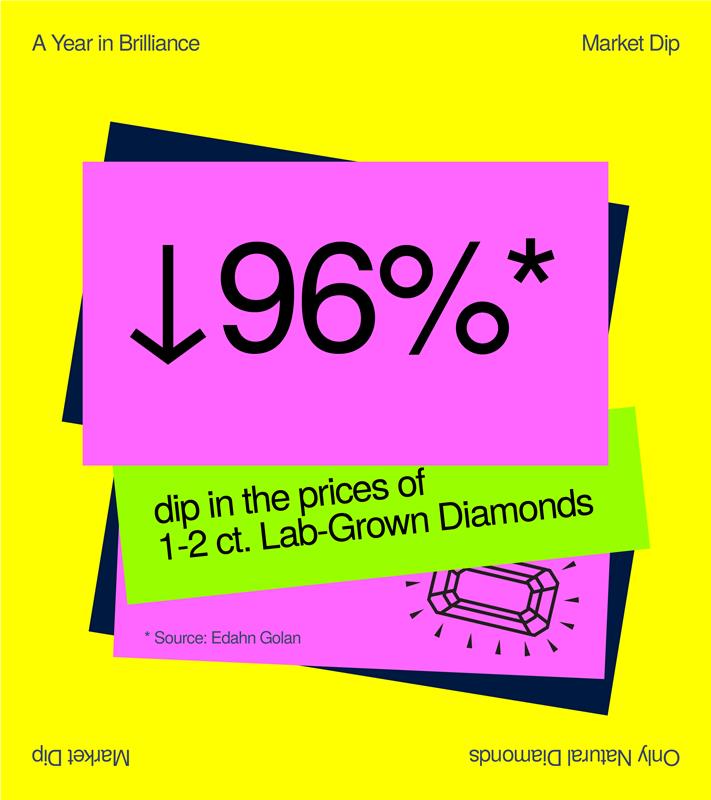
Natural diamonds? Still loved forever.
Lab-grown prices in the 1-2 carat range have crashed 96%* since the 2018. What started as competitive pricing became a clearance bin reality. When something keeps getting cheaper, it starts saying less.
Natural diamonds held steady. Because rarity is never on discount. And billion-year-old rarities? They appreciate differently, showing an average 3% year-on-year increase over the last 35 years. Not a trend. A legacy play.
*Source: Edahn Golan
GIA Changed The System

They officially retired the 4Cs for lab-grown diamonds.
Now lab-grown diamonds get sorted into “Premium” or “Standard.” Clean? Sure. But equivalent to natural diamonds? Not even close. The shift acknowledged what collectors already knew: natural and manufactured aren’t in the same universe. One took billions of years. The other took a Tuesday.
For natural diamonds, the4Cs stay untouchable — Cut, Clarity, Colour, Carat. Some standards don’t get streamlined. They get protected.
Natural Diamonds Don’t Just Trend, They Endure
This year, prices fluctuated. Certifications shifted.
But natural diamonds? Still unbreakable. Literally — the word “diamond” comes from the Greek adamas, meaning indestructible.
Formed over billions of years, passed through generations, gaining memories with every hand that wears them. Unlike luxury goods that depreciate, natural diamonds hold their ground. They’re not financial instruments—they’re heirlooms.
2025 reminded us that not everything needs to be instant or mass—produced. Some things, — like billion—year—old natural diamonds, are meant to last.
Here’s to a year in brilliance. And to every moment still waiting to shine.


