The Indian Diamond Industry’s Bold New Move: Only A Natural Diamond Can Be Called A Diamond
The diamond industry norms in India are being rewritten. As you seek more than sparkle, the diamond industry is responding with sharper definitions and stronger standards, ushering in an era where clarity defines credibility.
A natural diamond is rarely just a purchase. It marks a milestone, a celebration, a promise—moments where emotions take centre stage. Yet even in those deeply personal instances, there are details that shape your decision: a jeweller’s knowledge, a grading certificate or an assurance of responsible sourcing are all strong factors when making a choice.
Today, with the introduction of alternatives and laboratory-grown diamonds and a growing need for transparency, these disclosures are more important than ever. They help you to understand more clearly what you are purchasing, how it is defined, and what stands behind the claims attached to it. In response, the diamond industry is refreshing its own playbook — tightening terminology, reworking grading frameworks, and reinforcing transparency across the supply chain. Learn more about the new era of diamond standards here.
What Counts as a Diamond?
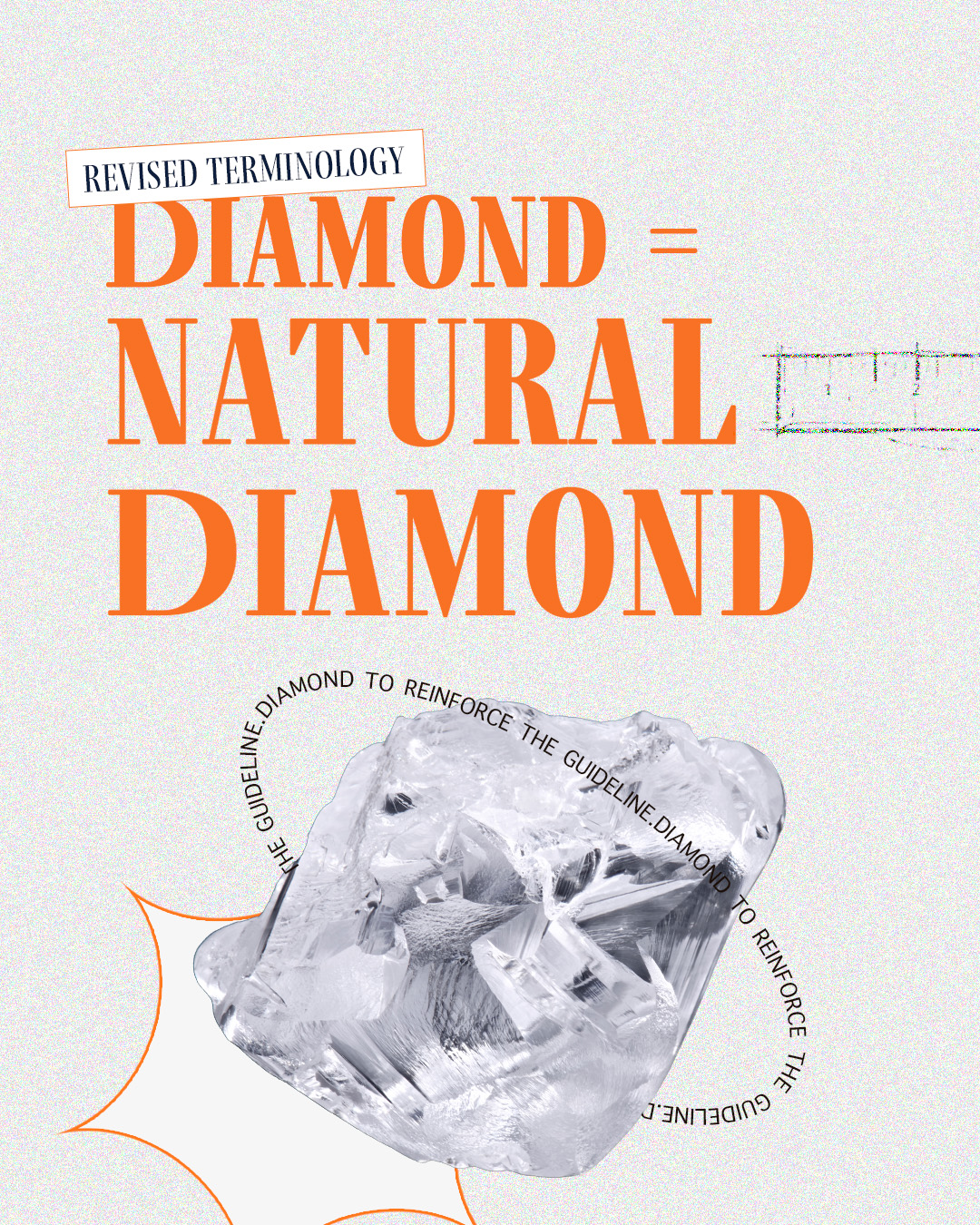
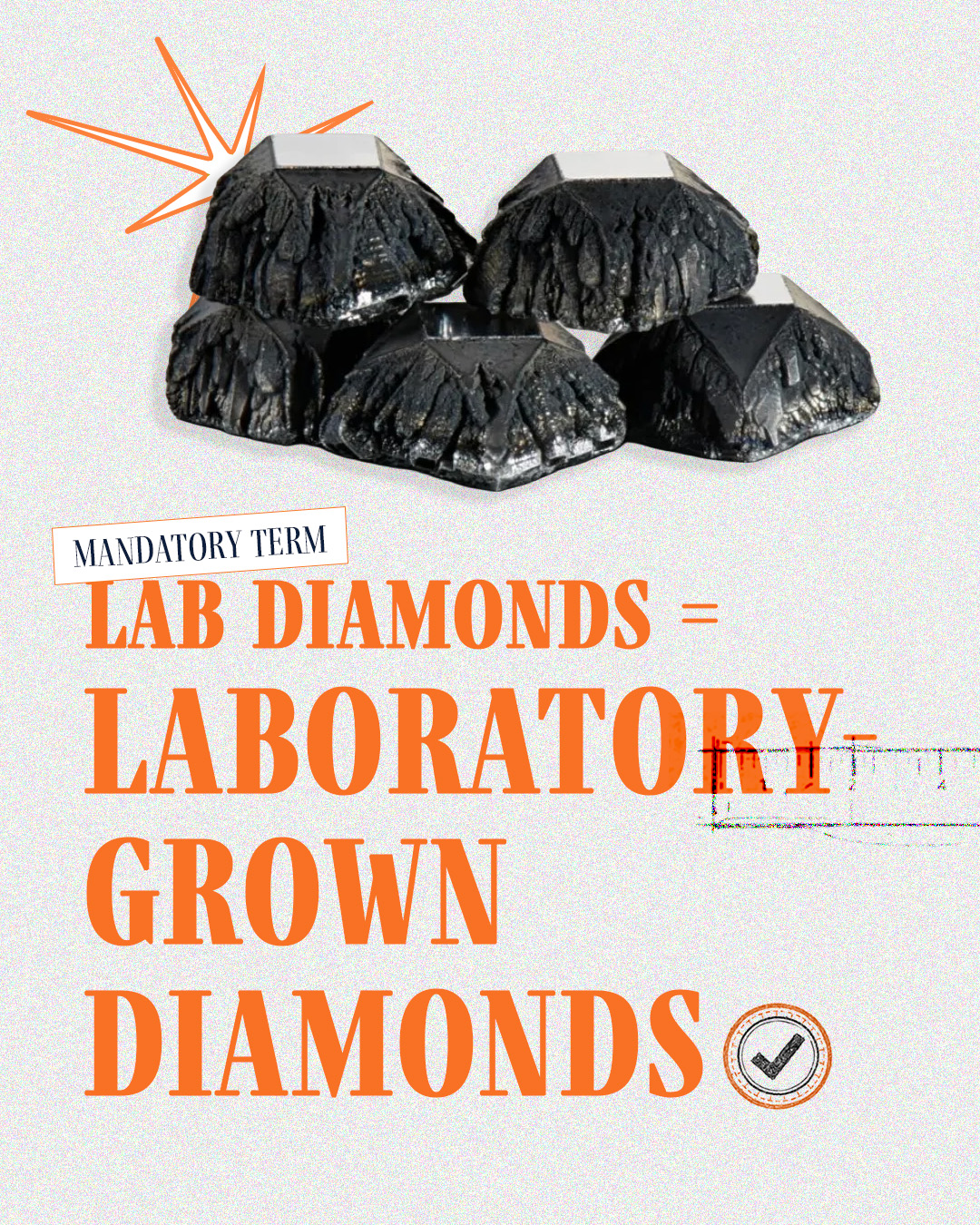
The first and most fundamental shift concerns language itself. The Bureau of Indian Standards has introduced IS 19469:2025, effective January 2026, reserving the standalone use of the word “diamond” exclusively for natural diamonds. What this means for you: if a product is simply labelled a “diamond” without qualification, it must refer to a natural diamond. Anything created in a laboratory must be clearly identified as such.
Laboratory-grown diamonds must now be described using clear, qualifying terminology like ‘laboratory-grown diamonds’. Further, descriptors such as natural, real, genuine, precious, semi-precious, cultured, cultivated, man-made, earth friendly, karma-free, conflict-free, pure, nature and gem cannot be used in a way that blurs this distinction.
In a market where natural and laboratory-grown diamonds coexist, this clarity becomes essential. What may seem like a small change in the way the industry addresses diamonds directly affects how diamonds are presented across communications and conversations. Clear definitions remove guesswork, allowing you to understand exactly what is being offered and to make comparisons with confidence and clarity. In moving towards precise terminology, the industry is ensuring that it is easier to distinguish between categories.
A New Direction in Diamond Grading
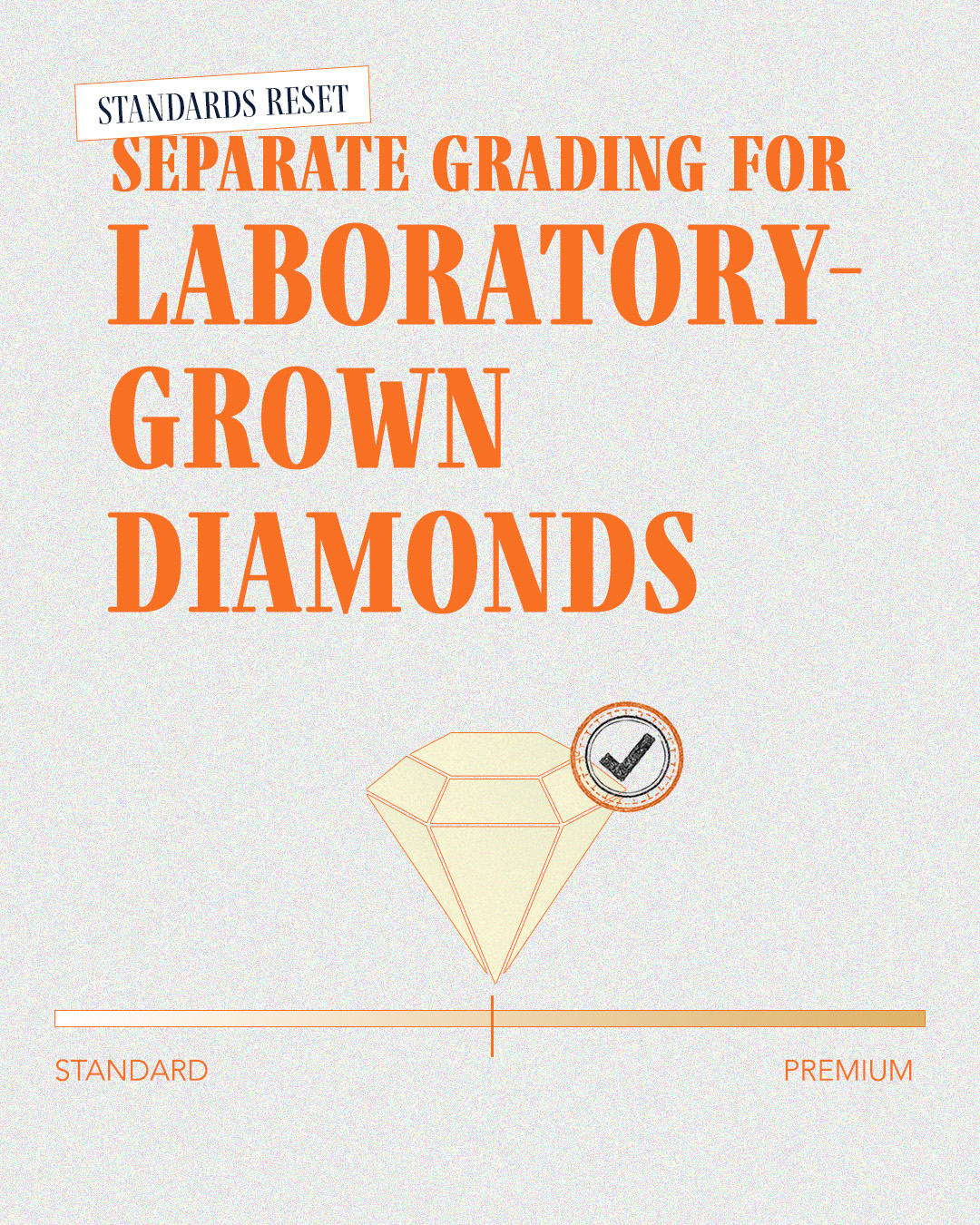
Natural and laboratory-grown diamonds were long graded under the same framework—the 4Cs: Cut, Colour, Clarity, and Carat weight. Stones were assessed on detailed scales such as D-to-Z for colour and Flawless to Included for clarity, which made the two categories appear directly comparable and created a perception of equivalence between diamonds and laboratory-grown diamonds that have two fundamentally different origins.
The Gemological Institute of America has introduced a simpler classification system for laboratory-grown diamonds, replacing the traditional 4Cs framework with a two-tier scale — Premium or Standard — in order to distinguish them more clearly from natural diamonds that are based on precise craftsmanship. Around the same time, HRD Antwerp, one of Europe’s leading diamond-grading laboratories, announced that it would stop grading loose laboratory-grown diamonds and focus solely on natural diamonds.
The result is a clearer visual and documentary separation at the point of purchase. When you read a certificate, you’ll be able to tell whether you are purchasing a natural diamond or laboratory-grown diamond through a distinguished grading system. Whether a diamond is passed down, insured, resold, or simply revisited years later, clearly defined standards make its documentation easier to understand across generations and markets.
The Kimberley Process, and the Future of Responsible Diamond Trade
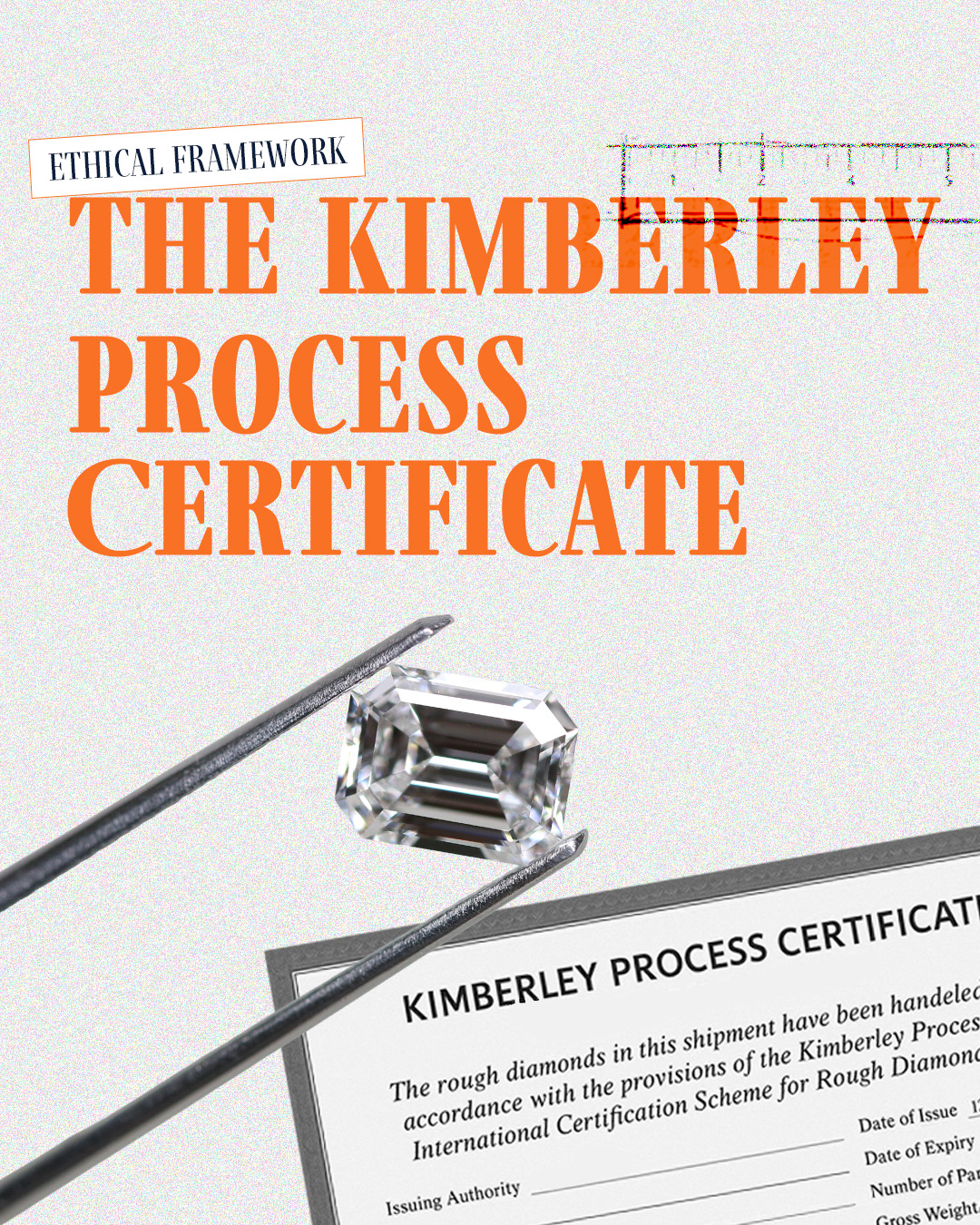
While changes in language and grading affect what consumers see, some of the most important standards operate earlier in the supply chain.
The Kimberley Process was introduced in 2003 as a global initiative to prevent conflict diamonds from entering the legitimate market. These are rough diamonds that have been used to fund armed conflict and insurgent movements in politically unstable regions.Formally known as the Kimberley Process Certification Scheme (KPCS), it requires participating countries to certify that shipments of rough diamonds are conflict-free before they can be traded internationally.
Over the years, the Kimberley Process has become the backbone of how rough diamonds move across borders, setting minimum compliance standards for producing and trading nations. From January 2026, India will assume its chairmanship, placing the country at the centre of ongoing discussions around monitoring, compliance, and traceability.Most buyers may never see this certification paperwork. Yet it underpins the retailer’s assurance that a diamond has been responsibly sourced — reinforcing trust long before the diamond reaches the showcase.
The Takeaway
Taken together, these shifts mark a defining moment for the modern diamond industry. Long guided by heritage and reputation, it is now choosing to articulate its standards with greater precision and intent. The language surrounding diamonds is becoming more exact, the systems more deliberate, and the frameworks that support them more visible.
For anyone marking a milestone with a diamond, these changes matter. They mean clearer labels, clearer certificates, and clearer sourcing standards.
The emotion of a diamond remains unchanged. What has evolved is the infrastructure that supports it — stronger definitions, sharper distinctions, and standards designed for a more informed generation of buyers.