3 Coloured Diamond Trends Taking Over Right Now
From desert-toned stones to luminescent pinks, natural coloured diamonds are gaining renewed momentum in 2026. As supply tightens after the Argyle mine closure, markets in India and the Middle East are driving demand for rarity.
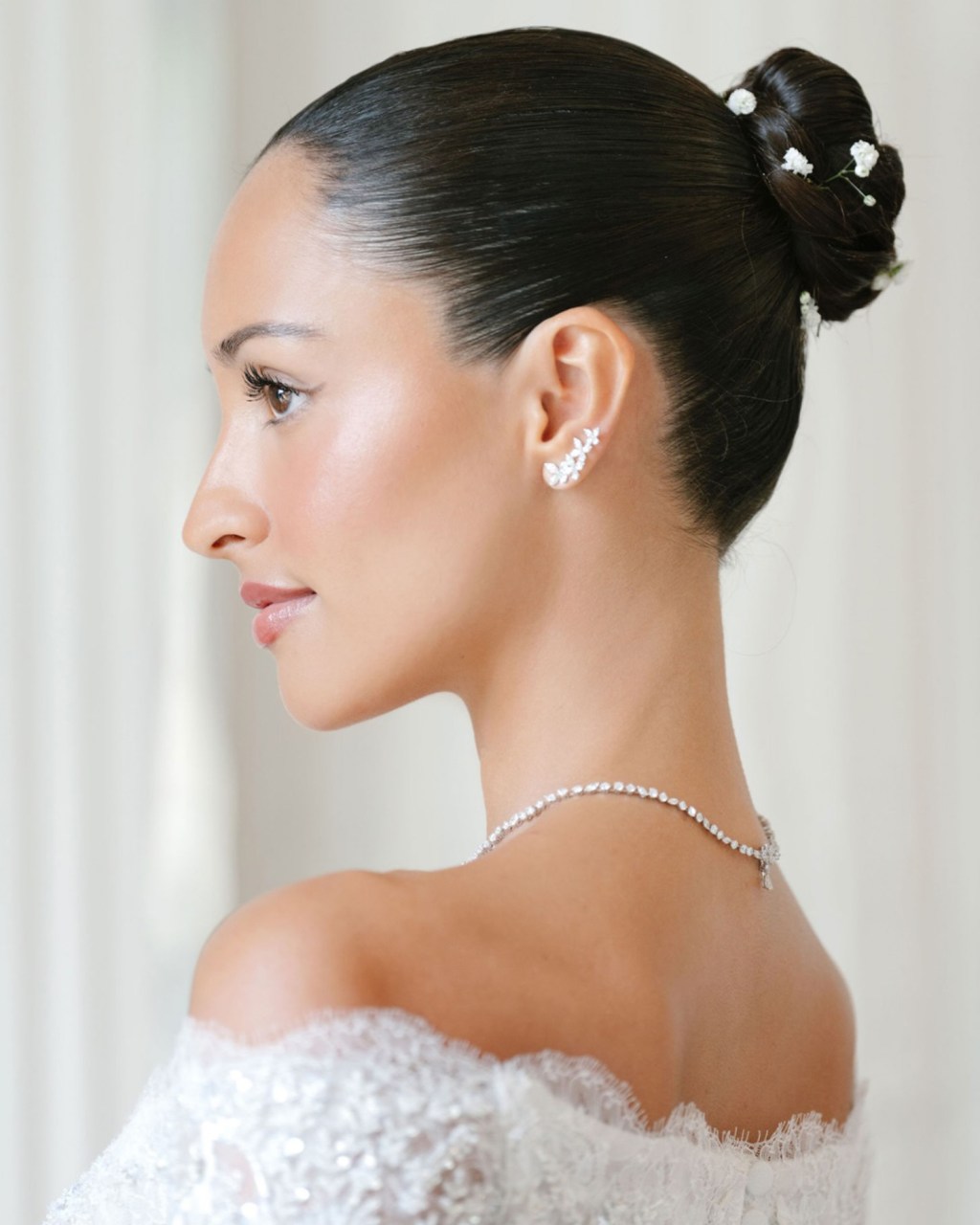
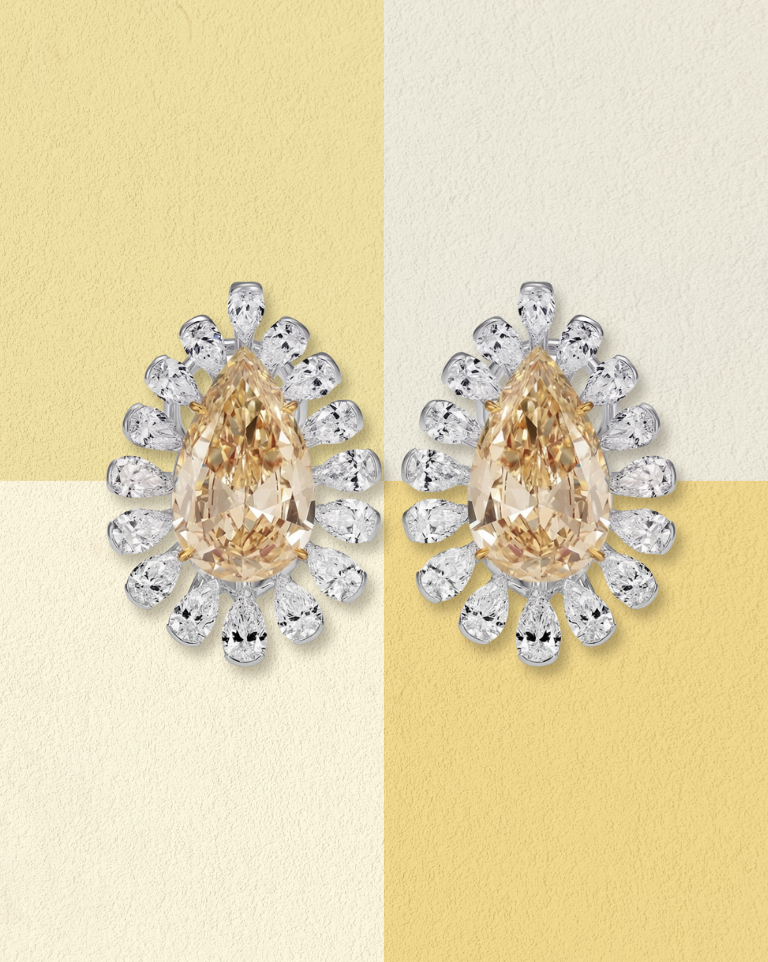
Say the word diamond, and the first image that comes to mind is a bright and luminescent white stone. But in 2026, natural coloured diamonds—in champagne browns, warm yellows and delicate pinks—are gaining renewed momentum. Images courtesy of: Mouawad, Pavit Gujral, Karina Choudhrie Jewels
Say the word diamond, and the first image that comes to mind is a bright and luminescent white stone. But the slow and steady entry, and eventual popularity, of natural coloured diamonds has altered this thinking. From soft blush pinks to warm browns and vibrant yellows, these colours now grace jewellery pieces everywhere. And over the last 20 years, the prices of fancy colour diamonds have grown at a compound annual growth rate of 5.7%, according to a report by Natural Diamond Council.
Like all natural diamonds, coloured stones formed deep within the Earth billions of years ago. They get their signature colours when trace elements or geological pressure alter the crystal structure during formation. These precise conditions cannot be reproduced, making each stone effectively unique.
Their rarity has become even more pronounced following the closure of the Argyle diamond mine in Western Australia six years ago. One of the world’s largest producers of coloured diamonds, the closure led to a massive supply crunch. There are no new sources that have emerged so far, which has made them more desirable among investors and collectors alike.
Three distinct movements are shaping the narrative within natural diamonds this year: the rise of desert-toned diamonds, continued demand for pink diamonds as investment pieces, and a spotlight on yellow diamonds as gateway investment pieces.
The Rising Visibility Of Desert Diamonds
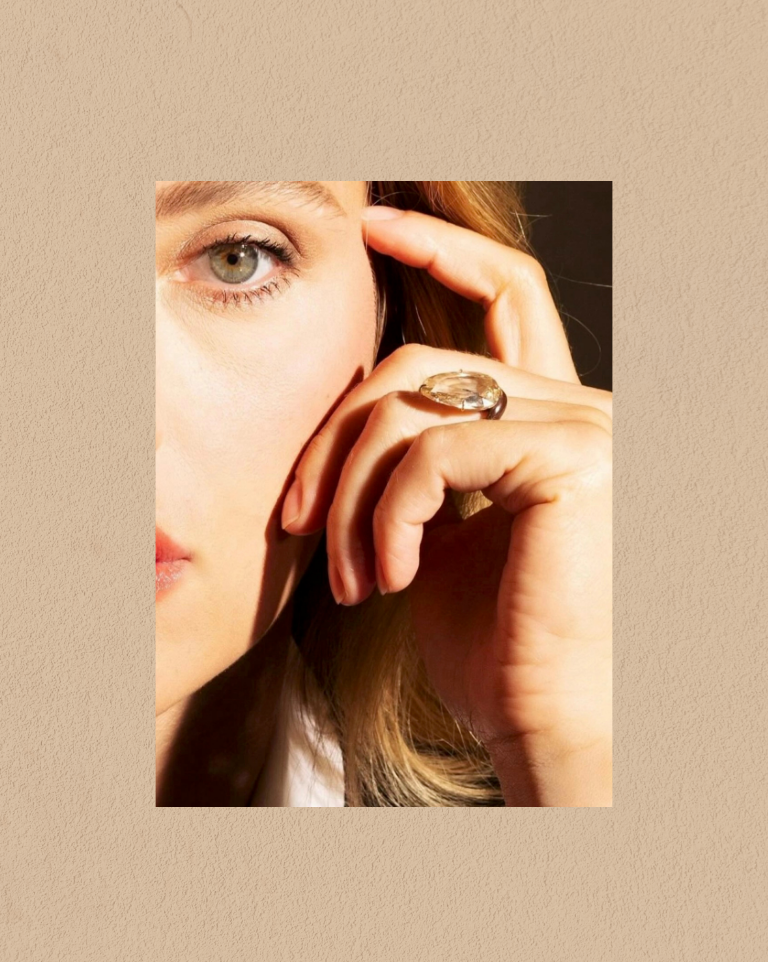
Bright like the white diamond but softer, brown diamonds have an almost nude hue that feels softer and subtle. Often known as desert diamonds, these stones have colours that could range between anything from a champagne to cognac or a warm brown. But they were not always considered ‘worthy’ of finding their place in high jewellery and, in fact, were only used as industrial grade stones.
Actor Scarlett Johansson’s 11-carat light brown diamond engagement ring was a breaking point, which got collectors and enthusiasts around the world to reconsider their feelings for the gemstone. And now, the brown diamond is more popularly worn in everyday pieces than any other coloured stone.
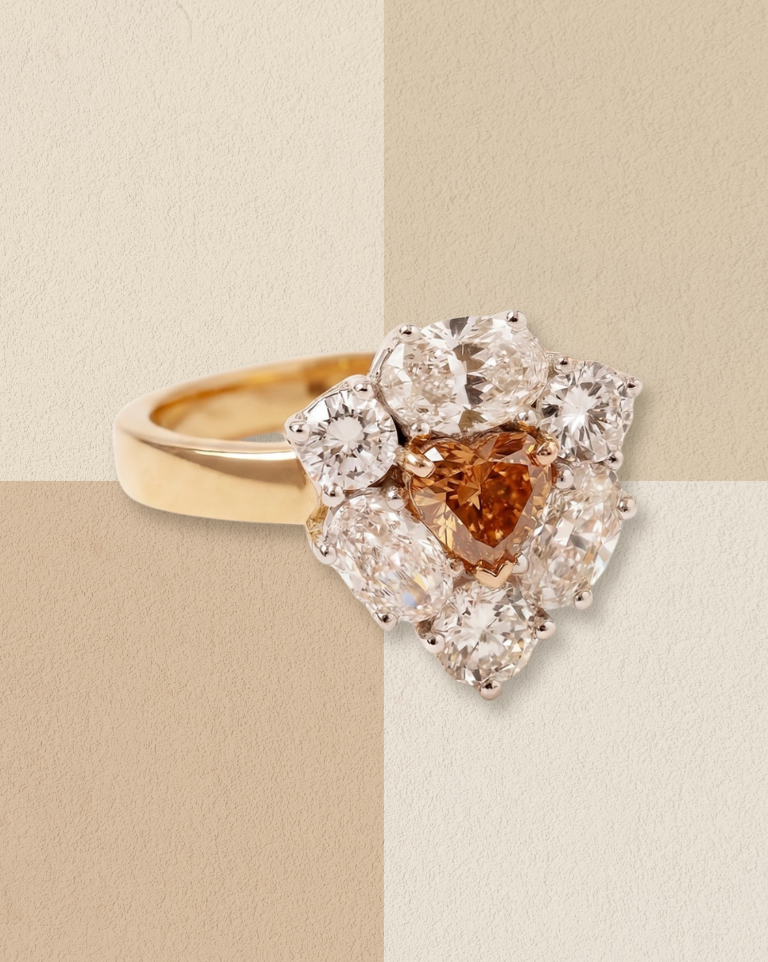
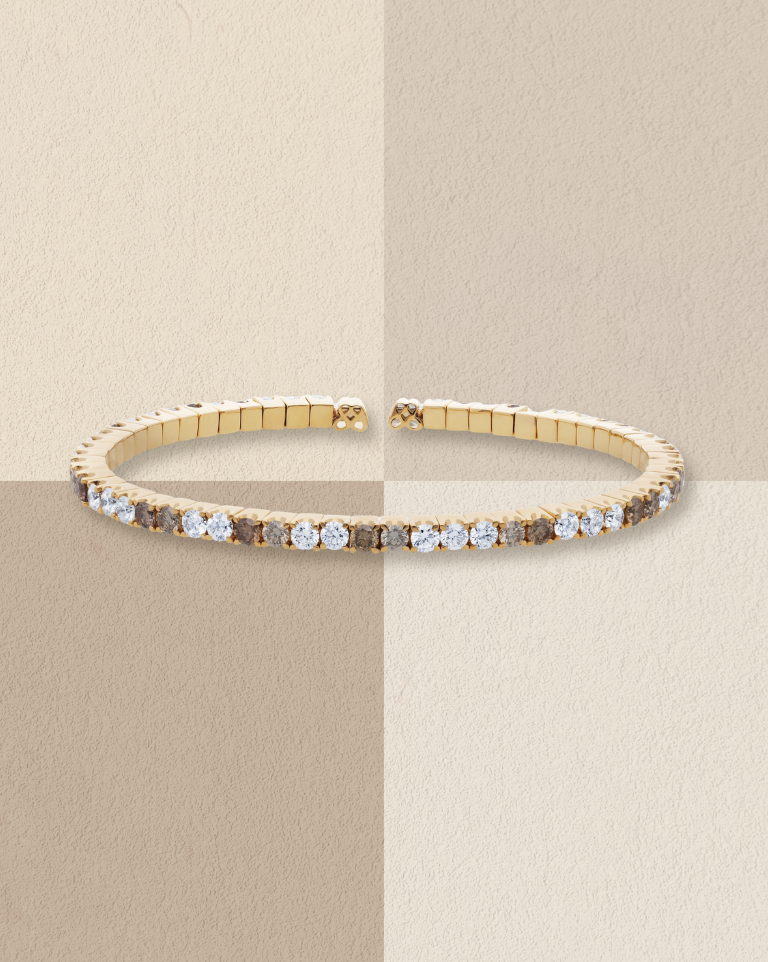
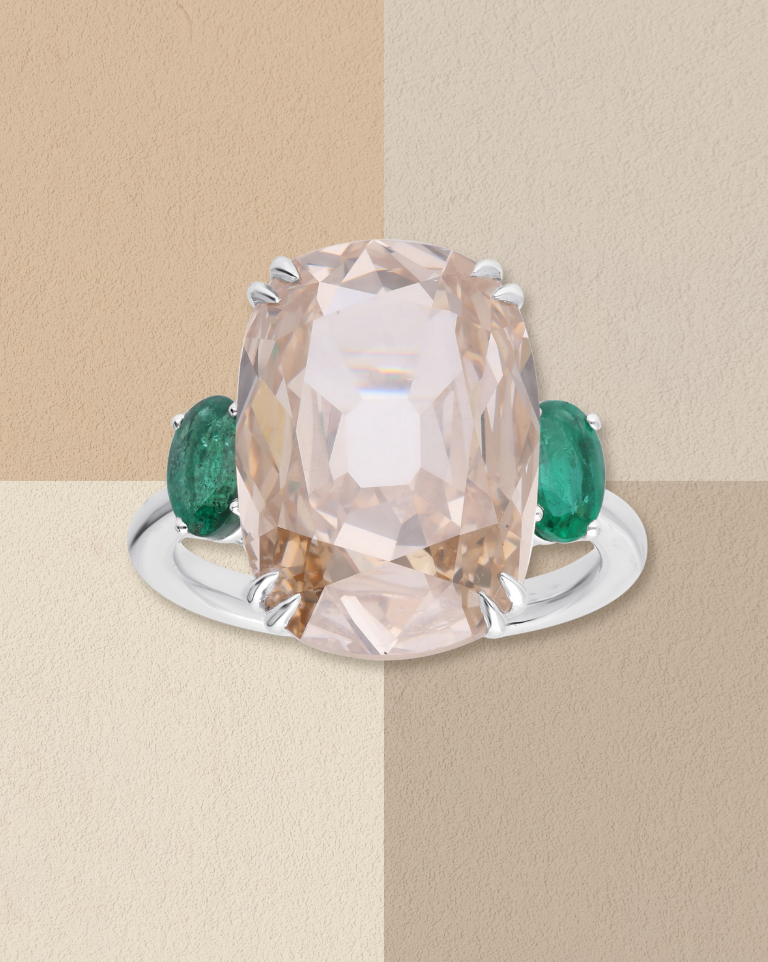
Bright like the white diamond but softer, brown diamonds have an almost nude hue that feels softer and subtle. Images courtesy of: Moi, Karina Choudhrie Jewels, Araya
In 2026, as jewellery houses rely heavily on specific cultural influences to design and craft narratives around their products, desert diamonds find renewed relevance. Indian designers, like Reema Chopra of Khepri Jewels, are leaning into earthy tones that complement handcrafted gold textures, brushed finishes and architectural settings. This aesthetic resonates with a new generation of Indian luxury buyers who want pieces that feel distinctive yet rooted in natural beauty. Designers with roots in the Middle East, like the Syrian-American designer Hiba Husayni, are also building collections inspired by desert landscapes.
Pink Diamonds As Wearable Legacy
From the luminescent Daria-i-Noor diamond which traces its origins back to the ancient Golconda mines, to the pink stones that graced the engagement rings of celebrities like Mariah Carey, Jennifer Lopez and Blake Lively—pink diamonds have always been loved for their soft, romantic hues.
In 2026, their investment relevance has intensified. The Argyle mine, which closed down in 2020, accounted for 90% of the global supply of red and pink diamonds. Since no other consistent source has been discovered yet, the number of new stones entering the market has dropped dramatically. With limited supply and rising awareness of their rarity, natural diamonds in pink hues are being acquired earlier and more strategically by collectors, including India’s wealthy jewellery buyers. Family-owned businesses, entrepreneurs and private collectors from the country are purchasing pink diamonds, often incorporating them into heirloom jewellery rather than treating them purely as investment pieces.
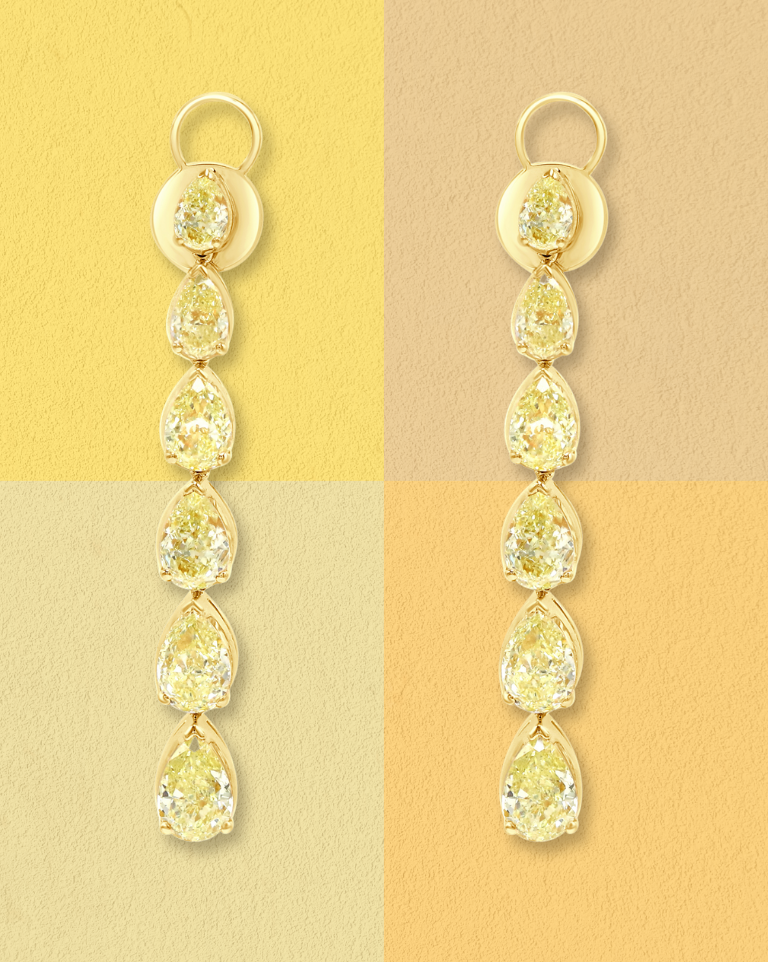
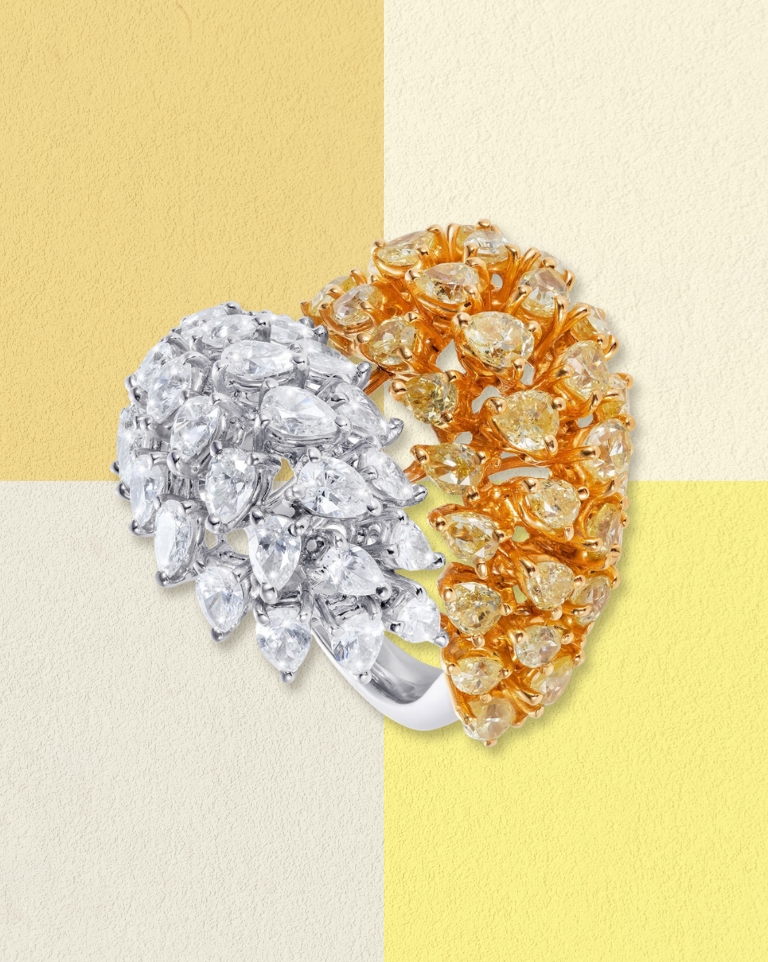
While there’s enough reason for yellow diamonds to be considered intimidating and out-of-reach, the reality is quite the contrary. They are the most accessible within the coloured diamond spectrum. Images courtesy: La Marquise, Devi, Alok Lodha
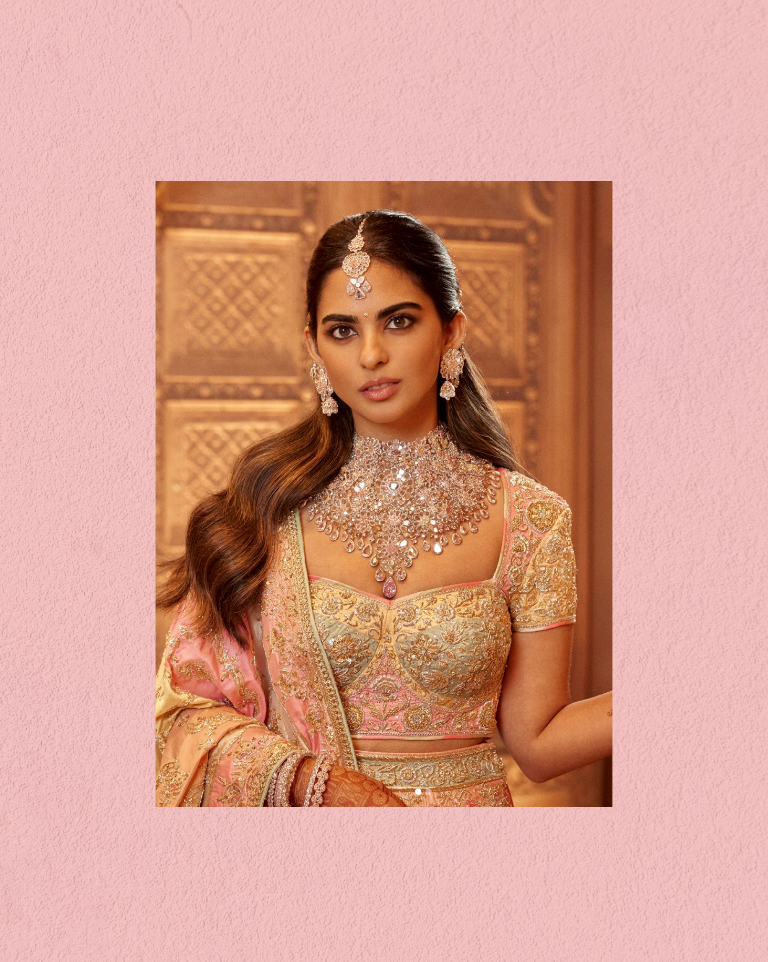
Indian designers have begun embracing pink diamonds prominently in bridal jewellery, with the subtle blush tones being paired with rose gold, antique settings and enamel work. Case in point is the intricately crafted diamond necklace that Isha Ambani wore during her brother’s wedding festivities, which prominently featured delicate natural pink diamonds. Designers like Ali Khalil of LEVUMA and Karina Choudhrie of K&Co—who cater to collectors in markets such as Doha and Dubai—are being commissioned bespoke pieces built around these rare pink stones, reinforcing the pink diamond’s reputation as status symbols within high jewellery circles.
The Resurgence Of Yellow Diamonds
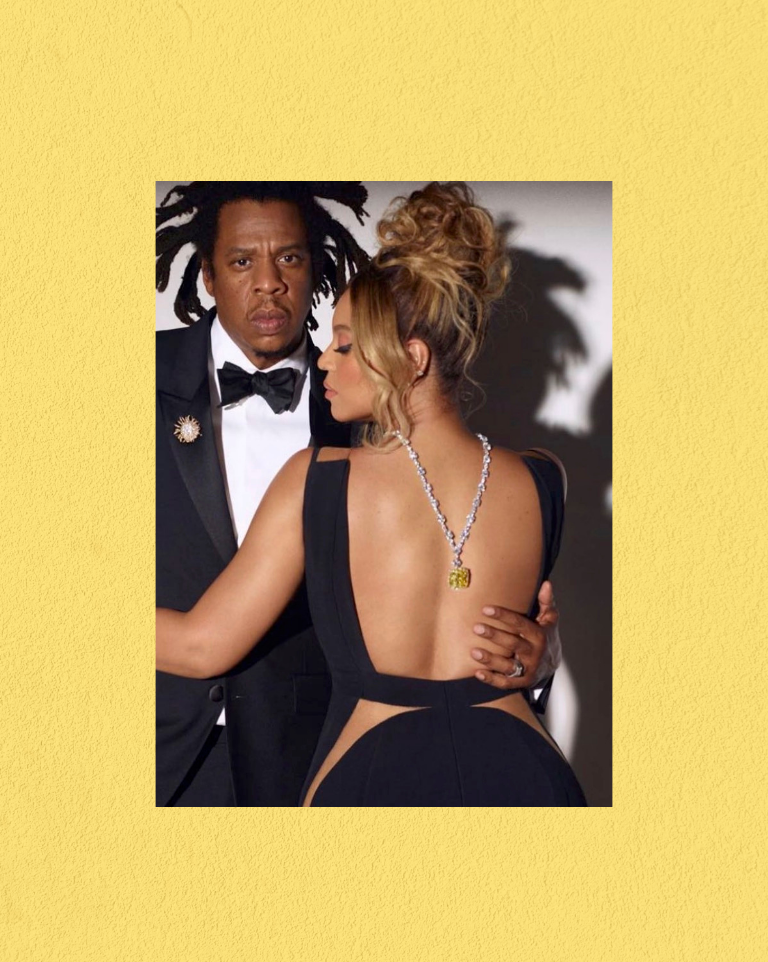
Few diamonds have had the cultural visibility of the Tiffany Yellow Diamond. The 128.54-carat stone famously worn by Audrey Hepburn in 1961 while promoting Breakfast at Tiffany’s, and later by Beyoncé in 2021, remains one of the most recognisable diamonds in the world. More recently, philanthropist Nita Ambani was seen wearing a five-strand neckpiece featuring a stunning 100-carat yellow diamond as its centrepiece.
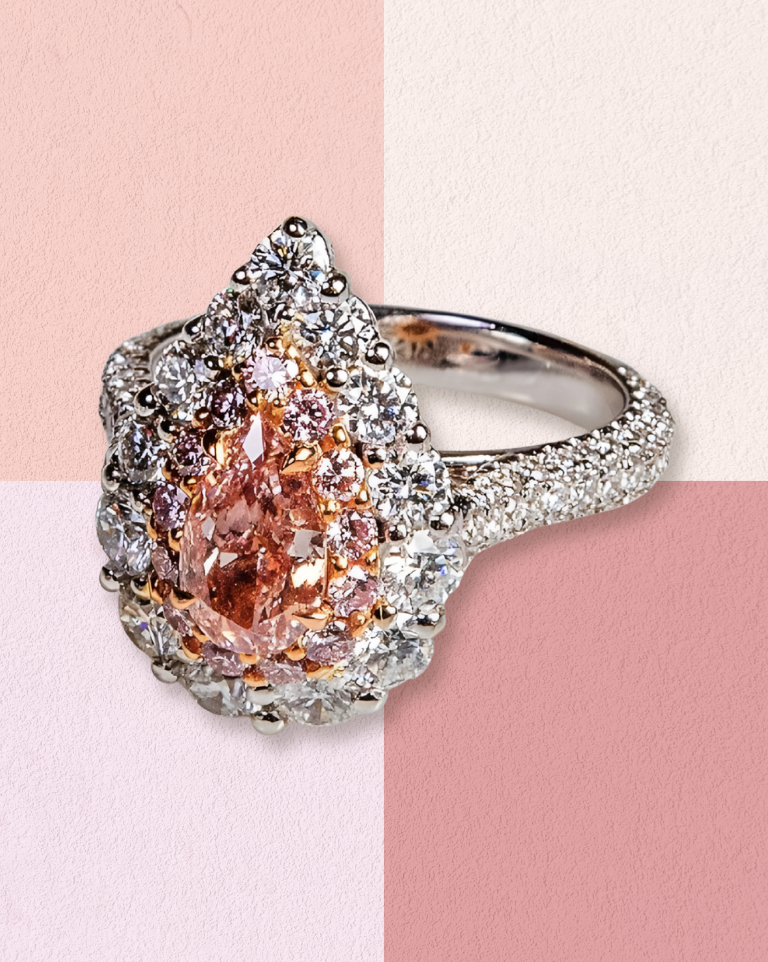
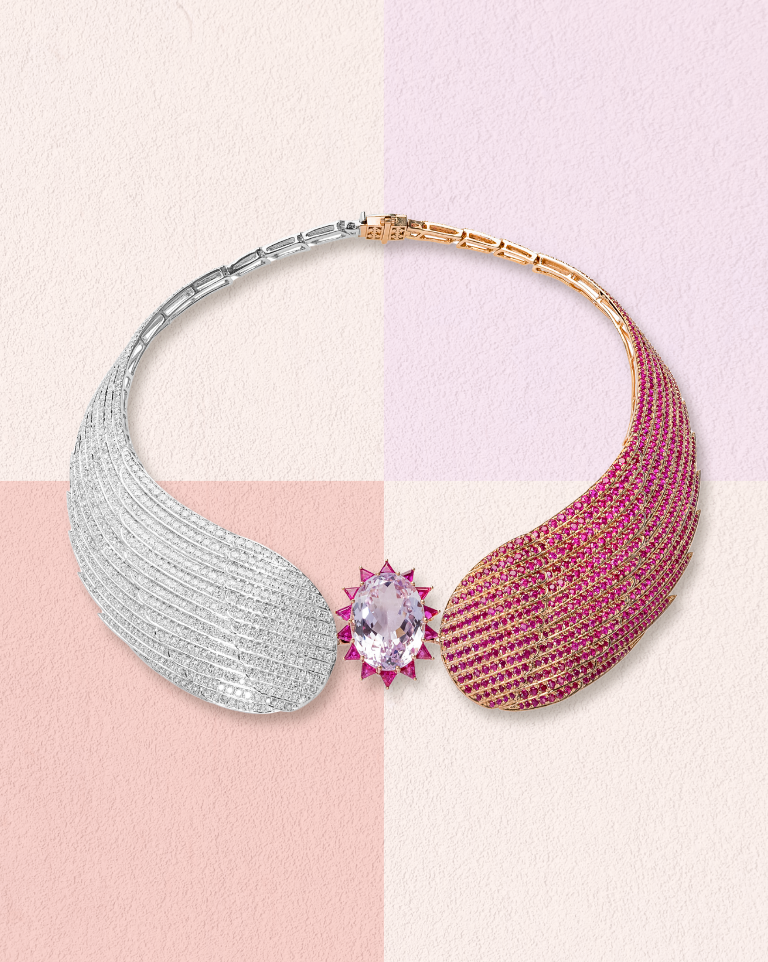
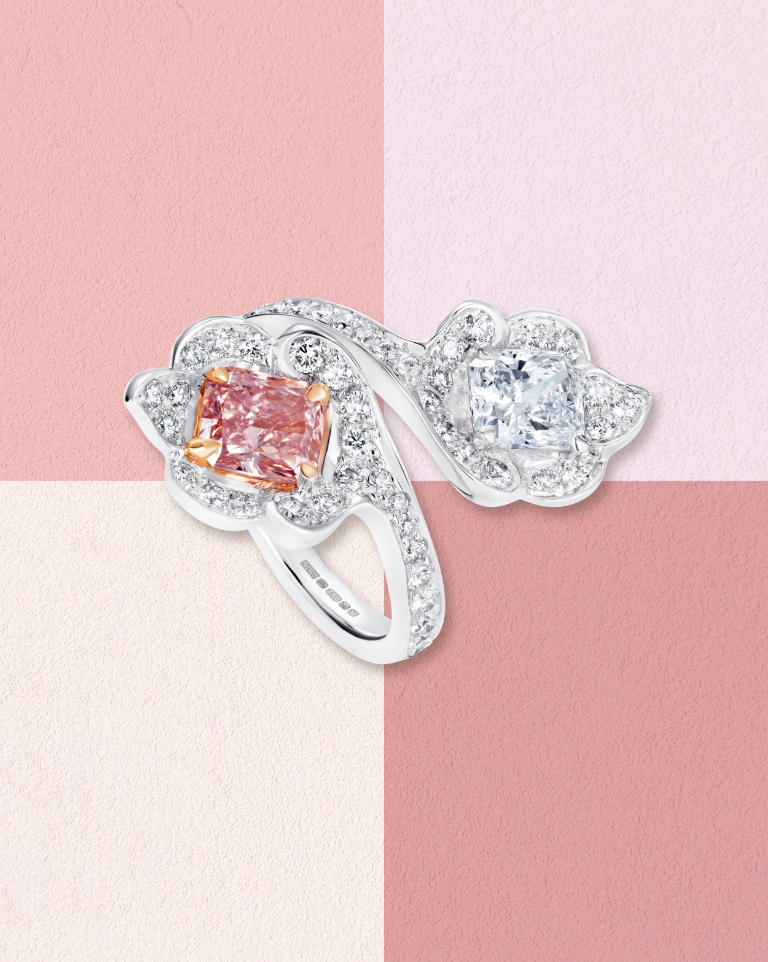
From the luminescent Daria-i-Noor diamond which traces its origins back to the ancient Golconda mines, to the pink stones that graced the engagement rings of many celebrities—these diamonds have always been loved for their soft, romantic hues. Images courtesy: Ali Fardan, Pavit Gujral, Karina Choudhrie Jewels
These stones are among the natural coloured diamonds that are most commonly found in larger sizes. Big yellow diamond rocks are seen on the regular in high jewellery, and there’s enough reason for them to be considered intimidating and out-of-reach. The reality, though, is quite the contrary. They are the most accessible within the coloured diamond spectrum. While still rare, they are more attainable than, say, the pink stones. This makes them a good entry point for collectors who want natural coloured diamonds.
This may also explain why yellow diamonds are experiencing a creative resurgence today. The nitrogen present within their crystal structures is what lends them their signature golden hue—one which aligns perfectly with India’s traditional preference for gold hues. It’s the perfect choice even for couples who wish to veer away from the conventional, and go for engagement rings in unique colours. This year, designers are also presenting yellow diamonds in more contemporary formats, from sleek solitaire rings, to structured necklaces and modern bridal sets.
Natural Diamonds Over Lab-grown Alternatives
Underlining all three of these broader movements is a fundamental shift in how consumers view valuable gemstones. In an era where laboratory-grown alternatives become more widely accessible, natural coloured diamonds are being valued for what truly sets them apart: their geological origins and unrepeatable rarity.
For the Indian collector, particularly, jewellery investment decisions are made keeping wealth preservation and family inheritance in mind. Natural coloured diamonds, because of their scarcity, align perfectly with that mindset. Moreover, it is an evolving jewellery market that is driving experimentation and is moving beyond conventional diamond cuts, colours and shapes. The Middle East, which has a long history of collecting rare diamonds, is also reinforcing demand for rare pieces—an attitude that stems from the awareness that natural coloured diamonds represent a finite resource.
Together, these shifts are shaping a jewellery landscape where colour is no longer a novelty. It is increasingly becoming its defining marker of rarity.